10 Experiences in Athens
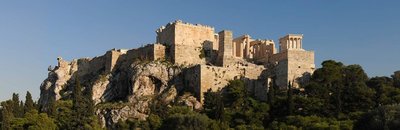
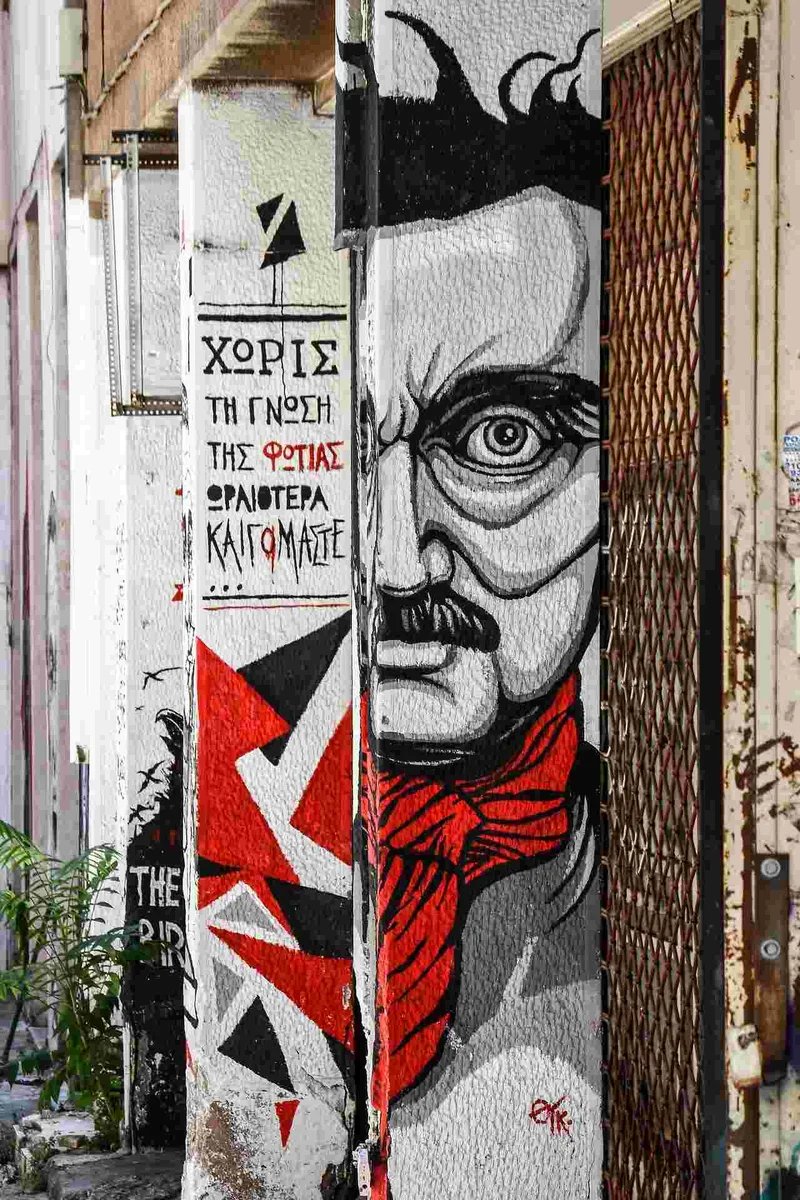
Athens has been continuously inhabited for over , making it one of the oldest cities in Europe and the birthplace of democracy, Western philosophy, and classical theatre. The city that produced Socrates, Pericles, and Sophocles still pulses with creative energy in its graffiti-lined alleyways and rooftop bars overlooking floodlit ruins.
Below the sacred rock of the Acropolis, the districts of Plaka and Anafiotika preserve a village-like atmosphere — whitewashed houses, cats stretched across warm stone steps, and jasmine tumbling over iron balconies. A few blocks north, Monastiraki and Psiri trade the neoclassical quiet for street art, vinyl shops, and meyhanes where ouzo flows alongside rebetiko music until dawn.
Whether you arrive to study the Parthenon marbles, ferry-hop through the Saronic Gulf, or simply eat your weight in spanakopita and grilled octopus, Athens rewards curiosity. The city is compact enough to walk between most major sites in a single day, yet deep enough to fill a week with discoveries you never planned.
Top Things to Do in Athens
Acropolis
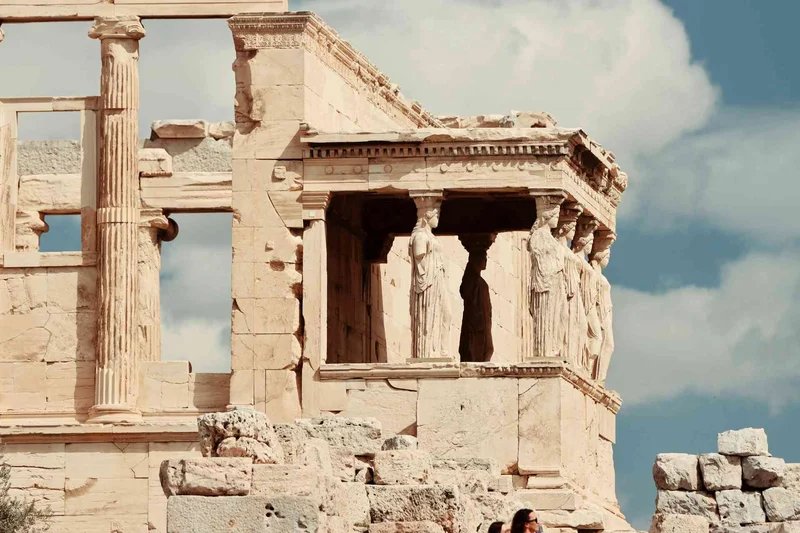
The sacred rock that defined Western architecture.
Walk past the monumental Propylaea gateway and pause at the Erechtheion's south porch, where six Caryatid figures (the originals now rest inside the Acropolis Museum) have shouldered the roof since the late 5th century BC. From the south wall, the panorama stretches across Plaka's terracotta roofs to the distant silhouette of Mount Hymettus. Arrive within the first hour of opening to enjoy the marble pathways in relative quiet; by mid-morning in summer, the plateau can hold several thousand visitors simultaneously. A combined ticket (valid 5 days) also covers the Ancient Agora, Kerameikos, the Temple of Olympian Zeus, and four other sites — far better value than buying entries individually.
Plaka
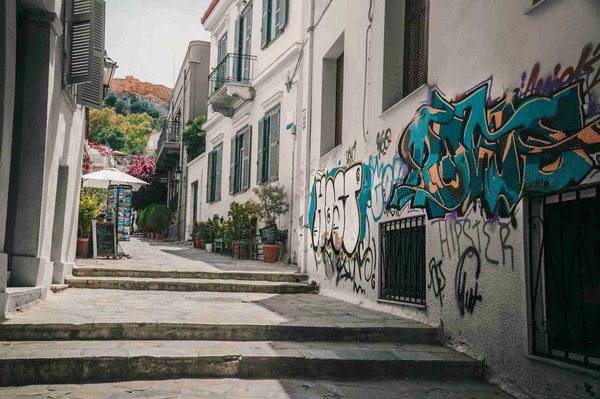
The oldest neighbourhood still breathing beneath the Acropolis.
Venture uphill into Anafiotika, a cluster of whitewashed, cubist houses built in the by stonemasons from the Cycladic island of Anafi who were hired to construct the Royal Palace. They recreated their island vernacular on the north slope of the Acropolis, producing a pocket of Cycladic architecture unlike anything else on the Greek mainland. Narrow staircases thread between the houses, opening onto sudden views of the Agora and the Stoa of Attalos below. For eating, avoid the first-row tourist tavernas on Adrianou and instead turn into the side streets: Oineas Street and the lanes around Kapnikarea Church hide family-run spots serving slow-cooked lamb kleftiko and handmade trahana pasta at local prices.
Acropolis Museum
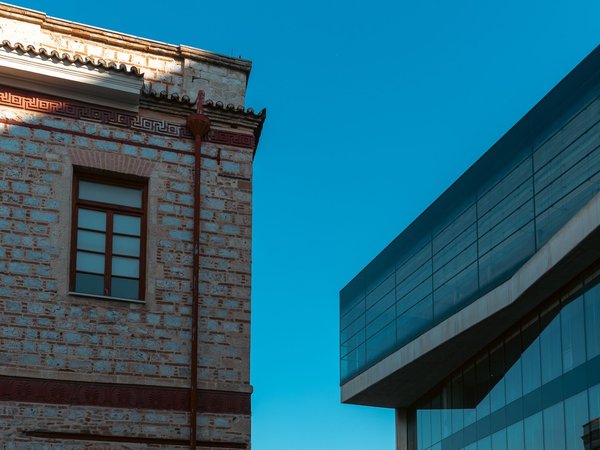
Where Parthenon marble meets 21st-century glass.
Ground-floor glass panels reveal an active excavation of a Athenian residential neighbourhood directly beneath the museum's pilotis, visible as you enter. The Archaic Gallery on level one holds rows of painted korai (maiden statues) that retain traces of their original polychrome pigment — reds, blues, and greens that challenge the popular image of austere white marble. Five of the six original Caryatids stand here in a climate-controlled case (the sixth remains in the British Museum). The collection spans from Mycenaean votive offerings to Roman-period portrait busts, totalling over 4,000 objects across 14,000 square metres of exhibition space. Friday evenings the museum stays open until 10:00 PM, and the rooftop restaurant offers Acropolis views over a glass of Assyrtiko wine — one of the most photographed dining spots in the city.
Cape Sounion
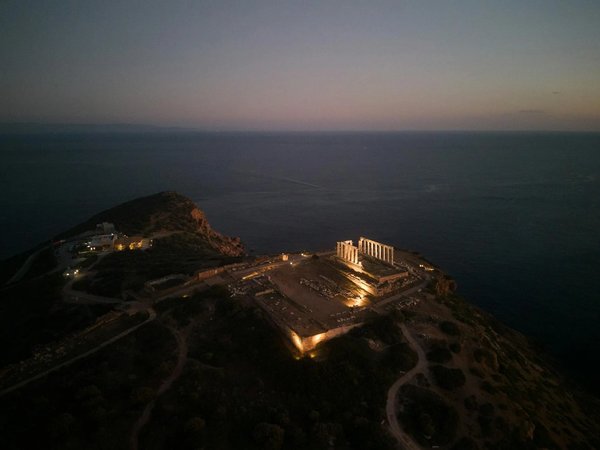
Poseidon's clifftop temple at the edge of Attica.
The coastal drive from Athens follows the Apollo Coast road past beaches, yacht marinas, and the thermal lake at Vouliagmeni, making the journey itself part of the experience. Arrive by late afternoon: as the sun descends toward the island of Kea on the western horizon, the marble columns glow amber and then rose against the darkening Aegean — a spectacle that has drawn painters, poets, and photographers for two centuries. The site includes a small café near the car park, but no food is sold inside the archaeological area, so bring water. Organised sunset tours depart daily from Syntagma Square and cost around €45 including transport, though renting a car gives you the freedom to stop at seaside tavernas in Lavrio on the return for grilled fish straight off the boat.
Varvakios Central Market
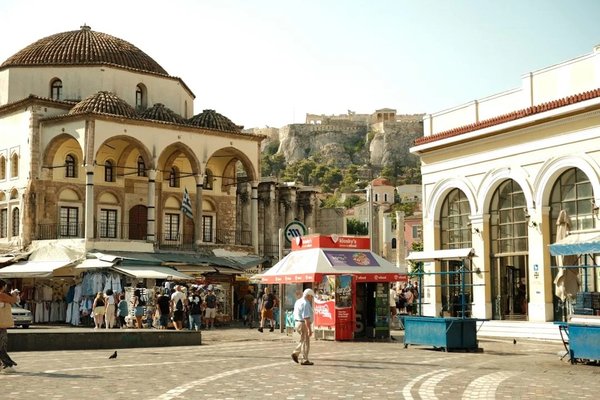
Athens' cast-iron food hall since 1886.
Outside on the surrounding streets, the market spills into open-air stalls selling Kalamata olives by the kilo, barrels of feta curing in brine, dried oregano from Mount Taygetos, saffron from Kozani, and jars of thyme honey from the Peloponnese. For breakfast, follow the locals to one of the tiny counter-service restaurants tucked between the stalls — patsas (tripe soup), considered the definitive hangover cure, has been served here around the clock since the market's early decades. The surrounding block between Evripidou Street and Sofokleous Street has evolved into Athens' multicultural spice corridor, with shops run by families from South Asia, West Africa, and the Middle East selling ingredients you will not find anywhere else in the city. The market closes early on Saturdays and is shuttered on Sundays.
Temple of Olympian Zeus
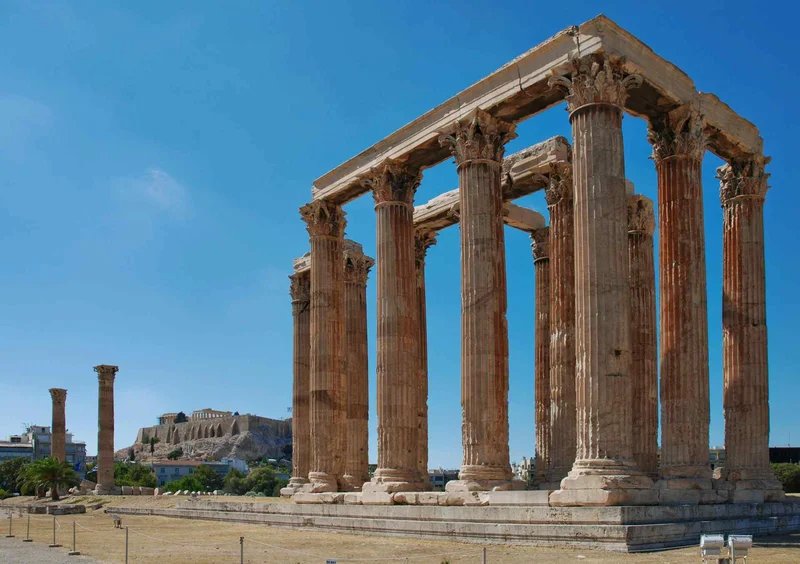
Seven centuries of construction for the largest temple in Greece.
The site sits in a fenced enclosure that also contains the foundations of a Roman bath, several house walls from the city, and Hadrian's Arch, the ornamental gateway that marked the boundary between ancient Athens and Hadrian's new Roman quarter. The arch, with its Corinthian pilasters and inscribed architrave reading 'This is the city of Hadrian, not of Theseus', is freely visible from the pavement on Amalias Avenue and makes for a striking photo with the Acropolis looming behind. From inside the enclosure, the columns frame the Parthenon on the hill above — one of the most reproduced photographic compositions in Athens. The site is fully exposed with no shade, so carry water and sun protection during summer visits.
Mount Lycabettus
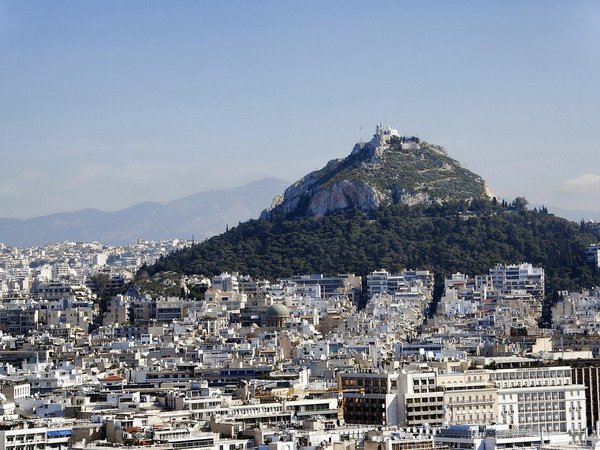
The 277-metre summit with a 360-degree panorama.
Three routes lead to the top. The steepest is the stepped path from Aristippou Street in Kolonaki, a 25-minute climb through Aleppo pine forest that feels remarkably wild for a hill surrounded by apartment blocks. A gentler zigzag path starts from Dexameni Square and takes about 35 minutes. For those preferring no incline at all, the funicular railway departs from the lower station on Ploutarchou Street every 30 minutes (€5 one-way, €7 return), gliding through a tunnel carved into the rock. The summit terrace holds a café-restaurant with outdoor seating; prices are steep (expect €6 for a coffee), but the perspective on the Acropolis directly below — lit amber at night — justifies the markup. Sunset draws the biggest crowds, so arrive 30 minutes early for a bench.
National Archaeological Museum
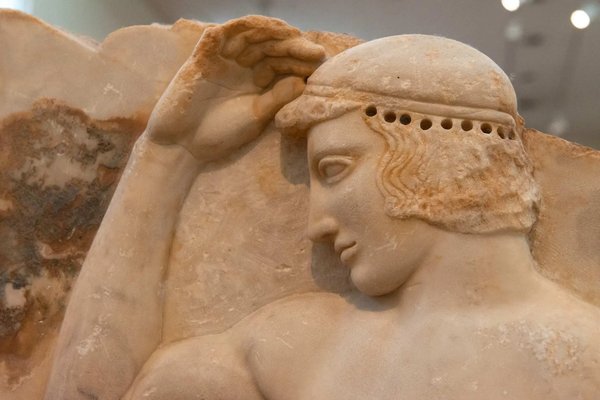
Eleven thousand years of Aegean civilisation under one roof.
Other highlights include the Antikythera Mechanism, a corroded bronze device recovered from a shipwreck in and now recognised as the world's oldest known analogue computer (dated to the 2nd century BC); the towering bronze Artemision Zeus or Poseidon, pulled from the sea off Cape Artemision; and the frescoes from Akrotiri on Thera (Santorini), preserved under volcanic ash. Allow a minimum of two hours, though enthusiasts routinely spend half a day. The ground-floor Egyptian collection, a gift from the Egyptian government in the , provides a useful comparative context for the Greek Bronze Age galleries. A shaded courtyard café offers coffee and snacks between gallery visits.
National Garden
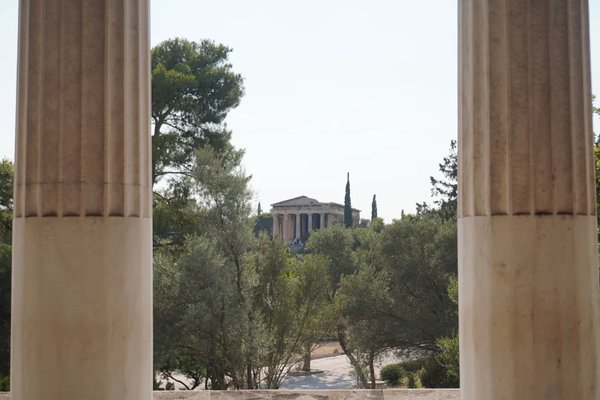
Fifteen hectares of shade in the centre of Athens.
Follow the main path south from the Parliament entrance and you pass a series of small attractions: a duck pond ringed by papyrus reeds, the remains of Roman mosaic floors under a protective awning, a tiny botanical museum in a stone cottage, and a children's playground with a small enclosure housing goats, peacocks, and tortoises. The garden's southern exit leads directly to the Zappeion, a crescent-shaped neoclassical hall surrounded by its own formal gardens and open-air café — one of the most pleasant spots in the city for a late-afternoon freddo espresso. Morning joggers circle the garden's perimeter path (roughly 1.5 km), and at weekends families spread picnic blankets on the lawns near the central fountain. There is no entrance fee and no closing gate — the garden is accessible from dawn until after dark, with pathways lit by low lamps.
Monastiraki
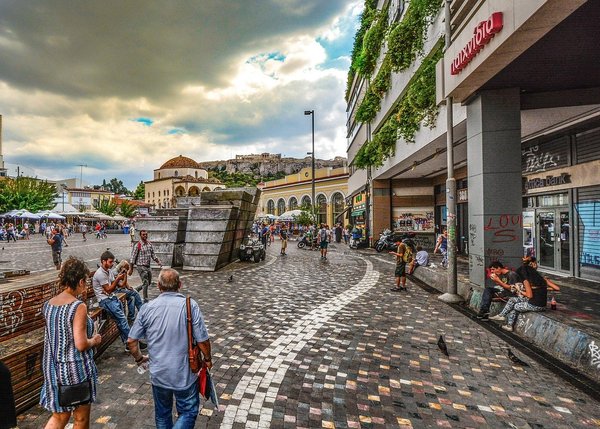
Flea market, street food, and a front-row Acropolis view.
The square itself offers one of the most famous urban views in Europe: the 2nd-century Hadrian's Library wall in the foreground, the Acropolis looming behind, and on clear days the roofline of the Parthenon visible above the library's Corinthian colonnade. Just south of the square, the Tzistarakis Mosque () now houses a branch of the Museum of Greek Folk Art displaying ceramics from across the country. For eating, skip the tourist-trap gyros stands on the square's perimeter and walk 200 metres south to Pittaki Street in Psiri, where a dozen small restaurants compete fiercely on quality: smoked aubergine dips, crispy feta parcels, and slow-braised pork cheeks washed down with orange wine from Thessaloniki. Monastiraki metro station, where Lines 1 and 3 intersect, makes the neighbourhood the natural starting point for any walking itinerary.
Recommended Itineraries in Athens
One Day Across Three Millennia
Afternoon — Walk along the pedestrianised Dionysiou Areopagitou promenade to the Ancient Agora, where the rebuilt Stoa of Attalos houses the Agora Museum. Cross into Monastiraki for a late lunch of grilled lamb chops and horiatiki salad at a Psiri side-street taverna.
Evening — Climb Areopagus Hill (free, 5 minutes from the Acropolis entrance) for the sunset, when the marble of the Parthenon turns rose-gold. Finish with dinner in Plaka, choosing a courtyard table where you can see the floodlit rock above the rooftops.
Cultural Weekend with Markets and Museums
Day 1 Afternoon — Explore the Kerameikos archaeological site (ancient cemetery and Sacred Way), then continue to the Varvakios Central Market for a bowl of patsas and a browse through the spice stalls on Evripidou Street. End the day at a rooftop bar in Psiri with Acropolis views.
Day 2 Morning — Catch the KTEL bus from Pedion Areos to Cape Sounion (90 minutes). Tour the Temple of Poseidon and swim at one of the coves below the headland. Return via the coast road, stopping in Vouliagmeni for a late seafood lunch.
Day 2 Evening — Browse the Monastiraki flea market and Avissinias Square, then ride the Lycabettus funicular for a final panoramic sunset over the Attic basin.
Hidden Athens Beyond the Monuments
Afternoon — Walk north to the Avissinias flea market for vintage finds, then continue to Evripidou Street's spice shops for saffron, dried herbs, and halva. Cross into Gazi — the old gasworks district — to visit the Technopolis cultural complex, which hosts free exhibitions and occasional outdoor concerts inside the refurbished gas tanks.
Evening — Head to the southern suburb of Piraeus for a harbourside dinner of grilled octopus and fried calamari at Mikrolimano, the tiny circular marina where fishing boats bob under restaurant awnings. The metro ride back to Monastiraki takes 25 minutes.
When to Visit
Spring and Autumn for Mild Days and Thinner Crowds
Athens enjoys a hot Mediterranean climate with over 250 sunny days per year. The ideal windows are April to mid-June and mid-September to October, when temperatures hover between 16 and 25 degrees Celsius and major sites are far less congested than in high summer.
Peak Season
July and August bring daytime temperatures above 35°C and the largest tourist influx. Hotel rates climb 40-60% above shoulder-season levels, and queues at the Acropolis can exceed 90 minutes by mid-morning.
Shoulder Season
April to June and September to October combine comfortable temperatures (16-26°C), moderate hotel rates, and manageable crowds — the best overall window for sightseeing.
Low Season
November to February offers the lowest prices and shortest queues. Rain falls mainly in brief afternoon showers, and most archaeological sites remain open year-round, though some close earlier (3:00 PM).
Compare Destinations
Athens VS Santorini
Choose Athens for history and museums on a budget, choose Santorini for sunsets, the caldera and romance with sea-view h...
Athens VS Istanbul
Choose Istanbul for bazaars, the Bosphorus and a €60-90/day budget; choose Athens for the Acropolis, the Riviera and mus...
Athens VS Mykonos
Choose Athens for history, museums, and lower costs; choose Mykonos for beaches, top nightlife, and breezy relaxation wi...
Tips for Visiting Athens
Local Experiences in Athens
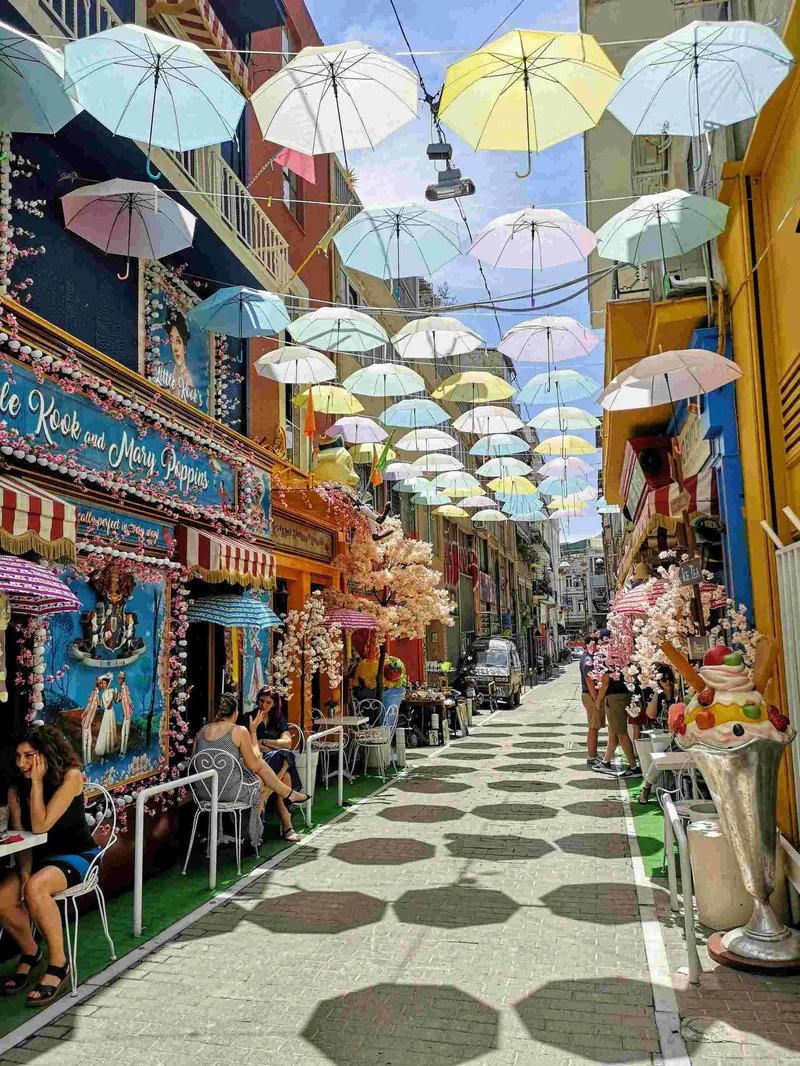
Psiri After Dark
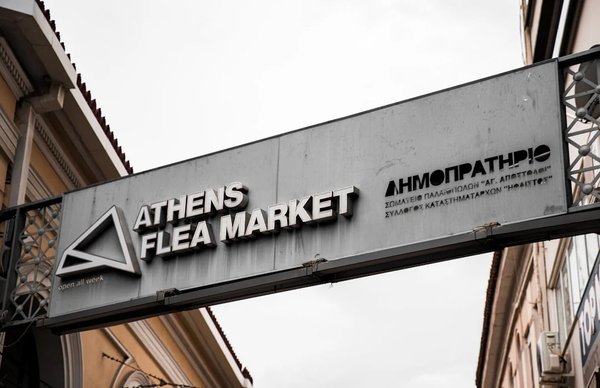
Avissinias Flea Market