10 Experiences in Lisbon
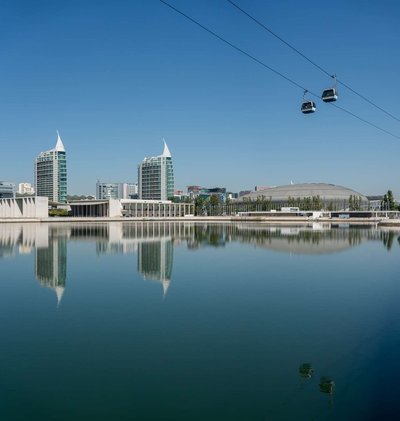
Lisbon occupies a rare position among European capitals: a city that never industrialized its historic core, leaving intact a layered urban fabric stretching from the Moorish alcáçova of the 8th century to the Pombaline grid rebuilt after the earthquake. The result is a place where medieval alleyways in Alfama coexist with rationalist plazas in Baixa, and where a ride on Tram 28 covers eight centuries of architecture in forty minutes.
The Portuguese capital sits on the north bank of the Tagus estuary, spread across seven hills that produce both the city's famous miradouros and its equally famous calf-burning calçada cobblestones. Lisbon's Atlantic latitude gives it more annual sunshine than Rome or Barcelona, plus a food culture built on bacalhau, custard pastry, and the underrated wines of the surrounding Estremadura region.
Beyond the postcard scenes, Lisbon rewards slow exploration: the azulejo-clad façades of Mouraria, the avant-garde galleries of Marvila, the fishermen still hauling nets in Cais do Sodré at dawn. This guide maps ten experiences that together capture both the monumental and the intimate sides of a city that feels simultaneously ancient and restlessly contemporary.
Top Things to Do in Lisbon
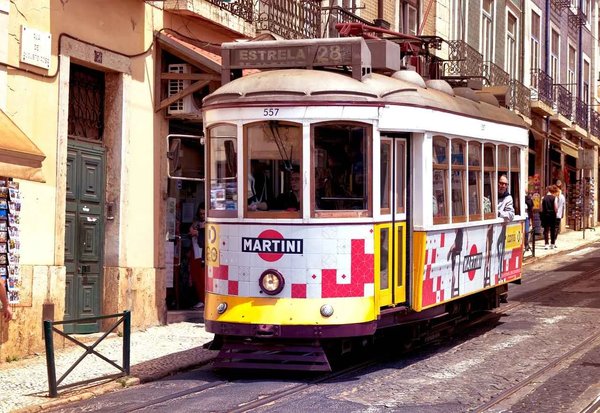
Tram 28
A Rattling Ride Through Eight Centuries of Architecture
What makes the ride remarkable is the physical relationship between tram and city. In Alfama the tracks pass so close to buildings that passengers can almost touch laundry lines overhead; on the Calçada de São Vicente the gradient reaches 13.5%, steep enough that the tram's electric motor audibly strains. The full circuit takes roughly 40 minutes if there are no delays, though gridlock at the Sé Cathedral stop is common. For the best experience, board at the Martim Moniz terminus before — by mid-morning the queue can stretch 30 minutes. A reusable Viva Viagem card drops the fare from the onboard cash price of 3.00 EUR to 1.65 EUR, and the 24-hour Carris/Metro pass (6.80 EUR) covers unlimited rides. Sit on the left side heading south for the best river views through Alfama.
Miradouro da Senhora do Monte
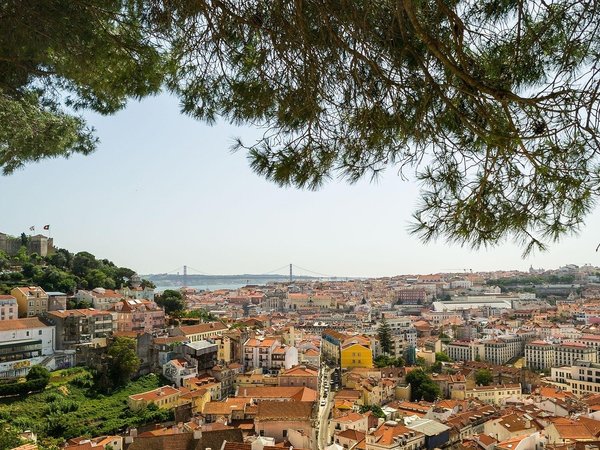
The Highest Panorama in Lisbon's Historic Centre
The site's name comes from a small chapel dedicated to Nossa Senhora do Monte, built in to replace an earlier hermitage destroyed in the earthquake. A stone chair beside the chapel is locally known as the Cadeira da Graça and is said to help pregnant women through a safe delivery — you will often see visitors sitting in it for luck. The miradouro sits in the residential heart of the Graça neighbourhood, far enough from the tourist corridor that even in summer it rarely fills up. The most rewarding time to visit is the final hour before sunset, when the western light turns the city's terracotta rooftops a deep amber. Reach it via Tram 28 (stop at Graça) followed by a five-minute uphill walk along Rua da Senhora do Monte, or take the 734 bus directly to the top.
Jerónimos Monastery
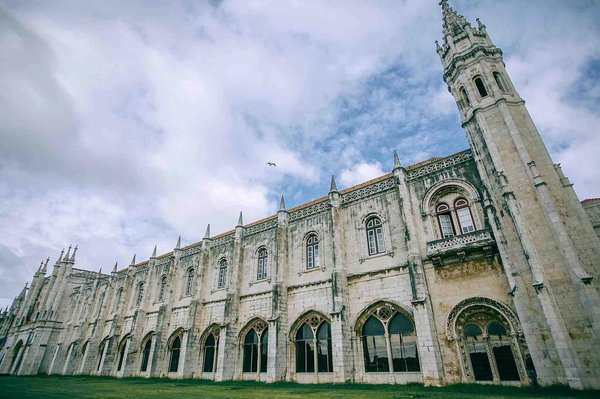
The Manueline Masterpiece That Financed an Empire
Inside, the nave rises to a remarkable net vault spanning 25 metres without central pillars, an engineering feat for . The tombs of Vasco da Gama and the poet Luís de Camões occupy the lower choir, their cenotaphs placed on stone elephants symbolising the East. The two-storey cloister is arguably the finest in Portugal: its arcades frame a garden courtyard with lemon trees and box hedges, while the upper gallery provides framed views of the Tagus. UNESCO inscribed the monastery in . Visit on a weekday morning to avoid coach-tour crowds, and consider the combined ticket (12 EUR) that includes the adjacent Archaeological Museum.
Alfama
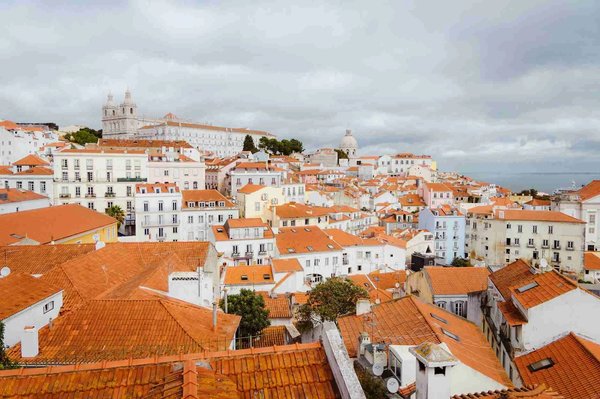
Lisbon's Moorish Quarter, Unchanged Since Before the Earthquake
The best way to explore Alfama is to start at the top — the terrace of the Castle of São Jorge — and let gravity guide you downhill. Along the way you will pass the Sé de Lisboa, a fortified Romanesque cathedral begun in , the year Afonso Henriques took the city from the Moors; the Museu do Fado on Largo do Chafariz de Dentro, which documents the genre from its 19th-century origins in these very streets; and dozens of tascas (taverns) where lunch means grilled sardines, a salad, and a glass of house wine for under 10 EUR. On Tuesday and Saturday mornings the Feira da Ladra flea market spreads across Campo de Santa Clara, selling everything from antique azulejos to vintage postcards. Bring shoes with good grip — the calçada stones are polished smooth and treacherous when wet.
Time Out Market
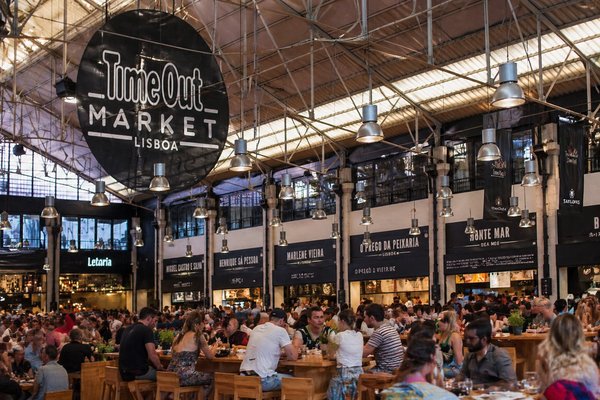
Lisbon's Best Chefs Under One Iron-and-Glass Roof
The Mercado da Ribeira itself dates to , and the eastern half still functions as a traditional morning market where Lisbon's cooks shop for fish, fruit, and flowers from . Visiting both halves in one trip provides a useful contrast between contemporary Lisbon and the city's enduring market culture. The food hall is busiest between and ; arriving at or after means shorter queues and easier seating. Most dishes fall between 8 and 18 EUR, making it competitive with mid-range restaurants. The market sits directly above Cais do Sodré metro and train station, which also serves trains to the Cascais coast.
Belém Tower
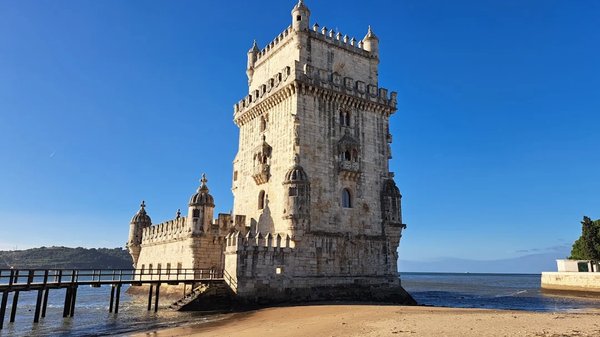
The Fortified Lighthouse That Launched the Age of Exploration
The tower is compact: the bastion level held cannon platforms (still visible), while the four upper floors contained storage rooms, a chapel, and the governor's quarters. The rooftop terrace provides an unobstructed view west along the Tagus toward the Atlantic and east toward the Ponte 25 de Abril. UNESCO inscribed the tower alongside the Jerónimos Monastery in . Queues can exceed an hour in summer — buying a combined ticket online with the monastery saves both money and waiting time. The interior staircase is narrow and steep with one-way traffic, so the visit moves quickly once you enter. Budget 30-45 minutes inside, then walk along the riverfront promenade to the Monument to the Discoveries, a seven-minute stroll east.
LX Factory
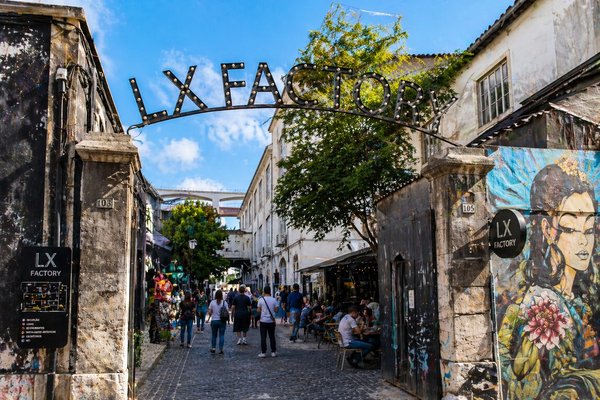
Industrial Ruins Turned Creative Quarter
The anchor tenant is Ler Devagar (Read Slowly), a bookshop occupying a former printing press warehouse where a full-sized bicycle is suspended from the ceiling and the shelves rise three storeys high — it regularly appears on lists of the world's most beautiful bookstores. Surrounding it are concept stores selling Portuguese ceramics, cork goods, and small-batch cosmetics, plus a rotating schedule of Sunday markets, live music, and exhibition openings. For food, Landeau Chocolate serves what many consider Lisbon's best chocolate cake, while 1300 Taberna offers creative Portuguese dishes in a converted warehouse. The complex is open daily, though individual shops typically open around . Arrive on a weekday to browse in peace; weekends draw large crowds, especially during the monthly flea market.
Tagus River Sunset Cruise

Lisbon's Skyline From the Water at Golden Hour
The standard cruise lasts 1.5 to 2 hours and typically includes a glass of Portuguese wine or a gin and tonic. Smaller sailboat operators (6-12 passengers) offer a quieter, more intimate experience than the larger catamarans, and some allow you to help with the sails. The Tagus is an estuary, so the water is calm and seasickness is rarely an issue. The best light for photography falls between 45 minutes before sunset and 15 minutes after. Booking a day in advance is usually sufficient outside of July and August, when weekend sailings can sell out a week ahead. Dress in layers — temperature on the water drops noticeably once the sun dips below the bridge.
National Tile Museum
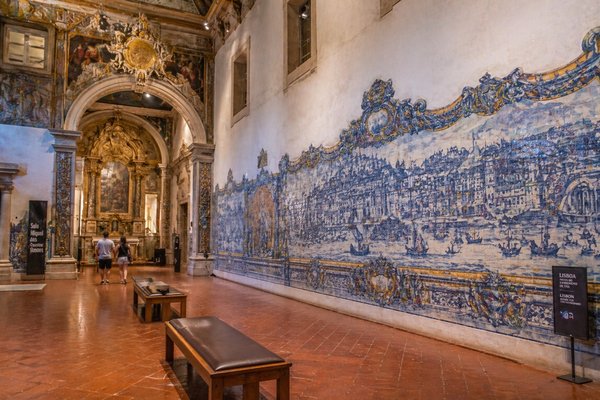
Five Centuries of Azulejo Art Inside a Convent
The convent itself is part of the experience. The Church of Madre de Deus, accessible through the museum, is one of Lisbon's most lavishly decorated interiors: floor-to-ceiling gilded woodwork, Dutch tile panels imported in the 17th century, and Baroque paintings covering every surface. The cloister garden provides a calm counterpoint, with a café serving coffee and pastéis de nata beneath orange trees. The museum sits in the Xabregas neighbourhood, a 15-minute bus ride east of Santa Apolónia station (bus 718 or 742), placing it outside the usual tourist circuit — which means short queues even in high season. Allow 90 minutes to two hours for a thorough visit.
Gulbenkian Garden
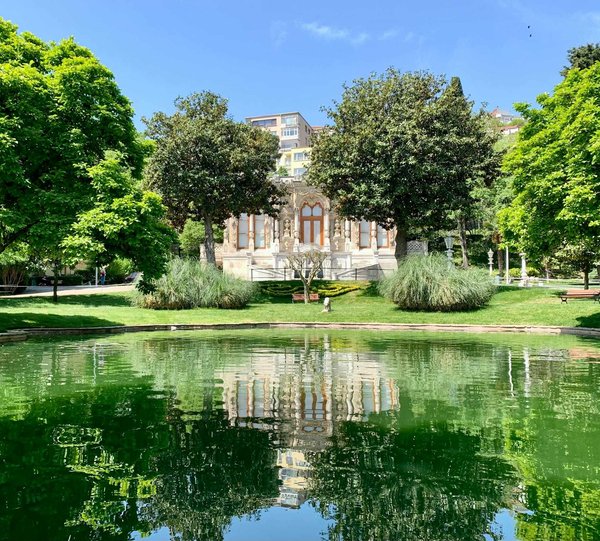
A Modernist Landscape Hiding One of Europe's Finest Private Collections
The garden covers 7.5 hectares — large enough to absorb crowds — and is one of the few green spaces in central Lisbon where you can sit on grass rather than a bench. Birdwatchers appreciate the resident population of moorhens, coots, and Eurasian jays around the lake. The garden is free and makes an excellent interlude between visits to the two on-site museums: the Founder's Collection, spanning Egyptian antiquities to French Impressionism (the Lalique jewellery collection alone is worth the visit), and the Modern Collection, focused on 20th-century Portuguese art. Combined museum entry is 10 EUR, but the garden itself costs nothing and is open daily. The café terrace overlooking the lake is one of the most pleasant lunch spots in the city.
Recommended Itineraries in Lisbon
Historic Lisbon: Alfama to Baixa
Afternoon — Cross into Baixa along Rua Augusta, passing through the triumphal arch to Terreiro do Paço, the grand waterfront square rebuilt after 1755. Walk up Rua do Carmo to the Carmo Convent, whose roofless nave — left unrepaired since the earthquake — is the most powerful reminder of the disaster. Continue into Chiado for coffee at A Brasileira beside the bronze statue of poet Fernando Pessoa.
Evening — Return to Alfama for dinner at a traditional tasca (try grilled sardines and vinho verde), then seek out a live Fado session at a venue on Rua dos Remédios or Rua da Bica de Duarte Belo.
Belém: Monuments, Pastry, and the River
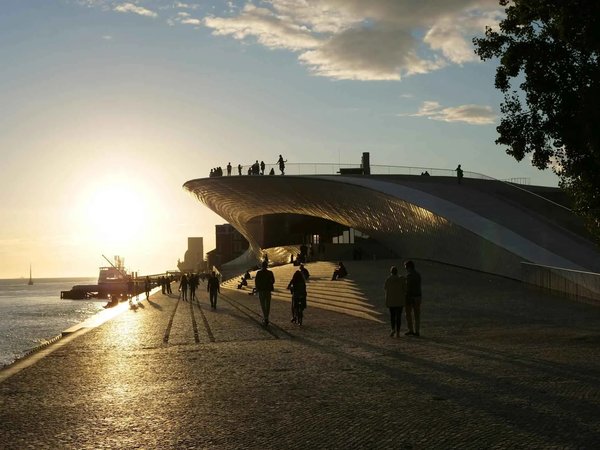
Afternoon — Walk west along the riverfront to the Monument to the Discoveries, climb its rooftop for a compass-rose view, then continue to Belém Tower. If you have the combined ticket, the queue moves fast. Afterward, visit the MAAT museum or the Coach Museum depending on your interests — both are within a five-minute walk.
Evening — Catch a sunset from the Belém waterfront, watching container ships pass through the Tagus narrows, then take the tram back to Cais do Sodré for dinner at the Time Out Market or along Rua Nova do Carvalho.
Modern Lisbon: Parque das Nações and Marvila
Afternoon — Head south by bus or taxi to the Marvila neighbourhood, Lisbon's emerging gallery district. Visit Underdogs Gallery for street-art-rooted contemporary work, then explore the converted warehouse spaces along Rua do Açúcar. Several craft breweries have opened in the area, including Dois Corvos and Lince, both serving flights and light food.
Evening — Finish at the National Tile Museum in nearby Xabregas (open until 6:00 PM), then return toward the centre for dinner in Santa Apolónia, where riverfront restaurants offer views across to the south bank.
When to Visit
Spring and Autumn: The Best Months for Lisbon
Lisbon has a Mediterranean climate moderated by the Atlantic, with warm dry summers and mild wet winters. Spring (March to May) and autumn (September to October) offer the best balance of pleasant temperatures, manageable crowds, and lower accommodation prices. Summer brings peak heat and tourist numbers, while winter is mild by European standards but sees frequent rain.
Peak Season
June through August brings the driest weather, longest days, and the famous Santos Populares street festivals, but also the highest prices and densest crowds.
Shoulder Season
March to May and September to October deliver warm days, moderate visitor numbers, and the best value for quality — widely considered the ideal window for first-time visitors.
Low Season
November to February offers the lowest hotel rates and empty museums, though expect an average of 7-8 rainy days per month and shorter daylight hours.
Compare Destinations
Tips for Visiting Lisbon
Local Experiences in Lisbon
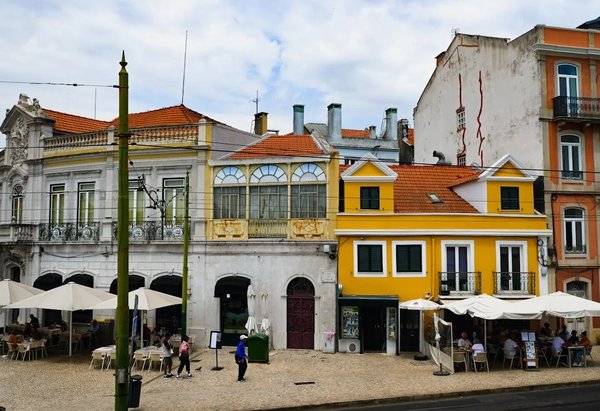
Discover Local Markets
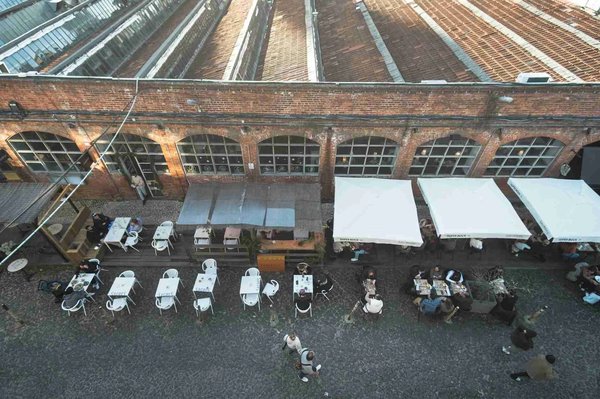
Explore LX Factory