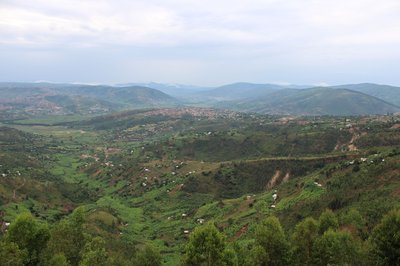
Trekking in Volcanoes National Park in Rwanda with views of green slopes

Top 10 Emerging Destinations in Africa to Discover This Year

Top 10 emerging destinations in Africa to discover this year: compact itineraries across cities, archipelagos, and parks, with 10 selected stops and intra-African flights between 1 and 6 hours.

Top List

Updated on · 12 min read

This ranking is designed for travelers building an Africa trip that combines coastal cities, islands, and parks across 10 curated stops. You can plan a 7-, 10-, or 14-day itinerary alternating cultural heritage and nature, integrating 1–2 internal legs of 300–1,500 km to optimize time and costs. We recommend booking at least 30–45 days in advance to secure lodging within 4 km of the center or main port, reducing urban transfers to 10–20 minutes.

The list is ordered by growth potential and value for money, not by geographic proximity. It’s best to use well-connected hubs like Nairobi (NBO), Addis Ababa (ADD), and Johannesburg (JNB), which offer quick connections with layovers of 60–120 minutes. To combine two island destinations, we factor in 1 ferry per day or 3 flights per week; between two capitals, we estimate 2–3 daily flights. Dedicating 2–6 days per destination allows 4–6 activities with transfers under 90 minutes.

The best period varies: along the Indian Ocean we suggest months with air temperatures of 26–30°C and limited rainfall, while on the East African highlands you’ll find highs of 22–25°C and nights at 12–16°C. For trekking and safaris, target dry months with estimated visibility over 10 km and average wind under 20 km/h; for the sea, tide and underwater visibility over 15 m help snorkeling and diving.

How we built the ranking

  • Accessibility: new connections, flights per week, and average airport–center transfer times
  • On-site costs: average prices for entries, local transport, and guided activities for international visitors
  • Lodging capacity: recent openings and availability within 4 km of ports or historic centers
  • Sustainability and protection: active protected areas, visitor/day limits, and flow impact

The ranking

The interactive map loads once you accept cookies: map data comes from OpenFreeMap (OpenStreetMap) servers.

Manage cookie preferences
1
Trekking in Volcanoes National Park in Rwanda with views of green slopes

Kigali and Volcanoes National Park (Rwanda)

4 days €160/day adventure

Growth in regional connections and structured permit management enhance quality and access while preserving unique experiences with daily visitor limits.

It’s the right time for Volcanoes National Park thanks to improved infrastructure between Kigali and Musanze. Gorilla trekking departs at 7:00 from the Kinigi HQ, with a permit at FRw1,950,000. In Kigali, the Kigali Genocide Memorial is open 9:00–17:00 with last entry at 16:00 (recommended donation). The Kigali–Musanze transfer is 116 km, about 2h30 via RN4. For a more accessible activity, the golden monkey permit costs FRw130,000. We recommend basing in Musanze for 2 nights and 1 night in Kigali near the Inema Arts Center, keeping transfers under 20 minutes.

  • Kigali–Musanze transfer: 116 km in 2h30 on RN4
  • Gorilla trekking briefing at Kinigi at 7:00
  • Gorilla permit: FRw1,950,000
  • Golden monkey permit: FRw130,000
  • Memorial open 9:00–17:00, last entry 16:00
Read the Kigali and Volcanoes National Park (Rwanda) guide
2
Volcanic beach and palm trees on São Tomé Island at sunset

São Tomé Island (São Tomé and Príncipe)

5 days €95/day slow travel

E-visa and new facilities in converted roças improve access while preserving authenticity and competitive local costs compared with better-known archipelagos.

The island offers historic roças, primary forest, and volcanic beaches with still-manageable visitor flows. From TMS Airport to downtown is 6 km (10–15 minutes). A tasting lunch at Roça São João costs Db300. Guided outings to Pico Cão Grande depart at 8:00 with a local guide, Db250. At dawn you can observe nesting at Praia Jalé between 5:00 and 7:00 with a community contribution of Db100. Renting a car for 24 hours lets you explore 120 km of coastline independently, keeping daily transfers within 90 minutes.

  • TMS–downtown: 6 km in 10–15 minutes
  • Tasting at Roça São João: Db300
  • Guide to Pico Cão Grande at 8:00: Db250
  • Community contribution at Praia Jalé: Db100
  • North–south coastline driveability: 120 km in a day
Read the São Tomé Island (São Tomé and Príncipe) guide
3
Traditional boats at Nosy Be with turquoise sea and lush vegetation

Nosy Be and Lokobe (Madagascar)

5 days €80/day nature

New boutique stays and reliable internal links support balanced growth, with activity costs lower than comparable ocean destinations.

A perfect base for snorkeling and lemurs, Nosy Be connects to Lokobe by traditional pirogue. Entry to the reserve costs Ar55,000 and the round-trip pirogue Ar25,000. The domestic flight TNR–NOS lasts 1h45, allowing you to land and reach the beach within 60 minutes. Scooter rental at Ar60,000 to explore 40 km of coastline in half a day. Boat trips to the Mitsio archipelago depart at 8:30 and return at 16:30. Local lodgings along Ambatoloaka offer direct access to the pier, reducing walking transfers to under 500 m.

  • Entry to Lokobe: Ar55,000
  • Round-trip pirogue: Ar25,000
  • Flight TNR–NOS: 1h45
  • Scooter rental: Ar60,000
  • Mitsio outings 8:30–16:30 from Ambatoloaka pier
Read the Nosy Be and Lokobe (Madagascar) guide
4
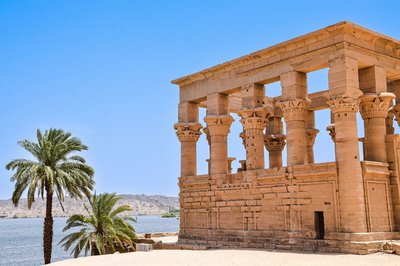
Felucca on the Nile in Aswan with granite islands in the background

Aswan

3 days €70/day culture

Upgraded piers and managed hours at Philae improve the experience versus other busier Nile cities.

In Upper Nubia, Aswan blends temples and Nile navigation with straightforward logistics. The Temple of Philae is open 7:00–17:00; ticket E£300 and round-trip boat E£200. A sunset felucca lasts 60 minutes with departures between 16:30 and 17:30 (negotiate at the quay). Abu Simbel is 280 km across the desert, 3h30 with a 4:00 departure to arrive before the groups. The Nubian Museum organizes 90-minute visits. Base yourself on the Corniche to walk between piers and restaurants in 10–15 minutes.

  • Philae 7:00–17:00, entry: E£300
  • Round-trip boat to Philae: E£200
  • Felucca 60 minutes at sunset (16:30–17:30)
  • Aswan–Abu Simbel: 280 km in 3h30
  • Visit the Nubian Museum: 90 minutes
Read the Aswan guide
5
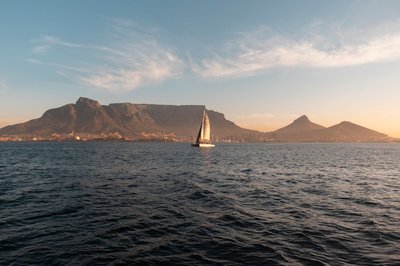
View of Table Mountain from Camps Bay with ocean and Cape Town skyline

Cape Town

4 days R1,700/day couples

Increased seasonal air capacity and competitive rand fares multiply outdoor urban experiences with contained transfer times.

The combination of ocean and Table Mountain with favorable rand costs boosts Cape Town. The Table Mountain cableway round-trip costs R420 with the first run at 8:00 in summer. The V&A Food Market opens 10:00–18:00, useful for a break between the waterfront and cruises. The Kirstenbosch National Botanical Garden requires R220 and a 90–120 minute visit. The Sea Point Promenade runs for 11 km, perfect at sunset with bike rentals near the Pavilion. Base yourself in Green Point to reach all stops in 15–20 minutes.

  • Table Mountain cableway round-trip: R420
  • First summer run at 8:00
  • Kirstenbosch entry: R220 (90–120 minutes)
  • V&A Food Market 10:00–18:00
  • Sea Point Promenade: 11 km
Read the Cape Town guide
6
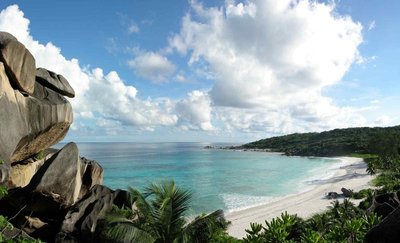
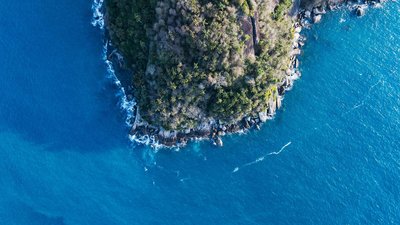
Granitic beach in the Seychelles with turquoise water and palms

Seychelles

6 days €140/day islands

More flexible inter-island packages and transparent local transport prices make the archipelago more accessible in shoulder months.

An archipelago growing outside the peak season thanks to reliable links between Mahé, Praslin, and La Digue. The Vallée de Mai costs ₨350 and takes 90 minutes. The Cat Cocos ferry Mahé–Praslin covers the route in about 1 hour; a bike on La Digue rents for ₨150 to explore 7–10 km of quiet roads. The public bus has a flat fare of ₨12, useful for reaching Anse Intendance or Beau Vallon. We recommend basing in Baie Sainte Anne for quick connections between ferry and buses within a 15-minute walk.

  • Entry to Vallée de Mai: ₨350
  • Mahé–Praslin ferry: ~1 hour
  • Bike rental on La Digue: ₨150
  • Public bus fare: ₨12
  • Local road network: 7–10 km on La Digue
Read the Seychelles guide
7
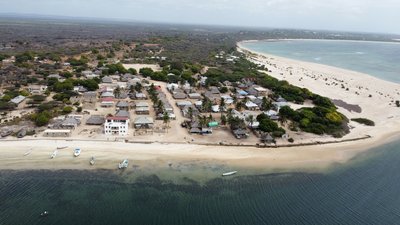
Traditional sailing dhow off Lamu Island at sunset

Lamu Island (Kenya)

3 days €75/day culture

A growing boutique offering and punctual boat services encourage measured tourism, with activity costs below more commercial coastal spots.

Swahili heritage with a relaxed vibe and new dispersed stays. A sunset dhow costs KSh4,000 per boat, 60–90 minutes. The Manda–Lamu boat transfer lasts 10 minutes and costs KSh200. A guided 2-hour tour of the Old Town helps you orient among alleys and courtyards, KSh2,000. The Lamu Museum is a 45–60 minute stop, useful to understand building styles. Staying in Shela lets you reach Shela Beach on foot in 15 minutes and return by boat when the tide rises.

  • Dhow sunset 60–90 minutes: KSh4,000
  • Manda–Lamu: 10 minutes, KSh200
  • Old Town walking tour 2 hours: KSh2,000
  • Lamu Museum: 45–60 minutes
  • Shela–Shela Beach: 15 minutes on foot
Read the Lamu Island (Kenya) guide
8
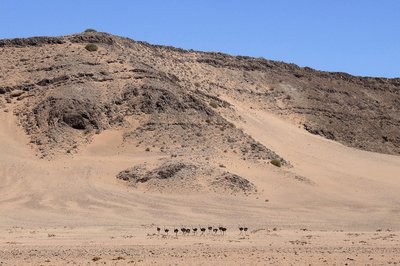
Dunes and rock formations in Namibia’s desert under a clear sky

Damaraland and Skeleton Coast (Namibia)

4 days €110/day adventure

Road improvements and signage at UNESCO sites open the area to independent travelers while keeping visitor density low.

Lunar landscapes, desert wildlife, and rock engravings with roads now better maintained. The Twyfelfontein engravings cost N$100 per person (guided visit 60 minutes). The Petrified Forest requires N$50 and 45 minutes. The C39 between Uis and Khorixas is 160 km of manageable gravel with a 4x4; base rental N$1,200 per day. From Terrace Bay, plan morning outings on the dunes with return by 13:00 to avoid winds. It’s best to base in Twyfelfontein to reduce transfers to 30–60 minutes.

  • Entry to Twyfelfontein: N$100
  • Petrified Forest: N$50
  • C39 Uis–Khorixas: 160 km of gravel
  • 4x4 rental: N$1,200/day
  • Dune outings with return by 13:00
Read the Damaraland and Skeleton Coast (Namibia) guide
9
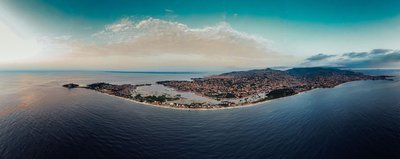
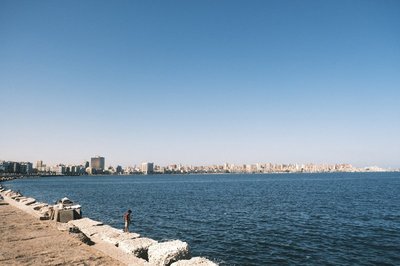
Alexandria Corniche with sea and historic buildings at sunset

Alexandria

2 days €55/day culture

A revitalized waterfront and fast rail access from Cairo create a coastal urban alternative still little frequented by organized tours.

A port city with renewed interest in the waterfront and historic libraries. The Citadel of Qaitbay costs E£60 and can be visited in 45–60 minutes. The Bibliotheca Alexandrina requires E£70 and includes 60-minute guided tours departing at fixed times. From Cairo it’s 208 km, about 2h40 by express train arriving at Misr station. The Stanley Bridge is 400 m, a practical spot for evening walks. We recommend lodging between Raml Station and the Corniche to walk within 15 minutes among the main coastal attractions.

  • Qaitbay: E£60, 45–60 minutes
  • Bibliotheca Alexandrina: E£70, 60-minute tour
  • Cairo–Alexandria: 208 km in 2h40
  • Stanley Bridge: 400 m
  • Raml Station area: walkable transfers within 15 minutes
Read the Alexandria guide
10
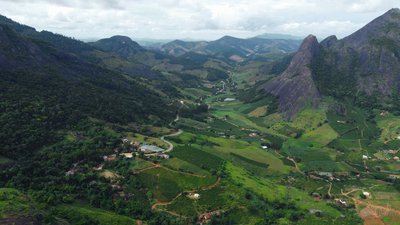
Terraced valley in Santo Antão with trails and traditional houses

Santo Antão (Cape Verde)

3 days €65/day trekking

A marked trail network and stable maritime links attract hikers, while keeping local costs below other Atlantic islands.

A hiking island with green valleys and farming villages. The Mindelo–Porto Novo ferry costs CV$800 and lasts about 1 hour. The aluguer to Ponta do Sol costs CV$300 and takes 40–50 minutes. The Cova–Paul trek measures 16 km (5–6 hours) with compact elevation gain and return by local minibus from the valley floor. A double room in a guesthouse costs CV$3,500. It’s best to base between Ribeira Grande and Ponta do Sol to access trails in 10–20 minutes, avoiding long transfers on paved roads.

  • Mindelo–Porto Novo ferry: CV$800, ~1 hour
  • Aluguer to Ponta do Sol: CV$300, 40–50 minutes
  • Cova–Paul trek: 16 km (5–6 hours)
  • Double room in guesthouse: CV$3,500
  • Trail access: 10–20 minutes from base
Read the Santo Antão (Cape Verde) guide

Frequently Asked Questions

How many days are needed to cover 3–4 destinations from this Top 10?

For 3–4 destinations we recommend 10–12 days, with 2–4 days for each destination and 1 day overall for transfers. An efficient example: Cape Town (4 days), Aswan (3 days), Seychelles – Mahé/Praslin (3–4 days). Plan intra-African flights in the morning between 8:00 and 11:00 to reduce delays and allow afternoon check-ins. For itineraries that include trekking (Santo Antão) and parks with permits (Volcanoes National Park), keep a buffer day between intense activities. Airport–center transfers under 20 km let you use the first evening for a 60–90 minute orientation walking tour.

What’s the average cost of a trip to these emerging destinations?

Costs vary by country. A cultural profile in Egypt in Aswan requires about E£1,200 per day across meals, entries, and taxis. In archipelagos like the Seychelles, between ferries and lodging, it rises to about ₨2,300 per day. A Namibia self-drive with a 4x4 and site entries entails around N$1,800 daily. Special activities can have a big impact: the gorilla permit in Rwanda costs FRw1,950,000 and must be booked weeks in advance. Booking 30–45 days ahead and choosing stays within 4 km of the center reduces transfers and extra costs.

When to go for favorable weather and calm seas?

For the Indian Ocean (Seychelles, Nosy Be), aim for months with calmer seas and underwater visibility over 15 m, air temperatures between 26–30°C, and reduced rainfall. On the East African highlands (Rwanda), highs are around 22–25°C, with cool nights between 12–16°C ideal for trekking. In Namibia’s desert zones, we prefer dry periods with marked diurnal range, but mornings under 20°C make outings more comfortable. For Atlantic archipelagos like Cape Verde, moderate winds allow trekking with average temperatures of 22–26°C along exposed ridges.

How to move between islands and cities while reducing downtime?

Use ferries and morning flights. In the Seychelles the Cat Cocos covers Mahé–Praslin in ~1 hour, with bus connections at ₨12 to beaches like Anse Intendance. In Cape Verde, the Mindelo–Porto Novo ferry costs CV$800 and takes about 60 minutes, with aluguer at CV$300 to reach Ponta do Sol. For land legs in Egypt, the Cairo–Alexandria train (208 km) covers the distance in 2h40, enabling daytime arrivals and afternoon check-ins. Plan airport–center transfers under 10–20 km to arrive between 9:00 and 12:00 and minimize urban traffic.

Are visas or special permits required?

It depends on the destination. In Rwanda, a gorilla permit is mandatory, cost FRw1,950,000, with briefing in Kinigi at 7:00. For Kenya, the standard tourist eVisa costs KSh7,400 and is requested online at least 72 hours before departure. For the Seychelles, short tourist stays receive an authorization on arrival upon presenting bookings and a return ticket. In Madagascar, the eVisa can be requested online and converted at the airport, simplifying entry to Nosy Be. Always check health requirements: some areas require malaria prophylaxis and a vaccination certificate where relevant.

How to estimate time for main visits and activities?

For museums and historical sites, plan 45–90 minutes: Qaitbay in Alexandria takes 45–60 minutes; Bibliotheca tour 60 minutes. For nature and trekking, allow half-days: Lokobe in Nosy Be needs 3–4 hours between pirogue and trail; the Cova–Paul in Santo Antão takes 5–6 hours for 16 km. Cable car ascents to Table Mountain are optimized by targeting the first 8:00 run during high-demand months. For boat outings in Lamu and the Seychelles, plan 60–90 minutes with return before 17:00, avoiding afternoon wind and rough seas.

How to optimize the budget without sacrificing key experiences?

Focus on high-value activities. In the Seychelles, use the public bus at ₨12 and rent bikes at ₨150 on La Digue to limit taxis and private transfers. In Namibia, buy site tickets on-site (Twyfelfontein N$100) and share a 4x4 (N$1,200 per day) to split costs. In Aswan, combining the boat to Philae (E£200) and a sunset felucca on separate days avoids overlap and allows better negotiations at the quay. Booking lodging within 4 km of the center reduces transport expenses and downtime, increasing the number of daily visits.