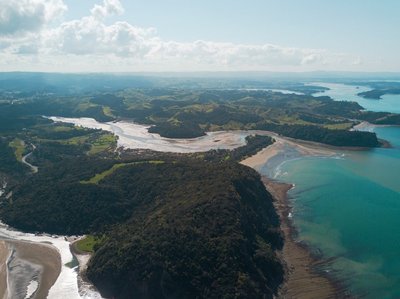
Where to Eat in Seoul: 10 Best Restaurants
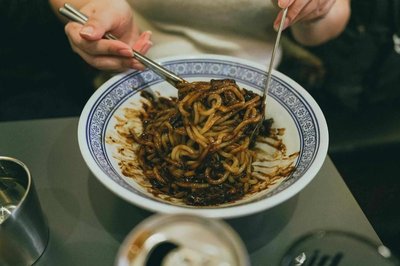
Bowl of jajangmyeon with chopsticks and spoon in a Seoul restaurant.
Written by travel experts
Regularly updated
Verified on-site

I have eaten my way through Seoul over multiple trips, and the city rewards the hungry like few places on earth. Within a single block you can move from a Gwangjang Market stall serving bindaetteok to a two-Michelin-star tasting room plating fermented jang in ways that would stun a Parisian chef. The range is staggering, and the price floor is low: a filling lunch of tteokbokki and gimbap can cost under 6,000 KRW.

Korean food is built on banchan — the constellation of small plates that arrive before every meal, free and endlessly refilled. These side dishes set the tone: pungent kimchi, sesame-dressed spinach, crunchy pickled radish. They teach you that Korean cooking values balance — salty against sweet, fermented against fresh, fiery gochugaru against cooling lettuce wraps. Once you understand banchan, the entire cuisine clicks into place.

This guide covers 10 eating experiences I recommend to every visitor, from a century-old ginseng-chicken soup shop near Gyeongbokgung Palace to an all-night fish market where you choose your crab and watch it become sashimi. Whether you have or , Seoul will feed you extraordinarily well.

Top Things to Do in Seoul

Jungsik Fine Dining
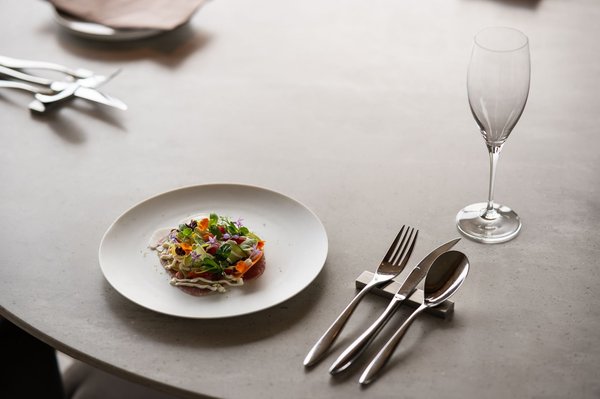
A minimalist fine-dining plate garnished with edible flowers, set beside polished cutlery and a champagne flute.

Two Michelin stars, one reimagined bibimbap

I reserved a table at Jungsik on my second Seoul trip, and the tasting menu rewired my understanding of Korean food. Chef Yim Jung-sik trained in New York and returned to Gangnam with a mission: apply French technique to Korean ingredients without losing their soul. The signature dish is a deconstructed bibimbap — gochujang foam, precisely seared vegetables, a runny egg yolk dropped tableside — that somehow tastes more Korean than the original. The room is sleek and minimal: pale wood, low lighting, servers who time courses to your conversation pace.

The wine list leans European but includes Korean craft soju pairings that match fermented flavors beautifully. Dinner runs across eight or nine courses. Portions are restrained but the cumulative effect is filling. I recommend the lunch tasting if budget matters — it runs roughly half the dinner price and includes many of the same dishes. Book at least ahead; same-day seats are essentially impossible on weekends. The restaurant opened in and earned its second Michelin star in , cementing its place as Seoul's most celebrated modern-Korean table.
11 Seolleung-ro 158-gil, Gangnam-gu, Seoul.
Lunch –, dinner –. Closed Sundays.
Lunch tasting from 90,000 KRW, dinner tasting from 150,000 KRW per person.

Gwangjang Market Street Food

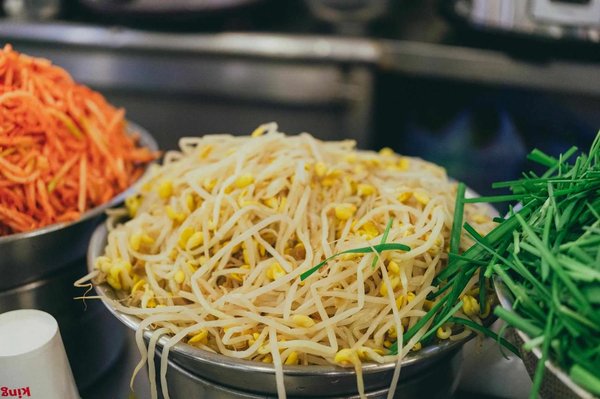
Bowls of bean sprouts, carrots, and fresh scallions at Gwangjang Market in Seoul.

Seoul's oldest market, founded in 1905

I always send first-time Seoul visitors to Gwangjang Market on their opening night. The market has operated since , and its food alley — a dense corridor of stalls under fluorescent light — is the most honest introduction to Korean street food you will find. Grab a plastic stool at any counter and point: bindaetteok (mung-bean pancakes fried until shattering-crisp), mayak gimbap (tiny sesame-oil rice rolls so addictive they are nicknamed "drug kimbap"), and yukhoe (hand-cut raw beef with pear and egg yolk, similar to tartare).

The trick is timing. Weekday lunchtimes, roughly to , pack every seat with office workers, so arrive either early or after . Weekend evenings are equally packed with tourists. Bring cash — most stalls do not take cards. Budget around 15,000–20,000 KRW for a filling crawl across three or four stalls. The adjacent textile section is worth a walk too: fabric vendors have traded here for over a century. After eating, cross to the second floor for vintage clothing stalls that few guidebooks mention.
88 Changgyeonggung-ro, Jongno-gu, Seoul.
Daily –. Food stalls busiest from .
Most dishes 3,000–8,000 KRW. Cash only at most stalls.

Mingles Modern Korean

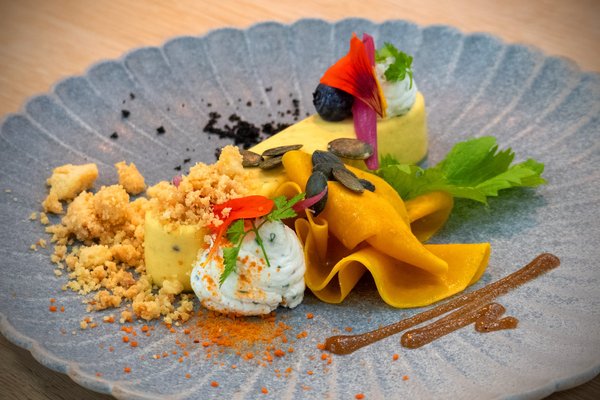
An avant-garde tasting course with mango ribbons, herb cream, crumble, and edible flowers artistically arranged on a scalloped plate.

Chef Kang's fermented-flavour tasting menu

If Jungsik modernizes Korean food with French polish, Mingles does it with Korean philosophy. Chef Kang Min-goo built the entire menu around jang — the trio of fermented soybean paste, chili paste, and soy sauce that underpin Korean cooking. His Jang Trio dessert course presents all three in sweet form: doenjang ice cream, gochujang caramel, ganjang brittle. It should not work. It absolutely does.

The restaurant sits in a quiet Gangnam side street, seating around 30 diners across an open kitchen counter and a handful of tables. I prefer the counter, where you can watch the team plate with surgical precision. The tasting menu runs and typically includes eight savory courses plus two desserts. Seasonal ingredients shift quarterly — spring brings wild garlic and green plum, autumn offers pine mushrooms and persimmon. Mingles earned its first Michelin star in and was ranked on Asia's 50 Best Restaurants list in . Reservations open in advance online and fill within hours for Friday and Saturday seatings. Lunch service offers a shorter menu at lower cost, and it is easier to book.
757 Seolleung-ro, Gangnam-gu, Seoul.
Lunch –, dinner –. Closed Mondays.
Tasting menu from 120,000 KRW per person.

Tosokchon Samgyetang

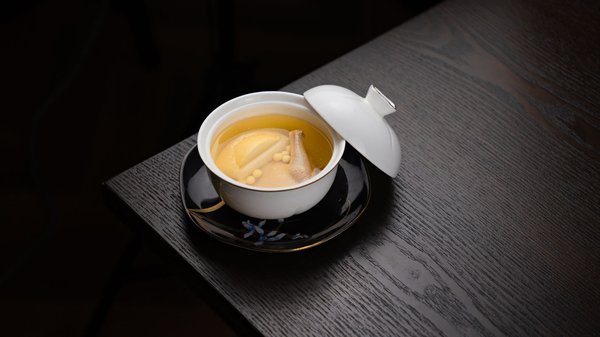
A whole chicken leg simmered in clear golden broth with ginseng and jujube in an elegant lidded bowl.

Ginseng chicken soup near Gyeongbokgung

On a freezing January afternoon, I waited in a line that wrapped around the block outside Tosokchon. Every person in that queue — mostly Korean, a good sign — was there for one dish: samgyetang, a whole young chicken stuffed with glutinous rice, ginseng root, jujubes, and garlic, simmered until the broth turns milky and golden. The restaurant occupies a sprawling hanok (traditional wooden house) just south of Gyeongbokgung Palace, so the setting matches the food's roots.

You sit on heated floors in low-ceilinged rooms, shoes off, and the stone pot arrives bubbling. The chicken falls apart at the touch of chopsticks. Season the broth with the salt-and-pepper dish provided — Koreans add it gradually, tasting as they go. Tosokchon opened in the and has served the same recipe since. The menu is short: regular samgyetang, black-chicken samgyetang, and a few side items. That focus is the point. I recommend visiting after the morning Gyeongbokgung guard-changing ceremony at , arriving by to beat the lunch rush. Prices are fair for the portion: a single bowl is a complete meal.
5 Jahamun-ro 5-gil, Jongno-gu, Seoul.
Daily –. Expect queues –.
Samgyetang from 16,000 KRW. Cash and cards accepted.

Korea House Dinner and Show

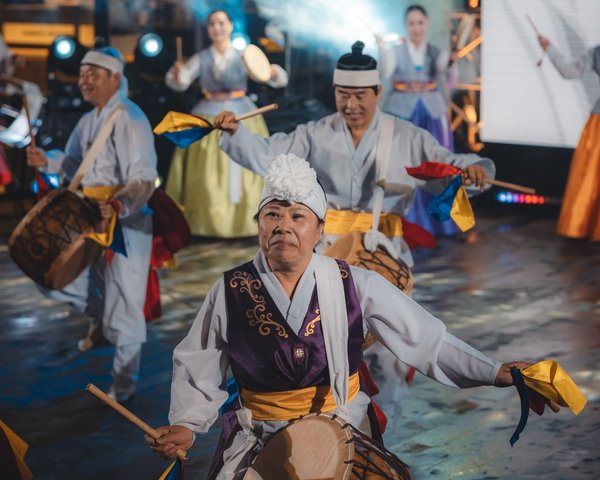
Traditional Korean drummers in hanbok performing a lively pungmul dance with colorful ribbons on stage.

Royal-style hanjeongsik with live performance

I went to Korea House skeptical — dinner-and-show venues often sacrifice food quality for spectacle. This one does not. The hanjeongsik (traditional multi-course banquet) arrives across a dozen small dishes: grilled fish, japchae noodles, jeon pancakes, steamed egg custard, seasonal namul greens, and rice cooked in a stone pot. Every dish follows recipes documented during the , adapted only slightly for modern palates. After dinner, a performance of traditional music and dance takes place in the adjacent hall — fan dances, drum sequences, and a pansori excerpt.

The building itself, located in Jung-gu near Chungmuro station, was designed to replicate upper-class Joseon architecture: wooden beams, paper-screen doors, courtyard gardens. Korea House is operated by the Korea Cultural Heritage Foundation, which means profits fund preservation rather than shareholders. Dinner seatings are at and ; the earlier slot lets you finish in time for the performance without rushing. Reservations are required — walk-ins are turned away on most evenings. It is the single best venue in Seoul for understanding royal Korean food in its intended context.
36 Samil-daero, Jung-gu, Seoul.
Dinner seatings at and . Performance at . Closed Mondays.
Dinner and show package from 60,000 KRW per person.

Mapo Galbi Korean BBQ

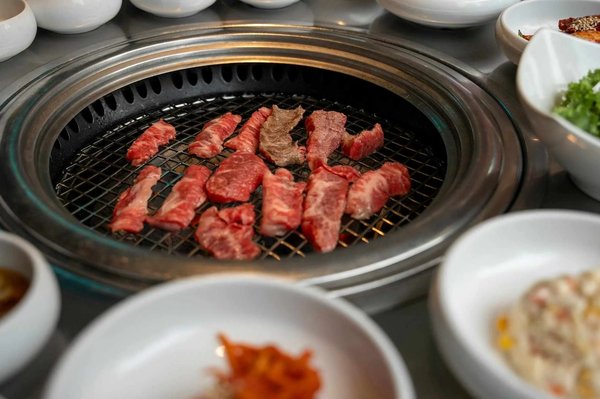
Grilled meat on a Korean barbecue with side dishes, iconic Mapo Galbi experience in Seoul.

Charcoal-grilled short ribs since 1976

Korean BBQ is best understood not at a chain but at a neighbourhood institution, and Mapo Galbi qualifies. Open since , this Mapo-gu stalwart specializes in yangnyeom galbi — beef short ribs marinated in soy, garlic, pear juice, and sesame oil, then grilled over real charcoal at your table. The marination is what separates Mapo Galbi from competitors: the pear tenderizes the meat and adds a faint sweetness that caramelizes into smoky edges on the grill.

Banchan here are above average — the kimchi is house-made, the pickled perilla leaves are peppery, and the raw garlic cloves are meant to be wrapped with meat in lettuce. I order two servings of galbi for two people and add a doenjang jjigae (soybean paste stew) to share. Total runs around 50,000–60,000 KRW for two, including rice and banchan. The restaurant fills from onward; arriving at usually secures a table without waiting. The interior is no-frills — metal tables, exhaust hoods, paper menus — and that is part of the charm. Staff will grill for you if you are unsure of timing, but most regulars handle the tongs themselves. It is loud, smoky, and deeply satisfying.
123 Mapo-daero, Mapo-gu, Seoul.
Daily –. Last order at .
Galbi portion around 25,000 KRW. Budget 50,000–60,000 KRW for two people.

Bukchon Son Mandu Dumplings

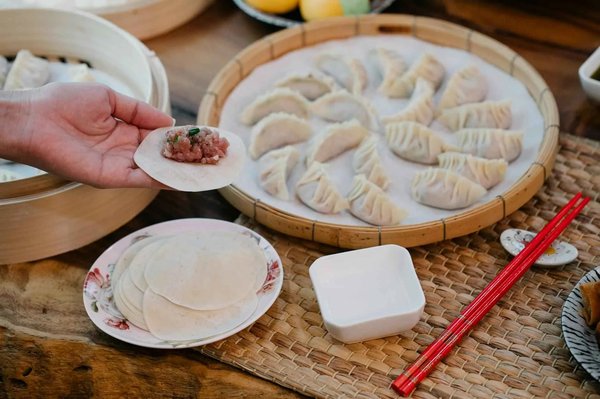
Handmade mandu preparation with meat filling at Bukchon Son Mandu, Seoul, on a traditional table.

Handmade mandu in a Bukchon side street

On the steep lane between Bukchon Hanok Village and Anguk station, a small shopfront with steaming bamboo baskets marks Bukchon Son Mandu. The menu fits on one page: steamed mandu, fried mandu, and mandu-guk (dumpling soup). That is all they do, and they do it impeccably. Each dumpling is folded by hand in the open kitchen — pork, tofu, glass noodles, and chives sealed into thin wheat wrappers. The steamed version is juicy and delicate; the fried version has a crackly golden shell.

I always order the combo plate: half steamed, half fried, with a bowl of mandu-guk on the side. The soup is particularly good in cooler months — a clean anchovy-and-kelp broth loaded with dumplings and egg ribbons. The restaurant seats maybe 20 people across shared tables, so expect to sit elbow-to-elbow during lunch. Arrive before or after for a calmer experience. Prices are remarkably low for the neighborhood: a full meal runs under 10,000 KRW. Combine a visit with a morning walk through Bukchon's tile-roofed hanok streets — the food is the perfect reward for the steep hills.
21 Bukchon-ro, Jongno-gu, Seoul.
Daily –. Closed irregularly — check before visiting.
Mandu plates from 7,000 KRW. Soup from 8,000 KRW.

Tongin Market Lunchbox

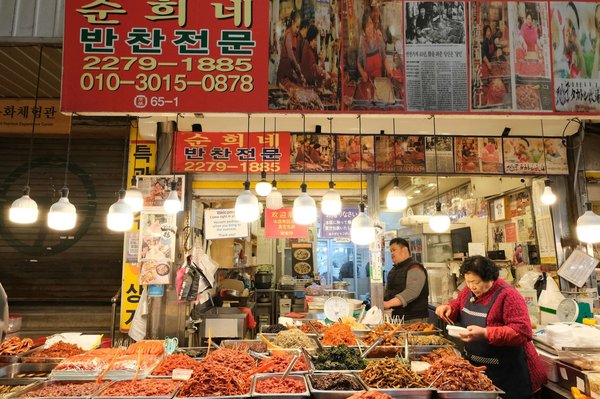
A traditional Korean banchan stall packed with metal trays of seasoned side dishes for filling a market lunchbox.

Build your own dosirak with brass coins

Tongin Market runs a system I have not seen anywhere else. At the entrance booth, you exchange 5,000 KRW for a set of old-fashioned brass coins and an empty lunch tray. Then you walk the market's aisles, spending coins at whichever stalls catch your eye: a coin for a square of crispy jeon (savory pancake), a coin for japchae, another for tteokbokki. You assemble your own dosirak (lunchbox) piece by piece, ending up with a personalized tray of eight to ten items.

The market dates to and sits a walk west of Gyeongbokgung Palace, making it an ideal lunch stop on a palace-district walking day. The coin system launched in and revived a market that was struggling against supermarket competition. Quality varies stall to stall — I always prioritize the ganjang gejang (soy-marinated crab) vendor and the grandmother selling hobakjeon (zucchini pancake). After filling your tray, carry it upstairs to the communal dining area on the second floor. The whole experience takes about and costs under 10,000 KRW including rice. It is one of the most fun, affordable lunches in Seoul.
18 Jahamun-ro 15-gil, Jongno-gu, Seoul.
Coin lunchbox service –. Market stalls open –. Closed Mondays.
Dosirak tray: 5,000 KRW (coins). Rice: 1,000 KRW extra.

O'sulloc Tea House in Insadong

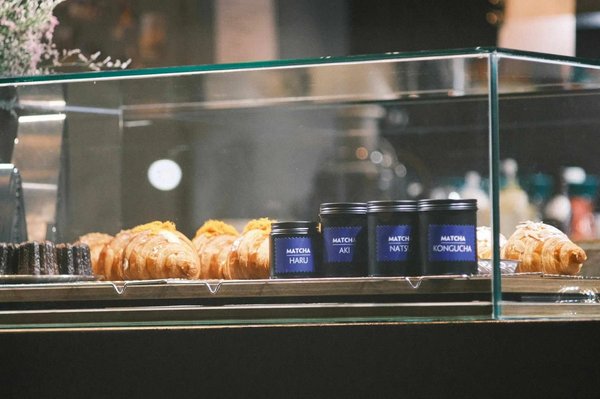
Display case with croissants, desserts, and matcha tea jars at O'sulloc Tea House in Seoul.

Jeju green tea and matcha desserts

After a morning of eating heavily — BBQ, dumplings, stews — I always need a lighter interlude, and O'sulloc Tea House on Insadong-gil is my default reset. O'sulloc grows its own green tea on Jeju Island and ships it fresh to this flagship café, where it becomes matcha lattes, hojicha affogatos, and a green-tea roll cake that sells out most afternoons. The interior is calm and modern: light wood, floor-to-ceiling windows, low ambient music.

The ground floor doubles as a tea shop stocking loose-leaf teas, teaware, and beautifully packaged gift sets — useful if you need souvenirs that are lightweight and distinctly Korean. The second floor café has better seating and a view over Insadong's pedestrian street. I order the Sejak green tea brewed in a proper ceramic pot: the first steep is grassy and bright, the second mellower. If you prefer cold drinks, the matcha soft-serve cone is excellent. Prices are mid-range for a specialty café — expect 7,000–12,000 KRW per drink. O'sulloc has multiple Seoul locations, but the Insadong branch opened in and remains the most atmospheric. No reservations needed; just walk in.
47 Insadong-gil, Jongno-gu, Seoul.
Daily –.
Drinks 7,000–12,000 KRW. Tea gift sets from 15,000 KRW.

Noryangjin Fish Market Feast

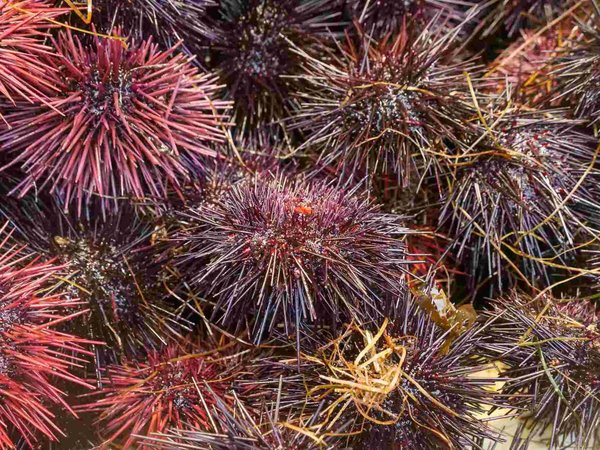
Fresh sea urchins at Noryangjin Fish Market in Seoul, ready for a seafood adventure.

Choose live seafood, eat it upstairs

The old Noryangjin Fish Market hall, operating since , moved into a modern building in , but the experience is unchanged: rows of vendors behind tanks of live octopus, king crab, abalone, sea squirt, and whatever the boats brought in that morning. You walk the aisles, negotiate a price, and carry your selection upstairs to a restaurant floor where cooks prepare it for a modest fee — typically 5,000–10,000 KRW per dish for sashimi slicing or grilling.

I like going with a small group so we can order a whole daege (snow crab, roughly 30,000–50,000 KRW depending on size) plus a plate of live octopus (sannakji) and a flatfish sashimi platter. The upstairs restaurants provide banchan, soy-wasabi dipping sauce, and soju by the bottle. The market runs , but the best selection is early morning when wholesale buyers are active, or evening when the retail crowd arrives. Late-night visits after have a surreal energy — fluorescent lights, soju toasts, and the freshest fish in the city. Subway access is convenient: Noryangjin station on Lines 1 and 9 exits directly to the market bridge.
674 Nodeul-ro, Dongjak-gu, Seoul.
Market open daily. Upstairs restaurants typically –.
Sashimi platter from 20,000 KRW. Whole crab 30,000–50,000 KRW. Cooking fee 5,000–10,000 KRW.

Recommended Itineraries in Seoul

Jongno-gu Food Walk

Morning — Start at Tongin Market around to build your brass-coin dosirak lunchbox. Eat on the second floor, then walk east through the Gyeongbokgung Palace district to Tosokchon for a mid-morning samgyetang if you skipped the lunchbox, or continue to Bukchon for dumplings at Bukchon Son Mandu.

Afternoon — Walk south through Bukchon Hanok Village to Insadong. Browse the antique shops and galleries, then pause at O'sulloc Tea House for matcha and a green-tea roll cake. Continue south to Gwangjang Market (a 15-minute walk or one subway stop) for bindaetteok and mayak gimbap.

Evening — End at Korea House in Jung-gu for a hanjeongsik banquet and traditional performance, or keep it casual with street food along the Cheonggyecheon stream path. Total walking distance: roughly 5 km.

Seoul Market Crawl

Morning — Begin at Mangwon Market in Mapo-gu, a local favourite less touristed than Gwangjang. Try the soboro bread (crumble-topped rolls) and fresh juice stalls. Walk the residential streets around the market to see everyday Seoul.

Afternoon — Take subway Line 6 to Tongin Market for the coin-lunchbox experience. After lunch, taxi or bus to Namdaemun Market, Seoul's largest traditional market (operating since ), for kalguksu (hand-cut noodle soup) at one of the basement noodle shops.

Evening — Finish at Gwangjang Market for yukhoe (beef tartare) and a bottle of makgeolli. The night stalls stay open until and the atmosphere after dark is electric. Three markets in one day covers the full spectrum of Seoul's food-market culture.

Hanok Dining and Traditional Flavours

Morning — Visit Gyeongbokgung Palace for the guard-changing ceremony, then walk to Tosokchon for samgyetang. The hanok setting — heated stone floors, low wooden tables — sets the tone for a day focused on traditional Korean food.

Afternoon — Explore Bukchon Hanok Village on foot, stopping at Bukchon Son Mandu for steamed dumplings. Continue to a traditional teahouse in the Samcheong-dong lane (try Suyeon Sanbang, a hanok tearoom serving omija and ssanghwa tea).

Evening — Reserve the seating at Korea House for a full hanjeongsik banquet followed by the traditional performance. This itinerary pairs Seoul's historic architecture with its oldest food traditions — no modern fusion, just centuries of flavour.

When to Visit

Best Months for Eating in Seoul

Seoul's food scene runs year-round, but spring and autumn offer the most comfortable conditions for market hopping and outdoor BBQ terraces. Summer monsoon season brings humidity but also cold naengmyeon noodle culture, while winter is prime season for steaming soups and hotpots.

Peak Season

April through May and September through October offer the best weather for walking between restaurants and exploring outdoor markets.

Shoulder Season

March and November bridge the extremes — fewer tourists, seasonal menus, and comfortable temperatures for market hopping.

Low Season

January and February are cold but uncrowded, with no waits at popular restaurants and lower hotel prices.

Tips for Visiting Seoul

I always judge a Korean restaurant by its banchan. If the kimchi tastes homemade and the refills come promptly, the main dishes will almost certainly be good. Banchan is free and unlimited — wave for more if a plate empties.
Chimaek — fried chicken paired with cold beer — is Seoul's unofficial evening ritual. I recommend Kyochon for soy-garlic glaze or any neighbourhood chicken shop with plastic tables and a wall-mounted TV showing baseball. Order a whole chicken (roughly 18,000 KRW) and a pitcher of Cass or Hite.
Seoul's themed cafés are fun for one visit: the sheep café in Hongdae, the raccoon café near Myeongdong. But for actually great coffee and pastry, I prefer the independent roasters in Yeonnam-dong and Seongsu-dong. Both neighbourhoods have a dozen excellent third-wave cafés within walking distance.

Local Experiences in Seoul

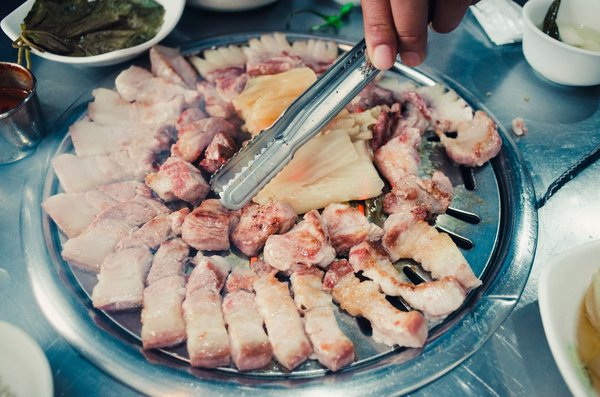
A hand uses tongs to turn pork belly slices and garlic on a domed Korean BBQ grill.

How Korean BBQ Actually Works

I see tourists freeze up at BBQ restaurants, unsure when to flip the meat or what to wrap it in. Here is the system: lay the marinated galbi or raw samgyeopsal (pork belly) on the grill, flip once when the edges brown (roughly per side), then cut with scissors into bite-sized strips. Place a strip on a lettuce or perilla leaf, add a smear of ssamjang (thick chili-soybean paste), a slice of raw garlic, and a piece of grilled kimchi. Fold and eat in one bite. Banchan refills are free — call out "banchan juseyo" if plates run low. Most BBQ restaurants serve until , and groups of four get the best tables.
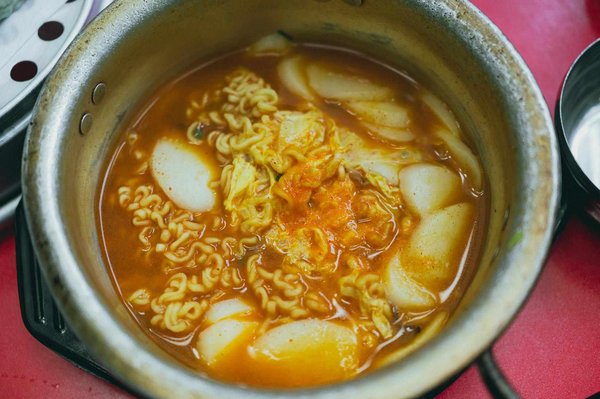
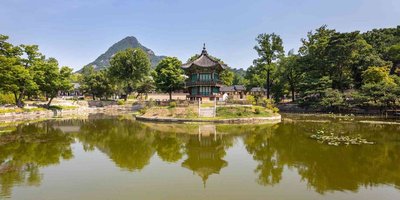
Pot of tteokbokki with ramen and spicy sauce at a street market in Seoul.

Street Tteokbokki Worth Stopping For
Tteokbokki — chewy rice cakes in a fiery-sweet gochujang sauce — is everywhere in Seoul, but quality varies wildly. I look for stalls where the sauce is thick and dark (meaning it has reduced properly) and the rice cakes are bouncy, not mushy. The best versions add odeng (fish cake skewers) and boiled eggs. A single plate costs 3,000–5,000 KRW. Myeongdong's main drag has reliable stalls, but the real finds are in residential markets like Mangwon and Sinwon, where ajummas (older women) cook the same recipe they have made for decades. Pair tteokbokki with a cup of free odeng broth — ladle it yourself from the pot on the counter.
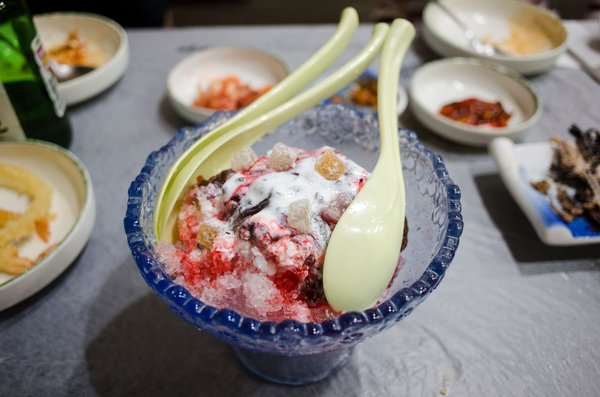
A bowl of patbingsu shaved ice topped with red bean, condensed milk, and rice cake, served with long spoons.

Patbingsu and Korean Dessert Cafés

After a spicy meal, I cool down with patbingsu — a mountain of finely shaved milk-ice topped with sweet red beans, mochi cubes, condensed milk, and fruit. The best versions use ice shaved so fine it resembles snow. Sulbing is the popular chain, but independent dessert cafés in Insadong and Samcheong-dong offer more inventive toppings: black sesame, injeolmi (roasted soybean powder), matcha. One bowl (8,000–14,000 KRW) easily feeds two people. Traditional Korean teahouses also serve excellent desserts: yakgwa (honey-fried cookies) and songpyeon (rice cakes filled with sesame or chestnut), usually paired with a pot of barley or corn tea.

Frequently Asked Questions about Seoul

What dishes should I eat first in Seoul?

I tell every first-timer to start with three things: <em>bibimbap</em> (mixed rice bowl with vegetables, meat, and gochujang), <em>samgyeopsal</em> (grilled pork belly at a BBQ restaurant), and <em>tteokbokki</em> from any street stall. These three dishes cover the core textures and flavours of Korean food — fermented, grilled, and spicy — and they cost under 30,000 KRW combined.

Where do I find the best street food?

I split my street-food time between <strong>Gwangjang Market</strong> for traditional bites (bindaetteok, yukhoe, mayak gimbap) and <strong>Myeongdong</strong> for the newer trend stalls (egg bread, tornado potatoes, mozzarella corn dogs). For a less touristy experience, <strong>Mangwon Market</strong> in Mapo-gu serves the same quality food at lower prices with almost no foreign visitors.

When are food markets liveliest?

I find markets peak between <time datetime="12:00">12:00</time> and <time datetime="14:00">14:00</time> on weekdays (office-worker lunch) and <time datetime="17:00">17:00</time> to <time datetime="21:00">21:00</time> on weekends. If I want atmosphere and energy, I go during peak hours. If I want a calmer experience and shorter queues, I aim for mid-afternoon around <time datetime="15:00">15:00</time>.

Can I eat vegetarian in Seoul?

I have managed it, but it requires planning. Many banchan contain shrimp paste or anchovy stock, and "vegetable" dishes sometimes include hidden meat. I recommend temple-food restaurants like <strong>Balwoo Gongyang</strong> (one Michelin star, fully vegan) or the Loving Hut chain. At regular restaurants, say "goggi ppaeju seyo" (remove the meat) and confirm ingredients with staff. Bibimbap without meat is widely available.

How does Korean BBQ work for beginners?

I was nervous my first time too. You sit at a table with a built-in grill, order your meat (galbi or samgyeopsal are easiest to start with), and cook it yourself. Staff usually start the grill and lay the first round of meat. Flip after <time datetime="PT2M">two minutes</time>, cut with the provided scissors, wrap in lettuce with ssamjang and garlic, eat in one bite. Banchan refills are free. Budget 25,000–35,000 KRW per person.

What Korean desserts should I try?

I always recommend <em>patbingsu</em> (shaved ice with red beans and mochi) as the essential Seoul dessert — it is refreshing and shareable. After that, try <em>hotteok</em> (sugar-filled pancakes from street stalls, best in winter), <em>bungeoppang</em> (fish-shaped pastries with red-bean filling), and <em>yakgwa</em> (honey-fried cookies served in traditional teahouses).

Do Seoul restaurants take credit cards?

I use my card at roughly 80 percent of restaurants in Seoul — Korea is one of the most cashless societies on earth. However, traditional market stalls and very small shops are cash-only. I carry 30,000–50,000 KRW in cash specifically for market visits and keep my card for everything else.

Where are the best hanok restaurants?

I have eaten at hanok restaurants in three neighbourhoods. <strong>Jongno-gu</strong> has the highest concentration — <strong>Tosokchon</strong> near Gyeongbokgung and several hanjeongsik restaurants along Samcheong-dong. <strong>Bukchon</strong> has smaller family-run spots. <strong>Insadong</strong> offers teahouse-style hanok dining. The settings are beautiful, but expect to sit on the floor — wear comfortable clothes.

What does a meal typically cost?

I budget roughly 7,000–10,000 KRW for street food or a market lunch, 15,000–25,000 KRW for a sit-down meal at a mid-range restaurant (BBQ, stew, noodles), and 80,000–150,000 KRW for a fine-dining tasting menu. Seoul is remarkably affordable for a major capital — I eat extremely well on 50,000 KRW per day when sticking to markets and local restaurants.

Can I take a Korean cooking class?

I did a half-day class at <strong>Food and Culture Academy</strong> near Jongno 3-ga, where we made kimchi, japchae, and bulgogi from scratch. Classes run 40,000–70,000 KRW and include eating everything you cook. <strong>O'ngo Food Communications</strong> and <strong>Seoul Kimchi Academy</strong> are also well-reviewed. I recommend booking a class early in your trip — learning the ingredients and techniques makes every restaurant meal afterward more interesting.