
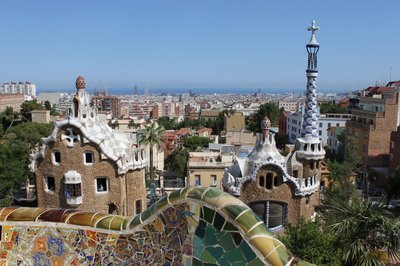
Barcelona
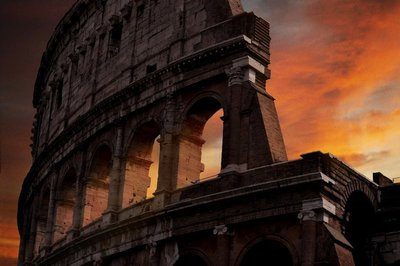
Rome
Many travelers compare Barcelona and Rome because both offer art cities on the Mediterranean with direct flights from across Europe, but with different characters: the modernist Eixample versus the lanes of Trastevere, urban beaches versus the Imperial Fora.The flight distance is short (about 1h55), so a combined trip is often considered.Key differences: in Barcelona you’ll find the Sagrada Família, Park Güell, and the sea 10–20 minutes by metro; in Rome the Colosseum, the Vatican Museums, and historic squares like Piazza Navona.On budget, a 3* room costs on average €100–150 in Barcelona and €90–140 in Rome in high season; urban transport costs €2.55 per ride in Barcelona and €1.50 in Rome.In this comparative guide you’ll find: daily costs with real ranges, tickets and times for major attractions, tips on food and authentic restaurants, best periods based on temperatures, how to get to/from the airports, nightlife, activities for families, shopping, safety, recommended days, and how to combine the two cities in a single itinerary with precise times and prices.
Barcelona vs Rome
| Feature | Barcelona | Rome |
|---|---|---|
| Daily budget | 3* lodging in Eixample or Gràcia: €100–150/night (high season), hostels €25–45/bed, central 4* €170–240. Meals: menú del día €12–15, tapas at Bar Cañete or Quimet & Quimet €25–40 pp, Michelin-starred (e.g., Lasarte***) from €210 for the menu.Transport: single metro €2.55, T-casual 10 rides €12.15, Aerobús €6.75 (35 min).Coffee €1.50–2.00, draft beer €3–5. Realistic daily budget: backpacker €70–90, mid-range €130–180, comfort €220–320. | 3* lodging in Monti/Termini/Trastevere: €90–140/night (high season), B&Bs €70–110, central 4* €160–230. Meals: trattoria (e.g., Da Enzo al 29, Armando al Pantheon) €20–35 pp, pizza al taglio (Pizzarium) €4–8, fine dining (La Pergola***) from €250. Transport: BIT 100’ €1.50, 24h €7, 72h €18. Fiumicino–Termini: Leonardo Express €14 (32’), taxi fixed €50. Coffee at the counter €1.10–1.30, glass of wine €4–7. Budget: backpacker €65–85, mid-range €120–170, comfort €210–300. |
| Top attractions | Sagrada Família base ticket €26 (with towers €36), visit 2–3h.Park Güell €10, timed entry, 1.5–2h.Casa Batlló (Passeig de Gràcia) €29–35, 1.5h.La Pedrera–Casa Milà €28, 1–1.5h.Museu Picasso €12, 1.5–2h.Central distances: Plaça Catalunya–Sagrada 2.2 km (metro L2, 10’), Batlló–Pedrera 500 m.Book online 2–3 days in advance in high season. | Colosseum + Forum ticket €18 (24h), visit 2–3h; “Full Experience” €24. Vatican Museums + Sistine Chapel €20 online (3–4h).Pantheon €5 (30’).Borghese Gallery €13 with mandatory reservation, 2h slots.St.Peter’s Basilica free (dome €8–10).Distances: Colosseum–Vatican 4.5 km (metro B+A 25’).Queues: Vatican Museums 60–90’ without reservation; buy timed tickets to avoid waiting.✓ Better |
| Food and restaurants | Catalan cuisine: botifarra with beans, calçots (Jan–Mar), esqueixada, suquet de peix.Iconic tapas: Bar Cañete (€35–55 pp), El Xampanyet (cava €3.50), Cal Pep (€30–45).Markets: La Boqueria, Mercat de Sant Antoni.Michelin-starred: ABaC***, Cocina Hermanos Torres*** (menus from €190–250).Avoid confusion: paella is traditionally Valencian.Breakfast: ensaimada, coffee €1.50–2.00. Reserve on weekends 48h in advance. | Roman classics: carbonara, cacio e pepe, amatriciana, saltimbocca, supplì.Trattorias: Da Enzo al 29 (€25–35 pp), Roscioli Salumeria (€30–45), Armando al Pantheon (€30–40).Street food: Trapizzino (€4–5), Pizzarium Bonci (€4–8).Markets: Testaccio, Trionfale.Fine dining: La Pergola*** (menus from €250).Coffee at the counter €1.20, artisanal gelato (Gelateria del Teatro) €2.50–3.50. Cocido is a Castilian dish, not Roman.✓ Better |
| Climate and best time to visit | Mild winters: January average 10°C (min 7/max 15), hot summers: August max 29–31°C.Moderate rainfall: October ~70 mm.Swimmable sea June–September (water 22–26°C).Ideal months: May–June, September for 22–26°C and fewer crowds.Summer: beaches fill up from 11:00, visit Gaudí sites in the morning.In winter many sunny days; bring a light jacket and shoes for the Montjuïc hill.✓ Better | Cool winters: January 8–12°C (min 3/max 12), scorching summers: July–August max 32–35°C.Rainier in November and October (60–90 mm).Ideal periods: April–June and September–October for 18–27°C.Avoid summer afternoons at the Colosseum; book museums early morning.In August many Romans close (15/8), but attractions remain open.Bring a hat, water (nasoni free), and shoes for the sanpietrini. |
| Transport and how to get there | BCN–El Prat airport 15 km away.Aerobús T1/T2–Plaça Catalunya: €6.75, 35 min.Metro L9 Sud (35–50’ + transfer), airport ticket €5.50. Taxi €35–40, 25–35’.In the city: metro €2.55, T-casual 10 rides €12.15, Hola 48h ~€16–20. Key stations: Sants, Passeig de Gràcia.Night buses NitBus 23:00–05:00.Official taxis yellow–black, card payment widespread. | Airports: Fiumicino (FCO) 30 km, Ciampino (CIA) 15 km.FCO–Termini: Leonardo Express €14 (32’), regional FL1 €8 (to Trastevere).Fixed-fare taxis: FCO €50, CIA €31. Terravision bus €6–7 (45–60’).Metro A/B/C: ride €1.50 (100’), 72h €18. Hours: metro until ~23:30 (Fri/Sat past 01:30).Official white taxis, POS often available; avoid illegal NCC drivers at the Terminals. |
| Nightlife | Areas: El Born, Raval, Eixample, Poblenou (clubs).Entry: Razzmatazz €18–25 (1 drink), Pacha/Opium €15–25. Bars: cocktails €8–12, beer €3–5. Hours: bars until 02:30, clubs 00:00–06:00 (Fri/Sat).Live music at Jamboree (jazz) €10–20. Night travel with NitBus or taxi; Barceloneta seafront crowded in summer.✓ Better | Neighborhoods: Trastevere (wine bars), Testaccio (clubs), Pigneto and San Lorenzo (students).Clubs: Goa Club €15–25, Shari Vari €15–20. Drinks: spritz €6–8, cocktails €8–12. Hours: venues until 02:00–03:00; clubs 00:00–05:00.Aperitivo in Trastevere €10–12 with light buffet.Getting around: metro closes earlier; use night buses or white taxis. |
| For families with kids | Barcelona Zoo €21.40 adults, €10.70 children; L’Aquàrium €25 adults, €18 children; CosmoCaixa €6 adults, free under 16.Montjuïc cable car RT ~€14.20. Beaches like Nova Icària (calm water) 4.5 km from Plaça Catalunya (metro + 10’ walk).Many metro stations with elevators, but not all; strollers are fine along Eixample boulevards.Short distances: Sagrada–Park Güell 3.5 km (bus 20–25’).✓ Better | Bioparco (Villa Borghese) €17 adults, €14 children; Explora – The Children’s Museum €9 (1h45 slot).Villa Borghese with bikes/carts (€12–15/h).Appia Antica 5 km from the Colosseum (bike rental €5–10/h).Many sidewalks with sanpietrini: choose a stroller with large wheels.Nearby sights: Colosseum–Forum 500 m.Metro elevators not always reliable; buses 64 and 40 crowded. |
| Beaches and nature | Barceloneta 2.5 km from Plaça Catalunya (bus V19/metro L4).Nova Icària and Bogatel 4–5 km.Day trips: Ocata (El Masnou) 20 km, Rodalies R1 ~30’ €2.50–3. Mountains: Montserrat 60 km, R5 train 1h15 + cable car/rack railway (packages from €25–45).Urban green: Parc de la Ciutadella and Collserola 10 km away.✓ Better | Ostia 25 km away (Rome–Lido, €1.50, ~40’).Better beaches: Sperlonga 120 km (train+bus 1h50, €12–18) or Santa Severa 60 km (train 50’, €4–6).Nature: Appia Antica Park (bike/pedestrian), Villa Borghese in the center, Villa Ada.Day trips: Tivoli 30 km (train/bus 50–70’, €2–4) for Villa d’Este and Hadrian’s Villa.The sea is not as immediate as in Barcelona. |
| Shopping | Passeig de Gràcia: from Zara to Loewe.Boutiques in Gràcia (C/ Verdi).Markets: La Boqueria (gourmet), Encants Vells (flea).Outlet: La Roca Village 36 km, bus 40’ €18 RT.Souvenirs: cava, Catalan ceramics, local design (€10–50).Hours: shops 10:00–20:30; many closed on Sundays except tourist areas. | Via del Corso (mid-range), Via Condotti (luxury: Gucci, Prada), Monti for indie.Markets: Porta Portese (Sunday), Mercato Monti (weekends).Outlet: Castel Romano 25 km, shuttle €15. Souvenirs: handicrafts, marbled paper, made-to-measure sandals (€30–120).Similar hours; many shops open on Sunday in the center. |
| Safety and practical tips | Beware of pickpockets on the Ramblas, metro L3, crowded beaches.Use bags with zippers; don’t leave belongings on the sand.Official taxis yellow–black; refuse unauthorized “taxis” at the airport.Emergencies 112.Areas to avoid late: poorly lit stretches of the Raval.Scams: “dirty the jacket,” fake surveys.Drinking water from fountains (600+). | Thefts on buses 64 and 40, crowded metro near Termini.Avoid offers from unauthorized NCC at the airport; use official white taxis.Common scams: “free” bracelets near the Colosseum, photos with “gladiators” at inflated prices.Emergencies 112.At night: streets around Termini and Esquilino require attention.Wallet in front pocket, keep document copies in the cloud. |
| How many days you need | Minimum 2 full days (Sagrada, Barri Gòtic, Park Güell, beach).Ideal 3–4 days: add Casa Batlló, Pedrera, Montjuïc, Picasso and a half day to Ocata or Collserola.Average transfer times: metro 10–20’ between central attractions.With kids, allow half a day for zoo/aquarium.Relaxed pace: 4 nights. | Minimum 3 full days (Colosseum+Forum, Vatican, Historic Center).Ideal 4–5 days: add Trastevere, Borghese Gallery, Appia Antica or a trip to Tivoli.Getting around: between Pantheon and Trevi Fountain 800 m, Colosseum–Spanish Steps 2.5 km.Museums require reservations; plan 2–4h slots each. |
| How to combine the two cities | Direct flights BCN→FCO/CIA 1h55–2h05, fares €35–120 RT if booked 4–6 weeks ahead.Security check-in 90’.Alternative ferry Barcelona–Civitavecchia 20–22h (€50–120 deck).Recommended summer order: first Rome (heat), then Barcelona for the sea.Baggage: aim for carry-on to save. | From Rome to Barcelona fly: FCO/CIA→BCN ~2h, add transfers: FCO–Termini €14, BCN–center €6.75. Avoid international buses (> 18h).If you choose the ferry (Civitavecchia–Barcelona), add train Termini→Civitavecchia €4.60 (1h15).Ideal seasons for a combo: May–June and September for 22–27°C. |
The Verdict
Choose Barcelona
Ideal for those who want a city break with a beach, Gaudí architecture and evenings between El Born and Eixample.Recommended period: May–June or September (22–26°C).Indicative budget: mid-range €150/day (3* hotel €120, meals €30–40, metro €5–8).Quick 3-day itinerary: Day 1 Sagrada Família + Barri Gòtic; Day 2 Park Güell, Casa Batlló and Pedrera; Day 3 morning in Montjuïc, afternoon at Nova Icària beach.Book Sagrada/Park online 48h in advance, dinner at Bar Cañete (19:00 or 22:00).
Choose Rome
Perfect for lovers of ancient history, sacred art and Roman cuisine in trattorias.Ideal period: April–June or September (18–27°C).Average budget €140/day (3* hotel €110, meals €30–40, transport €5–8).4-day itinerary: Day 1 Colosseum and Forum; Day 2 Vatican Museums and St.Peter’s; Day 3 Historic Center (Pantheon, Piazza Navona, Trevi); Day 4 Borghese Gallery and Trastevere.Book Vatican Museums online (morning slot) and the Colosseum (€18), dinner at Da Enzo or Roscioli.