
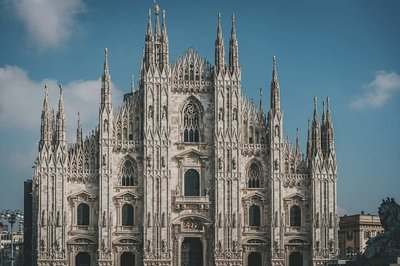
Milan
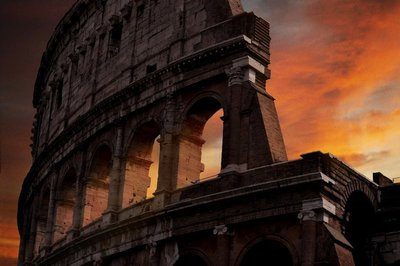
Rome
Many travelers compare Milan and Rome because both offer excellent air connections, great museums and a strong food scene.With three airports for Milan (MXP, LIN, BGY) and two for Rome (FCO, CIA), plus high-speed Frecciarossa/Italo trains, planning is easy.Hotel prices, visiting times and distances vary a lot between the Duomo and the Colosseum.In short, Rome wins for the quantity and fame of historical attractions (Colosseum, Vatican), milder climate (summer 21–33°C) and Roman cuisine (carbonara, amatriciana).Milan excels at shopping (the Quadrilatero), design (Triennale), urban mobility (ticket €2.20, 5 metro lines) and quick trips to the lakes (Como in 40 min).Average budgets: €130–200 Milan, €110–180 Rome per day.This comparative guide gives you hard numbers: ticket prices, travel times, distances in km, neighborhoods like Navigli and Trastevere, and reliable restaurants.You’ll find itineraries, seasonal tips, safety warnings and how to combine both cities in 3–7 days with high-speed trains from 2h59.
Milan vs Rome
| Feature | Milan | Rome |
|---|---|---|
| Daily budget | In Milan a hostel bed costs €25–45 (e.g., Ostello Bello), a 3* in the center €100–140, a 4* €150–220.Coffee+croissant at the counter €3–5, panzerotto at Luini €3.50, trattoria (Trattoria Milanese) €25–40, fine dining (Ratanà) €90–150.Transport: ATM ticket €2.20 (90 min), 24h €7.60.Taxi from Linate to the center €20–30, Malpensa fixed fare €90.Daily budget: €70–100 (budget), €130–200 (mid-range), €250+ (luxury). | In Rome a hostel costs €20–40 (e.g., The RomeHello), 3* hotel €90–130, 4* €140–200.Pizza al taglio (Bonci Pizzarium) €4–8, pasta in a trattoria (Da Enzo al 29) €20–35, Roscioli first courses €18–24, fine dining €90–160.Transport: BIT €1.50 (100 min), 24h €7, 72h €18.Taxis Fiumicino–Termini fixed fare €50, Ciampino–center €31.Daily budget: €60–90 (budget), €110–180 (mid-range), €230+ (luxury).✓ Better |
| Main attractions | In Milan the Duomo with terraces costs €15 (stairs) or €20 (elevator), 1.5 hours.The Last Supper at Santa Maria delle Grazie costs €15, a 15-minute visit by reservation.The Pinacoteca di Brera €15, 1.5–2 hours.The Castello Sforzesco (civic museums) €5, 2 hours.The Fondazione Prada €15, 1.5 hours.The walk between the Duomo and the Castle is 900 m (12 minutes on foot), very compact. | In Rome the Colosseum (with the Forum and Palatine) costs €18 (24h), 2–3 hours.The Vatican Museums €17 (+ online booking €4), 3 hours; St.Peter's Basilica free, dome €10 (elevator) or €8 (stairs).The Borghese Gallery €13, a 2-hour slot with reservation.The Pantheon costs €5, 30 minutes.Key distances: Colosseum–Termini 1.7 km (2 stops on Metro B), Vatican–Piazza Navona 2 km on foot.✓ Better |
| Food and restaurants | In Milan try risotto alla milanese, cotoletta and mondeghili.At Mercato Centrale Milano (Central Station) dishes €8–15; panzerotto at Luini €3–4.Trattorias: Trattoria Milanese or Osteria del Binari with first courses €12–16, mains €16–24.Aperitivo along the Navigli: drink+buffet €10–15 (6:30–9:00 pm).Fine dining: Enrico Bartolini MUDEC (3* Michelin) tasting menu €250+. | In Rome typical dishes: carbonara, cacio e pepe, amatriciana and coda alla vaccinara.At Roscioli first courses €18–24, at Da Enzo al 29 €12–16.Street food: Supplizio supplì €2.50, pizza al taglio at Bonci €4–8.Markets: Mercato Testaccio sandwiches €6–10.Artisanal gelato at Otaleg! €3–4.Fine dining: La Pergola (3* Michelin) menu €250–320.✓ Better |
| Climate and best time to visit | In Milan in winter averages 1–7°C (fog), spring 8–18°C (Mar–May), summer 19–31°C with high humidity, autumn 8–18°C.Recommended months: April–June and September–October to walk between Brera and the Navigli.In August some restaurants close.Annual rainfall ~900 mm, concentrated in April–May and October–November.Air conditioning in 4* hotels is standard. | In Rome winter 4–13°C, spring 10–20°C, summer 21–33°C (peaks 36°C), autumn 11–21°C.Ideal months: March–June and September–October to visit the Forums and the Vatican without sweltering heat.Annual rainfall ~750 mm, peaks in November.In August many Romans are on holiday but the main attractions stay open; carry water, the nasoni fountains are everywhere.✓ Better |
| Transport and how to get there | Milan: airports MXP, LIN, BGY.M4 Linate–San Babila in 12 min with a €2.20 ticket.Malpensa Express to Cadorna 38 min or Centrale 51 min (ticket €13).Bus Orio–Centrale 50–60 min (€10).ATM metro: 5 lines (M1–M5), 24h €7.60.Taxi Malpensa–Milan fixed fare €90.High-speed stations: Milano Centrale and Rogoredo.✓ Better | Rome: airports FCO and CIA.Leonardo Express Fiumicino–Termini 32 min (€14).FL1 train FCO–Trastevere 26–40 min (€8).Bus Ciampino–Termini 35–45 min (€6), taxis fixed €50 (FCO) and €31 (CIA).Metro A–B–C, BIT €1.50, 24h €7.High-speed stations: Roma Termini and Tiburtina.Avoid unlicensed taxis at FCO. |
| Nightlife | In Milan the aperitivo along the Navigli (Ripa di Porta Ticinese) costs €10–15 with buffet.Cocktail bars on Corso Como €10–12; Isola area for craft beer (Birrificio Lambrate).Clubs: Alcatraz and Tunnel Club entry €15–25, closing 02:00–05:00.Night trams and metro until 00:30 (Fri/Sat until 01:30).Smart-casual dress code in many venues.✓ Better | In Rome go out in Trastevere, Monti or Pigneto: drinks €6–10.Historic pubs like Ma Che Siete Venuti a Fà beers €5–7.Clubs: Goa Club and Shari Vari entry €15–20, closing 02:00–04:00.Aperitivo in Prati €8–12.The metro closes around 23:30–00:30, then N night buses.More relaxed vibe, less clubbing than Milan. |
| For families with children | In Milan the Museum of Science and Technology costs €10 per adult (weekend workshops), the Civic Aquarium €5 per adult.Parco Sempione with playgrounds behind the Castello Sforzesco.The Leolandia theme park is 38 km away (Capriate), online admission €34–44.Distance Duomo–Castle 900 m (stroller-friendly).Metro with elevators in many stations (M5 is the most accessible). | In Rome the children's museum Explora costs about €9 (1.5h slot), the Bioparco at Villa Borghese €17 adult.Green spaces: Villa Borghese (rickshaw rental), Parco degli Acquedotti.Stroller routes: Via dei Fori Imperiali and Piazza Navona, watch out for cobblestones in the center.Gelato stop at Giolitti (€3–4).Distances: Colosseum–Forum 500 m. |
| Beaches and nature | Milan has no beaches; for nature: Parco Sempione in the center, Idroscalo 10 km away (bus toward Linate) for SUP and running.Lake Como: regional train Milano C.le–Como S.Giovanni 40 min (€4.80), ferries to Bellagio and Varenna.Parco di Monza at 15 km (train 15–20 min).Great base for trips to the Alps (Lecco 55 km). | Rome has the sea nearby: Ostia at 30 km, Roma–Lido train from Piramide 30–35 min (with €1.50).Beach clubs €6–12 per day.Santa Severa at 56 km, train from Termini 50 min (€4.60).Urban nature: Appia Antica (bike rental ~€12 half day) and Villa Ada.Ideal in May–June and September.✓ Better |
| Shopping | Milan is a capital of fashion: the Quadrilatero della Moda (Via Montenapoleone, Spiga) for luxury.Corso Buenos Aires (1.6 km, 350 shops) for mid-range.Outlets: Serravalle Designer Outlet at 95 km, bus round trip €20 (~1h20).Scalo Milano Outlet at 15 km, free shuttle with reservation.Vintage at Mercato di Via Fauché (Saturday).✓ Better | Rome: luxury on Via Condotti and Piazza di Spagna, mid-range on Via del Corso.Vintage and indie designers at Mercato Monti (€5–50).Outlets: Castel Romano at 25 km, shuttle from Termini round trip €15 (30–40 min).Food souvenirs at Campo de’ Fiori (morning).Less aggressive discounts than in Milan during sales periods. |
| Safety and practical tips | In Milan watch out for pickpockets around the Duomo, Central Station and crowded trams (2, 14).Avoid pushy bracelet sellers in Piazza Duomo.Use official white taxis (Comune di Milano) or apps (MyTaxi).Drinking water from the vedovelle fountains.Emergencies 112.Metro hours: until 00:30 (Fri/Sat 01:30). | In Rome be cautious on Metro A and bus 64 (pickpockets).At Fiumicino use only official taxis or the Leonardo Express.Areas around Termini at night: stick to main streets.Water from the nasoni is drinkable.Useful numbers: 112 (emergencies), 113 police, 118 ambulance.Keep documents in the hotel or use a money belt. |
| How many days you need | For Milan: minimum 2 days, ideal 3–4.Day 1: Duomo (1.5h), Galleria Vittorio Emanuele II (30 min), Brera and Pinacoteca (2h), Navigli for aperitivo.Day 2: Last Supper (15 min), Castello Sforzesco (2h), Parco Sempione, Fondazione Prada.Day 3: day trip to Lake Como (round trip €9.60, 40 min each way) or Monza (20 min). | For Rome: minimum 3 days, ideal 4–5.Day 1: Colosseum + Forum (3–4h), evening in Monti.Day 2: Vatican (3h) and St.Peter's, sunset in Trastevere.Day 3: Pantheon, Piazza Navona, Trevi Fountain, Spanish Steps.Day 4: Borghese Gallery, Appia Antica by bike (€12 half day).Day 5: Ostia or Ostiense street art. |
| How to combine the two cities | From Milan to Rome by Frecciarossa/Italo from Milano Centrale to Roma Termini in 2h59–3h10, tickets €39–89 (book 2–4 weeks ahead).Trains every 30 minutes.Flight 1h10 but allow 60–90 min for airports.Bus 7–8 hours (€20–35). | Suggested itinerary: start in Rome (3–4 days), then high-speed train to Milan (2–3 days) for shopping in the Quadrilatero and a trip to Lake Como.Best seasons: April–June and September–October.Pick a morning train 08:00–10:00 to arrive downtown by 11:30 and make the most of the afternoon. |
The Verdict
Choose Milan
Choose Milan if you love design, shopping and compact cities.Recommended time: April–June or September.Budget: €130–200 per day (3* hotel €100–140, meals €25–40, 24h transport €7.60).Quick 3-day itinerary: day 1 Duomo, Galleria Vittorio Emanuele II, Brera; day 2 Last Supper, Castello Sforzesco, aperitivo at the Navigli; day 3 train 40 min to Lake Como.Ideal base near the Duomo or Brera to cut down on travel.
Choose Rome
Choose Rome if you want ancient architecture, traditional cuisine and world-class museums.Best time: March–June or October.Budget: €110–180 per day (3* hotel €90–130, meals €20–35, 24h transport €7).4-day itinerary: day 1 Colosseum + Forum; day 2 Vatican Museums and St.Peter's; day 3 Pantheon, Navona, Trevi; day 4 Borghese Gallery and Appia Antica.Stay between Monti and Termini for convenient links.