
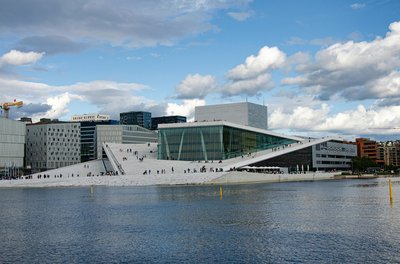
Oslo
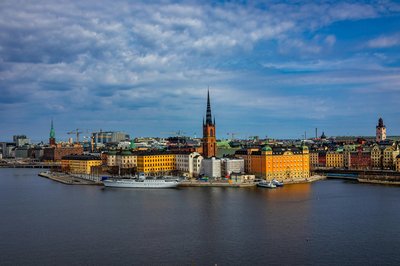
Stockholm
Anyone planning a trip to Scandinavia often has to choose between Oslo and Stockholm: two Nordic capitals with direct flights from Italy (about 3 hours from Milan and Rome), 520 km apart and linked by train, plane and bus.Both are safe, clean and full of water and greenery, but prices, pace and atmosphere are very different, and many travellers wonder which of the two deserves more days.The main differences: Oslo is smaller and more natural, with a fjord, islands and forest reachable by metro, but it costs about 20% more; Stockholm spreads over 14 islands, has a medieval Old Town, world-class museums and livelier nightlife and shopping.In this comparison guide you will find 12 criteria with real prices, times and distances: budget, attractions, food, climate, transport, families, nature and how to combine the two cities in a single 5-6 day trip.
Oslo vs Stockholm
| Feature | Oslo | Stockholm |
|---|---|---|
| Daily budget | In Oslo a dorm bed costs €40-60, a 3-star hotel in the centre €130-180 a night and a 4-star €190-280.Meals: a hot dog or kebab €5-8, lunch at Mathallen Vulkan €15-25, dinner in a mid-range restaurant €35-55; a pint of beer costs €9-11.Transport: a single Ruter ticket is about €3.5-4, a 24-hour pass about €11-12.A coffee costs about €4-5 and hotel breakfast €15-25.Daily budget: €110-140 (budget), €220-300 (mid-range), €450+ (luxury).It is one of Europe's most expensive capitals, especially for alcohol and restaurants. | In Stockholm a hostel bed costs €30-50, a 3-star hotel in the centre €100-150 a night and a 4-star €160-240.Meals: korv (sausage) or kebab €6-10, the dagens rätt (daily lunch special) €11-15, a mid-range dinner €30-45; a pint costs €7-8.5.Transport: a single SL ticket is about €4, a 24-hour pass about €12-13.Daily budget: €85-110 (budget), €170-240 (mid-range), €380+ (luxury).A coffee with a pastry (fika) costs about €5-6.On average the city costs about 20% less than Oslo, a saving of €25-55 a day per person.✓ Better |
| Top attractions | Oslo focuses on art and polar exploration.The Munchmuseet (about €14-16, 2 hours) houses The Scream; Vigeland Park, with more than 200 sculptures, is free (1.5 hours); the Fram Museum on the Bygdøy peninsula costs about €12-14 (1.5 hours) and the Kon-Tiki Museum about €12-14 (1 hour).The roof of the Opera House can be climbed for free, while the National Museum costs about €17-19.The Viking Ship Museum is being renovated: check the reopening dates.A 24-hour Oslo Pass costs about €38-45. | Stockholm packs major museums into a few kilometres.The Vasa Museum (about €17-19, 2 hours) displays an almost intact galleon from 1628; Skansen, the open-air museum on Djurgården, costs about €15-22 depending on the season (3 hours); ABBA The Museum about €25-28 (2 hours); the Royal Palace about €17-19.Walking around Gamla Stan, between Stortorget and Västerlånggatan, is free and takes 1.5 hours.Fotografiska on the Södermalm waterfront costs about €20-22 (1.5 hours).The Stockholm Pass only pays off if you visit 3 or more attractions a day.✓ Better |
| Food and restaurants | Norwegian cuisine revolves around fish and meat: fårikål (lamb and cabbage, the national dish), rakfisk (fermented trout), brunost (caramelised brown cheese) and shrimp eaten on the Aker Brygge pier (about €17-22 for a bag with bread and mayonnaise).To eat well without overspending: Mathallen Vulkan on the Akerselva river (dishes €12-20) and Vippa on the fjord.Maaemo is a three-Michelin-star restaurant with tasting menus from over €300.Lunch €15-25, dinner €35-55.Salmon and fjord trout are on almost every menu, while cafés serve skillingsboller (cinnamon rolls) for about €4-5. | In Stockholm try the köttbullar (Swedish meatballs with lingonberry sauce) at Meatballs for the People in Södermalm (€17-22), gravlax salmon, the räksmörgås shrimp sandwich and kanelbullar (cinnamon rolls) for fika (€4-6 with coffee).The historic Östermalms Saluhall market offers seafood and pastries; Pelikan in Södermalm is a classic Swedish beer hall.The dagens rätt costs €11-15, a mid-range dinner €30-45.For fine dining there is Frantzén (three Michelin stars, tasting menus from over €300).Book several weeks in advance. |
| Climate and best time to visit | Oslo has a humid continental climate.In January temperatures range from -7°C to -2°C with frequent snow and about 6 hours of daylight; in July highs are 20-24°C with about 18 hours of daylight; in April expect 2-9°C, in October 3-9°C.The best time to go is May to September, with the most stable weather in June and July.In winter you can ski at Holmenkollen, about 30 minutes from the centre by metro.Rain is more frequent from August to October. | Stockholm has a similar climate, softened by the Baltic.In January temperatures range from -5°C to 0°C with about 6 hours of daylight; in July highs are 21-24°C with about 18 hours of daylight; in April expect 3-10°C, in October 3-9°C.The best time to go is May to September: in June Swedes celebrate Midsommar and the archipelago can be reached by boat.In December the Christmas markets in Gamla Stan and Skansen are among the most atmospheric in Northern Europe.It rains a little less than in Oslo. |
| Transportation and how to get there | Oslo Gardermoen (OSL) airport is 50 km from the centre.The Flytoget takes about 20 minutes to the Central Station and costs about €20-22; Vy regional trains cost about €10-12 and take 20-25 minutes; a taxi costs €90-120.The centre is compact: the T-bane (metro), trams and ferries to the islands are all included in the Ruter ticket (about €3.5-4, valid for 1 hour).For the Bygdøy peninsula take bus 30 or the summer ferry.Many attractions are a 15-25 minute walk from the station. | Stockholm Arlanda (ARN) airport is 40 km from the centre.The Arlanda Express takes 18 minutes to T-Centralen and costs about €30-35; Flygbussarna buses take about 40 minutes and cost €13-16; a fixed-fare taxi costs about €45-60.The Tunnelbana (100 stations, many decorated like art galleries) and the boats to Djurgården use the same SL ticket system (about €4 for 75 minutes).The centre spreads across 14 islands, so you will use public transport more than in Oslo. |
| Nightlife | Oslo's nightlife is concentrated in Grünerløkka (neighbourhood bars and the live venue Parkteatret), Youngstorget, Vulkan and the harbour area of Aker Brygge and Tjuvholmen; the jazz club Blå is a classic.Venues usually close at 03:00.A pint costs €9-11 and a cocktail €14-18; club entry is €10-20.Spirits are sold only at Vinmonopolet, which closes at 18:00-20:00 on weekdays, in the afternoon on Saturday and all day Sunday.Supermarkets sell beer up to 4.7% only until 20:00 (18:00 on Saturday). | Stockholm has a bigger and cheaper nightlife scene.Södermalm (SoFo, Mariatorget) is the alternative district, Stureplan hosts the most glamorous clubs such as Sturecompagniet and Spy Bar with entry from €15-25, while Gamla Stan has historic taverns.A pint costs €7-8.5, a cocktail €12-16.Bars stay open until 03:00 and some clubs until 05:00.Alcohol is sold at Systembolaget (closes at 19:00 on weekdays, at 15:00 on Saturday and is closed on Sunday).More choice and better prices: Stockholm wins.✓ Better |
| For families with children | Oslo is very well suited to children thanks to its parks and interactive museums.The Fram Museum lets kids climb aboard the polar ship, the Norsk Folkemuseum in Bygdøy (about €16-18) recreates about 160 historic buildings, and Vigeland Park is free.The Holmenkollen ski jump simulator costs about €18-22.The islands of Hovedøya and Langøyene are reached by ferry in 10-20 minutes with the Ruter ticket.Children under 4 travel free, and those aged 4 to 17 pay half fare.The centre is flat, with wide pavements for strollers. | Stockholm is one of the easiest capitals for children.Junibacken on Djurgården (about €20-25) brings you into the world of Pippi Longstocking with a little train through the stories; the Gröna Lund amusement park costs about €12-16 entry plus rides; Skansen has a small zoo with elk, bears and lynx; the Vasa Museum is a big hit with kids.The Tekniska Museet offers interactive workshops.Djurgården is about 15 minutes away by tram or ferry.Children under 7 travel free on SL public transport, and many attractions are concentrated on the same island.✓ Better |
| Beaches and nature | Oslo combines fjord, islands and forest within the city.Ruter ferries take you in 10-20 minutes to Hovedøya, with the ruins of a Cistercian abbey and bays where you can swim from June to August (water 16-20°C), and to Langøyene, with the largest beach.On the Bygdøy peninsula there is Huk beach, about 6 km from the centre.The Nordmarka forest is 20-30 minutes away by metro: Sognsvann lake is reached on line 5 and is ideal for walks and, in winter, cross-country skiing.The Holmenkollen slopes are 30 minutes from the centre. | Stockholm offers the archipelago, with about 30,000 islands.Fjäderholmarna is about 25 minutes away by boat and Vaxholm about 50-60 minutes, with return tickets from €15-25.In the city there is the Royal National City Park (Ekoparken) around Djurgården, while Långholmen and Smedsuddsbadet let you swim in summer (water 17-21°C).Tantolunden is the locals' favourite park for picnics.In winter, when the ice is safe, people skate on the lakes and bays around the city.More variety of islands, but Oslo has more forest and slopes close by. |
| Shopping | In Oslo the shopping streets are Karl Johans gate with the Steen & Strøm department store, Aker Brygge and the Grünerløkka district for vintage and independent designers.Typical souvenirs are the Norwegian sweater (€150-300 from brands such as Dale of Norway), brunost (€4-8) and wool products.The Birkelunden flea market takes place on Sundays in summer.Visitors who live outside Norway can claim tax free on purchases above about €30-35, with a VAT refund minus fees.Prices are on average 15-25% higher than in Italy. | Stockholm is stronger for fashion and design.Biblioteksgatan, Hamngatan and the NK department store gather Scandinavian brands such as Acne Studios and Filippa K; Södermalm (SoFo) is the realm of vintage and independent shops; Svenskt Tenn sells designer furniture and fabrics.Souvenirs: the Dala horse (€10-35), Orrefors glass, candles and Swedish chocolate (€3-8).Tax free only applies to non-EU residents, so Italians do not get it.Summer sales start in late June, with discounts of up to 50-70%.✓ Better |
| Safety and practical tips | Oslo is a very safe city, but pickpocketing is more frequent on Karl Johans gate, at the Central Station and on the Flytoget.The Grønland area and its surroundings need a little caution after midnight because of drug dealing.Emergency numbers are 112 (police), 110 (fire brigade) and 113 (ambulance).The currency is the Norwegian krone (NOK), about 11.7 NOK = €1, and almost everything is paid by card.The TEAM health card (EHIC) is also valid in Norway, which is part of the European Economic Area but not the EU.Tap water is excellent. | Stockholm is safe, with a risk of pickpocketing at T-Centralen, Sergels torg, Gamla Stan and on the Arlanda Express.At night it is best to avoid isolated areas around the central station and parks, as in any big city.The single emergency number is 112.The currency is the Swedish krona (SEK), about 11 SEK = €1, and almost all shops are cashless, accepting only cards or apps.With the TEAM health card you get public healthcare like residents.English is spoken by the vast majority of residents and tap water is excellent. |
| How many days you need | For Oslo, 2 days are enough for the highlights: the first with the Opera House, Akershus Fortress, Karl Johans gate and the Munchmuseet, the second with Bygdøy (Fram, Kon-Tiki) and Vigeland Park.The ideal stay is 3 days, adding a fjord island, Holmenkollen and the National Museum.With 4 days you can take a boat trip on the fjord or hike in Nordmarka.In winter, with about 6 hours of daylight, it is best to concentrate outdoor visits between 10:00 and 15:00.If you use Oslo as a base for the western fjords (Flåm, Bergen), allow 5-7 days in total. | For Stockholm you need at least 2-3 days: Gamla Stan and the Royal Palace on the first day, Djurgården (Vasa, Skansen, ABBA The Museum) on the second, Södermalm and Fotografiska on the third.The ideal stay is 4 days, adding a boat trip to the archipelago (Vaxholm or Fjäderholmarna) or to Drottningholm (a UNESCO-listed palace, about €15-20 by boat).Stockholm also works well as a long weekend of 3 days.With 5 days you can add Uppsala, about 40 minutes by train from Stockholm Central, with the tallest cathedral in Scandinavia and a 16th-century castle. |
| How to combine the two cities | From Oslo to Stockholm the distance is about 520 km by road (E18), or about 5.5-6 hours by car.The direct train takes about 6 hours and costs from €30-40 (advance booking) to €80-110 (last minute).The plane (SAS, Norwegian) takes about 1 hour 10 minutes and costs €50-130, but with transfers and security the total time rises to about 4 hours.The bus (FlixBus, Vy) takes about 7-8 hours and costs €25-50.Tip: arrive in Oslo and fly home from Stockholm (or vice versa) with open-jaw flights so you do not have to backtrack. | From Stockholm to Oslo the route is identical: about 520 km.The direct train takes about 6 hours and costs from €30-40 (booking in advance) up to €80-110.Alternatively the flight from Arlanda to Gardermoen takes about 1 hour 10 minutes with fares of €50-130.For a combined trip allow at least 5-6 days in total, with 2-3 nights in each city.The best time is June to August, when it stays light until late in the evening.Book the train on the rail operators' websites (SJ, Vy): fares vary a lot depending on demand. |
The Verdict
Choose Oslo
Oslo is ideal for those seeking urban nature, art and a relaxed pace: couples and active travellers who want to kayak on the fjord, ski at Holmenkollen or hike in Nordmarka in the same weekend.The best time is June to August (highs of 20-24°C, 18 hours of daylight) or December-March for snow.Allow €220-300 a day per person at mid-range.3-day itinerary: Munchmuseet and the Opera House (day 1), Bygdøy with Fram and Kon-Tiki plus Vigeland Park (day 2), the island of Hovedøya or Holmenkollen (day 3).Avoid it if you are on a very tight budget.
Choose Stockholm
Stockholm is ideal for those who love museums, design, nightlife and walks between islands: a 3-4 day city break for couples, families and friends.The best time is May to September (highs of 21-24°C, 18 hours of daylight) or December for the Christmas markets.Allow €170-240 a day per person at mid-range, about 20% less than Oslo.4-day itinerary: Gamla Stan and the Royal Palace (day 1), Vasa, Skansen and ABBA The Museum on Djurgården (day 2), Södermalm and Fotografiska (day 3), a boat to Vaxholm or Drottningholm (day 4).Less suited to those looking for mountains and fjords.