11 Experiences in Paris
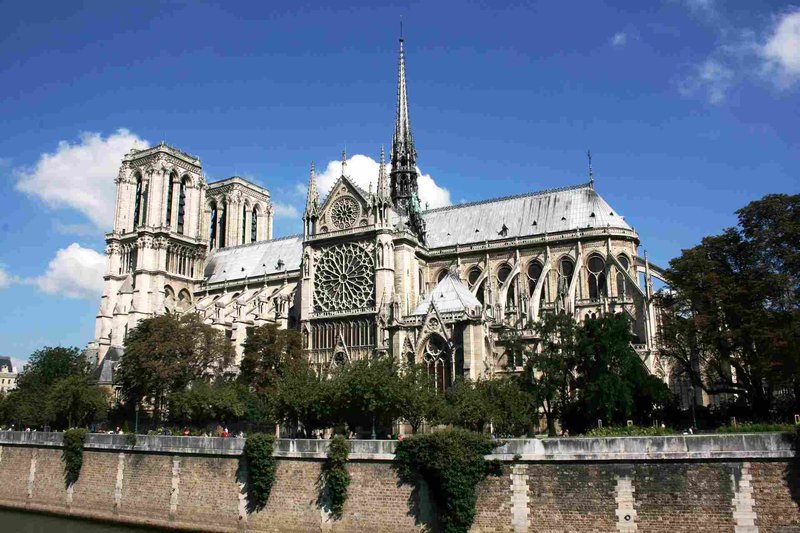
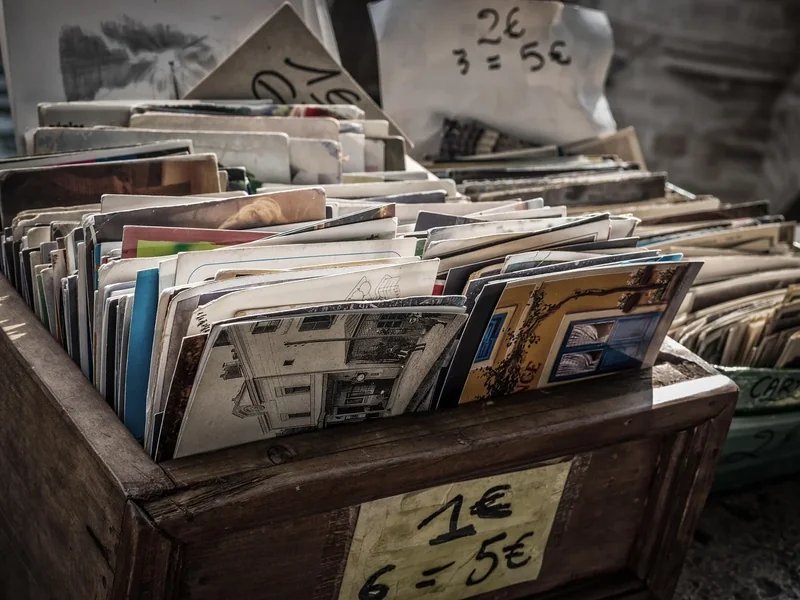
Step off the train at Gare du Nord and the city announces itself immediately: the clatter of espresso cups on zinc counters, the faint sweetness of fresh croissants drifting from a corner boulangerie, a sliver of the Sacre-Coeur dome catching the morning light above the rooftops. Paris does not need to raise its voice. It pulls you in with a thousand small details — the green of a Wallace fountain, the ochre walls of a Haussmann courtyard, the sound of an accordion leaking from a Metro tunnel. Few cities compress so much cultural weight into a single skyline. The Louvre alone holds more than 35,000 works spanning five millennia. The Musee d'Orsay occupies a former railway station and houses the largest Impressionist collection on earth. Notre-Dame Cathedral, reopened in after a painstaking five-year restoration, stands once again as a Gothic landmark on the Ile de la Cite. And between these headline monuments lie dozens of quieter treasures — the medieval Musee de Cluny, the scientific instruments at the Arts et Metiers, the photography galleries along the Rue de Rivoli. Practically, Paris rewards a little planning. Buy a Navigo Easy card at any Metro station to ride all zones. Book timed entries for the Eiffel Tower and Louvre at least two weeks ahead in peak season. And leave room in your schedule for the unplanned: a cafe terrace on Rue Montorgueil, a used-book stall along the Seine, or a sunset over the city from the steps of the Sacre-Coeur. This guide maps out eleven of the city's strongest experiences, from iron landmarks to hidden garden corners.
Top Things to Do in Paris
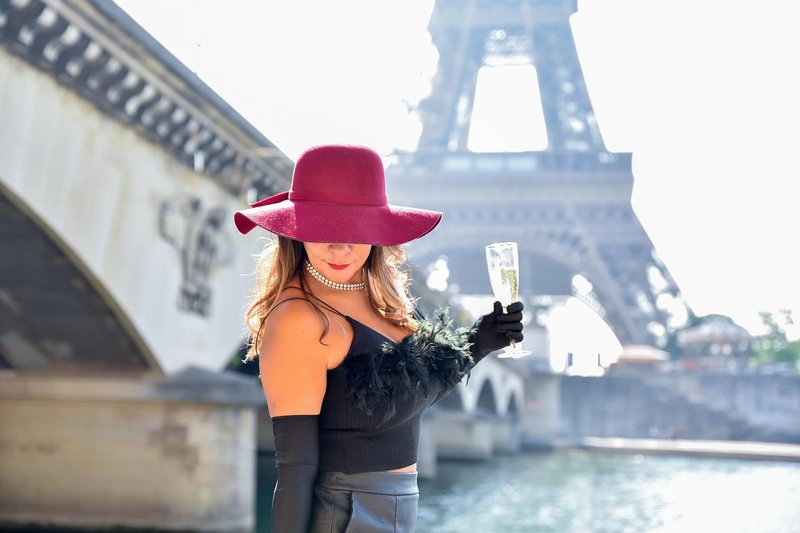
Eiffel Tower: iron, light, and a city at your feet
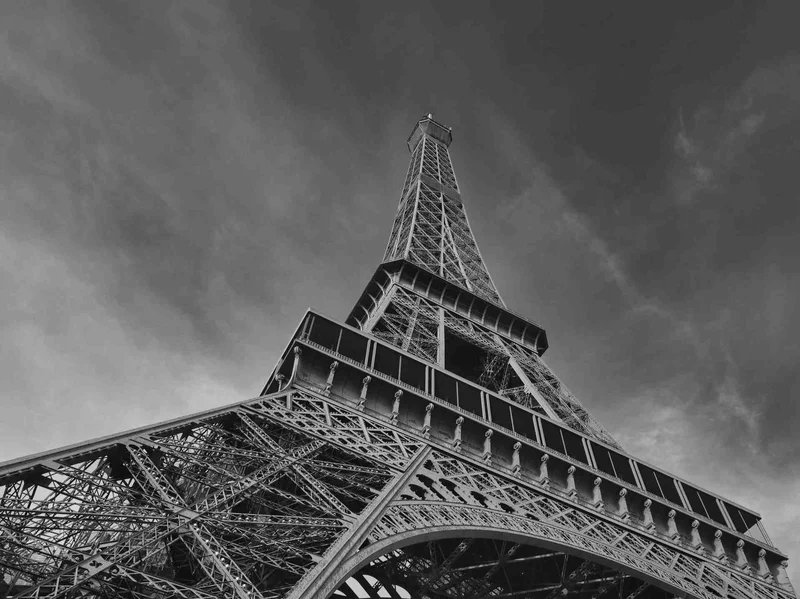
The defining Paris panorama from three levels
Louvre Museum: five millennia under one glass pyramid
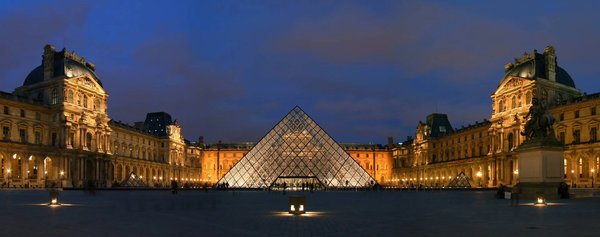
The world's largest art museum, from Hammurabi to Delacroix
Seine Riverbanks: a walk through the city's spine
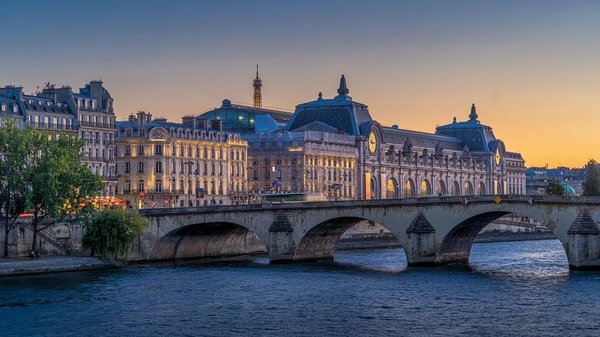
Bridges, bookstalls, and golden-hour reflections
Montmartre: painters' hill above the city grid
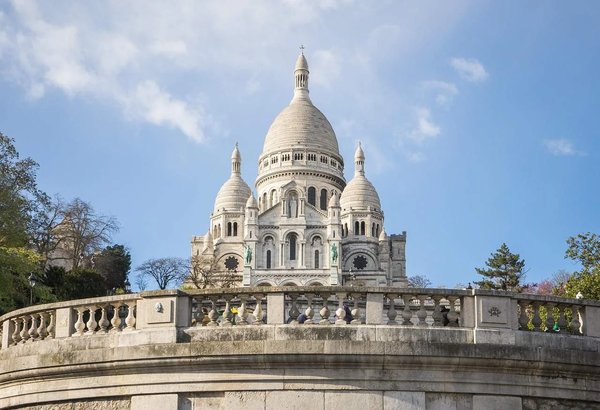
Cobbled lanes, vineyard views, and the Sacre-Coeur dome
Notre-Dame Cathedral: Gothic engineering reborn after fire
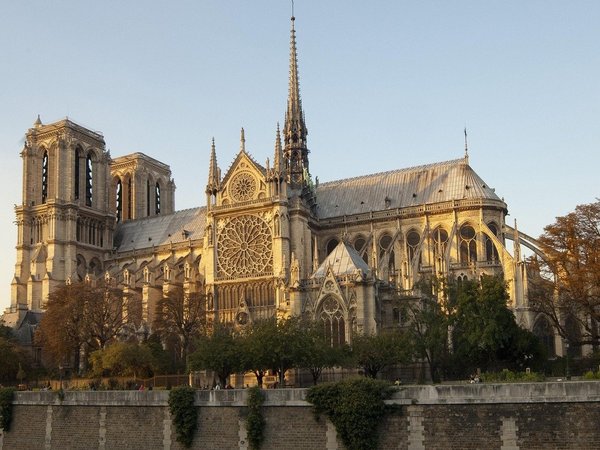
Eight centuries of stone, glass, and restoration craft
Luxembourg Gardens: a Florentine queen's green refuge
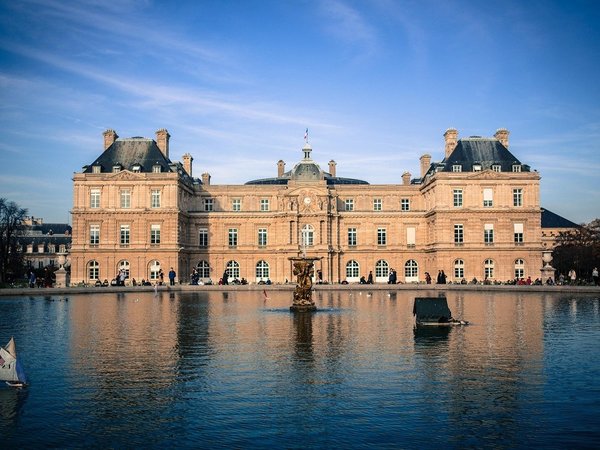
Formal gardens, chess players, and model sailboats since 1612
Champs-Elysees: grand axis from Concorde to the Arc
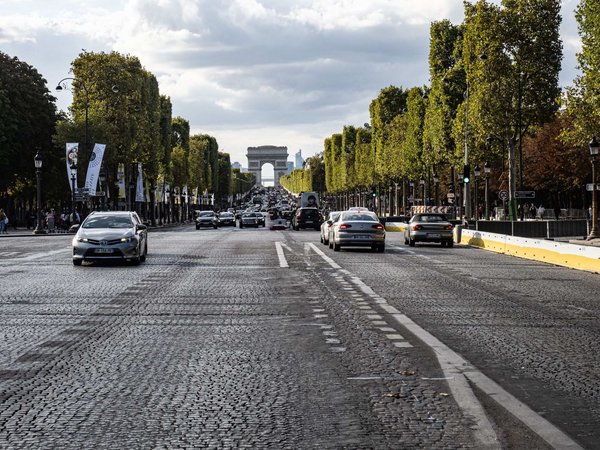
Two kilometres of tree-lined boulevard, parades, and Parisian spectacle
Latin Quarter: student streets since the Middle Ages
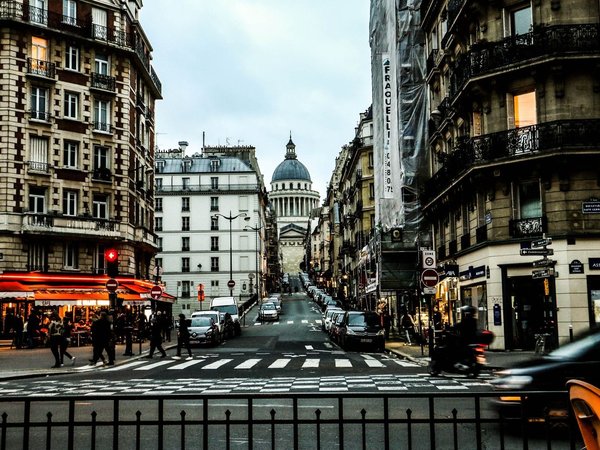
The Sorbonne, the Pantheon, and five centuries of cafe debate
Musee d'Orsay: Impressionism inside a Beaux-Arts railway station
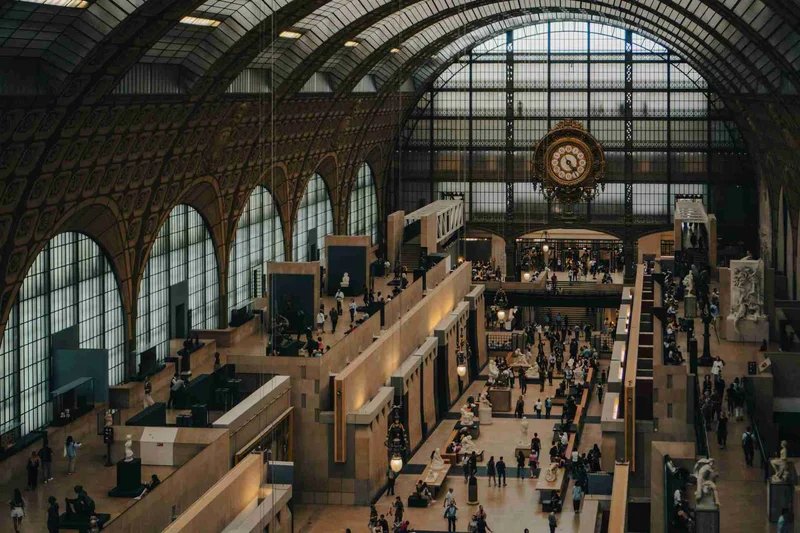
Monet, Degas, Van Gogh, and a monumental clock face
Le Marais: aristocratic mansions turned creative quarter
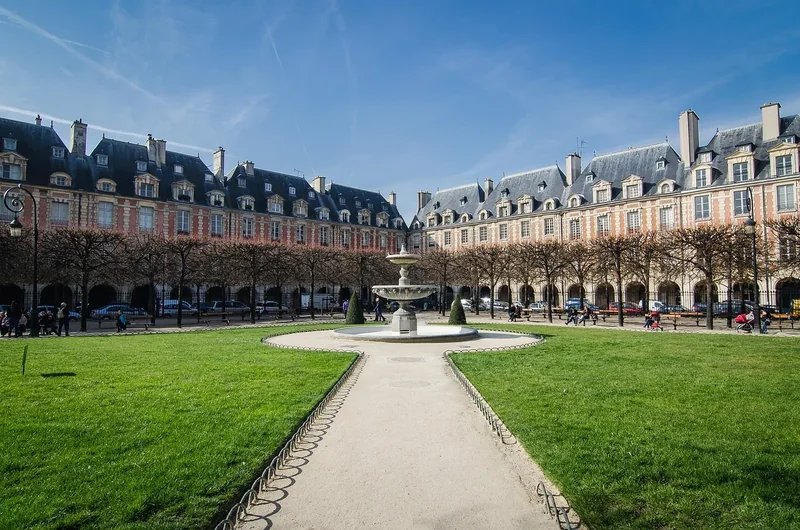
Place des Vosges, the Picasso Museum, and Rue des Rosiers
Seine river cruise: the city reframed from water level
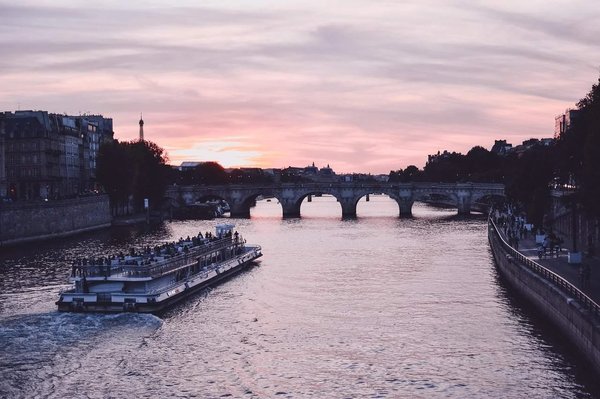
Bridges, floodlit facades, and a different sense of scale
Recommended Itineraries in Paris
One Day: Landmarks and River Light
Two Days: Art, Neighbourhoods, and Hidden Corners
Three Days: Deep Dives and Day Trips
When to Visit
The Best Time to Visit Paris
Paris has a temperate oceanic climate with mild but changeable weather year-round. The most comfortable months for sightseeing fall between late April and mid-June and again in September and October, when daytime temperatures hover between 15°C and 20°C, museum queues shorten, and cafe terraces fill without the crush of peak summer.
Peak Season
June through August draws the highest visitor numbers and hotel rates. July brings the Bastille Day military parade on the 14th and the opening of Paris Plages, temporary sand beaches along the Seine. August sees many local restaurants close for annual holiday (fermeture annuelle), so the dining scene shifts toward tourist-heavy areas. Temperatures occasionally push above 35°C during heatwaves, and air conditioning is not universal. Book accommodation and major-attraction tickets months in advance.
Shoulder Season
Late April through mid-June and September through October strike the best balance of weather, crowd density, and cultural programming. The Fete de la Musique on 21 June fills every street corner with live performances. September's rentree marks the restart of gallery seasons, theatre premieres, and fashion week. October's Nuit Blanche (first Saturday) opens museums and public buildings for a free all-night art event.
Low Season
December through February offers the shortest queues and lowest hotel rates outside the Christmas and New Year's week spike. January is the quietest month, with winter sales (soldes d'hiver) running from the second Wednesday through mid-February. Museums feel spacious, and bistros operate at a relaxed local pace. Pack layers: temperatures sit between 3°C and 7°C and rain is frequent, though snowfall is rare.
Compare Destinations
Paris VS Venice
Choose Paris for world-class museums, an extensive metro, and 5-6 days; go for Venice for canal romance, 3-4 days, and g...
Paris VS London
Choose London for free museums, the Night Tube and trips to Brighton; choose Paris for the Louvre, Eiffel Tower and Disn...
Paris VS Amsterdam
Choose Amsterdam for canals, nearby beaches and a smaller budget; choose Paris for iconic museums, haute cuisine and wor...
Paris VS Rome
Choose Paris for world-class museums and stylish neighborhoods; pick Rome for open-air ancient ruins and affordable trad...
Paris VS Florence
Choose Florence for Renaissance art, trattorias at €12-35 and 3-4 days at €110-160/day; choose Paris for top museums, ni...
Paris VS Milan
Choose Milan for fashion, aperitivo and trips to the lakes; Paris for world‑class museums, iconic monuments and a romant...
Tips for Visiting Paris
Local Experiences in Paris
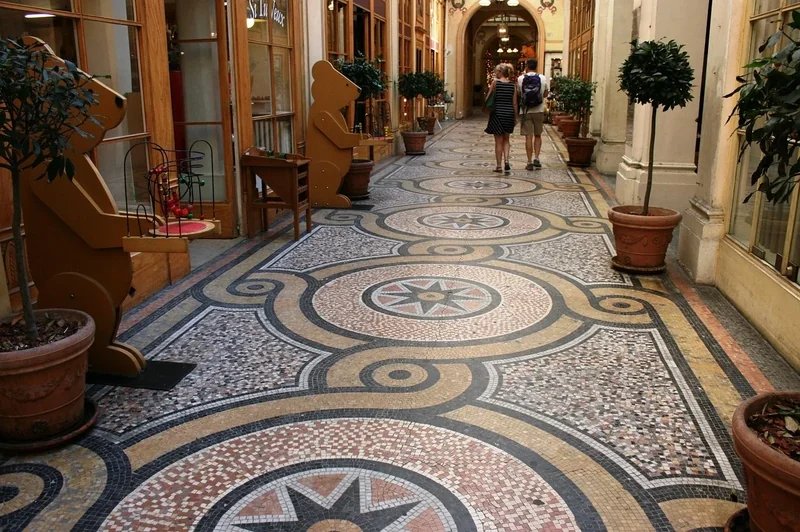
Discover Paris's Covered Passages
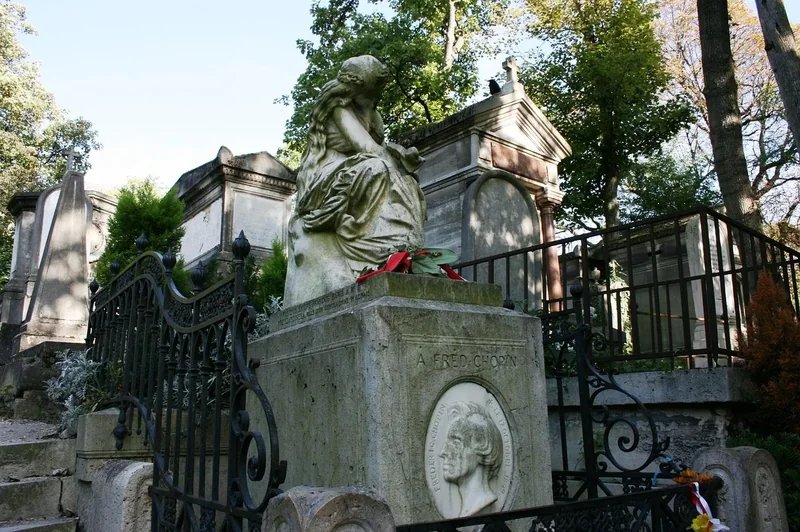
Visit Pere Lachaise Cemetery