10 Romantic Things to Do in Paris
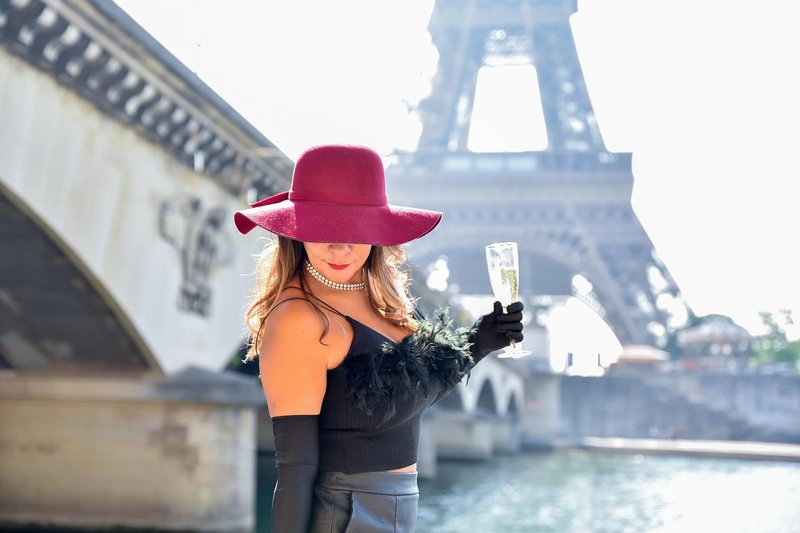
Paris earned its reputation as the world's most romantic city not through marketing but through centuries of seduction built into its very streets. The Seine curves past limestone facades glowing amber at dusk. Gas lamps still flicker along Pont Alexandre III. A violinist plays under the arches of Place des Vosges while couples share a carafe of Sancerre at a zinc-topped bar.
What makes Paris singular for lovers is its layering of intimacy at every scale. A private courtyard behind an unmarked door in the Marais. A glass of champagne on a houseboat moored near Île Saint-Louis. The way Montmartre empties after dark, leaving you alone on cobblestone paths that Renoir once painted. Even the Metro has its moments: station Arts et Métiers looks like the inside of a submarine, and kissing on the platform is practically a civic duty.
This guide skips the clichés that feel manufactured and focuses on the Paris that actually makes two people lean closer together. From sunset on iron towers to midnight along candlelit canals, these are the experiences that turn a trip into a love story.
Top Things to Do in Paris
Eiffel Tower at Sunset
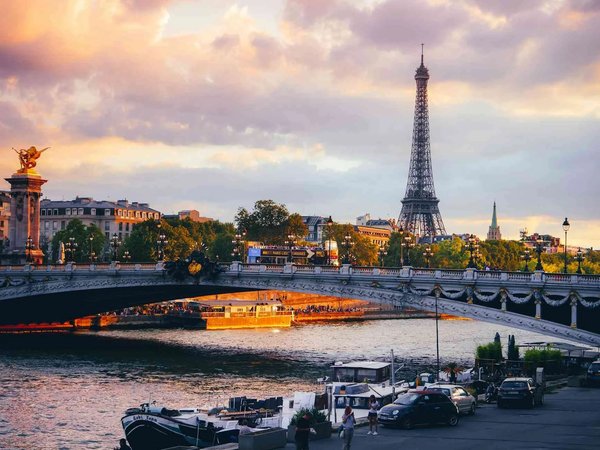
The city's most dramatic golden-hour view.
The Eiffel Tower was built in for the Universal Exposition and was meant to stand for just 20 years. Gustave Eiffel saved it by installing a radio antenna at the summit, and today it remains the most visited paid monument on earth. Skip the ground-floor restaurants and instead bring a half-bottle of champagne from a nearby caviste to the Champ de Mars lawn afterward. The tower sparkles just as well from below, and the grass is free.
Evening Cruise on the Seine
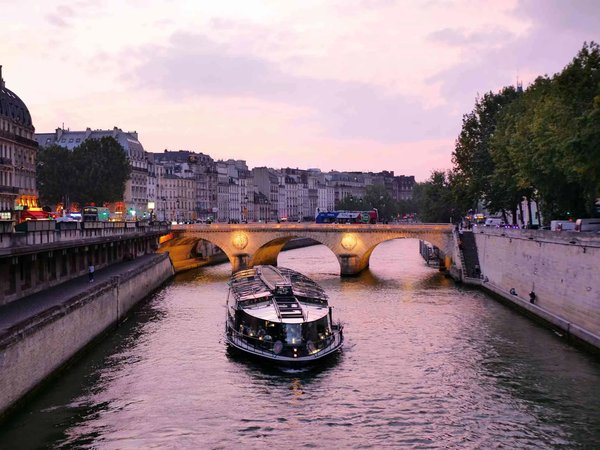
Paris reflected in water and lamplight.
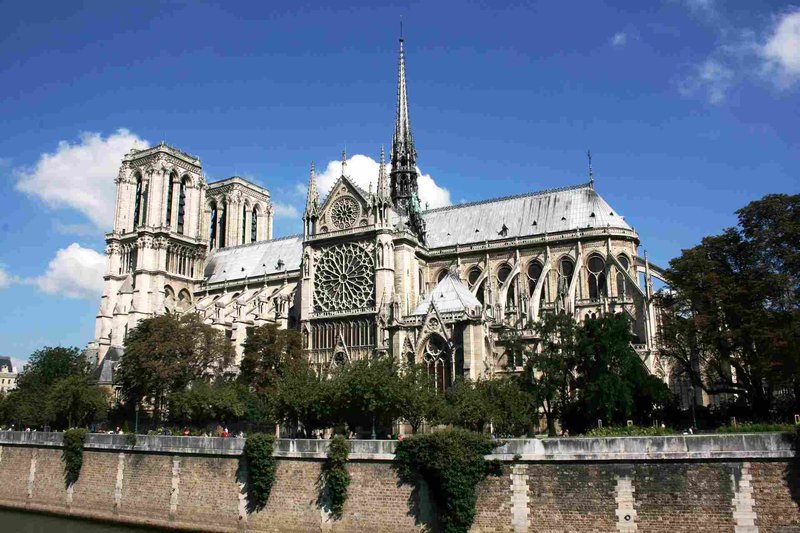
The route typically runs from Port de la Bourdonnais east to Île Saint-Louis and back, passing under 15 bridges in about . The best seat is on the open upper deck, port side heading east, which gives you Notre-Dame head-on and the Eiffel Tower over your shoulder on the return. Bring a scarf even in summer: the river cools the air by several degrees after sundown. If dinner cruises feel too formal, book a simple lights-only cruise and eat afterward at a bistro in the 5th arrondissement.
Montmartre After Dark
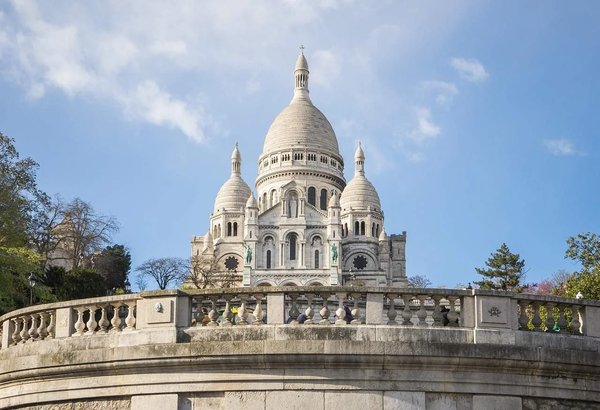
Cobblestones, candles, and a village inside a city.
The steps below the basilica offer the widest panorama in Paris. On clear nights you can trace the blinking lights of planes descending into Charles de Gaulle while the city spreads beneath you like a circuit board. Sit on the top step, share a crêpe from a Rue Norvins vendor, and stay until the Eiffel Tower sparkles at . The walk back down through Rue de l'Abreuvoir, arguably the most photogenic street in Paris, passes pink-shuttered houses and a single remaining vineyard.
Candlelit Bistro Dinner
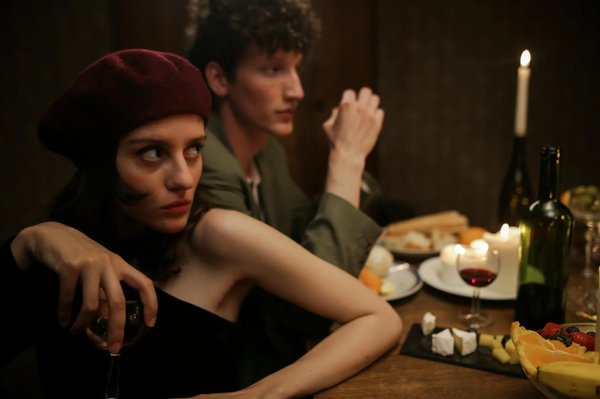
Two courses, one candle, no rush.
Le Baratin in the 20th arrondissement serves natural wine and a blackboard menu that changes nightly. Chez Janou in the Marais is famous for its chocolate mousse, served from an enormous bowl you finish yourselves. Le Comptoir du Panthéon faces the Panthéon itself, and its sidewalk tables at on a June evening feel like a scene from a film. For a splurge, Le Jules Verne on the Eiffel Tower's second floor pairs a Michelin-starred menu with a view no other restaurant can match. Book any of these at least a week ahead. Walk in without a reservation and you will be politely turned away, no matter how charming your French.
Picnic in Luxembourg Gardens
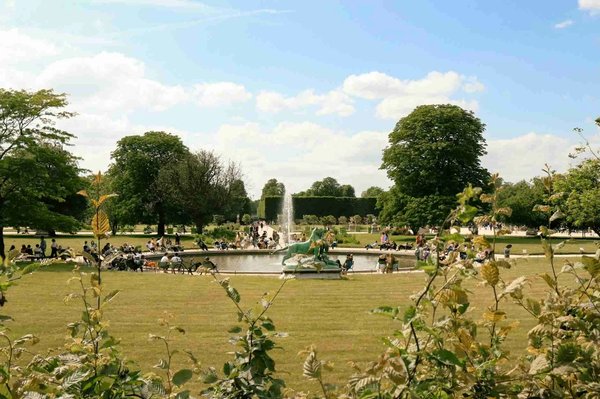
Baguettes, Brie, and Baroque fountains.
Settle near the Medici Fountain on the eastern side, a grotto-style basin shaded by plane trees and bordered by a long reflecting pool. It is the quietest corner of the park and far enough from the central basin where children sail toy boats. In the cherry trees along the southern fence bloom pink, and by the rose garden near the orangerie fills the air with scent. The park closes at dusk, so plan your picnic for late afternoon and let the guards' whistles be your cue to stroll toward dinner.
Musée de l'Orangerie for Two
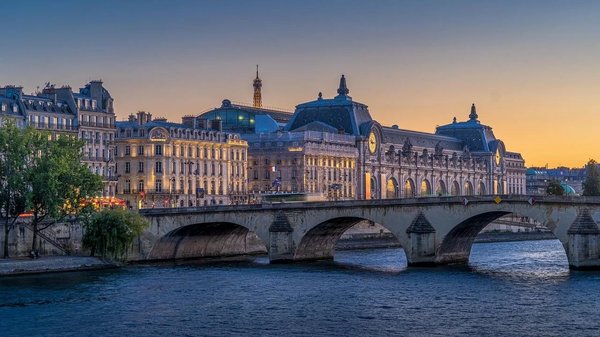
Monet's water lilies in cathedral silence.
The lower level holds the Walter-Guillaume Collection: Renoir's fleshy nudes, Cézanne's fractured still lifes, Modigliani's elongated portraits, and a handful of early Picassos. The entire museum takes about to see without hurrying. Visit on a weekday morning when the oval rooms are nearly empty, or on a when admission is free and Parisians themselves fill the benches. Afterward, walk east through the Tuileries to Place de la Concorde, where the obelisk catches the afternoon light.
The Wall of Love in Montmartre
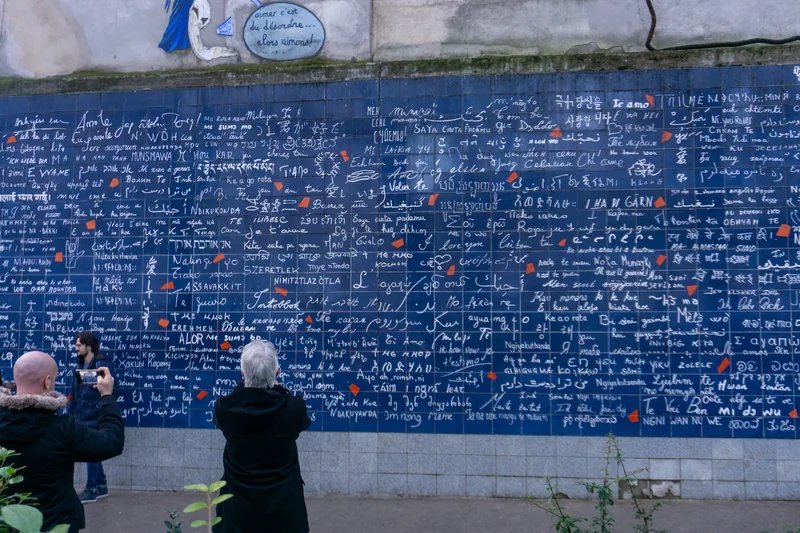
612 tiles, 311 languages, one word.
Inaugurated in as part of a neighborhood renewal project, the wall has become a pilgrimage site for couples. The trick is timing: visit before or after , when the square empties and you can stand close enough to find declarations in Navajo, Bambara, Esperanto, and sign language. The metro station below, Abbesses, is one of the deepest in Paris, and its Art Nouveau entrance designed by Hector Guimard is itself worth a photograph. From the wall, walk two minutes north to Rue des Trois Frères for a coffee at the café used in the film Amélie.
Arc de Triomphe at Golden Hour
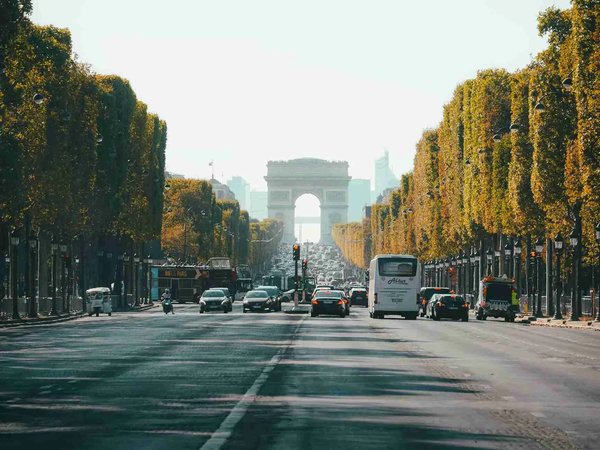
284 steps to the most symmetrical view in Paris.
Napoleon commissioned the arch in to celebrate his Grande Armée, but it was not completed until , 15 years after his death. The sculpted reliefs depict specific battles; the most famous, La Marseillaise by François Rude, shows the spirit of liberty leading soldiers into combat. Beneath the vault, the Tomb of the Unknown Soldier has burned an eternal flame since . Climb the 284 spiral steps rather than taking the lift. The staircase is narrow and intimate, and reaching the top breathless together is half the experience. Stay until the Eiffel Tower's sparkle show begins across the rooftops.
Le Marais Hand in Hand
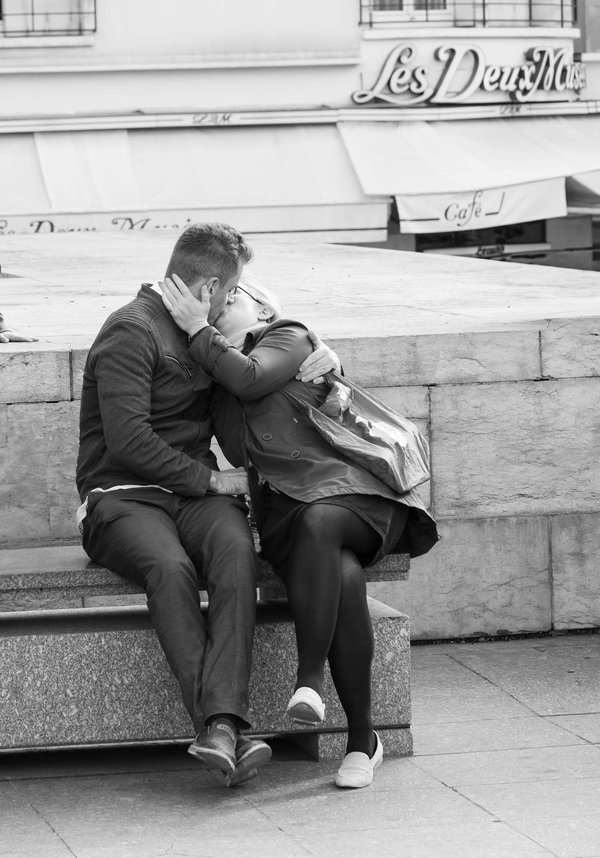
Medieval lanes, modern galleries, perfect pastries.
The Marais is also the historic Jewish quarter. Stop at L'As du Fallafel on Rue des Rosiers for the best falafel in Europe, eaten standing on the sidewalk with tahini dripping down your wrist. Two blocks away, Carette on Place des Vosges serves the flakiest millefeuille in the arrondissement. On Sundays, most of Paris shuts down, but the Marais does not: shops stay open, the streets fill with Parisians instead of tourists, and the atmosphere shifts to something genuinely local. End at the Musée Carnavalet, a free museum tracing the city's history from Roman Lutetia to the present, housed in two connecting Renaissance mansions.
A Night at the Moulin Rouge
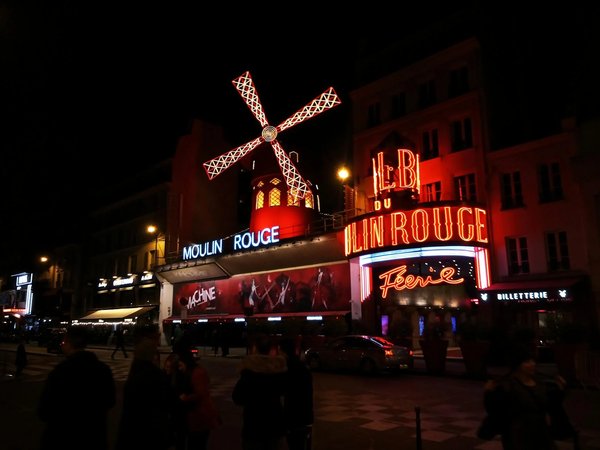
Sequins, cancan, and champagne since 1889.
The cancan remains the centerpiece: a line of dancers in ruffled skirts executing high kicks with military precision while the orchestra builds to a crescendo. Dinner-and-show packages begin at with a three-course French menu; show-only tickets at are significantly cheaper and still include half a bottle of champagne per person. Request a table in the center section for sightlines, or book a booth along the side wall for more privacy. Dress code is smart casual, but Parisians tend to go full evening wear. The show runs about , ending just in time for a midnight walk down Boulevard de Clichy with the neon reflections at your feet.
Recommended Itineraries in Paris
Canal Saint-Martin Morning
Afternoon — Cross to the eastern bank and browse Antoine et Lili, a cluster of colorful boutiques selling handmade jewelry and Indian textiles. Grab a crêpe from a canal-side stand and find a bench near the swing bridge at Rue Dieu. On Sundays the quays close to traffic and fill with picnicking families, making the atmosphere even more intimate.
Palais Royal Secret Gardens
Afternoon — Exit through the northern gate onto Rue de Beaujolais and duck into Le Grand Véfour, one of the oldest restaurants in Paris, where Napoleon and Josephine once dined. Even if lunch is beyond budget, peek through the painted glass panels. Walk five minutes south to reach the Louvre Pyramid courtyard, which at on a weekday is surprisingly peaceful.
Belleville Sunset
Evening — Descend through Rue Dénoyez, a narrow lane covered end-to-end in street art that changes monthly. On Rue de Belleville, choose between Vietnamese pho, Tunisian couscous, or Sichuan hand-pulled noodles, all within a single block. The neighborhood stays lively past midnight without the tourist markup of central Paris.
When to Visit
When to Visit Paris as a Couple
Paris rewards couples year-round, but April through June and September through October hit the sweet spot: warm enough for evening walks along the Seine, cool enough that you want to press closer together. Summer brings long daylight hours but heavy crowds at every terrace. Winter delivers its own magic: Christmas lights strung along the Champs-Élysées, fog drifting through the Tuileries, and hotel rates that make a five-night stay feasible.
Peak Season
From June to August: long evenings on terraces and open-air concerts, but expect queues at major sites and premium hotel pricing.
Shoulder Season
April through May and September through October: mild weather, cherry blossoms or golden leaves, and the city at its most photogenic.
Low Season
From November to February: fewer visitors, lower rates, and an intimate atmosphere ideal for couples who prefer quiet museums and fireside dinners.
Tips for Visiting Paris
Local Experiences in Paris
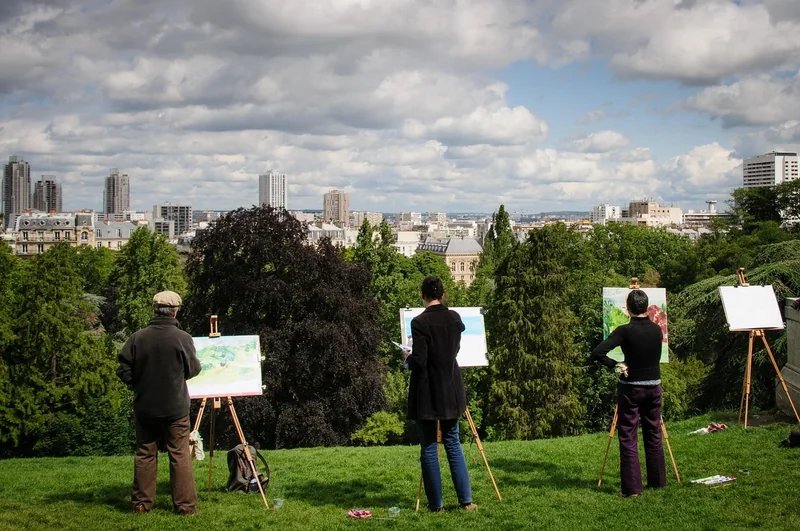
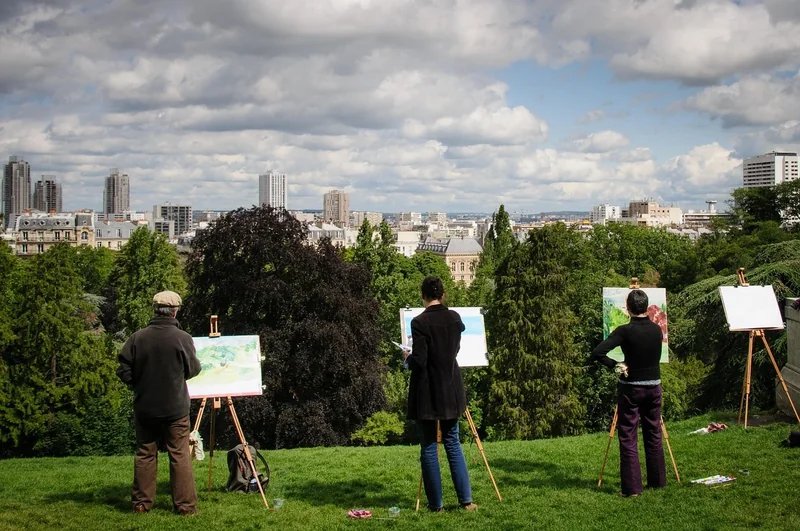
Parc des Buttes-Chaumont at Dusk
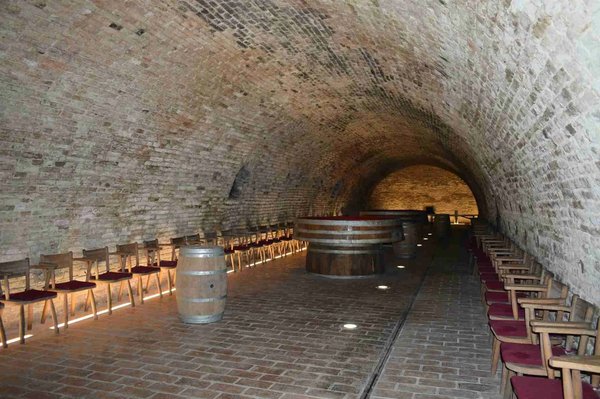
Wine Tasting in a Hidden Cellar