10 Experiences in Dublin
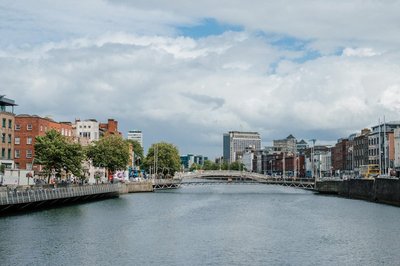
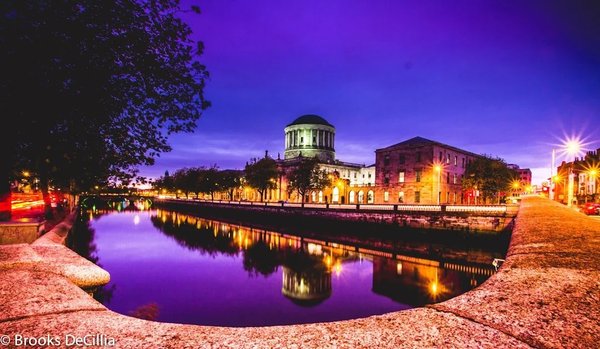
Dublin sits where the River Liffey meets Dublin Bay, a city whose written history stretches back to a Viking longphort and whose personality has been shaped by monastic scholars, Georgian architects, revolutionary nationalists, and a literary tradition that produced four Nobel laureates. The streetscape shifts block by block: cobblestoned lanes around Christ Church give way to the wide Georgian terraces of Merrion Square, which in turn yield to the glass offices of the Docklands.
With a population just over one million in the city proper, Dublin is compact enough to cross on foot in under an hour yet dense enough to spend days uncovering layers of detail. Traditional pubs where musicians tune fiddles and uilleann pipes sit a few doors from Michelin-starred restaurants; outdoor markets selling farmhouse cheese operate in the shadow of medieval towers.
This guide covers 10 essential experiences that span the city's Viking roots, its Georgian elegance, its turbulent path to independence, and the creative energy that keeps it evolving. Whether you have a weekend or a full week, these are the places that reveal what Dublin actually is.
Top Things to Do in Dublin
Trinity College
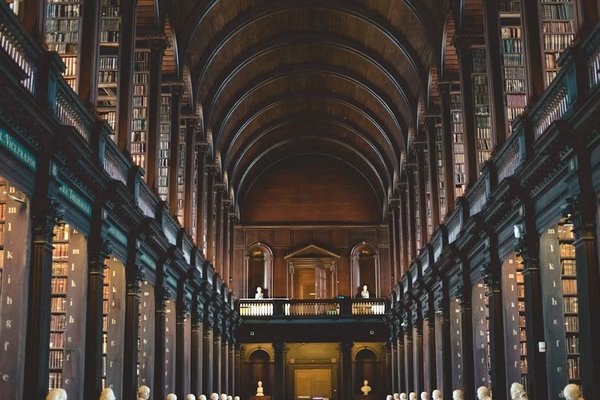
Home of the Book of Kells and the Long Room.
Dublin Castle
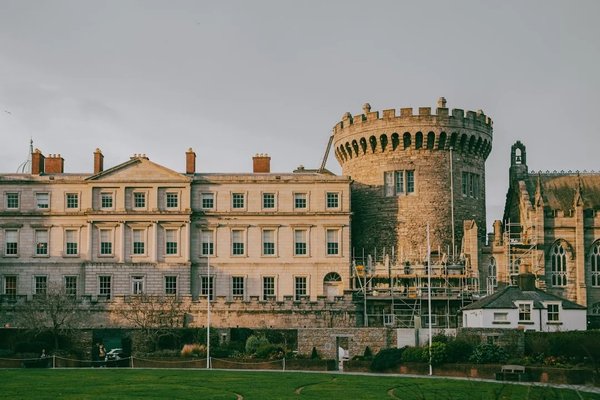
Eight centuries of Irish governance in one complex.
Phoenix Park
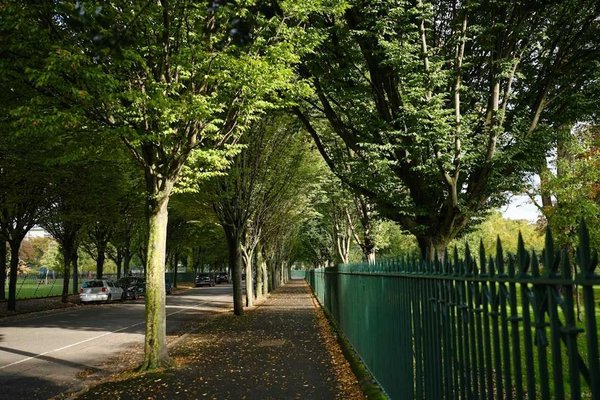
One of Europe's largest enclosed urban parks.
Temple Bar
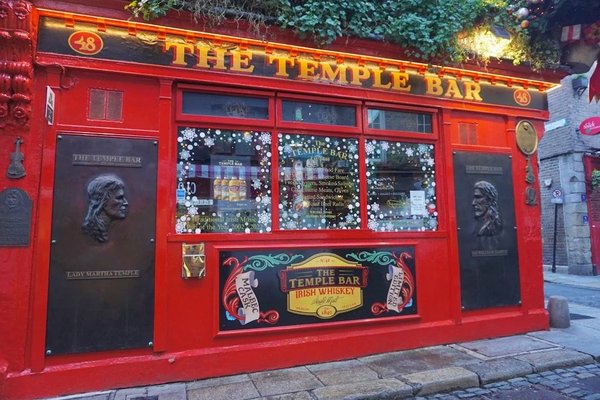
Dublin's cultural quarter since the 1990s revival.
Guinness Storehouse
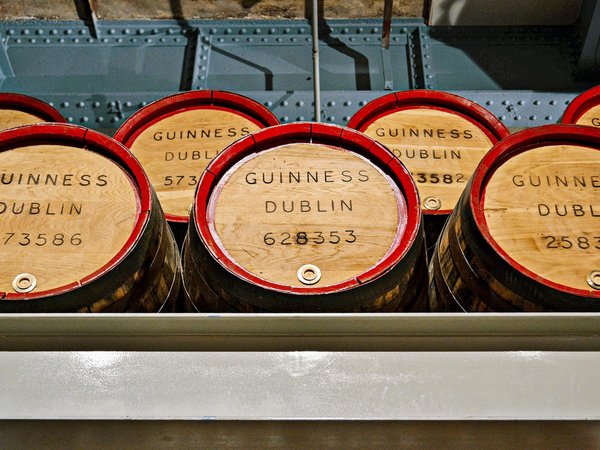
Seven floors inside Ireland's most famous brewery.
National Museum of Ireland
Celtic gold, Viking swords, and bog bodies — all free.
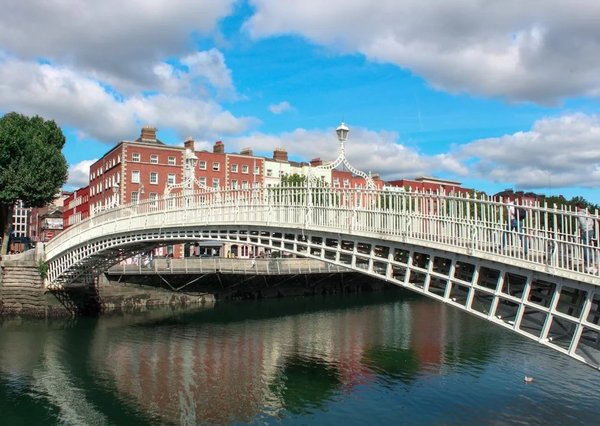
Ha'penny Bridge
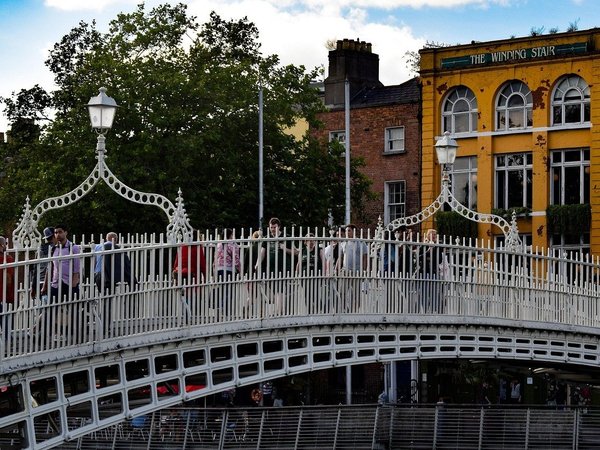
Dublin's most photographed river crossing since 1816.
St Patrick's Cathedral
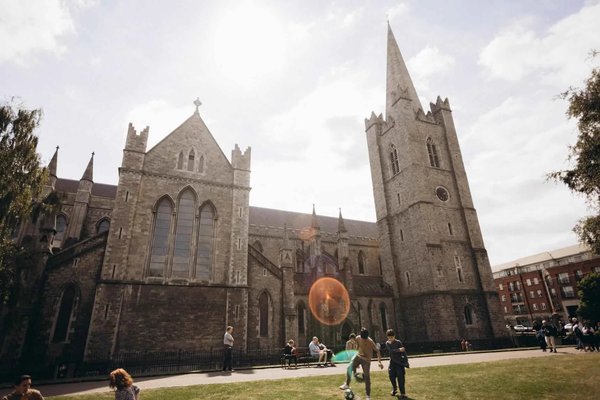
Ireland's largest church, founded in 1191.
Kilmainham Gaol
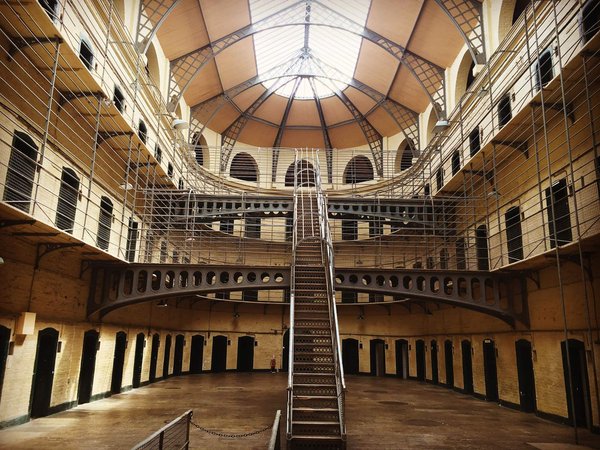
The prison that shaped modern Ireland.
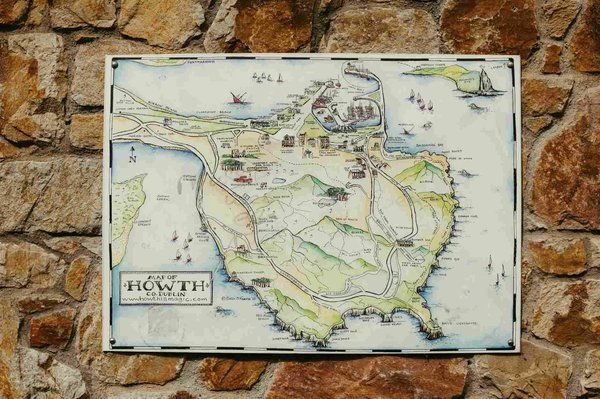
Howth Cliff Walk
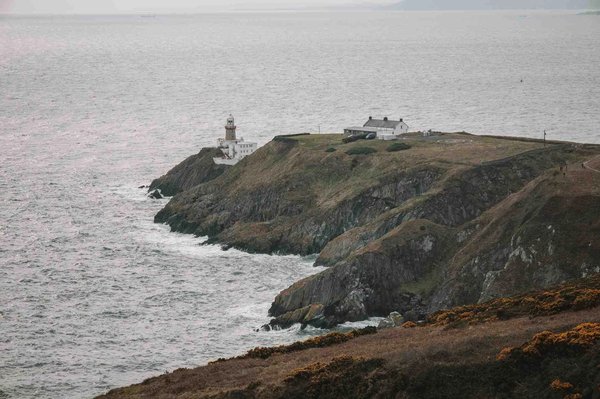
A coastal loop with views of Dublin Bay and Ireland's Eye.
Recommended Itineraries in Dublin
Historic Dublin: Medieval Walls to Georgian Squares
Afternoon — Walk east along Dame Street to Trinity College and queue for the Book of Kells exhibition. Afterwards, cross into Merrion Square to admire the Georgian doorways and the Oscar Wilde statue, then continue to the National Gallery of Ireland for its collection of Vermeer, Caravaggio, and Jack B. Yeats.
Evening — Return to Temple Bar for dinner at one of the side-street restaurants, avoiding the overpriced tourist traps on the main drag. End the night with a pint and live traditional music at The Cobblestone in Smithfield, a ten-minute walk north across the Liffey.
Literary Dublin: From Swift to Beckett
Afternoon — Cross to St Patrick's Cathedral to see Jonathan Swift's grave and the wooden "chancing your arm" door, then loop through the Liberties neighbourhood to Marsh's Library, Ireland's oldest public library, opened in and virtually unchanged since. Its caged reading alcoves were designed to prevent theft of rare volumes.
Evening — Take a literary pub crawl that begins at The Duke on Duke Street, winding through establishments linked to Behan, Kavanagh, and Flann O'Brien, with professional actors performing passages along the way.
Dublin Bay: Coast, Craft, and Seafood
Afternoon — Continue on the DART to Dalkey, a compact village where Maeve Binchy and Bono both lived. Climb Dalkey Hill for a panorama that stretches from Killiney Bay to the Sugar Loaf mountain, then explore Dalkey Castle and Heritage Centre for an interactive tour of the medieval tower house.
Evening — Return to Howth by DART for a seafood dinner at one of the harbour restaurants — crab claws and Dublin Bay prawns with soda bread — while watching the fishing boats come in. The last DART back to Connolly Station leaves around .
When to Visit
May to September: The Best Months for Dublin
Dublin's oceanic climate means mild temperatures year-round but frequent rain in every season. The driest and warmest window runs from May to September, when daylight stretches past 21:00 and outdoor events fill the calendar. March draws crowds for St Patrick's Day, while November and December offer cozy pub culture and festive Christmas markets at lower hotel rates.
Peak Season
June through August brings the warmest weather and longest days, but also the highest prices and largest crowds.
Shoulder Season
April–May and September–October strike the best balance of pleasant weather, manageable crowds, and reasonable prices.
Low Season
November through February offers the lowest hotel rates and fewest tourists, though temperatures hover around 5°C with frequent rain.
Tips for Visiting Dublin
Local Experiences in Dublin
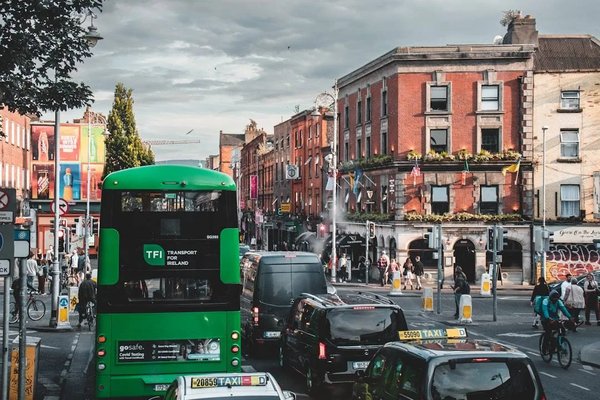
Discover Dublin's Local Markets
Explore the Portobello District