
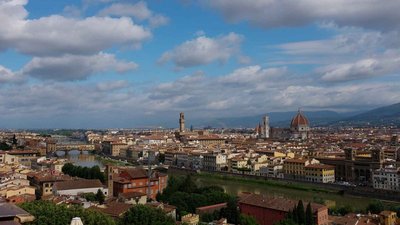
DISCOVER TUSCANY
The best destinations and travel guides to explore Toscana, Italia
Why visit Toscana
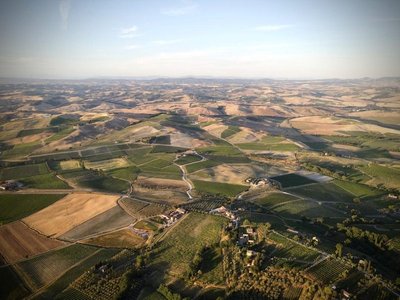
Tuscany, located in central Italy, is a region of unparalleled beauty and cultural richness. Its iconic rolling hills, dotted with cypress trees, olive groves, and vineyards, create a postcard-perfect landscape that has inspired artists for centuries. The region is home to Florence, the cradle of the Renaissance, where masterpieces by Michelangelo, Botticelli, and Leonardo da Vinci can be admired in world-renowned museums like the Uffizi Gallery. Tuscany boasts a wealth of UNESCO World Heritage Sites, including the historic centers of Florence, Siena, and San Gimignano, as well as the breathtaking Val d’Orcia. Food and wine are at the heart of Tuscan culture, with traditional dishes like ribollita, pappa al pomodoro, and bistecca alla Fiorentina paired with world-class wines from Chianti, Montepulciano, and Montalcino. Visitors can also relax in natural hot springs, explore medieval villages, or enjoy the pristine beaches of the Maremma coast. Whether you’re an art lover, a foodie, or a nature enthusiast, Tuscany offers an unforgettable journey through history, culture, and stunning landscapes.
Must-See Highlights
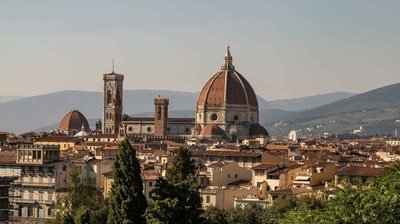
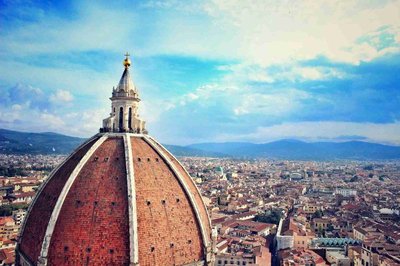
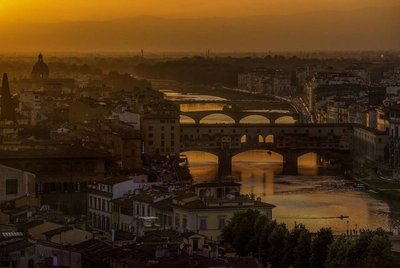
- Florence - Cradle of the Renaissance with the Duomo, Uffizi Gallery, and Ponte Vecchio
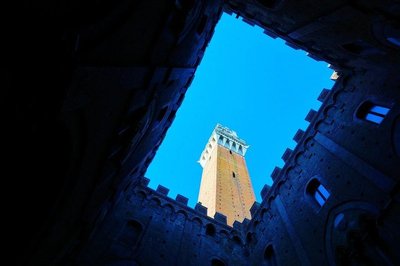
- Siena - A medieval gem with the stunning Piazza del Campo and the famous Palio horse race
- Pisa - Home to the iconic Leaning Tower and the UNESCO-listed Piazza dei Miracoli
- San Gimignano - A charming hilltop town known for its medieval towers and Vernaccia wine
- Val d'Orcia - A UNESCO World Heritage landscape of rolling hills, cypress-lined roads, and historic villages
- Chianti Wine Region - Renowned for its vineyards, wine tastings, and scenic drives
- Lucca - A walled city with cobblestone streets, Romanesque churches, and a vibrant local culture
- Cortona - A picturesque hill town made famous by the book and film 'Under the Tuscan Sun'
- Maremma - A coastal area with unspoiled beaches, nature reserves, and traditional butteri (cowboys)
- Saturnia - Relax in the natural thermal baths and cascading hot springs of this tranquil retreat
When to Visit Tuscany
The best time to visit Tuscany is during spring (April to June) and autumn (September to October), when the weather is pleasantly mild, and the countryside is at its most vibrant. Spring brings blooming flowers and lush greenery, while autumn offers golden vineyards and the excitement of the grape harvest. Summer (July to August) is ideal for beachgoers but can be hot and crowded in cities. Winter (November to March) is quieter, with fewer tourists and opportunities to enjoy cozy Tuscan cuisine, though some rural attractions may have limited access. Key events include the Palio di Siena in July and August, and the grape harvest festivals in autumn.
Getting Around
Tuscany is well-connected, with Florence serving as the main transportation hub. Regional trains efficiently link major cities like Siena, Pisa, and Lucca, making them accessible for day trips. However, to fully explore the countryside, medieval villages, and Chianti wine roads, renting a car is highly recommended. Buses provide additional connections to smaller towns, though schedules can be limited. For a unique experience, consider cycling through the scenic landscapes of Val d’Orcia or Chianti. Major airports in Florence and Pisa offer convenient access to the region, and high-speed trains connect Florence to other Italian cities like Rome and Milan.
Tuscany at a Glance
5
Available Guides
2
Cities to Explore
10
Main Attractions
3-5
Recommended Days
Most popular destinations in Toscana
Frequently Asked Questions about Tuscany
What is the best time to visit Tuscany?
What is the best time to visit Tuscany?
The best time to visit Tuscany is during spring (April to June) and autumn (September to October), when the weather is pleasantly mild, and the countryside is at its most vibrant. Spring brings blooming flowers and lush greenery, while autumn offers golden vineyards and the excitement of the grape harvest. Summer (July to August) is ideal for beachgoers but can be hot and crowded in cities. Winter (November to March) is quieter, with fewer tourists and opportunities to enjoy cozy Tuscan cuisine, though some rural attractions may have limited access. Key events include the Palio di Siena in July and August, and the grape harvest festivals in autumn.
How can I get around Tuscany?
How can I get around Tuscany?
Tuscany is well-connected, with Florence serving as the main transportation hub. Regional trains efficiently link major cities like Siena, Pisa, and Lucca, making them accessible for day trips. However, to fully explore the countryside, medieval villages, and Chianti wine roads, renting a car is highly recommended. Buses provide additional connections to smaller towns, though schedules can be limited. For a unique experience, consider cycling through the scenic landscapes of Val d’Orcia or Chianti. Major airports in Florence and Pisa offer convenient access to the region, and high-speed trains connect Florence to other Italian cities like Rome and Milan.
How many days do I need to visit Tuscany?
How many days do I need to visit Tuscany?
We recommend dedicating at least 3-5 days to visit the main attractions of Tuscany. A week or more allows you to explore the region in depth.
What are the main attractions to see?
What are the main attractions to see?
The main attractions include:
- Florence - Cradle of the Renaissance with the Duomo, Uffizi Gallery, and Ponte Vecchio
- Siena - A medieval gem with the stunning Piazza del Campo and the famous Palio horse race
- Pisa - Home to the iconic Leaning Tower and the UNESCO-listed Piazza dei Miracoli
- San Gimignano - A charming hilltop town known for its medieval towers and Vernaccia wine
- Val d'Orcia - A UNESCO World Heritage landscape of rolling hills, cypress-lined roads, and historic villages