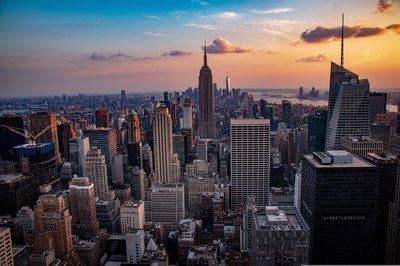
Manhattan skyline seen from Brooklyn Bridge Park at sunset

Best U.S. Cities for First-Time Travelers

Best U.S. Cities for a first trip: 7 destinations with iconic attractions, lively neighborhoods, and reliable transit. Tickets from $1 to $43 and domestic flights between hubs in 2-6 hours.

Top List

Updated on · 10 min read

At a glance

Ranked

  1. New York (4 days)
  2. Washington DC (2 days)
  3. San Francisco (3 days)
  4. Chicago (2 days)
  5. Boston (2 days)
  6. Los Angeles (3 days)
  7. Miami (2 days)

This ranking of the Best U.S. Cities guides travelers seeking a first itinerary balanced between urban icons and simple logistics. We cover seven destinations with major museums, music, and beaches, assessing public transport, average costs, and attraction density. For the climate, consider summers between 22-33°C and winters with lows around -6–0°C in Northeastern cities, adjusting clothing and pace.

It’s worth combining 2-3 contiguous cities in 10-14 days. The NYC–DC at 362 km is served by Amtrak in 3h20, while a SFO–LAX flight takes about 1h20. The recommended order goes from the Northeast to the South, then the West Coast, reducing layovers. We include visit times for each stop and useful passes (daily or weekly) to keep transfer costs down. Advance reservations are recommended whenever we indicate timed windows or limited-number tickets to avoid lines and optimize each day.

How we built the ranking

  • Iconic attractions: number of top-10 sites and average admission cost
  • Food and neighborhoods: density of rated restaurants and diversity of districts to visit
  • Public transport: metro/bus coverage and average airport-downtown times
  • Average costs: tickets, urban passes, and mid-range lodging

The ranking

The interactive map loads once you accept cookies: map data comes from OpenFreeMap (OpenStreetMap) servers.

Manage cookie preferences
1
Manhattan skyline seen from Brooklyn Bridge Park at sunset

New York

4 days $195/day urban travelers and museum lovers

Offers the highest density of attractions reachable by subway, with highly diverse cultural and culinary options and services open late.

New York concentrates museums, skyline, and theaters within areas reachable by the subway. Top of the Rock offers views over Central Park; booking an evening slot costs $44 with entries up to 22:00. For art, the MoMA exhibits Warhol and Picasso; tickets sell out on weekends. From JFK airport you reach Midtown in about 60 minutes with the AirTrain at $8.75 plus a subway ride. Plan a sunset walk along Brooklyn Heights (Promenade) for bridge photos. Avoid lines by booking online and dedicate a day to Harlem between gospel and soul food, accounting for travel times between boroughs.

  • Subway fare $2.90 with OMNY contactless
  • Staten Island Ferry free, 25 minutes each way
  • MoMA open 10:30-17:30 on weekdays
  • JFK–Midtown about 25 km with rail connections
  • Broadway: digital lotteries from $20
Read the New York guide
2
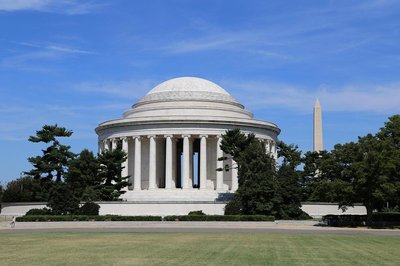
Washington Monument reflected in the Reflecting Pool

Washington DC

2 days $165/day history lovers and free museums

Maximum cultural accessibility thanks to free museums and efficient metro; ideal for short itineraries with a high content/time ratio.

In Washington DC, the Smithsonian museums are free and clustered along the National Mall, ideal for a compact itinerary. The National Air and Space Museum requires free timed slots; the Washington Monument uses limited-release tickets with a $1 fee. Getting around is simple with the Metro: a 1-Day Pass costs $13 and covers many routes. From DCA airport you reach the Mall in 15 minutes. On foot, you can link the Lincoln Memorial and the Capitol in about 35 minutes, avoiding multiple transfers. Reserve visits to the Capitol Visitor Center in advance to secure preferred times.

  • Smithsonian: free admission to main collections
  • DCA–National Mall 7 km via Metro
  • Monuments illuminated until 23:00
  • Tidal Basin: 4.4 km walking loop
  • Metrobus (WMATA fare) for the National Mall
Read the Washington DC guide
3
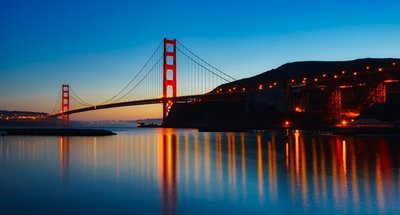
Golden Gate Bridge seen from Battery Spencer with fog

San Francisco

3 days $175/day photography, foodies, and walkers

Iconic scenery, public transport useful even without a car, and attractions bookable in advance; predictable costs for the main experiences.

San Francisco blends hills, bridges, and historic neighborhoods served by MUNI and BART. The daytime Alcatraz tour departs from Pier 33; base tickets cost $43 and include an audio guide. Cable cars have a single fare of $9. From SFO airport to Powell Street, BART costs $9.65 in about 35 minutes. We recommend walking the Golden Gate Bridge from the south side to Vista Point, accounting for wind and return times. In North Beach, historic pizzerias and Italian cafés sit within a few blocks: handy for breaks between Coit Tower and Chinatown.

  • Cable cars: first run 7:00, last 22:00
  • Pier 39–Fisherman’s Wharf 900 m
  • Ferry to Sausalito 30 minutes
  • CityPASS 4-attraction option from $76
  • Downtown parking with hourly rates $4
Read the San Francisco guide
4
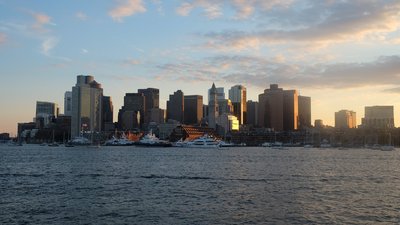
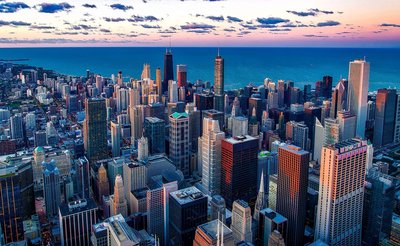
Chicago River with Loop skyline at sunset

Chicago

2 days $155/day architecture and city breaks

Balance between culture and lakeside walks, quick airport connections, and top-tier attractions with clear costs.

The skyline on Lake Michigan and architecture make Chicago compact and easy by train. The Art Institute of Chicago costs $32 and takes 2-3 hours. For views, the Skydeck at Willis Tower uses timed slots with tickets from $35. From O’Hare airport the Blue Line reaches the Loop in 45 minutes; the airport fare is $5. On foot, Millennium Park links to the Riverwalk in 15 minutes. For an architectural cruise on the Chicago River, plan 75 minutes, with evening departures in high demand.

  • Cloud Gate: free access all day
  • Riverwalk: 2.1 km route
  • CTA single ride $2.50
  • Navy Pier Ferris wheel $18
  • Museum of Contemporary Art 10:00-17:00
Read the Chicago guide
5
Freedom Trail marker in front of the Old State House

Boston

2 days $145/day colonial history and walking tours

Compact, rich in historic sites, and well served by transit; ideal for those who favor themed walks and controlled costs.

In Boston, retrace the Revolution along the Freedom Trail (4 km), marked by red bricks. The Boston Tea Party Ships & Museum uses $34 tickets with reenactment shows. The MBTA day pass (1-Day Pass) costs $11.00 and covers subway and bus. From Logan airport you reach South Station in about 20 minutes via the Silver Line; inbound ride is free. Harvard Yard is 20 minutes by Red Line from Downtown; watch for guided tour bookings during peak periods.

  • Old North Church: suggested donation $5
  • View Boston (Prudential Tower): 10:00-22:00 daily
  • North End: 800 m from Faneuil Hall
  • Ferry to Charlestown 10 minutes
  • Cambridge–Downtown 6 km via Red Line
Read the Boston guide
6
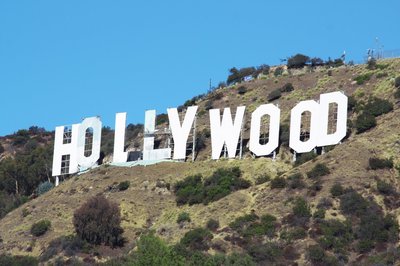
Griffith Observatory with Downtown Los Angeles skyline in the background

Los Angeles

3 days $185/day cinephiles and contemporary art lovers

Broad free cultural offerings and improving transit; routes need coordination, but the variety of neighborhoods pays off.

Los Angeles requires planning but rewards with cinema, hills, and ocean. The Getty Center is free (timed reservation); parking $25. The LACMA adult ticket is $30 for non-LA County residents ($25 for residents); book evening slots for Urban Light. The Griffith Observatory is open until 22:00 on weekends, with the planetarium at $10. From LAX, the FlyAway Bus to Union Station costs $9.75. With a TAP card you pay $1.75 per ride and no more than $5 per day (weekly cap $18) and connects Hollywood, Downtown, and Santa Monica; mind connection times to reach Venice in the late afternoon.

  • Walk of Fame: 18 blocks along Hollywood Blvd
  • Santa Monica Pier: hours 6:00-22:00
  • Metro B (Red) every 12 minutes
  • Runyon Canyon: 4.8 km loop
  • Dodger Stadium Express free with game ticket
Read the Los Angeles guide
7
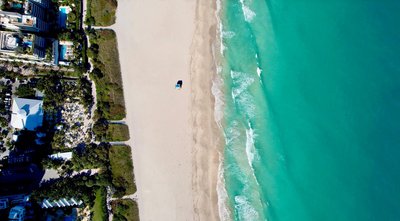
Colorful lifeguard towers on South Beach with the Miami Beach skyline

Miami

2 days $160/day sea, street art, and Latin nightlife

Beaches are easily accessible, urban art abounds, and downtown transit is free; costs are manageable by planning times and movements.

Miami combines beaches, art, and Caribbean cuisine. The Vizcaya Museum & Gardens costs $25 with entry 9:30-16:30; booking recommended on weekends. The Wynwood Walls require tickets at $12 with timed slots. The Metromover is free in Downtown/Brickell, while a 1-Day Metrorail Pass costs $5.65. From MIA airport to Brickell takes 25 minutes via the Orange Line. For South Beach, the free Beach Trolley complements buses; consider evening traffic on the MacArthur Causeway and choose morning times for Ocean Drive.

  • Little Havana: Calle Ocho 1.6 km of murals
  • Ferry to Fisher Island not public
  • Art Deco Welcome Center $5
  • Bayside–PortMiami 2.7 km
  • South Pointe Park: sunrise at 7:00 in summer
Read the Miami guide

Frequently Asked Questions

How many days do you need to visit the Best U.S. Cities on a first trip?

For an itinerary of 2-3 cities we recommend 10-14 days. Example: New York 4 days for museums and neighborhoods, Washington DC 2 days for Smithsonian and monuments, Boston 2 days on the Freedom Trail. Adding Chicago requires 2 days for the Art Institute and Riverwalk. If we include the West Coast, plan domestic flights of 1h20-6h depending on the routes. It’s advisable to concentrate arrivals into central hubs to reduce airport-downtown transfers to 20-60 minutes, optimize days, and keep a buffer for weather and security line delays.

How much does a trip to the main U.S. cities cost?

For daily expenses, consider $145-200 per person across meals, museums, and transit. Examples: Metro DC 1-Day Pass $13, MUNI cable car $8, Alcatraz ticket $43. Admission to LACMA $30 (non-LA County residents; $25 residents) and Top of the Rock $44. Central mid-range hotels vary between $180-260 per night in a double. Domestic flights booked 6-8 weeks ahead can be found from $99-160 one-way. Combine city passes only if they cover at least three full-price attractions within your chosen period.

When to go: seasons and temperatures in the Best U.S. Cities?

Spring and autumn offer a balance between crowds and weather: New York 12-22°C in May-June, Boston 10-20°C in October. In summer Miami reaches 30-33°C with high humidity; prefer mornings for outdoor activities. Winter in Chicago can drop to −5°C, focusing on museums and indoor transfers. On the West Coast, San Francisco holds 14-20°C with winds on the Golden Gate. Plan flexible times for possible rain and book afternoon museum slots to avoid the busiest hours, especially on weekends.

How to get around without a car in big U.S. cities?

Rely on subway and bus: in New York the OMNY weekly fare cap is $35 (after $35 in rides within 7 days, you ride free); in Washington DC the 1-Day Pass is $13. San Francisco connects SFO–downtown with BART at $9.65, while cable cars are $8. In Chicago the Blue Line from O’Hare airport is $5; in Los Angeles the TAP Day Pass costs $6. Miami uses the Metromover free in Downtown. Plan connection times and prefer lodging near high-frequency lines to reduce transfers beyond 30 minutes per leg.

How to link multiple cities in a single itinerary?

In the Northeast, Amtrak’s NEC links Boston–NYC–DC: you can find Regional tickets from $29-79 when booked in advance. For air bridges, flights NYC–Chicago from $99 in 2h15 and LAX–SFO in 1h20. Central stations (Moynihan Hall, Union Station) reduce taxis to 0-15 minutes on foot toward hotels. Consider light baggage to meet boarding of 40-45 minutes and connection buffers of 60-90 minutes between trains or flights, especially in evening slots.

Where to stay and which neighborhoods are best for safety and convenience?

Choose neighborhoods served by metro. In New York aim for Midtown East or the Upper West Side; in Washington DC for Downtown/Capitol Hill; in Boston for Back Bay. In Chicago the Loop guarantees walkability; in San Francisco prefer Union Square or Nob Hill. In Los Angeles, base in Hollywood or Downtown to reduce transfers; in Miami, Brickell for the Metromover. Central mid-range hotels typically cost $180-260 per night; book with flexible cancellation and verify walking times of 5-12 minutes from major stops.

Do you need to book attractions in advance?

Yes, for limited slots and checks. Alcatraz should be booked 14 days in advance in high season; base tickets cost $43. Top of the Rock uses timed slots selected at booking at $44. In Washington DC, the Washington Monument requires a ticket with a $1 fee. Many museums allow cancellations up to 72 hours. Choose morning slots on weekends and evening slots on weekdays to reduce lines, keeping a buffer of 20-30 minutes for security checks.