
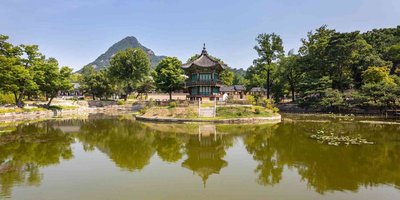
Seoul
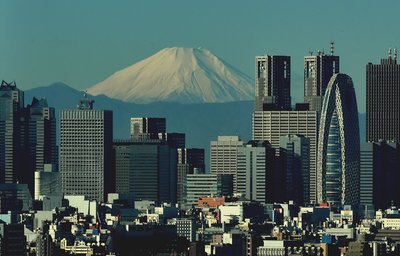
Tokyo
Many travelers compare Seoul and Tokyo because both offer ultra-connected megacities, excellent cuisine, and pop culture.You can connect them with a 2h 10m non-stop flight, with dozens of daily frequencies between ICN/GMP and NRT/HND.Both have extensive subways, lively districts like Hongdae and Shibuya, and scenic seasons: cherry blossoms in spring and foliage in autumn.The differences, however, are clear: Seoul costs less (3-star hotels €60–100), has royal palaces and a longer nightlife; Tokyo is larger, with major museums, Disney parks, and hyper-tech neighborhoods.Tokyo’s winter is milder, while Seoul offers nearby mountains like Bukhansan for hiking 30–60 minutes from downtown.In this guide you’ll find practical, measurable comparisons: daily budgets for every bracket, ticket prices for top attractions, times and costs from the airports, areas to stay, tips for families and nightlife, and a combined itinerary with times and costs to visit both in a single trip.
Seoul vs Tokyo
| Feature | Seoul | Tokyo |
|---|---|---|
| Daily budget | In Seoul a hostel in Hongdae costs €15–25 per night, a 3-star in Myeongdong €60–100, a 4-star in Gangnam €110–170.Meals: gimbap €2.1–3.4 (₩3,000–5,000), bibimbap €5.5–8.3 (₩8,000–12,000), BBQ €12–21 per person (₩18,000–30,000).Subway: €0.97–1.17 per ride (₩1,400–1,700) or 1-day pass €3.9 (₩5,600).T-money deposit €1.7 (₩2,500).Taxi: base €3.3 (₩4,800), 10 km €9–12.Daily budget: €45–70 (budget), €90–140 (mid-range), €220–350 (luxury).✓ Better | In Tokyo a hostel bed in Asakusa costs €20–35, a 3-star in Shinjuku €90–140, a 4-star in Ginza €170–260.Meals: ramen €5.6–7.5 (¥900–1,200), kaiten-sushi €6.9–9.4 for 10 plates (¥110–150 each), average dinner €15–25.Subway: €1.06–1.31 (¥170–210) or Tokyo Subway Ticket 24h €5.0 (¥800).Suica deposit €3.1 (¥500).Taxi: base €3.1 (¥500), 5 km €12–15 (¥2,000–2,400).Daily budget: €60–90 (budget), €130–200 (mid-range), €260–450 (luxury). |
| Top attractions | In Seoul visit Gyeongbokgung (€2.1; ₩3,000; 1.5–2 hours) and the Hyangwonjeong Pavilion.Ride up to N Seoul Tower (€14.5; ₩21,000; 60–90 min) for skyline views.Stroll through Bukchon Hanok (free; 45–60 min) and the War Memorial of Korea (free; 1.5–2 hours).For families, Lotte World (€42–46; ₩62,000–66,000; 4–6 hours).DMZ tours from Seoul €38–60 (₩55,000–90,000; 6–7 hours).All attractions are reachable by subway within 30–40 minutes from Myeongdong. | In Tokyo go up Tokyo Skytree (€13.1–19.4; ¥2,100–3,100; 60–90 min), explore Senso-ji in Asakusa (free; 45–60 min) and Meiji Jingu (free; 40–60 min).The Tokyo National Museum costs €6.3 (¥1,000; 1.5–2 hours).Immersive experience at teamLab Planets (€23.8; ¥3,800; 1.5–2 hours).Urban views at Shibuya Sky (€13.8; ¥2,200; 60–90 min).Everything is connected by Tokyo Metro and JR in 20–45 minutes from Shinjuku.✓ Better |
| Food and restaurants | In Seoul try Gwangjang Market for bindaetteok (€3.5–5.5) and mayak kimbap (€2–3).BBQ at Mapo Galmaegi (Mapo) €15–22 per person.Tosokchon Samgyetang (Jongno) serves ginseng chicken soup at €12–15. Street food in Myeongdong: tteokbokki €2.8–4.1 and hotteok €1.7–2.1. Specialty coffee at Anthracite (Hapjeong) €3.5–4.5. A modern dinner at Mingles (Gangnam, 2 stars) starts at €120–150 for the tasting menu. | In Tokyo eat ramen at Ichiran (Shibuya) €7–9, sushi at Sushiro or Uobei €7–12 for 10–12 plates.Tempura at Tempura Tsunahachi (Shinjuku) €18–28. At Toyosu Market a sashimi set costs €12–20. Gyukatsu Motomura (Shibuya) €14–20. Third-wave coffee at Blue Bottle (Aoyama) €3.5–5. Mid-range omakase at Sushi Zanmai (Tsukiji) €35–60; high-end like Sukiyabashi Jiro exceeds €250. |
| Climate and best time | Seoul has cold winters: January -2–2 °C with windy days.Hot/humid summers: August 24–31 °C, monsoon rains in June–July.Spring (April–May) 12–23 °C with blossoms in mid-April; autumn (September–October) 14–22 °C with intense foliage.Best months: April–May and late September–October.In winter bring a thermal jacket and non-slip shoes; in summer bring a compact umbrella and insect repellent. | Tokyo is milder in winter: January 2–10 °C, rare snowfall.Hot summers: August 25–33 °C with high humidity and typhoon risk from late August to September.Spring (late March–early April) 10–18 °C for hanami; autumn (November) 10–17 °C for foliage in parks like Shinjuku Gyoen.Recommended months: March–April and November.In summer use a hat and electrolytes; lightweight shoes for walking.✓ Better |
| Transport and how to get there | From ICN take the AREX Express €6.6 (₩9,500; 43 min) to Seoul Station; limousine bus €11.3 (₩16,000; 60–70 min).Taxi ICN–Myeongdong €45–52 (₩65,000–75,000; 60–80 min).Subway: 1 ride €0.97–1.17; 1-day pass €3.9. Convenient lines: Line 2 (ring), Line 4 (Myeongdong), AREX.From the city airport GMP to Seoul Station 20–25 min by subway (€1.1).T-money usable on buses, subway, and taxis. | From NRT take the Narita Express €25.4 (¥4,070; 53–65 min) or Keisei Skyliner €16.1 (¥2,570; 41 min) to Ueno/Nippori.From HND, Tokyo Monorail €3.1–4.1 (¥500–660; 15–20 min) or Keikyu €1.9–3.1 (¥300–500; 20–25 min).Taxi NRT–Shinjuku €156–188 (¥25,000–30,000).Subway: ticket €1.06–1.31; 24h pass €5.0. JR and Tokyo Metro networks cover 13 main lines; Suica/PASMO are rechargeable and contactless.✓ Better |
| Nightlife | In Seoul the hot zones are Hongdae, Itaewon, and Gangnam.Beer in local bars €3–4 (₩4,000–6,000), cocktails €7–10 (₩9,000–14,000), club entry €10–20 (₩15,000–30,000).Venues like Club Octagon (Gangnam) and NB2 (Hongdae) close at 4–5am.Noraebang karaoke €8–15/hour (₩12,000–22,000).Last subway 00:00–01:00; night taxis available via Kakao T.Streets are crowded on Fridays 22:00–02:00.✓ Better | In Tokyo head to Shibuya, Shinjuku Golden Gai, and Roppongi.Beer €3.8–5.6 (¥600–900), cocktails €6.3–9.4 (¥1,000–1,500), club entries €12–25 (¥2,000–4,000).Clubs like Womb (Shibuya) and ageHa have events until 5am.Bars in Golden Gai often have a cover €2–5 (¥300–800).Last trains 00:00–00:30; night taxi 3 km €8–10. Convenience stores 24/7 for snacks and ATMs. |
| For families with children | In Seoul there’s Lotte World (€42–46; 4–6 hours), COEX Aquarium €22.5 (₩33,000; 1.5–2 hours), and Children’s Grand Park (free; 2–3 hours).Seoul Zoo in Gwacheon is 14 km away (subway Line 4; 40 min; ticket €2–3).Strollers are fine on the subway with elevators at main stations like Seoul Station and Gangnam.Stroller rental in malls like COEX is free with a deposit.Restaurants commonly have high chairs in Myeongdong and Jongno. | In Tokyo highlights include Tokyo Disneyland and DisneySea (Urayasu; 15–18 km; 30–40 min; tickets €58–82 by date), Ueno Zoo €3.8 (¥600; 1.5–2 hours) and Miraikan €3.9 (¥630; 1.5–2 hours) in Odaiba.teamLab Planets is sensory (barefoot; 1.5 hours).Stroller rental at Disney parks €6.3/day (¥1,000).Family bathrooms in stations like Tokyo and Shinjuku.Fast transfers with the JR Keiyo Line for Disney.✓ Better |
| Beaches and nature | Seoul isn’t on the sea, but the parks along the Hangang (Yeouido; 6 km from the center) offer cycling and picnics (bike rental €2–4/hour).For a beach, Eurwangni Beach in Incheon is 63 km from Myeongdong (70–90 min; bus + subway; free).Hiking at Bukhansan (11–20 km; 30–60 min by bus/subway; trails 3–4 hours; free).Trip to Nami Island 63 km (1h30; ITX train + shuttle; entry €9–11). | Tokyo offers nearby sea: Kamakura Yuigahama 55 km from Shinjuku (70 min JR; €5.9; ¥940), Enoshima 58 km (80 min; €6.3).In the city, Odaiba Seaside Park is only partially swimmable (often no swimming), but great for sunsets.Nature at Mount Takao 50 km (50 min Keio; €2.4; ¥390) with 2–3 hour trails and cable car €5–7 round trip.Okutama has lakes and canyons 90 min by JR.✓ Better |
| Shopping | In Seoul head to Myeongdong for K-beauty (sheet masks €0.7–1.5), Namdaemun Market for utensils and textiles, and Dongdaemun (Doota, Migliore) for fashion until 02:00.In Hongdae you’ll find indie brands and sneakers; at COEX Mall electronics and the Starfield library.10% tax refund on purchases over ₩30,000 with passport.220V type F adapters; many stores accept Visa and Mastercard. | In Tokyo go to Ginza for luxury, Shibuya PARCO for streetwear, Akihabara for electronics and Nakano Broadway for manga/figures.At Ameya-Yokocho you’ll find discounted sneakers and snacks.Tax-free above ¥5,000 with passport.Typical prices: local brand T-shirt €20–40, anime figure €12–60, entry-level headphones €30–70. Many stores open 10:00–20:00; SEGA arcades until 23:00.✓ Better |
| Safety and practical tips | Seoul is very safe; pickpocketing is rare in Myeongdong and Hongdae.Avoid unlicensed taxis near Dongdaemun.Emergency numbers: 112 police, 119 ambulance.SIM: eSIM 5 GB/30 days €14 (₩19,900).Get a T-money for subway and convenience stores.Etiquette: don’t speak loudly on the subway; trash bins are scarce so carry a small bag.In summer watch for mosquitoes along the Hangang after 19:00. | Tokyo is among the safest cities; watch out for touts in Roppongi and Kabukicho.Emergencies: police 110, ambulance 119.SIM/eSIM 10 GB/30 days €15.6 (¥2,500).Be prepared for earthquakes: download an alert app.Typhoon watch in August–September.Use Suica for subway and vending machines.Few trash cans: carry a bag.International ATMs in 7-Eleven and Japan Post. |
| How many days do you need | For Seoul 3 days cover Gyeongbokgung, Bukchon, N Seoul Tower, and Hongdae.In 4–5 days add the DMZ (6–7 hours) or hiking at Bukhansan (half day).Realistic times: average transfers 20–35 min by subway; shorter waits with T-money.4-day itinerary: royal palaces (6 hours), markets Gwangjang/Namdaemun (3 hours), Gangnam and COEX (3 hours), extra day for Lotte World (4–6 hours). | For Tokyo 3–4 days cover Asakusa, Ueno, Shibuya, Shinjuku, and one observatory (Skytree or Shibuya Sky).In 5–6 days add Odaiba (3–4 hours) and Kamakura (half day).Average transfers 20–45 min.5-day itinerary: day 1 Asakusa–Ueno (6–7 hours), day 2 Shibuya–Meiji (5–6 hours), day 3 Shinjuku–museums (4–5 hours), day 4 Odaiba (3–4 hours), day 5 excursion to Mount Takao or Kamakura. |
| How to combine the two cities | From Seoul to Tokyo non-stop flights 2h10–2h40 from ICN/GMP to HND/NRT with Korean Air, Asiana, ANA, JAL, low-cost Peach, T’way.Fares €90–180 one way if booked 2–3 months in advance; checked bag +€20–35. Check-in 2 hours.Slower alternatives: KTX Seoul–Busan 2h40 (€40–55) + ferry Busan–Fukuoka 3h (€35–55) + Shinkansen to Tokyo 4h50 (€110–150). | From Tokyo to Seoul it’s best to depart from HND (closer: 15–20 min by train) to GMP (20–25 min by subway to the center).Flights 2h10–2h40, 8–15 frequencies per airline per day in high season.Average prices €100–200 one way in spring–autumn; in August they exceed €220. Carry-on 7–10 kg included; checked bag often excluded.Avoid transiting via NRT or ICN if you have fewer than 5 total days. |
The Verdict
Choose Seoul
Choose Seoul if you want a dynamic trip among royal palaces, street food, and nights in Hongdae on a lower budget.Ideal period: April–May or late September (12–22 °C).Indicative 4-day budget: 3-star accommodation €280–380, meals €80–140, transport €15–25, attractions €40–80 (total €415–625).Quick itinerary: day 1 Gyeongbokgung and Bukchon, day 2 Myeongdong and N Seoul Tower, day 3 DMZ or Bukhansan, day 4 Gangnam and COEX Aquarium.Average transfers 20–35 min by subway with T-money.
Choose Tokyo
Choose Tokyo if you’re after iconic neighborhoods, major museums, and Disney parks, accepting higher costs but impeccable services.Ideal period: March–April or November (10–18 °C).5-day budget: 3-star hotel €500–700, meals €150–230, transport €25–40 (72h pass €9.4), attractions €70–130 (total €745–1,100).Itinerary: day 1 Asakusa and Ueno, day 2 Shibuya and Meiji, day 3 Odaiba and teamLab, day 4 Skytree and Akihabara, day 5 DisneySea or Mount Takao.