
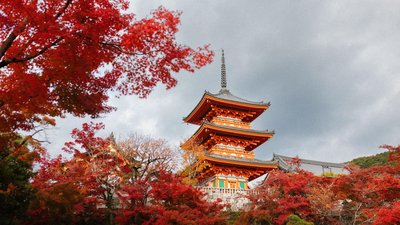
Kyoto
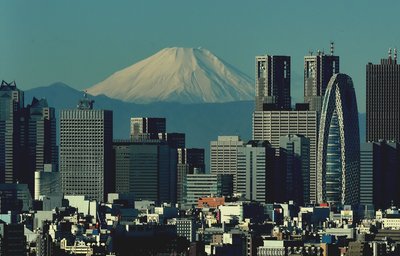
Tokyo
Many travelers compare Kyoto and Tokyo because on a first trip to Japan you often have 7–10 days and a set budget.The two cities offer complementary experiences: in Kyoto you’ll find 17 UNESCO sites and districts like Gion, in Tokyo observatories such as Shibuya Sky and markets like Tsukiji.Good planning means optimizing time and costs between attractions and travel.In short: Kyoto is more compact and cultural, with buses at €1.4 per ride and temples like Kiyomizu-dera (€2.5).Tokyo is a metropolis of 37 million in the area, 24‑hour metro pass €5 and observatories like Skytree (€13-19).Summer over 31°C, best months late March and mid‑November.Connection between the two by Shinkansen in 2h14 or overnight bus at €25-40.
In this comparative guide you’ll find updated prices, visit times, suggested itineraries and advice on neighborhoods to stay in.Each section includes precise numbers on tickets, transport, climate and safety to choose based on interests, duration and budget.
Kyoto vs Tokyo
| Feature | Kyoto | Tokyo |
|---|---|---|
| Daily budget | In Kyoto a 3‑star hotel around Kyoto Station or Shijo costs €80-120 per night; ryokan with onsen in Arashiyama start from €250-400. Meals: set lunch at Nishiki Market €8-12, obanzai dinner €15-25, kaiseki in Gion €80-140. Transport: bus/subway single ride €1.4-2, Subway 1-day pass €5, Bus+Subway 1-day €7.5. Taxi 5 km €12-15. Daily budget: backpacker €60-90, mid‑range €120-180, comfort €220+ including temple entries (€2-6) and matcha in Uji €3-5.✓ Better | In Tokyo 3‑star hotels in Ueno, Asakusa or Ikebukuro cost €90-150; capsule hotels €25-45, 4‑star in Shinjuku/Ginza €170-260. Meals: ramen (Ichiran) €9-12, sushi (Sushi Zanmai) €20-30, izakaya in Omoide Yokocho €15-25. Transport: metro ticket €1.2-1.6, Tokyo Subway 24h €5; top up Suica/PASMO with €3 deposit.Taxi 5 km €14-18. Daily budget: backpacker €70-110, mid‑range €150-220, comfort €280+ including entries to Skytree (€13-19) or teamLab (€23-25). |
| Top attractions | Fushimi Inari Taisha is free (2–3 hours to climb to the 233 m summit of Mount Inari).Kiyomizu-dera costs about €2.5 (1.5 hours), 1.6 km from Gion.Kinkaku-ji (Golden Pavilion) €3-4 (45–60 min).Nijo Castle combined ticket garden + Ninomaru €8-10.5 (1.5–2 hours).Arashiyama Bamboo Grove is free (2 hours with Togetsukyo Bridge).Optimal times: morning 7:00 in Higashiyama, sunset at Gion Shirakawa.Distances of 1–3 km between temples are manageable on foot. | In Tokyo the Tokyo Skytree costs €13-19 for the Tembo Deck (1.5 hours).Senso-ji in Asakusa is free (60 min), 300 m from Nakamise-dori.Meiji Jingu is free (45–60 min) in Yoyogi Park.teamLab Borderless at Azabudai Hills €23-25 (2 hours).Shibuya Sky €13-16 (1 hour) with a view of the Shibuya Crossing.Compact route: Asakusa–Ueno (1.5 km), then 15 minutes by metro to Akihabara.Book Skytree online for 30‑minute slots.✓ Better |
| Food and restaurants | In Kyoto try kaiseki at Gion Karyo or Gion Nanba for €80-140. Yudofu at Nanzen-ji’s Okutan costs €15-20 for lunch.At Nishiki Market: eel skewers €3-5, croquettes €2, mochi €1-2. Matcha tea at Tsujiri Gion €8-10. Local ramen at Menbakaichidai (fire ramen) €10-12. Sake at Gekkeikan Okura (Fushimi) tasting €3-5. Book 2–3 days ahead for kaiseki; many izakaya in Pontocho have a cover charge €2-4. | In Tokyo breakfast at Tsukiji Outer Market: tamagoyaki €0.7, onigiri €1.5-2.5. Quality sushi at Nemuro Hanamaru (KITTE) €20-35. Ichiran ramen €9-12. Tempura at Tempura Kondo (Michelin) lunch €27-55. Street food at Ameya-Yokocho €2-6. Advance booking required for Ghibli Museum snacks; for Toyosu Market tuna auction viewing is free but in 5:30–6:30 slots.Izakaya in Shinjuku/Shibuya €15-30 with cover €2-6 and last order 23:00.✓ Better |
| Climate and best time | Kyoto has hot, humid summers: July–August highs 31-33°C, lows 24-25°C, humidity >70%.Dry winter: January highs 8-9°C, lows 1-2°C.Rain: tsuyu in June with ~200-240 mm and 12–15 rainy days; typhoons possible between September–October.Sakura: last week of March – early April.Momiji: mid‑November.Best periods: late March and mid‑November; less crowded in May and early December.Avoid Golden Week (Apr 29–May 5). | In Tokyo similar climate but milder: January highs 10-12°C, lows 2-4°C; August highs 31-33°C.Rainy season in mid‑June with ~180 mm and ~12 rainy days; peak rainfall in September (~200 mm) with typhoon risk.Sakura: late March (parks Ueno and Shinjuku Gyoen).Autumn: late October–late November.Best periods: late March–early April, late October–mid‑November.Summer is muggy; consider air‑conditioned museums like Mori Art Museum and teamLab. |
| Transport and how to get there | For Kyoto land at Kansai Intl KIX: Haruka Express to Kyoto Station in 75 min, €18-20; limousine bus 90 min, €15-16. From Itami ITM bus 55 min, €8. In the city: bus €1.4, Subway 1-day €5, Bus+Subway €7.5. IC card ICOCA deposit €3. Taxi initial fare €3-4. Bicycles at €8-12/day.Key stations: Kyoto Station, Shijo, Sanjo.Last trains around 23:30. | In Tokyo from Narita NRT take Narita Express to Tokyo Station 53 min, €19-21, or Skyliner to Ueno 41 min, €16-17. From Haneda HND: monorail + JR 30-35 min, €5-7. In the city: Tokyo Subway 24h €5, 48h €7.5, 72h €9.5. IC Suica/PASMO deposit €3. Night taxi 6 km €18-22 (20% surcharge).Last trains around 00:20.Useful lines: JR Yamanote, Metro Ginza, Hanzomon.✓ Better |
| Nightlife | In Kyoto the scene is intimate around Pontocho and Kiyamachi-dori: bars and izakaya with cocktails €6-9 and cover €2-4. Club WORLD Kyoto entry €10-18; craft beer at Kyoto Brewing taproom €5-7. Many venues close 23:30-01:00; last trains ~23:30.Avoid intrusive photos of maiko in Gion (bans in private alleys).For a free night view, go up to Kyoto Station Sky Garden (until 22:00).Nightlife suited to quieter evenings. | In Tokyo nightlife is extensive: Shinjuku Golden Gai tiny bars with cover €3-9, drinks €6-10. Clubs in Shibuya like WOMB and Camelot entry €15-30 until 05:00.Roppongi has international lounges, beers €6-8. Karaoke 24/7 at Big Echo €6-12/hour.Last trains ~00:20; taxi 5–7 km €18-24. Avoid touts in Kabukicho.For a night skyline: Tokyo Metropolitan Gov free until 22:00.✓ Better |
| For families with children | In Kyoto the Kyoto Railway Museum costs €8 adults, €3.5 children (2 hours) with simulators.Kyoto Aquarium €14 adults, €7 children (1.5 hours).Arashiyama Monkey Park €3.8 adults, €1.9 children (60–90 min, 20–30 min uphill walk).Strollers: fine at Nijo Castle gardens and Kyoto Station; less so at Fushimi Inari (steps) and Kiyomizu (slopes).Restaurants with high chairs in Yodobashi food court.Trains to Nara: 45 min, €5.5 each way. | In Tokyo Ueno Zoo €3.7 adults, free (2 hours).Tokyo Disneyland/DisneySea dynamic ticket €48-66, 15 min from Tokyo Station to Maihama.teamLab Planets Toyosu €21-24 (1.5–2 hours) barefoot; Miraikan €4-6 with ASIMO robot (check demo times).Odaiba: Legoland Discovery Center €15-20. Stations with elevators: Shinjuku, Tokyo, Odaiba.Stroller rental at Disney €7/day.Clean, free public restrooms in konbini.✓ Better |
| Beaches and nature | Kyoto has no city beaches.Top nature: Arashiyama with the bamboo forest (2 hours), boats on the Hozu-gawa €35-45 for 2 hours.Trek Kurama–Kibune 7–8 km, 2-3 hours, funicular €2.5. Lake Biwa is 10–30 km away: Omi-Maiko beach 35 min by JR, umbrella €6-8 in summer.City parks: Maruyama and Imperial Palace (free).Spring and autumn offer sakura and momiji within 20–40 min by bus from Shijo. | In Tokyo there’s Odaiba Seaside Park (no swimming) 8 km from Tokyo Station.Real beaches: Zushi 57 km, 65 min by JR €7-9; Enoshima/Kamakura Yuigahama 60 km, 70-80 min €8-10. Treks: Mount Takao 50 km, 50 min from Shinjuku, cable car round trip €5.7, trail 90–120 min.Okutama lakes and gorges in 2 hours €8-11. Urban parks: Shinjuku Gyoen €4, Yoyogi free.✓ Better |
| Shopping | In Kyoto go to Nishiki Market for food and utensils; souvenirs: fans €10-30, Kiyomizu-yaki ceramics cups €12-35, matcha tea 40 g €8-20. Crafts at the Kyoto Handicraft Center; textiles at Nishijin Textile Center.Shopping arcades Teramachi and Shinkyogoku.Kimono rental at Yumeyakata €25-40/day.Tax‑free above €32 (~¥5,000) in the same store, bring your passport.Department store at Kyoto Station Isetan. | In Tokyo luxury in Ginza (Mitsukoshi, Matsuya), hi‑tech in Akihabara, youth fashion at Shibuya 109.Second hand in Shimokitazawa and Nakano Broadway (figurines €5-50).Depachika at Isetan Shinjuku bento €6-12. Outlets: Gotemba Premium Outlets 100 km away, bus 100 min €12. Tax‑free over €32 per store; hours 10:00–21:00.For electronics: BIC Camera and Yodobashi with adapters €6-12.✓ Better |
| Safety and practical tips | Kyoto is very safe; just avoid private alleys in Gion with photo bans (fines up to ¥10,000, ~€60-70).Watch for bicycles on sidewalks on Shijo.7‑Eleven ATMs with €0.7-1.4 fee.Emergency numbers: 110 police, 119 ambulance.Summer: carry water (1.5 L €0.8-1.2) and a fan.Payments: ICOCA, VISA/Mastercard widely accepted in hotels.Respect silence in temples (7:00-9:00 less crowded). | In Tokyo avoid touts in Kabukicho and Roppongi (bars with cover €4-12).Set spending limits on Suica and check cover charges in bars.Earthquakes: follow NHK alerts, locate the hotel emergency exit within 1-2 minutes.Typhoons: check JMA, subway closures possible.Connectivity: eSIM 10 GB €15-20, pocket Wi‑Fi €4-6/day.24h ATMs in FamilyMart.Emergencies 110/119.Tap water is drinkable everywhere. |
| How many days you need | For Kyoto you need at least 2 full days; ideal 3-4.3‑day itinerary: Day 1 Higashiyama (Kiyomizu-dera, Gion, Yasaka) 8–10 km on foot.Day 2 Arashiyama, Kinkaku-ji and Nijo (metro+bus 45 min).Day 3 Fushimi Inari at dawn and Nara by train 45 min, €5.5 each way.With 4 days add Kurama–Kibune (2–3 hours).Average daily travel time: 40–70 min. | For Tokyo I recommend at least 3 full days; ideal 4-6.4‑day itinerary: Day 1 Asakusa–Ueno–Akihabara (metro 10–15 min).Day 2 Shibuya–Harajuku–Omotesando with Meiji Jingu.Day 3 Ginza–Tsukiji–Skytree.Day 4 trip to Kamakura or Nikko (1h–1h50, €8-25).Typical visiting times: 6–9 hours per day, 8–12 metro stops.Book teamLab and Skytree 2–5 days in advance. |
| How to combine the two cities | Between Kyoto and Tokyo take the Shinkansen Hikari: 2h40, €85-95 (Nozomi 2h14 but not included in the JR Pass).With the JR Pass 7 days (~€300) it pays off if you do round trip + a day trip (e.g., Nikko or Hiroshima).The station is Kyoto Station; reserve a seat for free with the pass.Alternative: overnight bus Willer Express 7-8 hours at €25-40. Flight Itami–Haneda 1h15 €50-120 but add 30-60 min transfers. | Recommended order: land in Tokyo (HND), 3–4 nights; Shinkansen to Kyoto 2–3 nights; depart from KIX.From the stations: Tokyo Station to Kyoto Station every 10 min.Costs: single ticket €85-95; Green Car seat €130-150. Luggage: takkyubin service €12-18 per suitcase city‑to‑city in 24 h.Ideal combined season: late March for sakura or mid‑November for momiji.Book window seats E to see Mt Fuji. |
The Verdict
Choose Kyoto
Choose Kyoto if you’re after tradition, temples and historic districts like Gion with an average budget of €120-180/day.Ideal period: mid‑November for the momiji or late March for the blossom.3‑day quick itinerary: Day 1 Higashiyama (Kiyomizu-dera €2.5, Yasaka, Ninenzaka); Day 2 Arashiyama (bamboo forest, boat on the Hozu €35-45) and Kinkaku-ji €3-4; Day 3 sunrise at Fushimi Inari and Nijo €8-10.5. Kaiseki dinner in Gion €80-140. Transport: Bus+Subway pass €7.5 per day.
Choose Tokyo
Choose Tokyo if you want skyline, interactive museums and nightlife, with an average budget of €150-220/day.Ideal period: late March for sakura in Ueno or late October for dry weather.4‑day itinerary: Day 1 Asakusa–Ueno–Akihabara; Day 2 Shibuya–Meiji Jingu–Harajuku; Day 3 Ginza–Tsukiji–Skytree (€13-19); Day 4 trip to Kamakura (70 min, €8-10).Transport: Tokyo Subway 24h €5; night taxi 6 km €18-22. Book teamLab €23-25 3–5 days in advance.