12 Experiences in Kyoto
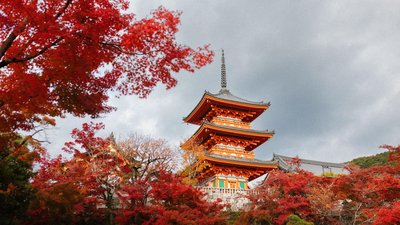
Kyoto served as Japan's imperial capital for over a thousand years, from until the Meiji Restoration in , and the city still holds the spiritual and cultural heart of the country. Within its basin, ringed on three sides by forested mountains, stand more than 2,000 temples, 400 Shinto shrines, and 17 UNESCO World Heritage Sites — a concentration of historic architecture unmatched anywhere else in Japan.
The city moves through seasons with vivid ceremony. Cherry blossoms blanket the Philosopher's Path each April, the Gion Matsuri festival fills downtown streets with towering floats every July, and the maple forests of Higashiyama blaze crimson from late November. Between these peaks, Kyoto offers quieter rewards: the click of bamboo deer-scarers in moss gardens, the bitter edge of matcha whisked in a century-old tea house, and the sight of a maiko in white-painted face stepping through twilight in Gion.
This guide covers 12 essential experiences that span Kyoto's temples, shrines, gardens, markets, and neighbourhoods — everything you need to plan a visit to Japan's most storied city.
Top Things to Do in Kyoto
Kinkaku-ji
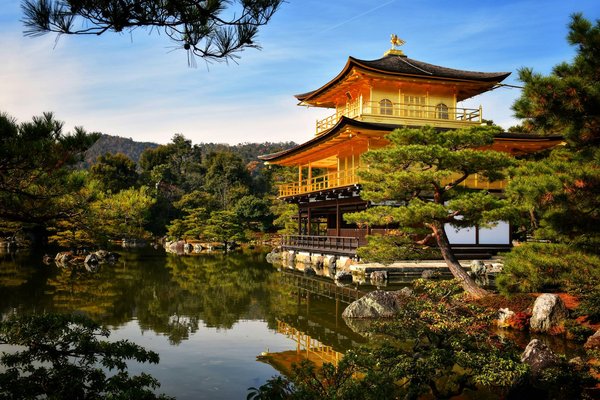
The Golden Pavilion
The pavilion visitors see today is a reconstruction. In a young novice monk set fire to the original — an act of obsession later immortalised in Yukio Mishima's novel The Temple of the Golden Pavilion. The rebuilt version faithfully follows Muromachi-period plans, and a restoration added thicker gold leaf and a new lacquer undercoat. The surrounding strolling garden, designed to be viewed from a boat, ranks among the finest surviving examples of Muromachi landscape design, with layered islands, shaped pines, and stone arrangements that guide the eye back toward the gleaming pavilion at every turn.
Gion District
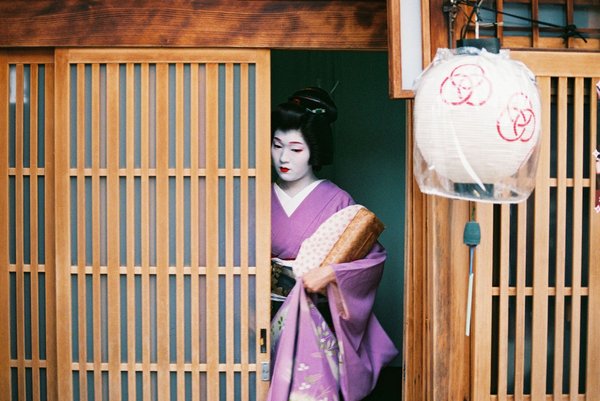
Kyoto's geisha quarter
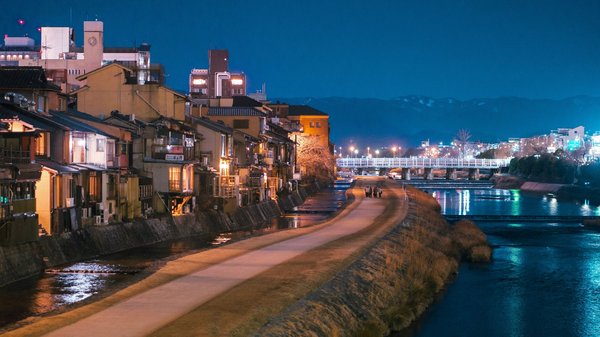
Gion is home to roughly 70 practising geiko (Kyoto's term for geisha) and maiko (apprentices), most affiliated with the Gion Kobu or Gion Higashi districts. The best chance to see them is around on evenings when they have engagements — look for maiko walking briskly toward tea houses along Hanami-koji or the stone-paved Shinbashi-dori, which runs beside the Shirakawa canal and is especially atmospheric under the cherry blossoms in April. For a deeper look, the Gion Corner theatre stages short performances of tea ceremony, flower arranging, court music, and traditional Kyoto dance every evening. Gion also hosts the Miyako Odori in April, a large-scale geiko dance performance held annually since .
Arashiyama Bamboo Grove
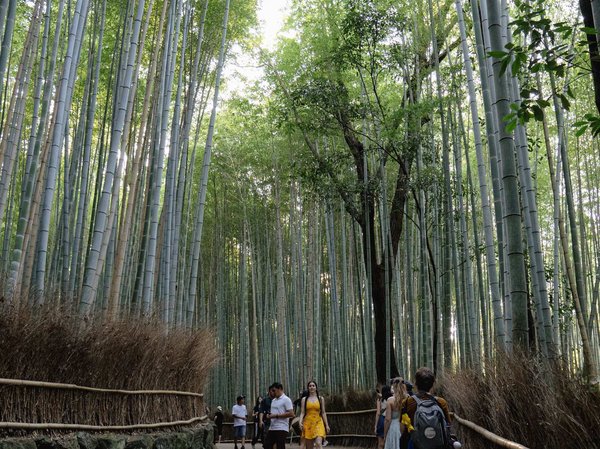
A corridor of towering green stalks
The main path runs roughly 500 metres from the northern gate of Tenryu-ji — a UNESCO World Heritage Zen temple whose garden, designed by the monk Muso Soseki, is one of Japan's oldest surviving examples of borrowed-scenery landscaping — up to the Okochi Sanso villa, the former home of silent-film actor Okochi Denjiro. The villa's terraced garden offers sweeping views over the Hozu River gorge and, on clear days, all the way to Mount Hiei. Arashiyama is also the starting point for boat rides down the Hozu River rapids and for the scenic Sagano railway line, a sightseeing train that runs through the river valley in open-air carriages. Visit at first light, ideally before , to experience the grove without crowds and to catch the low-angle sunlight streaming through the bamboo.
Fushimi Inari Shrine
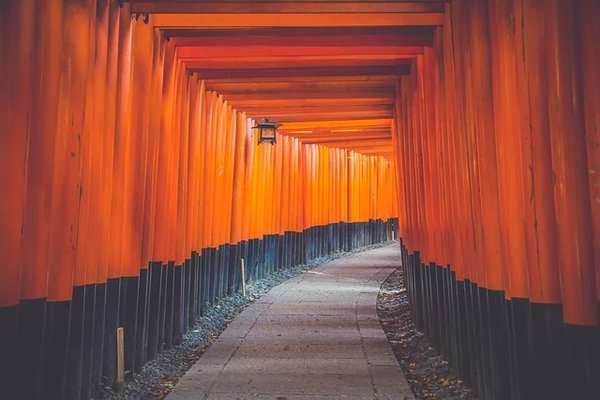
Ten thousand vermilion torii gates
The hike to the top and back takes about two hours at a moderate pace. Along the way, dozens of smaller sub-shrines, stone fox statues (kitsune, considered Inari's messengers), and clusters of miniature torii mark resting spots and prayer points. The atmospheric intensity shifts as you climb: the lower sections are dense with overlapping gates, while the upper trails thin out into cedar forest with views over southern Kyoto. Because the shrine never closes, early-morning and late-evening visits offer an almost private experience — the gates lit by stone lanterns after dark are particularly striking. The shrine grounds also host a lively food street where vendors sell inari-zushi (sweet tofu-skin sushi pockets), grilled sparrow skewers, and kitsune udon.
Maruyama Park
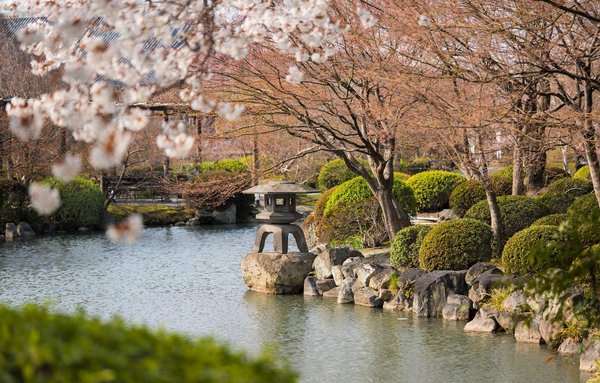
Kyoto's most beloved hanami spot
Beyond cherry season, Maruyama Park offers year-round appeal. Its layout follows the naturalistic chisen-kaiyushiki (pond-strolling) garden style, with a central pond, arched bridges, and winding paths through mature trees and bamboo groves. The eastern edge of the park backs onto the forested slopes of Higashiyama and connects directly to Yasaka Shrine, Chion-in temple, and the hilltop cemetery of Kodai-ji — making it a natural starting point for a half-day walking circuit through eastern Kyoto. During the Gion Matsuri in July, the park hosts food stalls and informal performances. In November, the maples turn and the park takes on a quieter, more reflective character. There are benches and open lawn areas throughout, ideal for a packed lunch from nearby Nishiki Market.
Funaoka Onsen
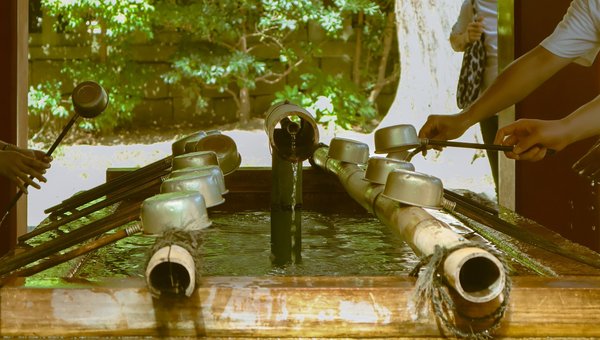
A century-old public bathhouse
The bathing area includes a main hot bath, a cooler plunge pool, a medicinal herbal bath (yakuto-buro) infused with seasonal botanicals, and a small outdoor rock bath surrounded by a pocket garden of ferns and stone lanterns. There is also a denki-buro (electric bath), which sends a mild electric current through the water — a sensation that ranges from tingling to startling depending on how close you sit to the electrodes. Proper sento etiquette matters here: wash and rinse thoroughly at the seated shower stations before entering any pool, keep towels out of the water, and keep your voice low. The bathhouse provides soap and shampoo; bring your own towel or rent one at the front desk for 50 yen. After bathing, the lobby sells cold milk and fruit drinks from a vintage vending machine — a small ritual that regulars swear by.
Nijo Castle
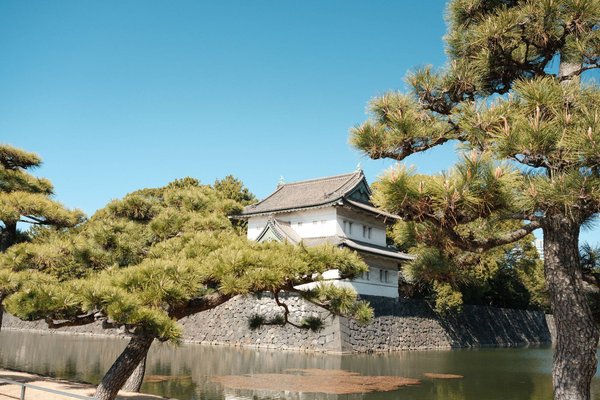
Seat of Tokugawa power in Kyoto
The palace is also famous for its uguisubari (nightingale) floors, engineered to chirp with every footstep. The sound was not a defect but a deliberate security feature: metal clamps beneath the floorboards rub against nails when weight is applied, making it impossible for anyone to move through the corridors undetected. Beyond the Ninomaru Palace, the castle grounds include the ruins of the original keep (destroyed by lightning in ), a plum grove, a cherry orchard, and the Seiryu-en garden, added in using stones from a demolished Kyoto villa. The castle is also the site where the last Tokugawa shogun formally returned power to the emperor in , ending feudal rule in Japan.
Nishiki Market
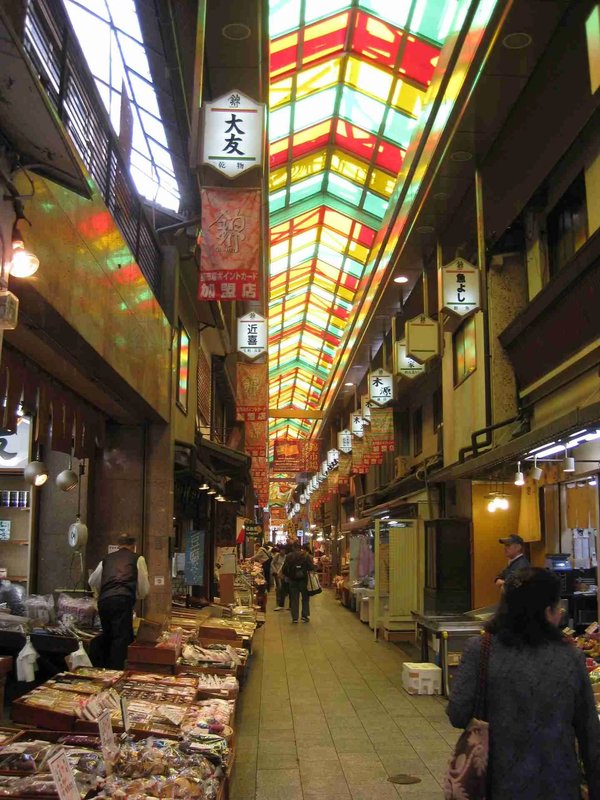
Kyoto's 400-year-old kitchen
The market is the best place in the city to sample Kyo-yasai (Kyoto heirloom vegetables) like Shogoin turnips and Kamo eggplants, and to try prepared specialities such as dashimaki tamago (sweet rolled omelette cooked in dashi stock), yuba (fresh tofu skin, a Kyoto delicacy), skewered tako tamago (baby octopus stuffed with a quail egg), and warabi mochi (bracken-starch sweets dusted in roasted soybean flour). Many vendors offer single-portion tastings, making it easy to graze your way from one end to the other in about an hour. The eastern end of the market exits directly onto the Shinkyogoku and Teramachi shopping arcades, so a Nishiki visit pairs naturally with an afternoon of browsing. Cash is still preferred at most traditional stalls, though an increasing number now accept IC cards.
Kiyomizu-dera
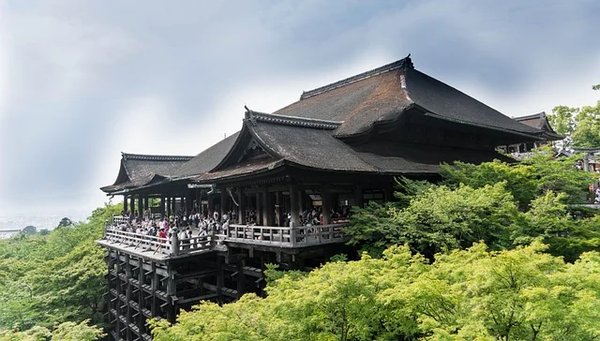
The temple on the cliff
The stage, originally built as a performance space for ritual dances offered to the temple's deity, Kannon (the bodhisattva of mercy), is now the main viewing platform and the source of the Japanese expression "Kiyomizu no butai kara tobi oriru" — "to jump off the stage at Kiyomizu" — meaning to take a leap of faith. Historical records show that 234 people actually jumped during the Edo period, with a survival rate of about 85 percent thanks to the dense trees below. Below the stage, the Otowa waterfall splits into three streams, each said to grant a different blessing: academic success, longevity, or luck in love. Visitors queue to catch a few drops in long-handled cups, though tradition holds you should choose only one stream — drinking from all three is considered greedy. The approach to the temple runs through Higashiyama's atmospheric lanes of pottery shops, sweet stalls, and incense stores.
Ryoan-ji
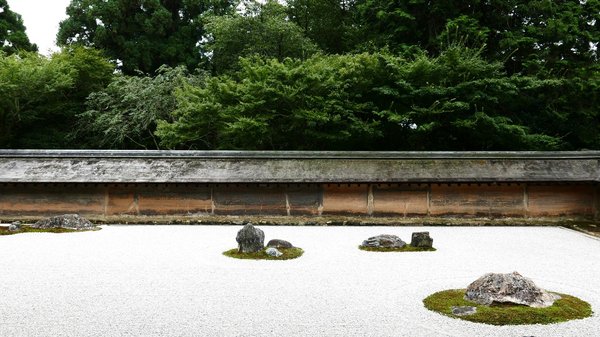
Japan's most famous rock garden
One well-known optical trick is that from any seated position on the viewing platform, at least one of the 15 stones is always hidden behind another, so you can never see all 15 at once. Some scholars interpret this as a statement about the limits of human perception; others see islands in a sea, or mountain peaks above clouds. The temple was originally the estate of the Hosokawa clan before being converted into a Rinzai Zen temple in . Beyond the famous garden, Ryoan-ji includes the large Kyoyochi mirror pond (predating the temple by several centuries), a moss garden, and wooded walking paths that circle the pond past water lilies and turtles. The temple is a UNESCO World Heritage Site and is less crowded in the early morning or during weekday visits.
Fushimi Inari Forest Trail
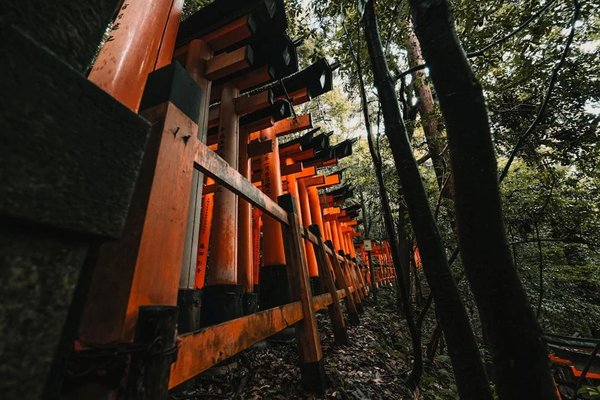
The mountain hike behind the gates
The full circuit from the main gate to the summit and back takes about two hours at a steady pace, with roughly 800 steps of elevation gain. Along the way, a handful of tea houses and noodle stalls operate at the junctions — the kitsune udon (fox udon, topped with fried tofu) at the Yotsutsuji rest stop is a reliable refuelling choice. The trail is paved but steep in places, so wear proper shoes. Because the shrine compound never closes, a pre-dawn hike lets you reach the summit for sunrise, and an evening ascent under lantern light has an atmospheric intensity that few Kyoto experiences can match. The descent on the eastern side of the mountain passes through a residential neighbourhood before looping back to the main shrine gate.
Teramachi Shopping Street
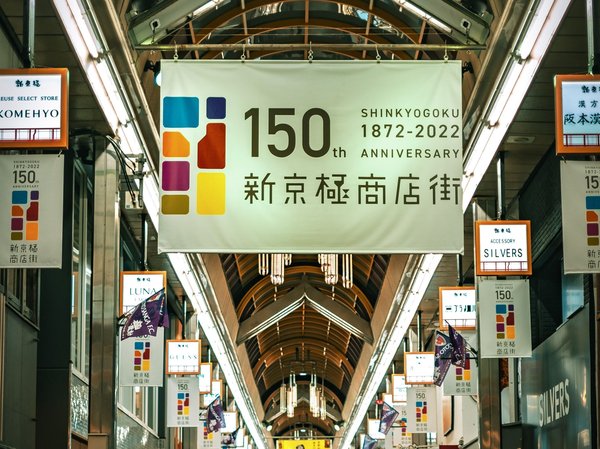
Books, tea, and craft shops since the 1500s
What sets Teramachi apart from more generic shopping streets is the number of specialist shops that have been here for generations. Ippodo Tea, founded in , sells matcha, gyokuro, and sencha in tins whose designs have barely changed in a century; the tasting counter at the back lets you try before buying. Nearby, Kyukyodo (established ) specialises in Japanese incense, calligraphy brushes, and washi paper. Interspersed among these heritage shops are contemporary bookstores, vinyl record dealers, vintage clothing outlets, and small galleries showing work by Kyoto-based ceramicists and printmakers. The southern end of the arcade connects to Nishiki Market, making it easy to combine food shopping and browsing in a single loop. The covered roof means Teramachi is equally good on a rainy day, and most shops stay open until or later.
Recommended Itineraries in Kyoto
One Day in Eastern Kyoto
Afternoon — Continue north through Maruyama Park to Yasaka Shrine, then follow Hanami-koji into the Gion district for lunch at a machiya townhouse restaurant. After eating, walk along the Shirakawa canal to the Philosopher's Path and head north toward Nanzen-ji temple, whose brick aqueduct and Zen garden are among Kyoto's most photogenic sites.
Evening — Return to Gion by bus and stroll Shinbashi-dori as the lanterns come on. Have dinner at a riverside restaurant on the Kamo River terrace (open May through September) or at a quiet izakaya in Pontocho alley.
Two Days Across Kyoto
Day 1, Afternoon — Walk to Nijo Castle and tour the Ninomaru Palace with its nightingale floors and Kano-school paintings. End the day at Funaoka Onsen for a long soak in the century-old bathhouse.
Day 2, Morning — Head to Arashiyama early and walk through the bamboo grove before it fills up. Visit Tenryu-ji's garden, then cross the Togetsukyo bridge and take the scenic Sagano railway along the Hozu River gorge.
Day 2, Afternoon — Return to northern Kyoto to visit Kinkaku-ji and neighbouring Ryoan-ji. Finish with a matcha and wagashi sweet at a tea house near Daitoku-ji temple complex before heading back to the city centre.
When to Visit
The Best Time to Visit Kyoto
Spring (late March–May) and autumn (October–November) offer the most pleasant weather and Kyoto's most celebrated scenery. Summer brings intense heat and humidity plus a rainy season in June. Winter is cold but atmospheric, with occasional snowfall on temple roofs and very few tourists.
Peak Season
Cherry blossom (late March–mid April) and autumn foliage (mid November–early December) are the absolute peak periods, with premium accommodation prices and large crowds at major temples.
Shoulder Season
May and October offer warm weather, fewer tourists than peak season, and lower accommodation costs.
Low Season
Winter (January–February) is the quietest period, with lower prices and the chance of photogenic snowfall on temple grounds.
Tips for Visiting Kyoto
Local Experiences in Kyoto
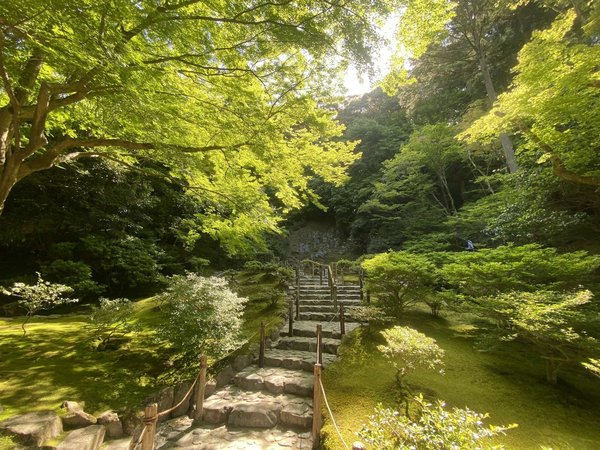
Discover Kyoto's Secret Gardens