
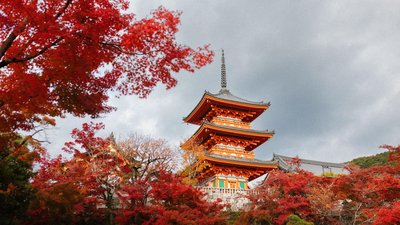
Kyoto
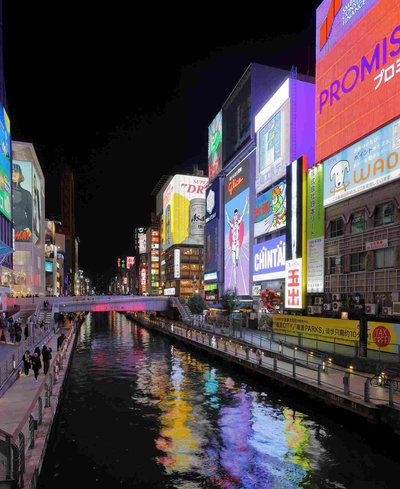
Osaka
Many travelers compare Kyoto and Osaka because they’re only 43 km apart and represent two faces of Kansai: the former is the historic capital with over 2,000 temples, the latter is the city of energy with Dōtonbori and Universal Studios Japan.Both are connected to the KIX and ITM airports, with direct trains every 10–15 minutes.The differences are clear: Kyoto offers shrines like Fushimi Inari (free) and strolls among machiya; Osaka focuses on street food (takoyaki at €3.5), aquariums and the skyline (Umeda Sky, €9.4).In summer, both exceed 33°C, but Kyoto is hotter and drier in winter (lows 1–2°C).Prices converted with an average rate of €1=¥160 (April 2026) for clear comparisons.In this guide you’ll find comparisons on daily budget, attractions, food, climate, transport and safety, with concrete numbers: tickets from €2.5, metro passes from €5.1, taxis for 5 km, and times between airports and downtown (38–75 min).It closes with a proposal to visit both in 5–7 days.
Kyoto vs Osaka
| Feature | Kyoto | Osaka |
|---|---|---|
| Daily budget | In Kyoto a hostel bed costs €20-35 (e.g., Piece Hostel Kyoto 0.5 km from Kyoto Station), a 3-star €80-140 (e.g., Hotel Gracery Kyoto Sanjo), a 4-star €160-260 (e.g., Kyoto Century Hotel).Meals: ramen €6-9 (e.g., Ippudo), kaiseki €70-120 (e.g., Gion Karyo).Transport: 1-day bus+metro pass €6.9 (¥1,100), single ride €1.4-2.3. Taxi 5 km €11-14 (starting fare ~¥640).Total budget: backpacker €55-85, mid-range €120-180, luxury €280-450 per day. | In Osaka a hostel costs €18-30 (e.g., Hostel Q 0.3 km from Dōtonbori), a 3-star €70-120 (e.g., Cross Hotel Osaka), a 4-star €150-240 (e.g., Swissôtel Nankai).Meals: takoyaki €3.5-5 (e.g., Kukuru), okonomiyaki €8-12 (e.g., Mizuno), lunch sushi €9-15 (e.g., Endo Sushi).Transport: Osaka Metro 1-day €5.1 (¥820), single rides €1.2-2.4. Taxi 5 km €12-15 (starting fare ~¥680).Total budget: backpacker €50-80, mid-range €110-170, luxury €270-420.✓ Better |
| Top attractions | Fushimi Inari Taisha is free (2–3 hours; 4 km of trail, elevation 233 m; 5 km from Kyoto Station).Kinkaku-ji costs €3.1 (¥500), visit 60–90 min, 6.5 km NW of downtown.Kiyomizu-dera costs €2.5 (¥400), 60–90 min, 2.5 km E of Gion.Nijo Castle costs €8.1 (¥1,300), 90 min, 2.3 km W.The Arashiyama Bamboo Grove is free (45 min), 9 km from Kyoto Station. | Osaka Aquarium Kaiyukan costs €16.9 (¥2,700), 2–3 hours, 9 km from Namba.Osaka Castle (museum) costs €3.75 (¥600), 60–90 min, 2.8 km from Umeda.Umeda Sky Building costs €9.4 (¥1,500), 60 min, 0.9 km from Osaka Station.The Dōtonbori neon are free (1–2 hours).Universal Studios Japan costs €53-65 (¥8,600-10,400), 1 full day, 7 km from Osaka Station. |
| Food and restaurants | In Kyoto, try kaiseki at Gion Karyo (€70-120 per person) or Hyotei (€120-250).At Nishiki Market skewers and matcha sweets €2-6; knives from Aritsugu aren’t edible but are iconic.Honke Owariya serves soba for €7-12. Izuju offers saba-zushi for €10-18. Yudofu at Yudofu Sagano for €16-25. Matcha tea at Tsujiri Gion for €5-8. | In Osaka the must is street food: takoyaki from Aizuya or Kukuru at €3.5-5 (8 pieces).Okonomiyaki at Mizuno for €8-12. Kushikatsu Daruma offers skewers at €1.1-1.8 each.Kuromon Ichiba sells sushi and grilled items for €6-15. Ramen at Ichiran Namba for €9-11. Crab dinner at Kani Doraku for €30-60. Draft beer in izakaya €3-4.5.✓ Better |
| Climate and best time | Kyoto has January averages of 1–9°C, April 9–20°C, July 23–33°C, August peaks of 35°C.Rain: June ~180 mm, September ~210 mm.Top periods: late March–10 April for sakura (8–10 days), 15 November–5 December for foliage.Summer humidity 70–80%.Dry winter, rare light snowfalls 1–2 days.✓ Better | Osaka has January 2–10°C, April 11–21°C, July 25–33°C, August 26–34°C.Rain: June ~190 mm, September ~180 mm.Recommended periods: 28 March–6 April for sakura at the Castle, and 10–30 November for momiji at Minoo.Muggy summer with 75% humidity.Typhoon risk between September–October; monitor JMA. |
| Transport and how to get there | Kyoto is reached from KIX with the JR Haruka in 75 min for €18.9 (¥3,020).From ITM bus to Kyoto Station in 55 min for €8.4 (¥1,340).In the city: 2 subway lines + extensive buses; bus+metro pass €6.9 (1 day).From the airport to Gion 90 min total.Base taxi fare ~€4; 10 km ~€20-25. IC card ICOCA deposit €3.1 (¥500). | Osaka has two airports: from KIX to Namba with Nankai Rapi:t in 38 min for €9.1 (¥1,450) or to Umeda with JR Rapid in 65 min for €7.6 (¥1,210).From ITM bus to Umeda in 30 min for €4.1 (¥650).Osaka Metro: 1-day pass €5.1 (¥820).Taxi 10 km €22-28. Last trains around 00:10.✓ Better |
| Nightlife | In Kyoto evenings are centered around Pontocho and Kiyamachi-dori: small bars, cocktails €7-10, beers €4-6, often closing at 1:00–2:00.Jazz at Live Spot Rag (ticket €10-20).Beware of otoshi (cover charge) €2-3 in izakaya.Night views from Kiyomizu-dera on special evenings (extra €3).Softer nightlife than Osaka. | In Osaka nightlife is in Dōtonbori, Shinsaibashi and Umeda: clubs like Giraffe Osaka and OWL Osaka (entry €12-25 with a drink), closing 4:30–5:00.Tachinomi (standing bars) in Ura-Namba with beers €3-4 and highballs €3. Watch out for insistent promoters; last train ~00:10, taxi 3 km €8-10.✓ Better |
| For families with children | In Kyoto: Kyoto Railway Museum €10 (¥1,500), 2–3 h, 2 km from Kyoto Station; Kyoto Aquarium €13 (¥2,200), 2 h, 1.8 km away.Arashiyama has flat walks; the Monkey Park requires a 20-min uphill (no strollers).Sagano Romantic Train €5.5 (¥880), 25 min.Stroller rental at Kyoto Station €4-6/day.Many temples have restrooms with changing tables. | In Osaka: Universal Studios Japan 1 day €53-65 (minimum height varies), 7 km from Umeda; Kaiyukan €16.9, 2–3 h, Tempozan area with ferris wheel €7-10. Legoland Discovery Center €15-17 (book online), 1.5–2 h.NIFREL at Expo City €12.5 (¥2,000), 2 h.Elevators everywhere and family-friendly restrooms in malls.✓ Better |
| Beaches and nature | In Kyoto nature at Arashiyama (Bamboo Grove, 9 km from downtown), hike Kurama–Kibune 8 km round trip (40 min by train from Demachiyanagi).Gentle beach at Omimaiko Beach on Lake Biwa: 23 km from downtown, 40 min, train cost €3-4. Trip to Amanohashidate: 125 km, 2 h by Limited Express (€24-26 one way). | In Osaka nature at Minoo Park: waterfall 15 km from Umeda, 45–60 min, 3 km trail.Nearby beaches: Nishikinohama (Kaizuka) 40 km, 45 min by train €4.7; Suma Beach (Kobe) 60 km, 70 min €6.9. Seaside promenade in Sakai (UNESCO Mozu Tombs nearby).Urban parks: Nakanoshima and Osaka Castle Park. |
| Shopping | In Kyoto buy crafts: Kiyomizu-yaki ceramics for €15-40 in Ninenzaka/Sannenzaka, Shoyeido incense €6-20, tea at Ippodo €8-25. Teramachi-Kyogoku for local boutiques, Nishiki Market for Aritsugu knives (€80-150 for a gyuto).Tax-free on purchases > ¥5,000 in the same store (about €31). | In Osaka: Shinsaibashi-suji (600 m) and Tenjinbashi-suji (2.6 km) for continuous shopping.Electronics in Nipponbashi Den Den Town, cameras at Camera Naniwa.Depachika of Hankyu Umeda for bento €5-12. Fast fashion and sneakers in Amerikamura.Tax-free > ¥5,000; consumption tax 10% included in prices.✓ Better |
| Safety and practical tips | Kyoto is very safe (minor crimes of tourists).Avoid parking bikes outside marked spaces: removal €15-20. Beware of otoshi (cover charge) €2-3. Emergencies: 110 police, 119 ambulance.Earthquakes: follow instructions at Kyoto Station.Payments: cards widely accepted, but carry €50-100 cash per day for temples and buses. | Osaka is safe; avoid late-night Nishinari (the Haginochaya area) and taking photos in Tobita Shinchi.Beware aggressive promoters in Dōtonbori; check cover charges €2-4. Emergencies: 110/119.Coin lockers in stations €2-5 (¥300-700).Typhoons Sep–Oct: check JR West for possible suspensions. |
| How many days do you need | For Kyoto minimum 2 days, ideal 3–4 days.Quick itinerary: Day 1 Fushimi Inari (2–3 h), Kiyomizu-dera (90 min), Gion and Pontocho.Day 2 Arashiyama (morning), Kinkaku-ji and Nijo.Day 3 Kurama–Kibune or Uji (Byodo-in).Daily transport €6.9 with bus+metro pass. | For Osaka minimum 2 days, ideal 2–3 days.Day 1 Castle, Umeda Sky, evening in Dōtonbori.Day 2 Kaiyukan and Tempozan or Minoo Park.Day 3 Universal Studios Japan (full day).Transport with Osaka Metro 1-day €5.1. Evening taxis for 3 km €8-10. |
| How to combine the two cities | From Kyoto to Osaka with JR Special Rapid in 29–31 min, cost €3.6 (¥580), 43 km.Shinkansen Kyoto–Shin-Osaka in 14–15 min at €8.9 (¥1,420).Trains every 10 min.Luggage service Yamato Kyoto→Osaka €10-12 (¥1,600-2,000), next-day delivery. | Starting from Osaka, base yourself in Namba/Umeda and take JR to Kyoto Station in ~30 min for €3.6. From KIX airport you can go directly to Kyoto with the Haruka in 75 min €18.9, then return to Osaka via JR.IC ICOCA is valid in both (deposit €3.1). |
The Verdict
Choose Kyoto
Choose Kyoto if you want a cultural trip among temples, zen gardens and historic alleys.Recommended period: late March–10 April or 15 November–5 December for foliage.Mid-range budget €120-180/day with 3-star hotels in the Shijo-Karasuma or Gion area.3-day itinerary: Day 1 Fushimi Inari and Kiyomizu-dera; Day 2 Arashiyama, Kinkaku-ji and Nijo; Day 3 Uji (Byodo-in) or Kurama–Kibune.Transport with bus+metro pass €6.9; meals from €6 (ramen) to €90 (kaiseki).
Choose Osaka
Choose Osaka if you’re after street food, aquariums and nightlife.Recommended period: late March for sakura at the Castle or November for Minoo.Mid-range budget €110-170/day with 3-star hotels in Namba or Umeda.2–3 day itinerary: Day 1 Castle and Umeda Sky; Day 2 Kaiyukan, Tempozan and an evening in Dōtonbori; Day 3 USJ (full day).Metro pass €5.1, meals from €3.5 (takoyaki) to €60 (crab).