
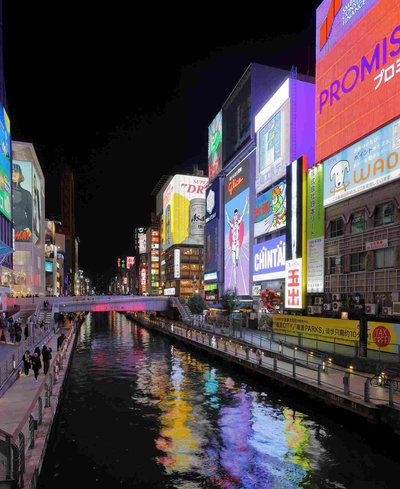
Osaka
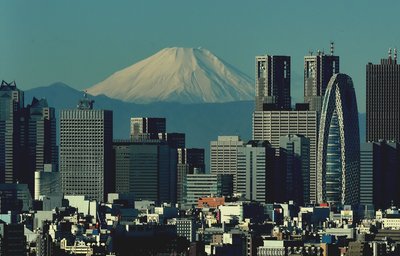
Tokyo
Many travelers compare Osaka and Tokyo because both offer urban culture, powerhouse cuisine and perfect connections by Shinkansen.The distance is 515 km, covered in 2h30 by the Nozomi, and the two cities represent different sides of Japan.Your choice impacts budget, pace, and itineraries like Kyoto and Nara.Key differences: Osaka is compact (from Namba to Umeda it’s 4.5 km), convivial and centered on Dotonbori and street food; Tokyo is polycentric (from Shinjuku to Asakusa 9 km), with distinct districts like Shibuya, Ginza, Akihabara.Average daily costs differ by €15–30 in favor of Osaka, and getting around takes longer in Tokyo.In this guide you’ll find concrete numbers: prices in €, times in minutes, distances in km, names of districts and attractions.We compare budget, top sights (with tickets and duration), food, climate, transport and safety, plus an itinerary to combine them in 6–8 days.Everything you need to book today.
Osaka vs Tokyo
| Feature | Osaka | Tokyo |
|---|---|---|
| Daily budget | With an estimated rate €1=¥165, in Osaka a 3* in the Namba or Umeda area costs €70–110/night (e.g., Hotel Il Cuore Namba).Hostel bed €18–30. Meals: takoyaki in Dotonbori €3–5, okonomiyaki at Mizuno €9–14, kushikatsu dinner at Daruma €12–18. Transport: Osaka Metro ride €1.2–2.1; 1-day pass €5–6. Taxi 5 km €11–12. Budget: €60–90 (backpacker), €110–160 (mid-range), €220–320 (luxury in Kita/Umeda).✓ Better | In Tokyo, 3* in Shinjuku or Ueno costs €90–140/night (e.g., Sotetsu Fresa Inn).Hostel €22–35. Meals: Ichiran ramen €9–12, sushi at Sushi Zanmai €18–30, izakaya in Omoide Yokocho €15–25. Transport: Tokyo Subway Ticket 24h €5 (¥800), single ride €1.4–2.3. Taxi 5 km €12–14. Budget: €80–110 (backpacker), €140–200 (mid-range), €260–380 (luxury in Ginza/Marunouchi). |
| Top attractions | Top Osaka: Osaka Castle (€3.6, 1–1.5 h) with a 105 ha park; Umeda Sky Building (€9, 60–90 min) for the Floating Garden (173 m); Osaka Aquarium Kaiyukan (€16.4, 2–3 h) at Tempozan; Dotonbori (free, 1–2 h) for the Glico Man.Extras: Shitenno-ji (€1.8), Shinsekai district (€0).Getting around: from Namba to the Castle 4 km/15 min by metro; from Umeda to the Aquarium 7.5 km/25 min. | Top Tokyo: Tokyo Skytree (€12.7 base, 60–90 min, 350 m), Senso-ji in Asakusa (free, 45–60 min), Meiji Jingu (€0, 45 min) next to Harajuku; teamLab Planets (€23, 60–90 min) in Toyosu.Extras: Shibuya Sky (€17–20, 60–90 min), Imperial Palace East Gardens (€0, 60 min).Distances: from Shinjuku to Senso-ji 9 km/30 min; Shibuya → Skytree 13 km/35–45 min by metro.✓ Better |
| Food and restaurants | Osaka is the capital of kuidaore.Try takoyaki at Aizuya (€3–5, 8 pieces), okonomiyaki at Mizuno in Dotonbori (€9–14), kushikatsu at Daruma in Shinsekai (€12–18).At Kuromon Ichiba, wagyu skewers €6–10 and nigiri €1.5–3 each.Fresh sushi at Endo Sushi (Osaka Central Market) 5-piece set €10–12. Average izakaya dinner in Namba €18–25 with beer.✓ Better | In Tokyo alternate sushi at Sushi Zanmai (lunch set €15–25) and ramen at Ichiran or Afuri (€9–12).In the Tsukiji Outer Market chirashi €12–20; tempura at Tempura Kondo in Ginza (€70–120) for high-end.Street bites in Ameya-Yokocho €2–5. High-end omakase (Sushi Saito by reservation) €180–300. Izakaya dinner in Shinjuku €20–30 with a drink. |
| Climate and best time | In Osaka summers are hot: August 33°C max/25°C min, humidity >70%.Winter: January 9°C/2°C, snow rare.Rain: June ~200 mm; typhoons possible in September.Recommended period: late March–early April (sakura, 15–20°C) and October–November (17–22°C, foliage).Avoid 12:00–16:00 in August; bring an umbrella in June.Useful metric: average outdoor visiting time 2–3 h without a break. | In Tokyo August records 32°C/26°C; January 10°C/1°C.Rainy season: June (~180 mm); typhoon peak between August and September.Best months: late March–early April (17–20°C, hanami at Ueno and Chidorigafuchi) and late October–November (16–20°C, koyo at Rikugien).Avoid mid-August for humidity and crowds; consider indoor museums (2–3 h) on rainy days. |
| Transport and how to get there | KIX → center: Nankai Rapi:t to Namba 38–43 min, €8.8–9.6; JR Haruka to Shin-Osaka 50 min, €17.3. Metro: ride €1.2–2.1; 1-day €5–6. From Namba to Umeda 9 min by metro; to Kyoto 30–45 min (€3.5–9).Taxi: 10 km ~€20–25. IC card recommended (ICOCA).Shin-Osaka Station serves Shinkansen to Tokyo in 2h30 (Nozomi).✓ Better | Narita → Tokyo Station: NEX 53–60 min, €18.6; Skyliner 41 min to Ueno, €15.6. Haneda → Shinagawa: Keikyu 13–18 min, €2–2.5; Monorail → Hamamatsucho 18 min, €3. Tokyo Subway Ticket 24h €5; ride €1.4–2.3. Taxi 10 km €25–30. From Shinjuku to Shibuya 7 min JR.IC Suica/PASMO very useful on metro, JR and buses. |
| Nightlife | In Osaka nightlife is in Dotonbori, Shinsaibashi and Kitashinchi.Clubs: Club Joule (entry €15–25), GHOST Osaka (€15–20); cocktail bars like Bar Nayuta (€8–12 per drink).Draft beer €3–5, highball €4–6. Hours: bars until 3:00–4:00, clubs until 5:00.Last metro ~00:00.Walking distance between Dotonbori and Shinsaibashi: 0.6 km (8 min). | Tokyo offers Shibuya, Shinjuku Golden Gai and Roppongi.Clubs: WOMB (entry €20–30), V2 Tokyo (€20–35).Golden Gai: tiny bars with cover €3–6. Standard drink €6–10. Last train 00:10–00:30, many venues until 5:00.From Shibuya to Roppongi 3.7 km/12 min by taxi (~€12).Streets crowded on weekends. |
| For families with children | Osaka: Universal Studios Japan (1 day adults €52–59; children €36–45; Express Pass €60–120), 15 min from Osaka Station to Sakurajima.Kaiyukan (€16.4 adults; €8.5 children) 2–3 h; Kids Plaza Osaka (€12) hands-on.Legoland Discovery Center (€18) at Tempozan.Stroller rental at USJ €6.7. Short transfers: Namba → Kaiyukan 25 min. | Tokyo: Tokyo Disneyland and DisneySea (dynamic €52–66 adults; €31–45 children, 1 h from Shinjuku to Maihama).Sumida Aquarium (€18 adults; €9 children) 1–2 h; Ueno Zoo (€5 adults) 1.5–2 h; TeamLab Planets (€23 adults) for ages 6+.Stroller rental at Disney Parks ~€8/day.Transfers: Tokyo Station → Maihama 15 min via JR Keiyo. |
| Beaches and nature | Osaka has no swimmable central beaches: Nishikinohama (Kaizuka) 45–55 min from Namba, €4 round trip; Suma Beach (Kobe) 60 min, 30 km, €6–8. Nature: Minoo Park 15 km north, 30 min from Umeda; 2.7 km trail to the waterfall (90 min round trip).Nara Park 35–45 min, €4–6, free-roaming deer.Nagai Park in the city (65 ha) for jogging. | Tokyo: Odaiba Seaside Park (limited swimming) 7 km from Tokyo Station, 25 min.Real beaches at Kamakura/Enoshima: 60–70 km, 60–75 min from Shinjuku, €7–10. Hiking: Mount Takao (599 m) 50 min from Shinjuku, trail 90–120 min; Nikko 140 km/2 h (temples and waterfalls).Shinjuku Gyoen (58.3 ha, €4.2) for downtown relaxation.✓ Better |
| Shopping | In Osaka head to Shinsaibashi-suji (1 km covered arcade), Namba Parks and Amerikamura for streetwear.Electronics/anime in Den Den Town.Food souvenirs at Kuromon Ichiba.Prices: GU t-shirt €8–12, jeans €25–40; knives in Sakai €80–200. Department store Hankyu Umeda for brands.Tax-free above ¥5,000 (~€30) with passport. | Tokyo is top: Ginza (Mitsukoshi, Wako), Omotesando (design), Harajuku (Takeshita-dori), Akihabara (tech).Deals at Ameya-Yokocho (sneakers €40–70).Books and design at Daikanyama T-Site.Second-hand in Shimokitazawa.Tax-free over ¥5,000 (~€30).Average shopping budget: €50–200/day depending on interests.✓ Better |
| Safety and practical tips | Osaka is safe; emergencies 110 (police) and 119 (ambulance).Avoid pushy venues in the back alleys of Dotonbori/Shinsekai after 02:00.Scams are rare; be wary of insistent promoters.Use cash and ICOCA; 7-Eleven ATMs operate 24/7.In summer stay hydrated (33°C) and bring a towel.Knowing metro exits saves time (Umeda has over 10 exits). | Tokyo is very safe; same numbers 110/119.Watch for inflated charges in Roppongi bars and promoters in Kabukicho after midnight.Last train 00:10–00:30: plan ahead or use taxis (€12–25 intra-ward).IC Suica/PASMO to pay almost everywhere.In case of an earthquake, move away from shelves and follow signage to evacuation areas. |
| How many days do you need | For Osaka minimum 2 days: 1 for Dotonbori, Castle, Umeda; 1 for Kaiyukan or USJ.Ideal 3–4 days including Nara (35–45 min) or districts like Shinsekai/Tennoji.Average times: main attractions 6–8 h/day, urban transfers 20–40 min.With Kyoto add 1–2 extra days (30–45 min each way). | For Tokyo minimum 3 days: 1 Asakusa–Ueno, 1 Shibuya–Harajuku–Shinjuku, 1 Odaiba/museums.Ideal 4–5 days including teamLab, Skytree and a day trip to Kamakura or Takao.Intra-city transfers 30–60 min between hubs.Plan 2–3 main attractions per day (total visits 6–9). |
| How to combine the two cities | From Osaka to Tokyo: Shinkansen Nozomi 2h30, €95–105 (reserved seat from Shin-Osaka to Tokyo Station).Alternative: flight KIX→HND/NRT 1h15, €40–90 + 60–90 min transfers.Night bus Willer Express 8–9 h, €30–45. The JR Pass 7 days only pays off with multiple legs (about €300). | From Tokyo to Osaka the same Nozomi 2h30, €95–105; Hikari 3 h, slightly less.Flights HND→ITM 1h15, €50–100 with 30–40 min to reach Umeda.Night buses 8–9 h, €30–45. Book 2–3 days in advance for low fares.Avoid rush hour 17:00–19:00 with large luggage. |
The Verdict
Choose Osaka
Choose Osaka if you want a 3–4 day trip focused on street food, compact nightlife and day trips to Kyoto/Nara.Ideal time: late October (18–22°C) or early April (15–20°C).Indicative budget: €110–160/day in a 3* hotel in Namba or Umeda.Quick itinerary: Day 1 Dotonbori, Castle, Umeda Sky; Day 2 Kaiyukan + Tempozan; Day 3 Kyoto (Fushimi Inari, Gion) 30–45 min; optional Day 4 Nara Park (35–45 min) + Shinsekai.Transport: ICOCA + 1-day pass metro to cut costs.
Choose Tokyo
Choose Tokyo if you have 4–5 days and are interested in iconic neighborhoods, viewpoints like Skytree and teamLab installations.Recommended period: late March (17–20°C, sakura) or early November (16–20°C, foliage).Budget: €140–200/day in 3* in Ueno/Asakusa.Itinerary: Day 1 Asakusa + Skytree; Day 2 Shibuya, Harajuku, Meiji; Day 3 Shinjuku + Shibuya Sky; Day 4 Odaiba or teamLab; optional Day 5 Kamakura (60–75 min).Use the Tokyo Subway Ticket 24–72 h to save.