10 Experiences in Amalfi

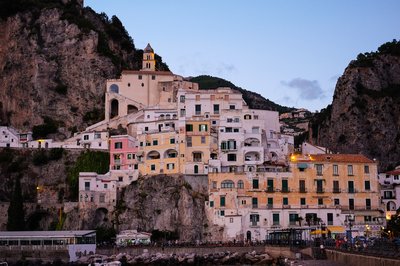
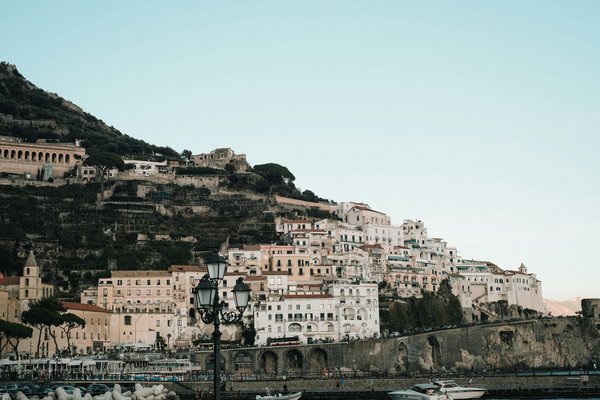
Panoramic view of Amalfi with colorful cliffside buildings at sunset.
Written by travel experts
Regularly updated
Verified on-site

Amalfi clings to the cliffs of southern Campania like a city that refused to let go of the sea. Founded as a Roman settlement and rising to become one of Italy's four powerful Maritime Republics in , it once rivalled Pisa, Genoa, and Venice for control of Mediterranean trade. At its peak in the , Amalfi's merchant fleet sailed as far as Constantinople and Alexandria, and the town's own legal code, the Tabula Amalfitana, governed maritime commerce across the Mediterranean for centuries. That golden era left deep marks on the town you see today. The Cathedral of Saint Andrew, rebuilt in Arabesque-Norman style in the , towers above Piazza Duomo with its striped facade of volcanic tufa and marble. Behind the cathedral, the Cloister of Paradise preserves interlaced arches inspired by Islamic architecture, a reminder of Amalfi's trading ties with North Africa and the Levant. Down the narrow vicoli, the scent of lemons drifts from terraced groves that have supplied the local limoncello trade since the . But Amalfi is more than its monuments. The Valle delle Ferriere hides waterfalls and a prehistoric fern species just twenty minutes on foot from the main square. Fishermen still haul boats onto Marina Grande beach at dawn. And from the clifftop hamlet of Pogerola, footpaths lead to viewpoints where the entire coastline unfolds below. This guide covers ten experiences that reach beyond the postcard.

Top Things to Do in Amalfi

The Cathedral of St. Andrew
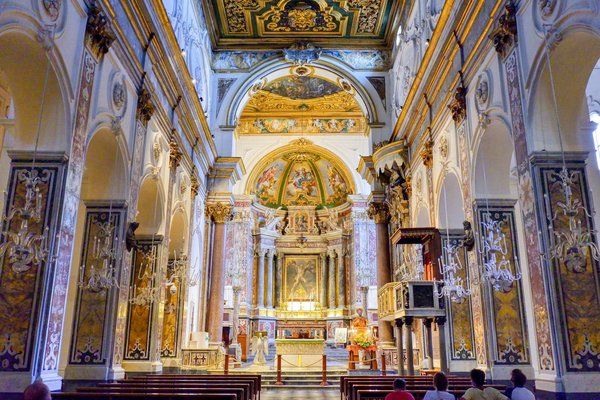
Interior of the Cathedral of St. Andrew in Amalfi with architectural details and ornate decorations.

Nine centuries of faith and architecture

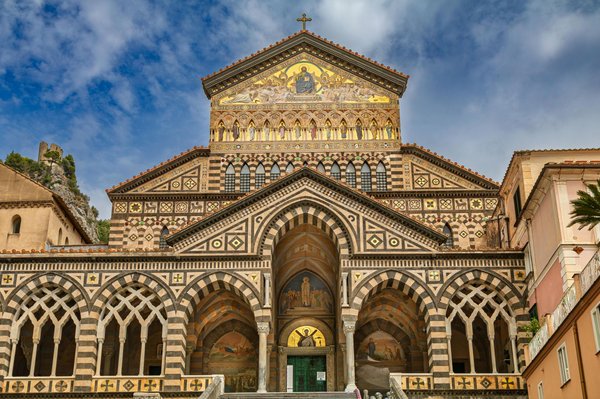
The Cathedral of St. Andrew has dominated Piazza Duomo since , though the building you see today is the result of layer upon layer of reconstruction. The original structure was expanded in the with the addition of the Cloister of Paradise, whose 120 slender columns and interlaced pointed arches reflect the Moorish aesthetic that Amalfi's merchants absorbed during their eastern trade voyages. The striking polychrome facade, with its geometric patterns of yellow tufa and white marble, was actually rebuilt in the after the medieval original collapsed. Descend the staircase beneath the main altar to reach the Crypt of St. Andrew, where the relics of the apostle have rested since Crusader Cardinal Pietro Capuano brought them from Constantinople in . The Baroque frescoes in the crypt were painted by Neapolitan artists in the . Back upstairs, the bronze doors of the main entrance were cast in Constantinople before , making them among the earliest examples of Byzantine metalwork in southern Italy. Budget roughly an hour to see the cathedral, cloister, crypt, and the small diocesan museum.
Piazza Duomo, in the centre of Amalfi, at the foot of the 62-step monumental staircase.
Open daily 9:00 AM to 7:00 PM (shorter hours November to February). The cloister and crypt may close 30 minutes earlier.
Cathedral entry is free for worship. Cloister, crypt, and museum combined ticket: 4 EUR. Children under 10 free.

The Paper Museum

Facade of Amalfi Cathedral with architectural details and golden mosaics.

Amalfi's forgotten industry

Amalfi was producing paper before almost anywhere else in Europe. Arab traders introduced papermaking techniques here in the , and by the the mills along the Canneto river valley were supplying the papal court and merchant houses across the Mediterranean. The Museo della Carta, housed in a former mill dating to the , preserves the original stone vats, wooden mallets, and hydraulic presses that powered this industry for centuries. Guided demonstrations run every 30 minutes and show the full process: cotton and linen rags are soaked, beaten into pulp, pressed onto wire screens, and hung to dry. You can handle sheets of bambagina paper, the thick, textured stock that Amalfi still produces for fine stationery and official Italian government documents. The museum sits at the entrance to the Valle dei Mulini, where the ruins of a dozen more paper mills crumble picturesquely into the ravine. A combined visit to the museum and a short walk into the valley takes roughly 90 minutes.
Via delle Cartiere 23, a 10-minute walk uphill from Piazza Duomo along the river.
Open daily 10:00 AM to 6:30 PM (closed Mondays November to February).
Entrance: 5 EUR. Reduced price for children 6-12. Under 6 free.

The Path of the Gods

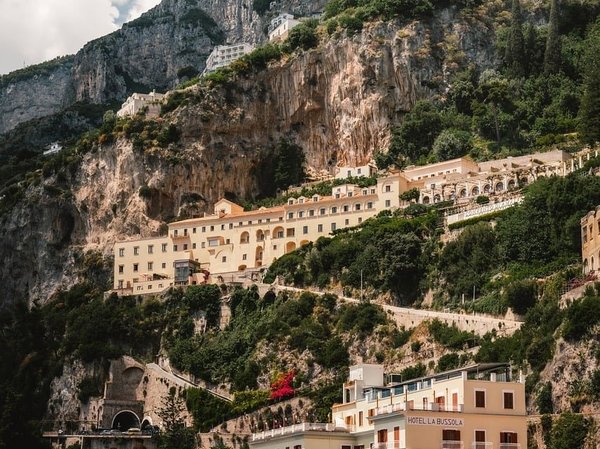
View of cliffside buildings on the Amalfi Coast with lush greenery and a clear sky.

Seven kilometres above the sea

The Sentiero degli Dei runs for roughly 7 km along the ridgeline connecting Bomerano (a hamlet of Agerola, 630 m elevation) to Nocelle above Positano. Italian writer and politician Italo Calvino described this stretch of coast as a place where the gods once walked, and the name stuck. The trail is not technically difficult but it is exposed, with sheer drops to the sea on the southern side and no guardrails for long stretches. From the Bomerano trailhead, the path traverses limestone cliffs carpeted in rosemary, myrtle, and wild fennel. After about 2 km you pass the ruins of a shepherd's shelter and a natural rock arch. The midway point offers an unobstructed view from Capri to Punta Campanella. The trail descends steeply in its final kilometre to Nocelle, from where 1,700 steps (or a local bus) lead down to Positano. Allow 3 to 4 hours one way. Start early in summer to avoid midday heat, bring at least a litre of water per person, and wear shoes with ankle support. SITA buses from Amalfi reach Bomerano in about 40 minutes.
Trailhead in Bomerano (Agerola), Piazza Paolo Capasso. SITA bus from Amalfi or Positano.
Accessible year-round during daylight. Trail may close temporarily after heavy rain or landslides.
Entrance is free. No permits required.

Marina Grande Beach

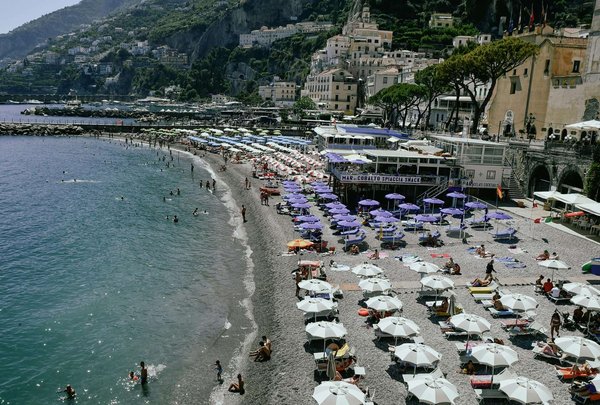
Marina Grande Beach in Amalfi with colorful umbrellas, beachgoers, and a view of coastal houses.

The town's working waterfront

Marina Grande is not a resort beach. It is Amalfi's oldest harbour, where fishing boats have been dragged ashore since the town's founding. The beach stretches about 250 metres of coarse sand and pebbles directly below the main road, framed by the town's stacked pastel houses on one side and the breakwater on the other. In summer it fills with sunbathers by mid-morning, but in the shoulder season you can still find open sand. The eastern end near the old Arsenale della Repubblica, a series of pointed stone arches dating to the , is the most atmospheric section. The Arsenale once sheltered the galleys of the Maritime Republic and today hosts a small museum of Amalfi's naval history. Several beachfront restaurants serve fresh catch, the most traditional choice being scialatielli ai frutti di mare, a local hand-rolled pasta with mixed shellfish. If the main beach is too crowded, rent a small boat or take a water taxi east to the quieter coves of Duoglio and Santa Croce, both reachable in under ten minutes.
Lungomare dei Cavalieri, directly below the centre of Amalfi.
Accessible year-round. Beach clubs operate approximately May through October.
Public beach access is free. Sunbed and umbrella rental from approximately 15 EUR per set in summer.

Limoncello Tasting

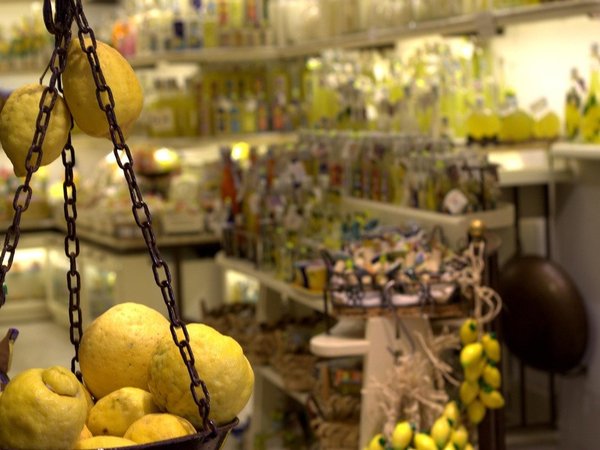
Fresh lemons on a scale with limoncello bottles in the background at a shop in Amalfi.

Lemons the size of your fist

The Sfusato Amalfitano lemon is the foundation of the local economy after tourism. This IGP-protected variety grows on terraced groves carved into the cliffs above town, supported by chestnut-wood pergolas that have been maintained the same way since the . The lemons are unusually large, thick-skinned, and intensely fragrant, with low acidity that makes them suitable for eating raw. Several family-run producers in the historic centre offer tastings. The classic limoncello is made by steeping the zest in grain alcohol for at least a month, then mixing with sugar syrup. Better shops also stock crema di limone (a creamier version), lemon marmalade, lemon-infused olive oil, and candied lemon peel. The Andrea Pansa pastry shop on Piazza Duomo, operating since , serves a lemon delight cake (delizia al limone) that has become a regional benchmark. For a deeper look, some growers offer guided walks through their terraces, explaining the irrigation channels and dry-stone walls that keep the groves productive on near-vertical slopes.
Multiple shops along Via Lorenzo d'Amalfi and Piazza Duomo in the historic centre.
Most shops open daily 9:30 AM to 8:00 PM in season. Reduced hours in winter.
Tastings are generally free. A 500 ml bottle of artisan limoncello costs approximately 10-15 EUR.

Sunset Boat Trip Along the Coast

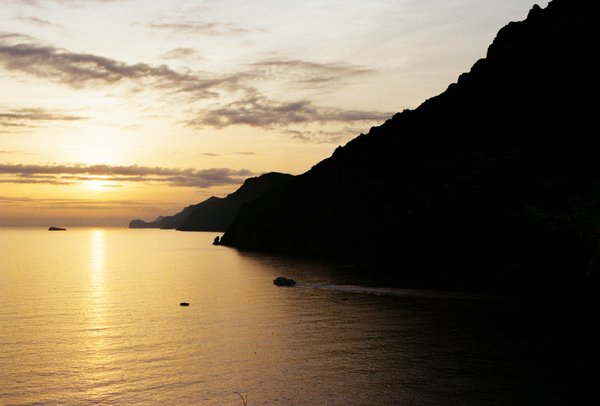
Sunset over the Amalfi Coast with cliffs and a boat on calm waters.

The Amalfi Coast from the water

Seeing the coast from land is one thing. Seeing it from a boat as the late sun turns the limestone cliffs amber is something else entirely. Several operators at Marina di Amalfi run evening departures, typically from through sunset. Most trips head west toward Positano, passing the Grotta dello Smeraldo (Emerald Grotto), the tiny beach of Furore fjord, and the rocky point of Praiano before turning back. Small-group boats (6 to 12 passengers) offer the best experience: the skipper can nose into sea caves and stop at sheltered coves for a swim. Larger vessels are cheaper but less flexible. Many trips include a glass of prosecco or local white wine and a plate of bruschetta. If you want more independence, rent a 5-metre gozzo boat (no licence required for engines under 40 HP in Italy) for roughly 120 EUR for half a day, fuel included. The stretch of coast between Amalfi and Conca dei Marini is especially dramatic, with watchtowers built in the against Saracen raids perched on every headland.
Departures from Marina di Amalfi, the main harbour below Piazza Flavio Gioia.
Sunset tours typically depart 6:00 PM, returning around 9:00 PM. Season runs April to October.
Group sunset tours from approximately 50 EUR per person. Private charters from 250 EUR.

Cooking Class with Local Ingredients

View of Amalfi coast with historic buildings and boats in the harbor.

Hands in the dough, feet above the sea

Cooking classes on the Amalfi Coast tend to follow a pattern: morning market visit, hands-on cooking, long lunch with wine. The best ones break from formula. Look for classes that use ingredients from the host's own garden or terrace, where you pick tomatoes and basil minutes before cooking. Several family-run operations between Amalfi and Atrani offer exactly this. A typical session covers three to four dishes. You will almost certainly make scialatielli, the local fresh pasta invented in Amalfi in the by chef Enrico Cosentino. The dough includes milk and basil, giving it a distinctive flavour and chewy texture. Seafood sauces follow the day's catch. Dessert is usually delizia al limone or a lemon-flavoured panna cotta. The cooking itself takes two to three hours, and the meal afterward roughly the same. Some operators offer an optional visit to a lemon grove or fishing boat before the class begins. Book at least a week ahead in summer, as group sizes are kept small (6 to 10 people).
Various locations in Amalfi and Atrani. Operators provide meeting-point details upon booking.
Most classes run 10:00 AM to 2:30 PM or 4:00 PM to 8:00 PM. Advance booking required.
From approximately 75 EUR per person including meal, wine, and recipes.

Valle delle Ferriere Nature Reserve

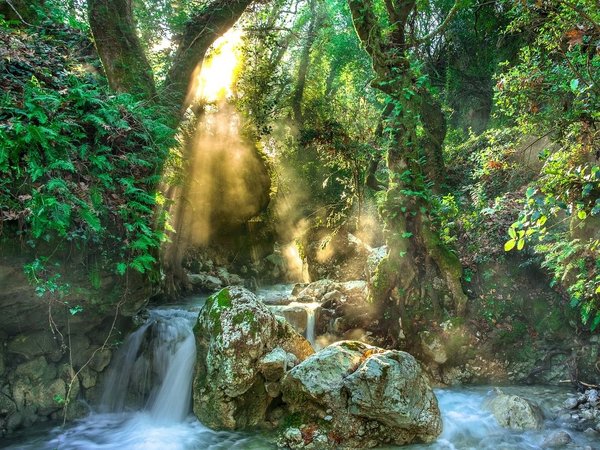
Waterfall and lush vegetation in Valle delle Ferriere Nature Reserve, Amalfi, with sunlight streaming through the trees.

A prehistoric fern and medieval iron mills

Twenty minutes on foot from Piazza Duomo, the Valle delle Ferriere feels like a different climate zone. This narrow ravine carries the Canneto stream down from the Lattari mountains, and its steep walls trap humidity that supports plant species found nowhere else on the Italian peninsula. The star specimen is Woodwardia radicans, a giant chain fern that dates to the Tertiary period and survives here thanks to the constant moisture from waterfalls and springs. The reserve takes its name from the ferriere, iron-smelting works that operated in the valley from the to the , using water power from the stream to drive bellows and hammers. Ruined walls and channels are still visible along the trail. The main path runs about 3 km from the upper entrance at Pontone down to the valley floor and back. It is well-maintained but includes some steep, slippery sections near the waterfalls. The reserve has been a State Nature Reserve since and a Natura 2000 site. Allow two hours for a comfortable round trip. Entrance is from the hamlet of Pontone above Amalfi, or from Scala on the opposite ridge.
Main entrance from Pontone (hamlet of Scala), approximately 20 minutes uphill from Amalfi centre.
Open daily 8:00 AM to 5:00 PM (last entry 3:30 PM). Closed in heavy rain.
Entrance is free. Guided botanical walks available through local associations for a fee.

Villa Rufolo Gardens in Ravello

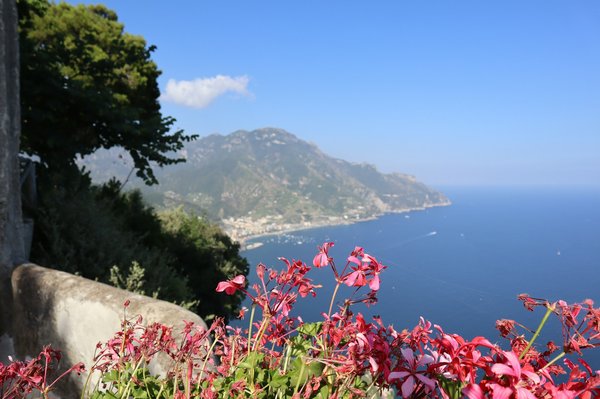
View of the Amalfi Coast with pink flowers in the foreground and blue sea in the background.

Wagner's inspiration above the clouds

Villa Rufolo sits on the main square of Ravello, a town perched 350 metres above the sea and about 25 minutes by bus from Amalfi. The villa was built in the by the Rufolo family, wealthy Amalfi merchants who reportedly inspired Boccaccio's description of fabulous riches in the Decameron. In , the German composer Richard Wagner visited and declared the garden the setting of Klingsor's enchanted garden from his opera Parsifal. The annual Ravello Festival, running since , still stages concerts on a platform cantilevered over the cliff edge in the villa's grounds. The gardens layer Moorish arches, Norman towers, and Victorian-era plantings of exotic species. The lower terrace, suspended directly above the sea, offers one of the most photographed views in Italy: the entire Gulf of Salerno sweeping from Maiori to Punta Licosa. The Torre Maggiore, the villa's main tower, hosts rotating art exhibitions. After the villa, walk five minutes to the Villa Cimbrone gardens at the opposite end of Ravello for a second cliff-edge panorama from the Terrazza dell'Infinito.
Piazza Duomo, Ravello. SITA bus from Amalfi (approximately 25 minutes).
Open daily 9:00 AM to 7:00 PM (until 5:00 PM November to March). Last entry 30 minutes before closing.
Entrance: 10 EUR. Reduced for students and over-65s. Under 6 free.

Wine Tasting in Tramonti

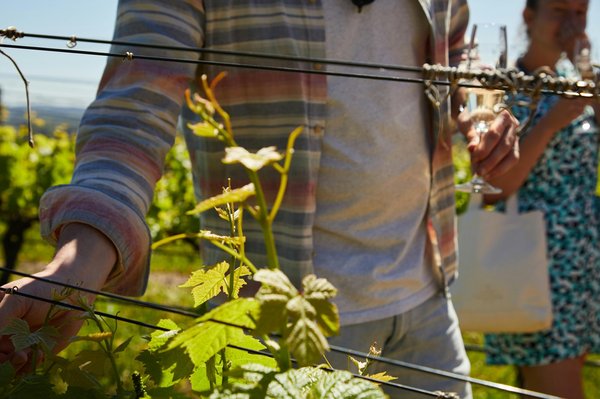
Wine tasting in a vineyard with green leaves and wine glasses on a sunny day.

Vineyards between the mountains and the sea

The village of Tramonti, tucked into a valley behind the coastal ridge, has been making wine since at least the , when Roman colonists planted the first vines on these slopes. The name means "between the mountains," and the microclimate here, cooler than the coast, with sharp temperature swings between day and night, produces wines with unusual acidity and minerality for southern Italy. The signature grape is Tintore, a deep-coloured red variety found almost exclusively in this valley, which produces structured wines with notes of dark fruit and volcanic soil. Several small estates offer tastings, typically pairing local wines with fresh mozzarella from Tramonti's dairy cooperative (the village is also famous for its fior di latte) and cured meats. The white wines are based on Falanghina and Pepella, another near-extinct local grape that has been revived by a handful of producers. Most tastings include a walk through the vineyards, where vines are trained on the traditional pergola system over terraces supported by dry-stone walls. Tramonti is about 20 minutes by car from Amalfi, or reachable by local bus.
Various estates in Tramonti, approximately 20 minutes inland from Amalfi by car.
Tastings by appointment, typically Tuesday to Sunday 11:00 AM to 5:00 PM.
Tasting sessions from approximately 30 EUR per person including food pairings.

Recommended Itineraries in Amalfi

One Day Along the Coast

Morning — Start at Piazza Duomo with a coffee at one of the bars facing the cathedral steps. Visit the Cathedral of St. Andrew and its cloister (allow one hour), then walk up Via delle Cartiere to the Paper Museum. Return to the centre and browse the lemon-themed shops along Via Lorenzo d'Amalfi.

Afternoon — Take the SITA bus to Ravello (25 minutes). Explore Villa Rufolo's gardens and walk to Villa Cimbrone for the Terrazza dell'Infinito panorama. Have a late lunch at one of Ravello's trattorias on the main square.

Evening — Return to Amalfi by bus. Walk to Marina Grande for a swim or a seat at a beachfront restaurant. Order scialatielli ai frutti di mare and finish with a chilled limoncello as the lights come on along the harbour.

Hiking Day in the Valleys

Morning — Take an early SITA bus to Bomerano in Agerola (departs around 7:30 AM). Walk the Path of the Gods westward toward Nocelle. The 7 km trail takes 3 to 4 hours at a comfortable pace with photo stops. Descend the 1,700 steps from Nocelle to Positano or take the local shuttle.

Afternoon — Have lunch in Positano, then catch a ferry back to Amalfi (30 minutes, runs hourly in season). Rest at Marina Grande beach or walk up to Pontone for the Valle delle Ferriere trail if energy permits.

Evening — Dine at a trattoria in Amalfi's backstreets, away from the seafront tourist pricing. Try the local anchovy dishes — Amalfi's anchovies (alici di Cetara) are salt-cured in the neighbouring village and considered among Italy's best.

A Day on the Water

Morning — Rent a small gozzo boat from Marina di Amalfi (no licence needed for under 40 HP) or join a group tour. Head west to the Grotta dello Smeraldo at Conca dei Marini, where sunlight filters through an underwater cavity and turns the water emerald green. Continue past the fjord of Furore to Praiano.

Afternoon — Anchor in a sheltered cove near Praiano or Marina di Praia for a swim and a packed lunch. On the return, stop at the small beach of Duoglio, accessible only by boat or a long staircase, for quieter swimming than Marina Grande.

Evening — Return the boat and walk to one of the restaurants above the harbour for a seafood dinner with a view. Book a sunset aperitivo at a cliffside bar on the road toward Atrani.

When to Visit

When to Visit Amalfi

Amalfi enjoys a Mediterranean climate with mild winters and warm, dry summers. Spring and autumn strike the best balance between pleasant weather and manageable crowds. Summer brings peak heat and tourist numbers, while winter offers solitude and lower prices at the cost of reduced ferry services and shorter daylight.

Peak Season

July and August bring the highest temperatures, the largest crowds, and premium prices for accommodation and ferries.

Shoulder Season

April to June and September to October offer warm days, manageable visitor numbers, and the full range of open services.

Low Season

November through February is quiet and affordable, though some boat services, hotels, and restaurants close for the season.

Tips for Visiting Amalfi

Arrive before 9:00 AM to see Piazza Duomo nearly empty. By 10:00 AM the tour buses begin arriving from Sorrento and Naples.
Walk to neighbouring Atrani in 10 minutes along the seafront path. It has a quieter piazza, a good beach, and significantly lower restaurant prices.
Wear shoes with grip. Amalfi's streets are steep, narrow, and paved with polished stone that becomes slippery when wet.

Local Experiences in Amalfi

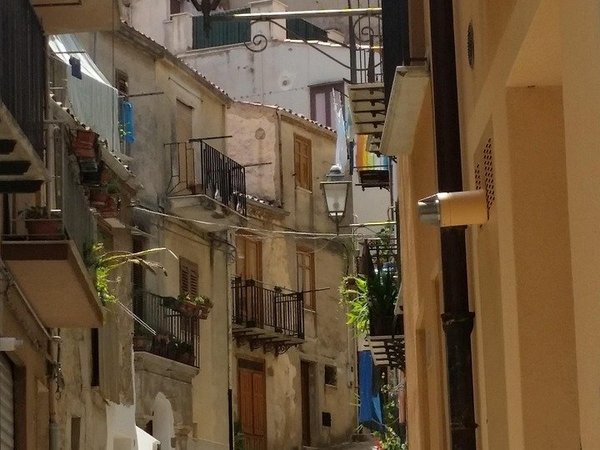
Narrow street with traditional buildings and flowered balconies in Amalfi, showcasing a typical Mediterranean vibe.

Explore the Backstreets Above the Cathedral
Most visitors stay on the main drag between Piazza Duomo and Marina Grande. Turn uphill instead and follow the stepped alleys toward Pogerola. Within five minutes the crowds thin out entirely, and you pass through residential Amalfi: laundry strung between buildings, tiny shrines set into walls, and vegetable gardens on improbable ledges. These lanes eventually connect to the trail system leading to Pontone and the Valle delle Ferriere.
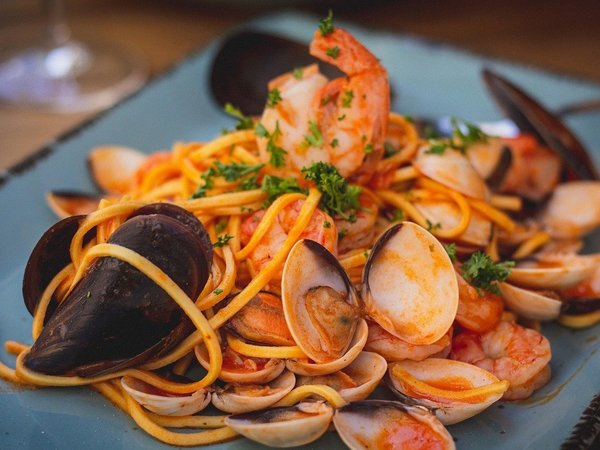
Seafood pasta dish with mussels, shrimp, and clams, typical of Amalfi cuisine.

Eat Where the Locals Eat
The waterfront restaurants charge a premium for the view. For better value and often better food, head to the trattorias on Via Pietro Capuano or the side streets near the Paper Museum. Ask for the daily catch rather than ordering from the tourist menu. Scialatielli ai frutti di mare is the signature pasta, and totani e patate (squid and potatoes) is a Campanian staple that most visitors overlook.
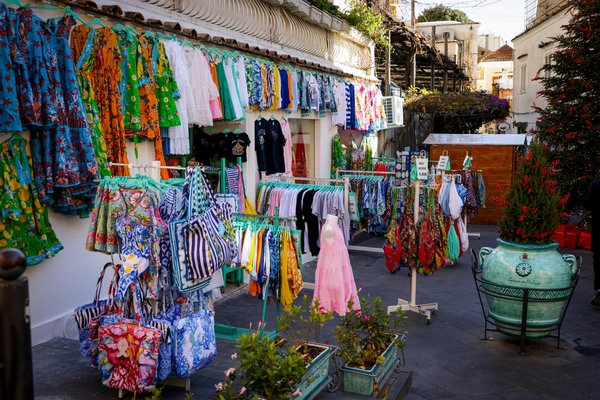
Local market in Amalfi with colorful clothing, bags, and vibrant decorations displayed outdoors.

Visit the Morning Market

Amalfi's small daily market sets up near Piazza dei Dogi with stalls selling Sfusato Amalfitano lemons, local olive oil, dried herbs, and handmade ceramics from Vietri sul Mare. Arrive before 10:00 AM for the best selection. The lemons here are noticeably larger and more fragrant than supermarket varieties. Buy a few and eat them sliced with salt and olive oil, the way locals do.

Frequently Asked Questions about Amalfi

What is the best time to visit Amalfi?

I recommend May, June, or September. You get warm weather and full services without the crushing August crowds. April and October are also good if you prefer cooler hiking temperatures, though you may encounter more rain.

How do I get to Amalfi?

I usually take the SITA bus from Sorrento or Salerno — both routes follow the coast road with spectacular views. Ferries run from Naples, Salerno, and Positano between April and October. If you drive, be prepared for narrow roads and limited, expensive parking.

Is there parking in Amalfi?

There are two main car parks: Luna Rossa near the harbour (about 5 EUR per hour) and a larger one on the road above town. Both fill early in summer. I would suggest parking in Salerno or Sorrento and taking the bus or ferry instead.

What are the signature dishes of Amalfi?

I always recommend scialatielli ai frutti di mare, a local fresh pasta with mixed shellfish. Also try totani e patate (squid with potatoes), grilled fish of the day, and delizia al limone for dessert. Limoncello after the meal is practically obligatory.

Is Amalfi suitable for families with children?

Yes, with caveats. Marina Grande is a safe, shallow beach, and kids enjoy the boat trips and the Paper Museum demonstrations. However, the steep streets and endless staircases make pushchairs impractical. I would bring a carrier for toddlers.

How many days do I need in Amalfi?

I would spend a minimum of two full days. One day for the town itself (cathedral, Paper Museum, beach, backstreets) and one for excursions (Path of the Gods, Ravello, or a boat trip). Three days allows you to do all of these at a relaxed pace.

What excursions can I take from Amalfi?

I have done the Path of the Gods hike (starts in Bomerano), the Valle delle Ferriere nature reserve walk, the bus to Ravello for Villa Rufolo, and boat trips to the Grotta dello Smeraldo and Positano. All are doable as half-day trips from Amalfi.

What souvenirs are worth buying in Amalfi?

I bring back artisan limoncello and lemon products (marmalade, candied peel, lemon soap). Handmade bambagina paper from the Paper Museum makes an unusual gift. Ceramics from nearby Vietri sul Mare are widely available in town. Avoid mass-produced items near the harbour.

Is Amalfi accessible for visitors with reduced mobility?

The main seafront area and Piazza Duomo are relatively flat, but most of the town involves steep staircases and narrow alleys. The cathedral crypt requires stairs. Ravello is more manageable. I would recommend contacting your hotel in advance to arrange accessible transport and routes.

Can I visit Amalfi in winter?

Yes, and I enjoy the quiet atmosphere. Most hotels, restaurants, and the cathedral stay open year-round, though some close from November to February. Ferry services are reduced. Winter is a good time for hiking (mild temperatures, no crowds) but not for swimming.