Via San Gregorio Armeno in Naples with nativity workshops in winter

Best Italian Cities to Visit in Winter

Italian Cities to Visit in Winter: 7 destinations for museums, markets and seasonal cuisine, fast high-speed trains, low-cost flights and hotels from €70 per night

Top List

Updated on · 10 min read

At a glance

Ranked

  1. Naples (2 days)
  2. Turin (2 days)
  3. Rome (3 days)
  4. Milan (2 days)
  5. Venice (2 days)
  6. Bologna (2 days)
  7. Palermo (2 days)

This ranking selects 7 Italian cities perfect for December–February, with top-tier museums, events, and low-season costs. You can build a 2–3 day itinerary per stop, combining high-speed trains between north and south in 1–3 hours and urban transfers under €10. It’s worth booking accommodation with flexible cancellation and buying museum tickets online for time slots, optimizing lines and timing.

For the winter seasonality, we consider average temperatures of 0–8°C in the North, 5–12°C in the Center, and 10–16°C in the South, with 6–9 rainy days per month. Christmas markets and lights are active between late November and Epiphany, while some events, like Carnival, fall in February. Layered clothing, waterproof footwear, and flexible hours are recommended to cover indoor attractions during any precipitation.

How we built the ranking

  • Winter climate: verified regional temperature averages and monthly rainy days
  • Seasonal events: Christmas markets, light festivals, and the December–February calendar
  • Low-season prices: hotels, museums, and urban transport under €15
  • Indoor offer: number of museums, extended hours, and car-free accessibility

The ranking

The interactive map loads once you accept cookies: map data comes from OpenFreeMap (OpenStreetMap) servers.

Manage cookie preferences
1
Via San Gregorio Armeno in Naples with nativity workshops in winter

Naples

2 days €65/day food and culture

Artisanal nativity scenes, high-profile museums, and low costs make Naples ideal in winter, with efficient services and less crowding than other cities.

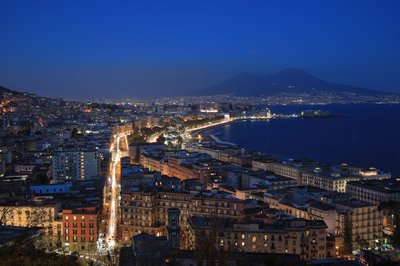
In winter, Naples combines artisanal nativity scenes and major museums with shorter lines. From Napoli Capodichino you reach the center with the Alibus for €5 in about 25 minutes. In December, Via San Gregorio Armeno teems with workshops; reservation required for the Cappella Sansevero (Veiled Christ), standard ticket €12.00 (reduced €8 for ages 18–26; ages 10–17 €6), open 9:00–19:00, closed on Tuesday. Walking along Spaccanapoli (1.2 km) lets you combine baroque churches and historic pastry shops in half a day. For the Toledo district, Metro L1 avoids traffic; plan the Archaeological Museum in the afternoon and an osteria in the Spanish Quarter in the evening. A 2-day weekend is enough for the historic center and seafront, with evening returns on Trenitalia to Rome.

  • The Archaeological Museum costs €20 and is great in the afternoon
  • A Margherita at Sorbillo costs €6, quick service
  • A single Funicular ride costs €1.70
  • Castel dell’Ovo is 1.6 km from Piazza Plebiscito
  • Montesanto operates 7:00–22:00 on weekdays
Read the Naples guide
2
Piazza San Carlo in Turin with Luci d’Artista in winter

Turin

2 days €70/day museums and evening strolls

Dense indoor programs, light events, and porticoes make Turin extremely functional in winter compared to other more exposed destinations.

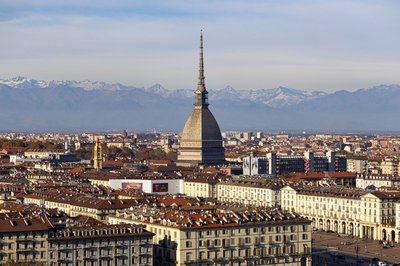
Turin shines with Luci d’Artista between November and early January, great evening strolls and cozy warm breaks. The urban GTT ticket costs €1.70 and is valid for 100 minutes, useful between Porta Susa and central museums. The Egyptian Museum opens 9:00–18:30, perfect in the morning; in the afternoon we recommend the Galleria Sabauda and a bicerin (about €6) in the namesake historic café. From Piazza Castello to Porta Nuova it’s a flat 1.1 km under porticoes, ideal in the rain. In 48 hours you can cover the Royal Museums, the Egyptian Museum, and the Roman Quadrilateral, with early breakfast and online bookings for reduced time slots.

  • The Egyptian Museum ticket is €18
  • The Reggia di Venaria costs €16
  • The Mole Antonelliana (Cinema) costs €12
  • Tram 4 operates 6:00–0:00
  • Piazza San Carlo is 650 m from Porta Nuova
Read the Turin guide
3
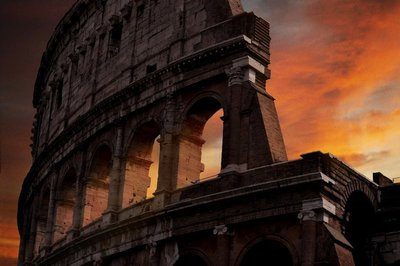
Colosseum and forums in Rome under clear winter skies

Rome

3 days €80/day classics and Roman cuisine

Rome combines great museums and efficient transport with lower winter turnout, allowing smoother visits than in more compact cities.

In Rome, winter brings shorter lines and more livable squares. From Fiumicino airport, the Leonardo Express costs €14 and takes 32 minutes to Termini. St. Peter’s Basilica opens 7:00–19:00, recommended early in the morning; for interiors, aim for the Borghese Gallery with mandatory reservation and 2-hour slots. The Roma 24H pass costs €7 and covers buses, trams, and metro for back-to-back visits. From Termini to the Colosseum it’s a 2.2 km walk, an alternative to Metro B. In 3 days you can combine the Capitoline Museums, the Trastevere and Monti districts, plus a trattoria dinner with an 20:00 reservation.

  • The Vatican Museums cost €25 (full €20 + €5 online booking)
  • The Colosseum ticket is €18
  • Tram 8 operates 5:30–23:30
  • Trastevere–Testaccio are 2.3 km
  • An espresso at Sant’Eustachio costs €1.50
Read the Rome guide
4
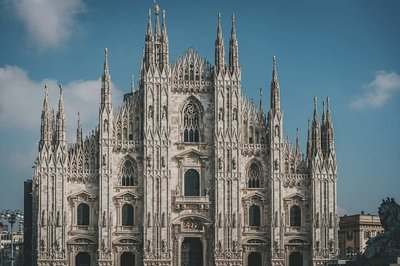
Milan Cathedral with Christmas lights and visitors in winter

Milan

2 days €85/day shopping and museums

A broad museum offering, fast airport links, and a festive calendar make it strong in winter compared to other Lombard cities.

Milan is ideal for shopping and museums between December and the early January sales. The Malpensa Express takes about 40 minutes to Cadorna (about 55 to Centrale); from here you can reach the Duomo and Brera by metro. The Museum of the Twentieth Century costs €10 and opens 10:00–19:30, great in the afternoon. Schedule La Scala (museum) in the morning and an aperitivo in the Navigli at 18:30. From Brera to the Duomo it’s 1.0 km, pleasant even in the rain. Two days are enough for the Quadrilatero, main museums, and an evening in Isola, with returns on Trenord to secondary airports.

  • Duomo Terraces at €15
  • Oh Bej! Oh Bej! takes place 7–8 December
  • Tram 1 runs every 7 minutes
  • An aperitivo in the Navigli costs €10
  • Brera–Duomo are 1.0 km
Read the Milan guide
5
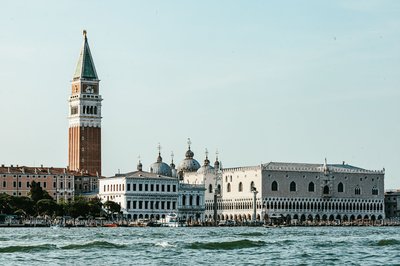
St Mark’s Square in Venice with few visitors in winter

Venice

2 days €95/day art and photography

Venice’s winter drop in visitors maximizes museums and bacari, though it requires attention to tides compared to other cities on the list.

Winter in Venice guarantees smoother calle and museums without crowds. The ACTV 24h pass costs €25, useful for moving between San Marco and Dorsoduro. From the airport, Alilaguna Blu costs €18 (return €32) and takes about 75 minutes to San Zaccaria. The St Mark’s Campanile costs €10 and opens 9:30–17:00; book morning. For a panoramic view, head up St Mark’s Campanile. From Piazzale Roma to Rialto it’s 1.5 km; plan covered routes in case of high water. In 2 days you can cover the Doge’s Palace, the Gallerie dell’Accademia, and bacari in the late afternoon.

  • Single vaporetto €9.50
  • Doge’s Palace costs €35 (St Mark’s Square Museums ticket; €30 online 30+ days ahead; reduced €15)
  • Gondola traghetto costs €2
  • Vallaresso–Accademia are 0.9 km
  • Line 1 is useful for short hops
Read the Venice guide
6
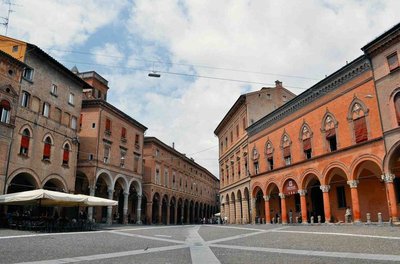
Bologna’s porticoes with pedestrians and umbrellas in winter

Bologna

2 days €70/day food lovers and rainy days

Porticoes, seasonal cuisine, and quick transfers make Bologna efficient in winter compared to more sprawling cities.

Bologna is perfect in the rain thanks to its porticoes. From the airport, the Marconi Express costs €12.80 and takes about 7 minutes to Centrale. The Torre degli Asinelli is currently closed for area maintenance: check Bologna Welcome for reopening before you go (full ticket €5 when open). Taste wines at Osteria del Sole with glasses from €3 in the Quadrilatero. The station is 1.1 km from Piazza Maggiore, a covered walk. In 2 days you can combine the Archiginnasio, fresh pasta shops, and an afternoon stroll to the Mercato delle Erbe, leaving museums for weekday mornings. It’s worth ending with a dinner at 20:30 in a booked trattoria to avoid queues.

  • The Portico di San Luca is 3.8 km long
  • The MAMbo costs €6
  • The TPER day pass costs €9 (24 h)
  • Tortellini in brodo around €13
  • Le Due Torri are 600 m from Piazza Maggiore
Read the Bologna guide
7
Cappella Palatina in Palermo with illuminated mosaics in winter

Palermo

2 days €60/day mild climate and street food

Warmer temperatures and contained costs allow continuous indoor and outdoor activities, more pleasant than in many northern cities.

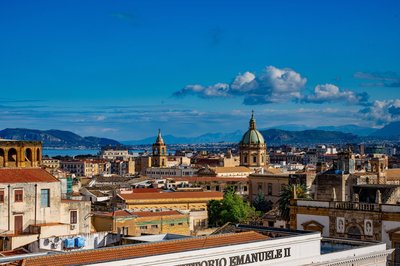
With mild weather and hearty cuisine, Palermo is excellent for markets and churches in winter. From the airport, the Prestia e Comandè bus costs €6 and takes 50 minutes to Politeama. The ticket for Palazzo dei Normanni with the Cappella Palatina costs €14 and access is 8:30–16:30. Try cannoli at Pasticceria Cappello for €2.50 in the afternoon and dine in an osteria at 20:00. In 2 days you can cover Ballarò, Kalsa, and the seafront, with short routes between churches and oratories. Plan Monreale the following morning for mosaics and views, returning with a direct bus.

  • Bus 389P to Monreale costs €1.40
  • Teatro Massimo tour full price €14, about 40 min
  • The Cathedral is open 9:00–17:00
  • A 2.0 km walk on the Foro Italico
  • Ballarò–Quattro Canti are 650 m
Read the Palermo guide

Frequently Asked Questions

How many days are needed for this winter itinerary?

We recommend 14 days to visit all 7 cities, dedicating 2 days to each. High-speed segments between Milan–Turin (47 minutes) and Bologna–Venice (1h33) make connections easy. For Rome–Naples, the Frecciarossa takes 1h10. In winter it’s best to plan museum slots in the morning and travel in the late afternoon, when markets close. Average temperatures range from 0–8°C in the North to 10–16°C in the South; one extra day as a buffer is useful in case of rain or strikes. Booking in advance optimizes times and costs.

How much does a trip between December and February cost?

An average budget is €70–95 per day: accommodation €45–65 in a double, meals €20–25, transport €5–10. Major museums range between €10 and €30. Winter round-trip domestic flights start from €29, while high-speed trains booked 2–3 weeks in advance cost €19–39. Southern cities like Palermo and Naples are generally cheaper than Milan and Venice. Buying 24h transport passes is worthwhile if you expect at least 3 rides per day.

When to go and what temperatures to expect?

Between December and February, averages are 0–8°C in the North (Turin, Milan), 5–12°C in the Center (Bologna, Rome), 10–16°C in the South (Naples, Palermo). Rain: 6–9 days/month, with possible high water in Venice. For events, consider Luci d’Artista in Turin (November–January) and Venice Carnival (February). Plan museums during the coldest hours and walks during milder times; a waterproof coat and non-slip shoes are recommended.

How to get around between the selected cities?

High-speed trains connect effectively: Rome–Naples 1h10, Milan–Turin 47 minutes, Bologna–Venice 1h33. Booking 2–3 weeks ahead yields fares between €19 and €39. For Palermo, fly direct to PMO with an urban shuttle at €6. Within cities, 24h cards (e.g., ACTV at €25 for Venice, Roma 24H at €7) reduce costs if making 3–4 rides. Allow margins for announced strikes and weather conditions.

Which winter events are worth including?

In Turin, Luci d’Artista lights up streets and squares between November and early January; in Milan the Oh Bej! Oh Bej! markets are held around 7–8 December. Venice hosts Carnival in February, with capacity-controlled access on the main evenings. In Naples, Via San Gregorio Armeno concentrates nativity-scene workshops from mid-November. Consider 10:00–20:00 hours for stalls and museum time slots; many attractions close between 18:00 and 19:30. Booking accommodation near the historic centers reduces travel time.

How to plan meals and where to try seasonal specialties?

Booking lunch between 12:30–13:00 and dinner at 20:00 avoids waits. In Bologna tortellini in brodo around €13, in Milan cassoeula between €12–16, in Naples pizza €6–8. In Palermo, arancine €2–3 in the Ballarò and Vucciria markets. Many trattorias apply a €2 cover charge; booking online can yield 10–20% discounts. In winter, prefer venues with spacious indoor dining and kitchens open until 22:30. Check weekly closures (often Monday).

Are there practical tips for winter weather?

Yes: bring technical layers, a waterproof coat, and shoes with non-slip soles. In the North, with 0–8°C and 6–9 rainy days monthly, prioritize museums during the coldest hours. In Venice, consult tide bulletins and raised walkways; an ACTV pass at €25 optimizes sheltered transfers. Allow 15–20 extra minutes for buses at peak times. In case of wind, choose routes under porticoes (e.g., Bologna) and historic cafés with indoor rooms. Carry cash for small markets.