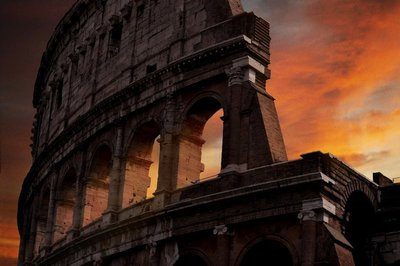
Colosseum and Roman Forum at sunset, Rome

Top 7 Art Cities in Italy

Art Cities in Italy: 7 destinations with major museums, handy city passes, and direct high-speed rail links. Rigorous selection with clear € costs for quick decisions.

Top List

Updated on · 10 min read

At a glance

Ranked

  1. Rome (4 days)
  2. Florence (3 days)
  3. Venice (2 days)
  4. Naples (3 days)
  5. Milan (2 days)
  6. Turin (2 days)
  7. Siena (1 days)

This ranking of Art Cities in Italy helps travelers who want to focus masterpieces, architecture, and museums into a 7-stop itinerary. We assessed city passes, tickets between €10–30, and collection quality to build a route with clear priorities and transparent costs. Compact historic centers are favored so you can walk between squares and galleries with manageable queues (slots of 15–30 minutes when available).

It’s recommended to follow the proposed order or combine it based on high-speed train times: Rome–Florence 1h32, Milan–Venice 2h25, Rome–Naples 1h10. Each entry indicates recommended days, budget, and how to get from the main station to the first museum. It’s worth booking timed entries with staggered release and using city passes when they include two or more top sites.

Best time: spring and autumn for mild weather. Between April–June 18–26°C, outdoor visits are pleasant; in July 31°C it’s better to go in the morning/evening; in January 6–9°C museums are quieter. Many museums close on Monday, so plan mixed days with churches and walks in historic neighborhoods.

How we built the ranking

  • Museums and masterpieces: breadth of collections and average ticket cost between €12–30, presence of iconic works.
  • UNESCO historic centers: extent of protected area in km² and density of significant monuments per km.
  • City passes: price, validity days, and inclusions (priority entry, transport, permanent discounts).
  • Train accessibility: high-speed times between major cities and frequency greater than 2 connections/hour.

The ranking

The interactive map loads once you accept cookies: map data comes from OpenFreeMap (OpenStreetMap) servers.

Manage cookie preferences
1
Colosseum and Roman Forum at sunset, Rome

Rome

4 days €110/day classical and Baroque art enthusiasts

First for the density of leading museums and archaeological wealth, with effective passes and a high-speed rail network that makes combinations with other cities easy.

The heart of Classicism and the Renaissance: the Colosseum with €18 ticket includes the Forum and Palatine Hill, while the Borghese Gallery (€18, mandatory reservation) enforces 2-hour slots to admire Bernini and Caravaggio. Arrive from Fiumicino with the Leonardo Express in 32 minutes (from Termini to the Colosseum it’s 2.2 km). Booking morning slots reduces waiting and allows you to add the Capitoline Museums the same day. For churches and mosaics, stop at San Clemente. We recommend grouping sights by zones (Monti and the Historic Center) to minimize transfers and maximize time in museums.

  • The Roma Pass 48h costs €38.00 and includes 1 museum + urban transport
  • Capitoline Museums open 9:30–19:30 with entrance from Piazza del Campidoglio
  • From St. Peter’s to the Colosseum it’s 3.8 km, also reachable by bus 64
  • Metro B takes 11 minutes from Termini to Colosseum (2 stops)
Read the Rome guide
2
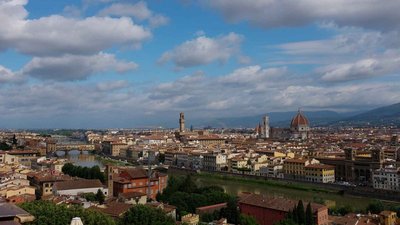
Uffizi Gallery and the Arno in Florence

Florence

3 days €120/day Renaissance and painting

Second for a unique concentration of Renaissance art and a comprehensive card; a compact center that maximizes time among masterpieces and historic churches.

The city of the Uffizi and the Accademia: Uffizi admission €25 (€29 if booked in advance; €16 after 4:00 pm) with reservation recommended; at the Galleria dell’Accademia (€20) entry is by time slots to see the David. The climb to the Cathedral Dome has 463 steps, plan proper footwear. From SMN station to Piazza della Signoria it’s 1.1 km. Alternating museums and churches (Santa Croce, Santa Maria Novella) allows breaks and time management. Booking afternoon slots at the Uffizi and morning ones at the Accademia reduces congestion.

  • The Firenze Card 72h costs €85 and offers access to over 50 museums
  • Tram T2 airport–SMN in 22 minutes (Alamanni stop)
  • Piazza della Signoria is 700 m from the Uffizi, fully pedestrian route
  • Bus 7 to Fiesole every 12 minutes at peak hours
Read the Florence guide
3
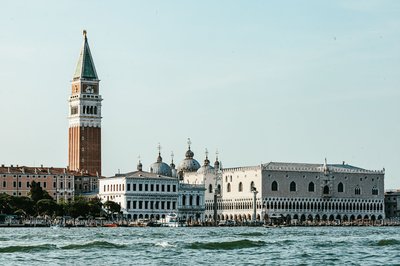
Doge’s Palace and St. Mark’s Square in Venice

Venice

2 days €140/day Gothic architecture and Venetian schools

Third for unique urban form, civic museum network, and programmable access; clear logistics with vaporettos and passes that optimize time.

Doge’s Palace is the top priority: ticket €35 (€30 if purchased online more than 30 days in advance), reduced €15, with access to the Museo dell’Opera; book a morning entry. The ACTV vaporetto costs €9.50 per ride, useful for line 1 along the Grand Canal. From Rialto to St. Mark’s it’s 0.8 km on foot; plan clear routes to avoid dead-end alleys. The Basilica of St. Mark has a main entrance with variable queues; it’s wise to visit the Procuratie first. Santa Lucia station allows quick bag drop near Ponte degli Scalzi.

  • The Museum Pass costs €50 and covers all civic museums (valid 6 months)
  • Alilaguna Blue takes 75 minutes airport–St. Mark’s
  • Line 1 runs every 12 minutes in the middle of the day
  • From the station to Ca’ d’Oro it’s 650 m along Strada Nova
Read the Venice guide
4
National Archaeological Museum of Naples, façade

Naples

3 days €90/day archaeology and Baroque

Fourth for a unique combination of archaeology and sacred art, with a good-value pass and local trains linking historic sites in predictable times.

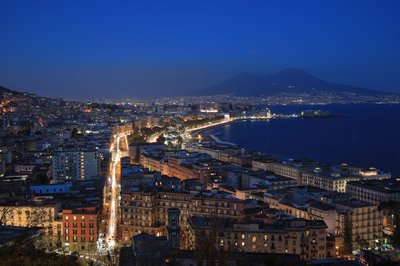
The National Archaeological Museum is among the richest in Europe: ticket €15, collections from Pompeii and Herculaneum; broad opening hours, book on weekends. For Baroque lovers, Pio Monte della Misericordia (€8) houses a Caravaggio. From Napoli Garibaldi to Pompeii with the Circumvesuviana in 35 minutes (distance 26 km); it’s useful to pair the excavation and the museum over two days. The historic center is dense: alternate Spaccanapoli with the Sansevero Chapel Museum with timed booking, then take the funicular up to Vomero for Castel Sant’Elmo.

  • The Naples Artecard 3 days costs €27 and includes 2 free sites + discounts (Campania version €41)
  • Sansevero Chapel: ticket €12, closed on Tuesdays, booking recommended
  • Centrale funicular every 8 minutes at peak hours
  • From Toledo to the MANN it’s 1.3 km on foot
Read the Naples guide
5
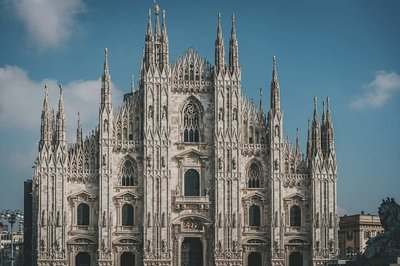
Milan Cathedral and terrace spires

Milan

2 days €115/day Renaissance and contemporary

Fifth for a balance of masterpieces and modernity, fast airport links, and limited-entry tickets that ensure a controlled experience.

Design capital with serious museums. The Duomo offers a combined €20 (cathedral + terraces) with elevator access; book time slots. The Last Supper has a €15 ticket with limited admissions. From Malpensa airport the Express train takes 37 minutes to Cadorna (handy for the Sforza Castle). Pair the Brera Pinacoteca with walking routes in the Quadrilatero to keep timing under control; for contemporary art, consider the Museum of the Twentieth Century. The metro network shortens transfers between the Duomo, Brera, and Navigli.

  • ATM 24h pass costs €7.60 and covers metro, trams, and buses
  • Sforza Castle Museums open 10:00–17:30 with last entry at 17:00
  • From the Duomo to Brera it’s 2.1 km on foot
  • Linate shuttle to Centrale in 25 minutes off-peak
Read the Milan guide
6
Egyptian Museum of Turin, entrance on Via Accademia

Turin

2 days €95/day historical museums and photography

Sixth for high-quality thematic museums and a very competitive card; simple logistics between the arcaded center and royal residences.

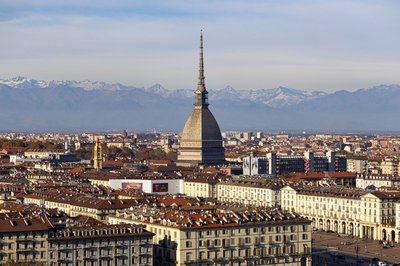
Savoy elegance and solid museums. The Egyptian Museum costs €15 with complete chronological routes; book on weekends. The Reggia di Venaria is 12 km from the center, pairable with the Galleria Sabauda in town. From the airport, the SADEM bus takes 40 minutes to Porta Susa. For cinema and views, the Mole Antonelliana offers a museum and ascent; combine with the MAO for broader perspective. The arcaded axis between Piazza Castello and Via Roma facilitates pedestrian movement and visits punctuated by historic cafés.

  • The Torino+Piemonte Card 72h costs €45.90 (one admission per museum)
  • Mole Antonelliana elevator €8 for the panoramic ascent
  • From Lingotto to Porta Nuova it’s 5.6 km
  • GTT line 4 high frequency every 6 minutes
Read the Turin guide
7
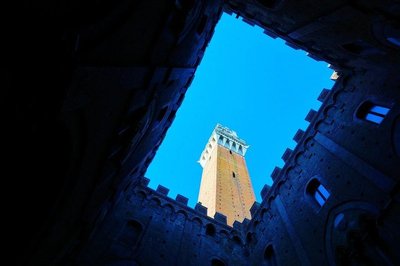
Siena Cathedral and the Facciatone with a view

Siena

1 days €80/day Middle Ages and Gothic architecture

Seventh for Gothic uniqueness and an integrated museum route, ideal as an extension from Florence with contained costs and predictable timing.

Tuscan Gothic in a compact center. The OPA Si Pass costs €21 and covers the Cathedral, Piccolomini Library, Museo dell’Opera, Facciatone, Crypt, and Baptistery. Santa Maria della Scala has a €9 ticket with fascinating archaeological routes. From Florence, Rapida bus in 75 minutes arriving near Porta Ovile. Piazza del Campo is perfect for a break between visits to the Palazzo Pubblico and Torre del Mangia (booking recommended). The Duomo–Campo–San Domenico triangle allows linear itineraries and stops in traditional workshops.

  • The Facciatone has 200 steps, a climb with views over the entire center
  • Cathedral Apr 1–Oct 31 10:00–19:00, winter 10:30–17:30
  • From Piazza del Campo to San Domenico it’s 500 m
  • Local shuttle to Il Campo parking every 10 minutes
Read the Siena guide

Frequently Asked Questions

How many days do you need to visit Italy’s main Art Cities?

For an efficient itinerary we recommend 14 days total: 4 for Rome, 3 for Florence, 2 for Venice, 3 for Naples, 2 for Milan, 2 for Turin, and a day in Siena added from Florence. High-speed routes cut travel time: Rome–Florence 1h32, Milan–Venice 2h25, Rome–Naples 1h10. Allow a margin of 30 minutes for station–hotel transfers and museum slots. Booking limited-entry tickets (Uffizi, Last Supper, Colosseum) at least 7 days in advance reduces the risk of sellouts, especially between April and October.

How much does a trip across 7 Art Cities in Italy cost?

With mid-range central lodging and main museums, the average budget ranges between 83908293140 per day per person, excluding high-speed trains. Passes help: Roma Pass 48h 8338.00; 72h 8362.90, Firenze Card 72h 8385, Venice Museum Pass 8340, Artecard Naples 3 days 8332, Torino+Piemonte Card 3 days 8336. For transport, a Milan8093Venice often costs 8329 when booked 15829330 days ahead; shorter legs like Rome8093Florence from 8319. Booking early on official sites ensures more stable fares and optimized entry slots.

When to go: what are the temperatures and best periods?

The best windows are spring and autumn: between April–June 18–26°C it’s easy to visit historic centers and museums; in summer highs reach 31–33°C in the plains, so aim for 8:30–11:30 and 17:00–20:00. In winter, cities like Turin and Milan record averages between 2–7°C with less crowded museums. Watch for Monday closures at many galleries and holidays (April 25, June 2) with high turnout. Midweek bookings reduce lines and lodging prices by 10–20%.

How to move between cities: train or car?

High-speed trains are the most efficient choice: Rome–Florence 1h32, Milan–Venice 2h25, Rome–Naples 1h10. Frequencies are high on main corridors, with departures every 15–30 minutes at peak times. Cars are discouraged in historic centers due to ZTLs and parking at €2–4/hour. For peripheral transfers (Reggia di Venaria, Fiesole), add urban buses. Booking high-speed tickets at least 10 days in advance reduces costs; for regional routes, buy at the station and validate before use to avoid surcharges.

Which museum passes are really worth it?

They pay off when they include two top attractions and transport. Examples: Roma Pass 48h €38.00 (1 museum + metro), Firenze Card 72h €85 (over 50 museums), Venice Museum Pass €40, Artecard Naples 3 days €32, Torino+Piemonte Card 3 days €36. If you plan at least two entries above €12 and one between €18–25, savings are real. Always check mandatory reservations: the Uffizi and Colosseum require slots even with a pass. Add a public transport pass only if you plan more than 3 trips/day.

Do you need to book the most in-demand museums in advance?

Yes, because many have limited entries. Book the Uffizi, Last Supper, Borghese Gallery, and Colosseum at least 7–14 days in advance. Typical 15-minute slots reduce queues; without a reservation, expect 60–90 minutes waits in high season. Official sites often offer print-at-home or QR options. For chapels like Sansevero, weekends sell out quickly. Plan a safety buffer of 20 minutes between attractions to handle potential delays or security checks.

What are typical opening hours and how to avoid lines?

Many museums open between 8:15–10:00 and close between 18:00–19:30; Monday is often the rest day. Enter at opening or book the last afternoon slots. Choose Tuesday–Thursday for lower crowds. For the Colosseum, timed entries flatten peaks; in Venice, book the Doge’s Palace in the morning and push St. Mark’s toward 17:00. Avoid the 11:00–15:00 window in summer. Consider evening visits where available (e.g., special summer openings) and allow an extra 20 minutes for security checks.