Where to Eat in Milan: 10 Best Restaurants
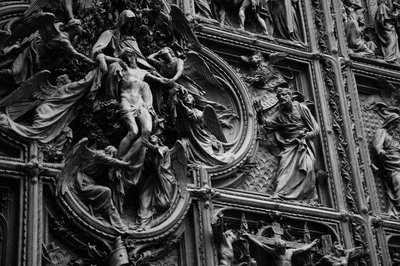
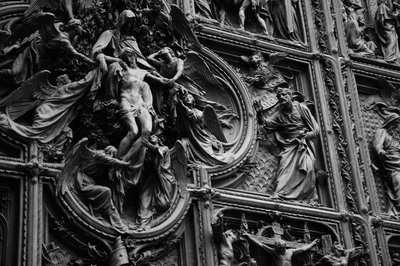
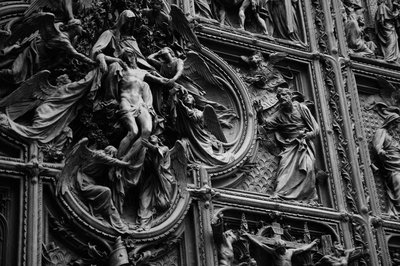
Detail of the bronze doors of Milan Cathedral with intricate black and white sculptures.
Written by travel experts
Regularly updated
Verified on-site

Milan has been feeding Europe since the , when its grain markets along the Navigli canals supplied Lombardy's kitchens and its taverns welcomed merchants traveling between Venice and Lyon. That commercial DNA still pulses through the city's dining scene today: rice arrives from the paddies of Pavia to become risotto alla milanese, tinted gold with saffron threads first documented in a wedding feast at the Duomo; veal cutlets are pounded thin and fried in butter, a technique Milanese cooks defended fiercely when Austrian officers tried to claim the dish as Wiener Schnitzel during Habsburg rule. What makes eating in Milan remarkable is the tension between deep-rooted tradition and restless invention. Family trattorias that have held the same corner since the stand a few blocks from restaurants where chefs trained in Tokyo or Copenhagen rethink Lombard ingredients entirely. The Navigli district pairs ossobuco with natural wines in candlelit osterias, while the Isola neighborhood behind Porta Nuova hosts a generation of cooks turning seasonal produce into something genuinely new. From a saffron-scented risotto served on white linen to a wood-fired margherita eaten standing at a counter near the Duomo, these ten restaurants map the full spectrum of what Milan puts on the table.

Top Things to Do in Milan

Ristorante Cracco in Galleria
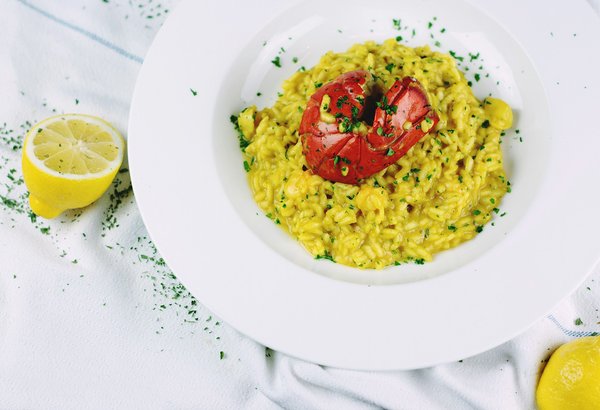
Golden saffron risotto plated elegantly with a lobster tail garnish.

Michelin-starred dining inside Milan's 1867 arcade

When the architect Giuseppe Mengoni completed the Galleria Vittorio Emanuele II in , he designed its iron-and-glass vault to rival the great railway stations of Europe. Today, beneath that same vault, Carlo Cracco runs a restaurant that treats Lombard ingredients with the precision of a research laboratory. Cracco earned his first Michelin star at Ristorante Cracco on Via Victor Hugo in , then moved to this grander Galleria location in , occupying a multi-level space with floor-to-ceiling windows overlooking the mosaic floor below. The saffron risotto here is not the rustic version you find in trattorias — it arrives as a precise disc of rice, each grain individually coated, the saffron infused overnight so its flavour penetrates rather than merely colours. The marinated egg yolk, one of Cracco's signature dishes since the early , is a study in texture: the yolk cured until almost solid, then shaved tableside. Service is formal without being stiff, and the wine list draws heavily from Franciacorta and Valtellina, keeping the focus on Lombardy even at the highest level of refinement. Booking at least two weeks ahead is essential, particularly for the dining room with the Galleria view.
Inside the Galleria Vittorio Emanuele II, directly adjacent to Piazza del Duomo.
Monday to Saturday: lunch 12:30 PM – 2:30 PM, dinner 7:30 PM – 10:30 PM. Closed Sunday.
Fine dining: €€€€. Tasting menus from approximately €180 per person.

Trattoria Masuelli San Marco

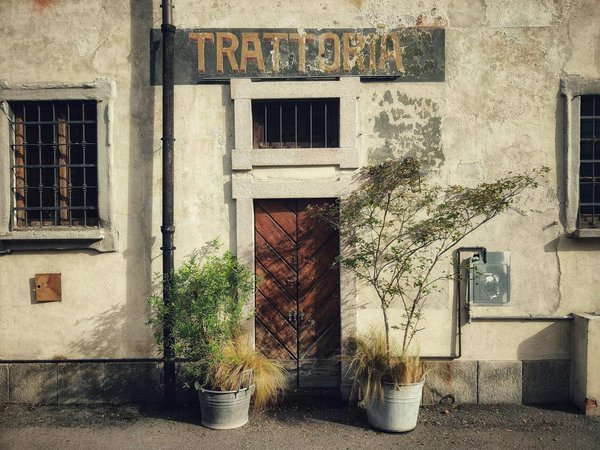
Facade of a traditional trattoria in Milan with wooden door and potted plants.

Family-run Lombard cooking since 1921

The Masuelli family has operated this trattoria on Viale Umbria without interruption since , making it one of Milan's longest-running family restaurants. The dining room still has the feel of a bourgeois Milanese apartment: cream-coloured walls, framed photographs from the , and linen tablecloths replaced at every service. The kitchen does not chase trends. Cotoletta alla milanese is prepared bone-in, pounded to an even thickness, coated in fine breadcrumbs, and fried in clarified butter until the crust shatters at the first cut. The ossobuco arrives in a deep plate, the marrow still trembling in the centre of the bone, accompanied by a gremolata of lemon zest, garlic, and parsley that cuts through the richness of the braising liquid. For the risotto, the Masuellis use Carnaroli rice from a single farm near Pavia and finish it with bone marrow and saffron in the traditional alla milanese style. The wine list is modest but carefully chosen, favouring older vintages from Oltrepò Pavese. Lunch is the better time to visit — the dining room fills with local workers and retired regulars who have been eating here for decades, and the kitchen operates at its most confident pace.
Viale Umbria 80, in the Porta Romana neighbourhood, a short walk from the M3 metro line.
Tuesday to Saturday: lunch 12:30 PM – 2:30 PM, dinner 7:30 PM – 10:30 PM. Closed Sunday and Monday.
Traditional trattoria pricing: €€. Expect around €45–60 per person with wine.

Il Luogo di Aimo e Nadia

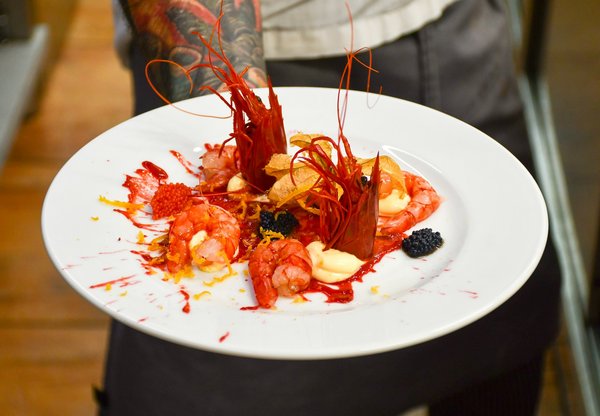
Fine-dining plate of raw red prawns elegantly arranged with caviar and citrus garnish.

Two Michelin stars rooted in Italian regional produce

Aimo Moroni and his wife Nadia opened their restaurant on Via Montecuccoli in , at a time when Milan's fine dining scene was dominated by French technique. Their radical idea was simple: source the finest ingredients from every Italian region and let those ingredients speak. Tuscan olive oil from a single estate in Seggiano, Colonnata lard aged in marble basins, tomatoes from Pachino — each supplier was personally vetted, often after long drives through the countryside. The restaurant earned its two Michelin stars and held them for decades, becoming a training ground for a generation of Italian chefs. After Aimo's passing in , the kitchen passed to chefs Alessandro Negrini and Fabio Pisani, who had worked under him for over fifteen years. They maintain the founding philosophy while introducing subtle contemporary touches: a signature dish of raw red prawns from Mazara del Vallo is presented on a warm pillow of burrata foam, while the classic Tuscan pigeon is now served with a concentrated jus built over two days. The dining room itself is intimate, seating fewer than forty guests, with contemporary art on the walls and a stillness rare for Milan.
Via Montecuccoli 6, in the residential San Siro district, west of the city centre.
Monday to Saturday: lunch 12:30 PM – 2:30 PM, dinner 7:30 PM – 10:30 PM. Closed Sunday.
Fine dining: €€€€. Tasting menus from approximately €200 per person.

Osteria del Binari

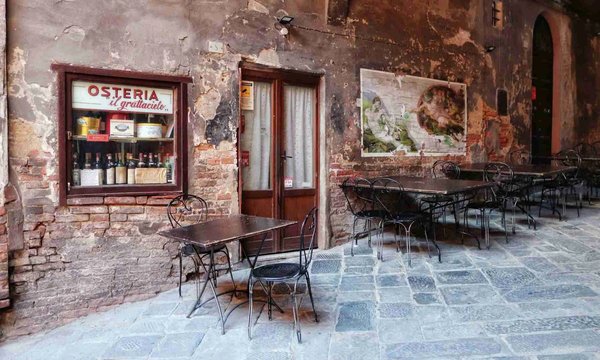
Rustic exterior of an osteria with wrought iron tables and chairs and exposed brick walls.

Seasonal home cooking in a former railway warehouse

The building that houses Osteria del Binari once served as a storage depot for the Porta Genova freight yards, part of the railway infrastructure that made Milan a logistics hub in the late . The conversion preserved the industrial bones — exposed brick walls, iron beams, and high ceilings — while adding the warmth of wooden tables, terracotta floors, and clusters of dried herbs hanging near the kitchen pass. The menu changes with the seasons and leans heavily on the Lombard countryside: in autumn, pumpkin tortelli arrive dressed in nothing more than melted butter and sage, the filling sweet enough to need no embellishment. Winter brings cassoeula, the hearty pork-and-cabbage stew that sustained Milanese labourers through cold months, served here in generous portions with thick-crusted bread. Spring introduces lighter preparations — asparagus risotto, fresh pea soup with pancetta crisps — while summer means dining in the courtyard garden, shaded by fig trees that drop fruit into early September. The wine list focuses almost exclusively on northern Italian producers, with particular depth in Valtellina Nebbiolo and Lugana whites from Lake Garda. Prices remain honest, portions are large, and the atmosphere on a full Saturday night has the noise and energy of a village festa.
Via Tortona 1, in the Porta Genova district near the Mudec museum.
Open daily: lunch 12:00 PM – 3:00 PM, dinner 7:00 PM – 11:00 PM.
Moderate pricing: €€. Around €35–50 per person with house wine.

Ratanà Behind Porta Nuova

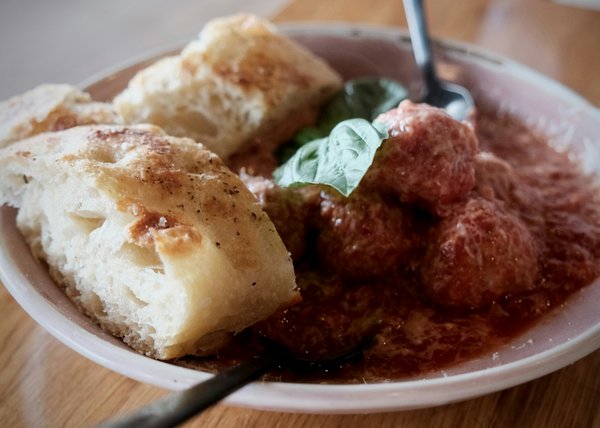
Meatballs in tomato sauce with basil, served with rustic bread.

Milanese classics reinvented in a converted 1899 railway building

Chef Cesare Battisti opened Ratanà in inside a late- railway building at the foot of Milan's Porta Nuova towers, creating a deliberate contrast between old structure and new skyline. The name comes from Milanese dialect — ratanà means a persistent person, someone who does not give up — and the kitchen matches that tenacity by sourcing almost exclusively from small Lombard producers. The signature risotto al salto takes leftover saffron risotto, presses it flat, and crisps it in a pan until the exterior crackles while the interior stays creamy, a dish that Milanese grandmothers made with the previous night's rice and that Battisti elevates into a textural study. Mondeghili, the Milanese meatballs that descend from the Spanish albóndigas introduced during Habsburg occupation, arrive golden and dense with a centre of Gorgonzola. The dining room mixes reclaimed wood furniture with floor-to-ceiling windows looking out at Stefano Boeri's Bosco Verticale. At lunch, the room fills with architects and office workers from the surrounding district; at dinner, the pace slows and the candlelight turns the space more intimate. The terrace, open from April through October, is one of the most pleasant outdoor dining spots in the city.
Via Gaetano de Castillia 28, in the Isola district, directly below the Bosco Verticale towers.
Monday to Saturday: lunch 12:30 PM – 2:30 PM, dinner 7:30 PM – 10:30 PM. Closed Sunday.
Mid-range: €€€. Around €55–75 per person with wine.

Al Garghet in the Green Belt

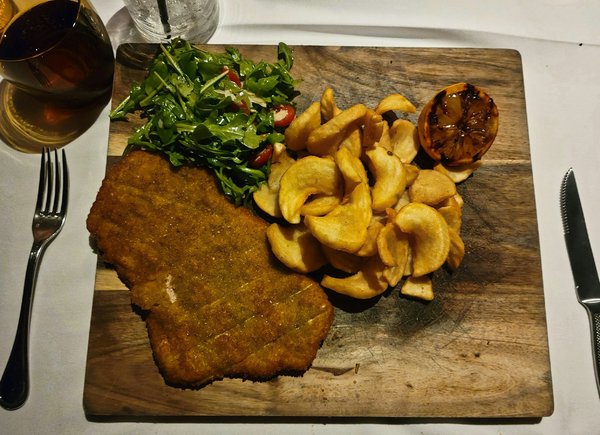
Large breaded veal cutlet on a wooden board with arugula salad and fried potato wedges.

Countryside trattoria hidden inside Milan's city limits

To reach Al Garghet you drive south past the Naviglio Pavese until the apartment blocks thin out and farmland appears — improbable within the Milan municipal boundary, but this is the Parco Agricolo Sud, a protected agricultural belt that has resisted development since . The restaurant occupies a cascina, the traditional Lombard farmhouse built around a courtyard, and the garden where you dine in warm months is bordered by vegetable plots that supply the kitchen. The cotoletta alla milanese here is bone-in and enormous, hanging off the edges of a plate barely large enough to contain it, fried in butter so that the crust develops a deep golden colour. Nervetti — boiled veal cartilage dressed with onions and vinegar — appears as an appetiser, a dish once standard in every Milanese osteria and now increasingly rare. Risotto follows the classic method: toasted in butter, deglazed with white wine, and stirred with hot broth for exactly eighteen minutes before the mantecatura with cold butter and Parmigiano. The wine list favours Oltrepò Pavese reds and Franciacorta sparklers, both produced within an hour's drive. Eating here on a summer evening, with fireflies beginning to appear over the fields, it is genuinely difficult to believe the Duomo is only twelve kilometres north.
Via Selvanesco 36, in the southern agricultural belt of Milan, near Parco Agricolo Sud.
Tuesday to Sunday: dinner 7:30 PM – 11:00 PM. Closed Monday. Sunday lunch also available.
Traditional pricing: €€. Around €40–55 per person with local wine.

Trippa on Via Vasari

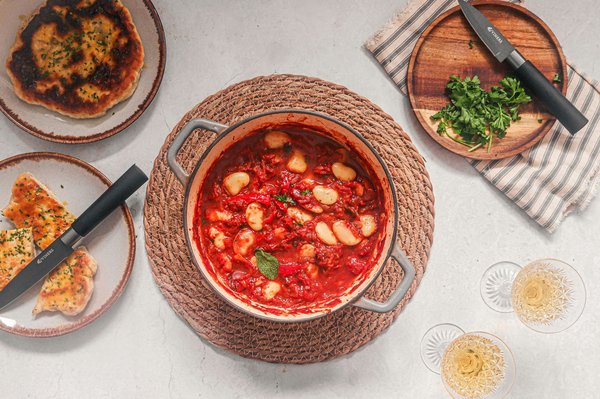
Tomato-based stew with white beans simmering in a pot, Milanese tripe style.

Daily-changing menu built on market produce and offal

When Diego Rossi opened Trippa in , he made a decision that defined the restaurant: no printed menu. Every day, Rossi visits the wholesale market at dawn, buys what looks best, and builds the day's dishes around those ingredients. The name signals his philosophy — tripe is a cut most chefs ignore, and Rossi's kitchen exists to honour overlooked ingredients and preparations. His trippa alla milanese, slow-cooked with tomato, white beans, and a generous grating of Grana Padano, reconnects diners with a dish that was a staple in every Milanese trattoria before the city began chasing modernity. On any given day the blackboard might list raw beef tartare hand-chopped to order, whole roasted quail with polenta, or a deceptively simple pasta dressed with anchovy butter and breadcrumbs. The room seats roughly thirty-five people at bare wooden tables, the walls are painted in a muted teal, and the open kitchen means you can watch Rossi and his small team work with the calm efficiency of cooks who genuinely enjoy feeding people. No reservations are accepted — arrive at 12:15 or 7:15 if you want a seat without waiting. By , international food media had named Trippa among the best new restaurants in Europe, and the queues have not shortened since.
Via Giorgio Vasari 1, in the Porta Romana neighbourhood, near Fondazione Prada.
Monday to Saturday: lunch 12:30 PM – 2:30 PM, dinner 7:30 PM – 10:30 PM. Closed Sunday. No reservations.
Affordable: €€. Around €35–45 per person including wine.

Langosteria on Via Savona

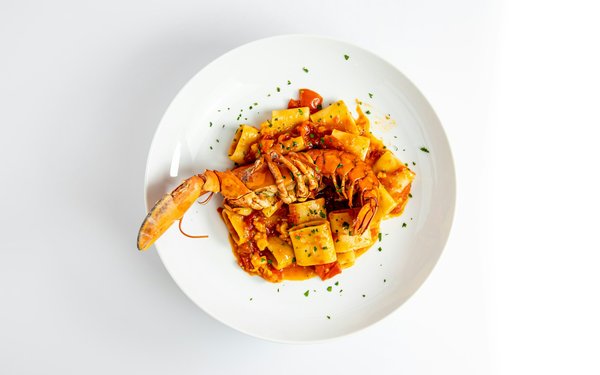
Italian pasta with lobster in tomato sauce on a minimalist white plate.

Milan's definitive seafood restaurant since 2007

Enrico Buonocore opened the original Langosteria on Via Savona in with a concept unusual for landlocked Milan: a seafood restaurant that could rival coastal establishments in Liguria or Sicily. The fish arrives daily from trusted suppliers at Mediterranean ports — red prawns from Mazara del Vallo, langoustines from the Adriatic, sea bass from the Tyrrhenian — and the kitchen intervenes as little as possible. The crudo di mare platter, the restaurant's most ordered dish, is an education in raw fish at peak freshness: sliced scallops, tartare of amberjack, prawns still carrying the scent of salt water, all dressed with nothing more than Ligurian olive oil and a few drops of citrus. For cooked preparations, the spaghetti alla chitarra with lobster has become a modern Milanese classic — the pasta firm, the sauce concentrated from roasted shells, the lobster meat tender and sweet. The room is deliberately understated: dark wood, white tablecloths, no nautical clichés. Since the original opening, the Langosteria group has expanded to several locations, but this Via Savona address remains the flagship and carries a particular energy on a full Friday evening, when the Tortona district's galleries and design studios empty into its dining room.
Via Savona 10, in the Tortona design district, near Mudec and the Armani/Silos.
Open daily: lunch 12:30 PM – 2:30 PM, dinner 7:30 PM – 11:00 PM.
High-end: €€€€. Expect €90–150 per person depending on seafood selection.

Sorbillo Pizzeria near the Duomo

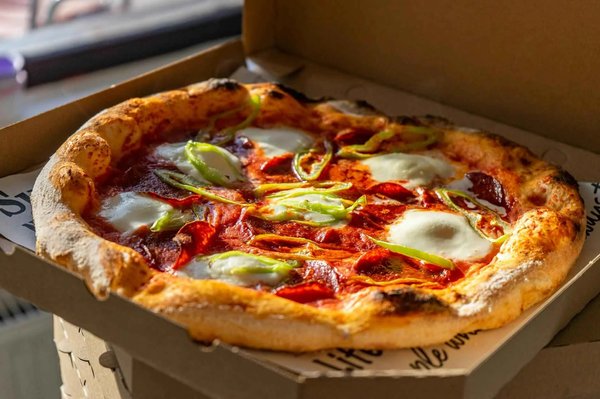
Neapolitan pizza with tomato, mozzarella, and peppers in a takeaway box, illuminated by sunlight.

Neapolitan pizza tradition transplanted to Milan since 2016

Gino Sorbillo represents the tenth generation of a Neapolitan pizza-making family. When he opened his Milan outpost on Via Ugo Foscolo in , it was a calculated bet: could a city that had always treated pizza as fast food embrace the slower, more serious Neapolitan tradition? The answer was immediate — queues formed from day one and have not stopped. The dough follows a natural fermentation at room temperature, producing a cornicione (the raised edge) that puffs up leopard-spotted in the wood-fired oven, charred in places, pillowy inside. The Margherita is definitive: San Marzano tomatoes crushed by hand, fior di latte from Agerola, fresh basil, a thread of extra-virgin olive oil from the Sorrento peninsula. Beyond the classics, Sorbillo offers seasonal variations — fried pizza a portafoglio folded into quarters for eating while walking, or a winter truffle pizza that bridges Neapolitan technique with northern Italian ingredients. The interior is deliberately casual: marble counters, high stools, communal tables, and a visible oven where the pizzaioli work at speed during peak hours. Prices are remarkably low for central Milan — a margherita costs around eight euros — making this one of the few places near the Duomo where you can eat superbly without a reservation or a significant budget.
Via Ugo Foscolo 3, directly behind the Duomo, a two-minute walk from Piazza del Duomo.
Open daily: 12:00 PM – 3:30 PM and 7:00 PM – 11:30 PM.
Budget-friendly: €€. A full meal with drink for under €20.

Erba Brusca on the Naviglio

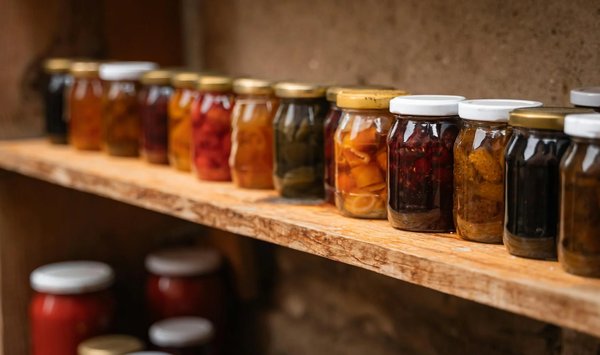
Colorful jars of preserves on a wooden shelf, representing the sustainable cuisine of Erba Brusca in Milan.

Farm-to-table cooking from a working garden along the canal

Chef Alice Delcourt chose a peculiar location for Erba Brusca: a low building along the Alzaia Naviglio Pavese, surrounded by a working vegetable garden that supplies much of what appears on the plates. Since opening in , the restaurant has operated on a principle that is simple in theory and demanding in practice — cook what the garden and the season provide, and buy from small Lombard farms for everything else. The menu changes weekly, sometimes daily, and a typical spring lunch might begin with a salad of garden greens dressed in walnut oil, continue with handmade tagliatelle tossed with wild garlic pesto and ricotta, and finish with a rhubarb crostata baked that morning. In autumn, the garden yields squash, late tomatoes, and herbs that find their way into soups and risottos. The dining room is modest — reclaimed furniture, shelves lined with preserving jars, flowers in mismatched vases — and when the weather permits, tables move into the garden itself, positioned between rows of basil and climbing beans. The restaurant is particularly strong on natural and biodynamic wines, with a list curated to complement the vegetable-forward cooking. Weekend brunch, introduced a few years ago, has become popular with Milanese families who make the trip along the canal towpath by bicycle. Booking is advisable, as the space is small and the restaurant has attracted a devoted following.
Alzaia Naviglio Pavese 286, along the canal in Milan's southern green belt.
Wednesday to Sunday: lunch 12:30 PM – 2:30 PM, dinner 7:30 PM – 10:30 PM. Closed Monday and Tuesday.
Moderate pricing: €€. Around €40–55 per person with natural wine.

Recommended Itineraries in Milan

Navigli Canal District Food Walk

Morning — Begin at Pavé on Via Felice Casati for a pastry and espresso, then take the tram south to the Navigli. Walk along the Alzaia Naviglio Grande, stopping at Panificio Davide Longoni on Via Ticinese for a slice of naturally-leavened focaccia.

Afternoon — Have lunch at Osteria del Binari on Via Tortona, ordering the seasonal tortelli and a glass of Valtellina Nebbiolo. Afterward, stroll along the Naviglio Pavese towpath toward Erba Brusca for a coffee in their garden.

Evening — Return to the Naviglio Grande for aperitivo at Rita & Cocktails, where the buffet is generous and the canal-side tables fill quickly after 6 PM. Finish with dinner at Al Pont de Ferr, a candlelit osteria on the waterfront.

Historic Centre Culinary Route

Morning — Start at Marchesi 1824 in the Galleria Vittorio Emanuele II, one of Milan's oldest pastry shops, for brioche and a cappuccino beneath gilded ceilings.

Afternoon — Walk to Sorbillo on Via Ugo Foscolo for a Neapolitan margherita, then detour through Piazza dei Mercanti, the medieval commercial square where Milan's food markets operated for centuries. Take an espresso standing at the bar in Caffè Cova on Via Montenapoleone.

Evening — Head to Ristorante Cracco for dinner in the Galleria, requesting a window table overlooking the mosaic floor. After dinner, walk across to Camparino in Galleria for a Negroni at the bar where Davide Campari once served his bitter aperitivo.

Brera and Isola Tasting Trail

Morning — Begin in the Brera district at Caffè Fernanda inside the Pinacoteca di Brera, where the espresso is good and the courtyard is quiet before the museum opens.

Afternoon — Walk north toward Porta Nuova and have lunch at Ratanà, ordering the risotto al salto and the mondeghili. After eating, take the passageway beneath the Unicredit Tower into the Isola district and visit the Mercato Comunale on Via Volturno for local cheeses and salumi.

Evening — Stay in Isola for aperitivo at Frida, a bar set in a former garage with an open courtyard, then walk to Trippa on Via Vasari for a spontaneous dinner — arrive by 7:15 PM, as no reservations are taken and the room fills fast.

When to Visit

The Best Time to Visit Milan

The best time to visit Milan is during spring (April-June) and autumn (September-October), when the weather is mild and pleasant. Summer can be hot and crowded, while winter offers fewer crowds but cooler temperatures.

Peak Season

Summer (June-August) is the peak season, with more tourists and higher prices.

Shoulder Season

Spring and autumn offer a good balance between weather and tourist crowds.

Low Season

Winter (December-February) is the low season, with fewer tourists and more affordable prices.

Tips for Visiting Milan

Book popular restaurants like Cracco and Langosteria at least two weeks in advance. For no-reservation spots like Trippa, arrive 15 minutes before opening to secure a table.
The Milanese aperitivo tradition means most bars offer a generous buffet of snacks with any drink ordered between 6 and 9 PM — a full meal in disguise.
Visit neighbourhood food markets like the Mercato di Via Fauché on Tuesday and Saturday mornings for seasonal produce, aged cheeses, and local salumi at local prices.

Local Experiences in Milan

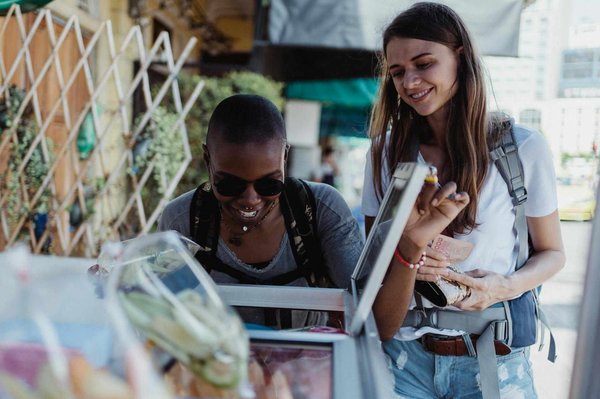
Two people exploring a local market with fresh produce in Milan.

Navigating Milan's Market Culture

Milan's open-air markets are not tourist attractions — they are where Milanese cooks shop. The Mercato di Via Fauché, held every Tuesday and Saturday, stretches for several blocks and specialises in produce, aged cheeses from Lombardy and Piedmont, and cured meats from small producers in the Po Valley. For a covered market, the Mercato Comunale on Viale Papiniano operates daily and includes fishmongers, butchers, and a few prepared-food stalls where you can eat standing. At the high end, Eataly Smeraldo on Piazza XXV Aprile occupies a former theatre and stocks premium Italian products alongside cooking stations and sit-down restaurants.
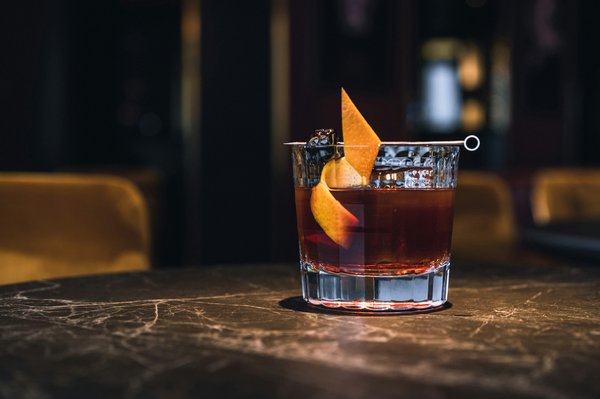
Negroni-style cocktail in a rocks glass garnished with an orange twist.

Understanding the Milanese Aperitivo
The aperitivo is not merely a drink — it is Milan's daily social ritual, practised every evening between roughly 6 and 9 PM. The tradition grew from the café culture around the Galleria, where vermouth and bitters were served with small snacks. Today, most bars include an extensive buffet with any drink order, and in some establishments this buffet constitutes a full dinner. Terrazza Aperol on Piazza del Duomo offers a prime view of the cathedral; Mag Café along the Naviglio Grande is more relaxed and local; Bar Basso in the Porta Venezia neighbourhood is legendary as the birthplace of the Negroni Sbagliato, created by accident in when bartender Mirko Stocchetto reached for prosecco instead of gin.
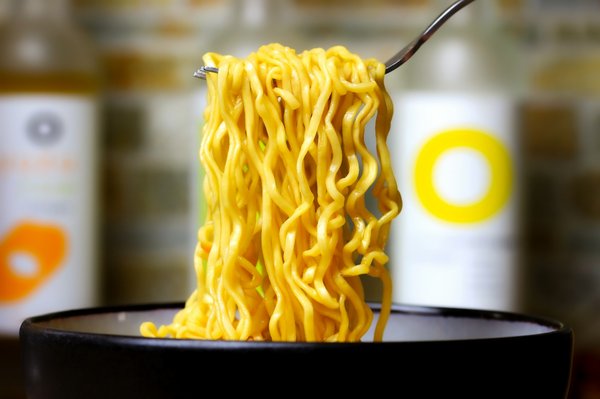
Fresh egg noodles lifted with a fork from a bowl, hand-pulled Chinese noodle style.

Exploring Milan's Global Kitchen

Milan's position as Italy's most cosmopolitan city means its ethnic dining scene is deep and authentic. Via Paolo Sarpi, Milan's Chinatown since the , is home to some of the best Chinese restaurants outside mainland China — look for hand-pulled noodle shops and Cantonese barbecue windows. Japanese dining is equally strong: Poporoya on Via Eustachi is a tiny sushi counter run by a Japanese chef who selects fish personally at the morning market, while Osaka on Corso Garibaldi specialises in ramen and izakaya-style small plates. For Indian cuisine, the area around Porta Venezia hosts a cluster of restaurants and grocers serving the Bangladeshi and Sri Lankan communities, offering dishes that are more home-style than tourist-facing.

Frequently Asked Questions about Milan

What is the best season to eat in Milan?

I recommend visiting between <time datetime="--04">April</time> and <time datetime="--06">June</time> or <time datetime="--09">September</time> and <time datetime="--10">October</time>. Spring brings asparagus, wild garlic, and fresh peas; autumn is the season for porcini mushrooms, truffles, and pumpkin. Summer can be uncomfortably hot, and many family-run restaurants close for two to three weeks in August.

What are the essential Milanese dishes I should order?

I would start with three dishes that define the city: <em>risotto alla milanese</em>, made with saffron and bone marrow; <em>cotoletta alla milanese</em>, a bone-in veal cutlet fried in butter; and <em>ossobuco</em>, braised veal shank served with gremolata. For dessert, <em>panettone</em> is available year-round at bakeries like Marchesi and Cova, though it reaches its peak during the Christmas season.

Where can I find exceptional gelato in Milan?

I have three favourites. <strong>La Gelateria della Musica</strong> on Via Giovanni Enrico Pestalozzi names each flavour after a musician and uses seasonal ingredients. <strong>Artico</strong> on Via Porro Lambertenghi in the Isola district makes small batches daily with no artificial stabilisers. <strong>Cioccolati Italiani</strong> near the Navigli fills cones with melted chocolate before scooping the gelato on top.

Do I need to book restaurants in advance?

For fine dining like Cracco, Langosteria, or Il Luogo di Aimo e Nadia, I would book at least one to two weeks ahead, especially for Friday and Saturday evenings. Mid-range trattorias like Masuelli usually accept same-day reservations if you call in the morning. Trippa takes no reservations at all — I suggest arriving fifteen minutes before the doors open.

Which vegetarian restaurants stand out in Milan?

I would point you to three places. <strong>Joia</strong>, led by chef Pietro Leemann, was the first vegetarian restaurant in Italy to earn a Michelin star and has held it since <time datetime="1996">1996</time>. <strong>Erba Brusca</strong> on the Naviglio Pavese grows much of its own produce and always has strong vegetarian options. <strong>Radicetonda</strong>, with several locations across the city, offers organic vegan bowls and salads at affordable prices.

What makes the Milanese aperitivo different from a regular happy hour?

The key difference is the food. When I order an aperitivo in Milan — typically a Negroni, Spritz, or Negroni Sbagliato — the bar includes access to a buffet that can range from olives and crisps to full pasta dishes, risotto, and cold cuts. The tradition dates to the <time datetime="1860">1860s</time>, and in many bars the food alone is worth the price of the drink. My favourite spots are Bar Basso for cocktails, Terrazza Aperol for the Duomo view, and Mag Café for a local crowd.

Where can I eat well near the Duomo without overspending?

The immediate area around the Duomo is full of tourist traps, but a few places stand apart. <strong>Sorbillo</strong> on Via Ugo Foscolo serves authentic Neapolitan pizza for under ten euros. <strong>Luini</strong> on Via Santa Radegonda has been making <em>panzerotti</em> — fried dough pockets filled with mozzarella and tomato — since <time datetime="1888">1888</time>, and a single panzerotto costs around three euros. For a sit-down meal, <strong>Trattoria Milanese</strong> on Via Santa Marta has served traditional dishes since <time datetime="1933">1933</time> at honest prices.

Are there any restaurants with a view worth visiting?

I would recommend two. <strong>Ristorante Torre</strong> at Fondazione Prada, designed by Rem Koolhaas, sits atop the museum complex and offers views across Milan's southern skyline alongside a refined Italian menu. <strong>Ceresio 7 Pools & Restaurant</strong> on Via Ceresio occupies the rooftop of a converted Enel headquarters and has twin swimming pools flanking the dining terrace — the view extends from the Duomo spires to the Alps on clear days.

Which restaurants work best for a romantic dinner?

I find that the Navigli canals provide the most romantic setting. <strong>Al Pont de Ferr</strong> sits right on the water with candlelit tables and a creative menu that changes seasonally. For something more formal, <strong>Il Luogo di Aimo e Nadia</strong> seats fewer than forty guests in an intimate room with contemporary art. <strong>Langosteria</strong> on Via Savona is a strong choice if you both enjoy seafood — the crudo platter shared across the table sets a particular tone.

Where should I go for coffee in Milan?

I drink my morning espresso standing at the bar, which is how Milanese locals do it and costs roughly half the seated price. <strong>Marchesi 1824</strong> in the Galleria is the most historic option, operating since <time datetime="1824">1824</time> under Prada's ownership. <strong>Pavé</strong> on Via Felice Casati roasts its own beans and bakes exceptional pastries. For specialty coffee with filter options and single-origin beans, <strong>Orsonero</strong> near Porta Venezia is Milan's answer to the third-wave movement.