10 Best Typical Restaurants in Bologna City Center
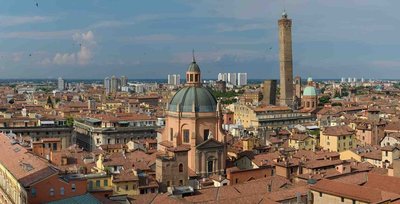
Bologna earned the nickname La Grassa — the fat one — for good reason. The capital of Emilia-Romagna sits at the crossroads of Italy's richest food traditions: egg pasta rolled by hand every morning, ragù simmered for hours, mortadella sliced paper-thin from enormous logs, and Parmigiano Reggiano aged in wheels the size of millstones.
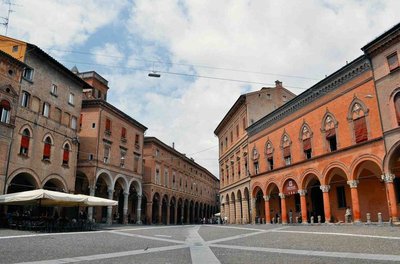
Eating here is not a sidebar to sightseeing — it is the sightseeing. Under 40 kilometres of medieval porticoes you will find century-old trattorias where the menu has barely changed since your grandmother's era, student-packed osterias dishing out generous plates at honest prices, and a growing wave of chefs who channel tradition into something sharper and more modern.
This guide covers 10 restaurants worth planning a meal around, from a fine-dining landmark near the Two Towers to a lively osteria where a plate of tagliatelle al ragù still costs less than a museum ticket.
Top Things to Do in Bologna
Osteria dell'Orsa
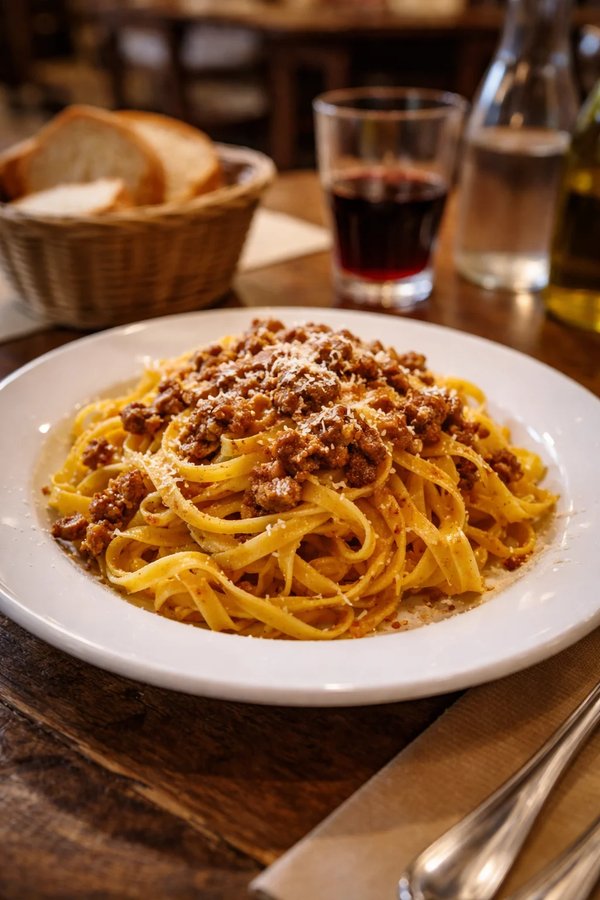
Student-Favourite Bolognese Kitchen
Portions are enormous and prices are remarkably low for the historic centre. The room is loud, the brick walls are plastered with decades of posters, and the house wine arrives in half-litre carafes without ceremony. There is no tasting menu, no design lighting, no Instagram-bait plating — just deeply satisfying Bolognese comfort food served fast and without pretence. The dessert list is minimal but the torta di riso is worth ordering when available. Arrive before at lunch or expect a queue out the door; the queue moves quickly because turnover is brisk and nobody lingers over coffee. If the tagliatelle are sold out — it happens by late lunch — the gramigna con salsiccia is a worthy consolation.
Trattoria da Me
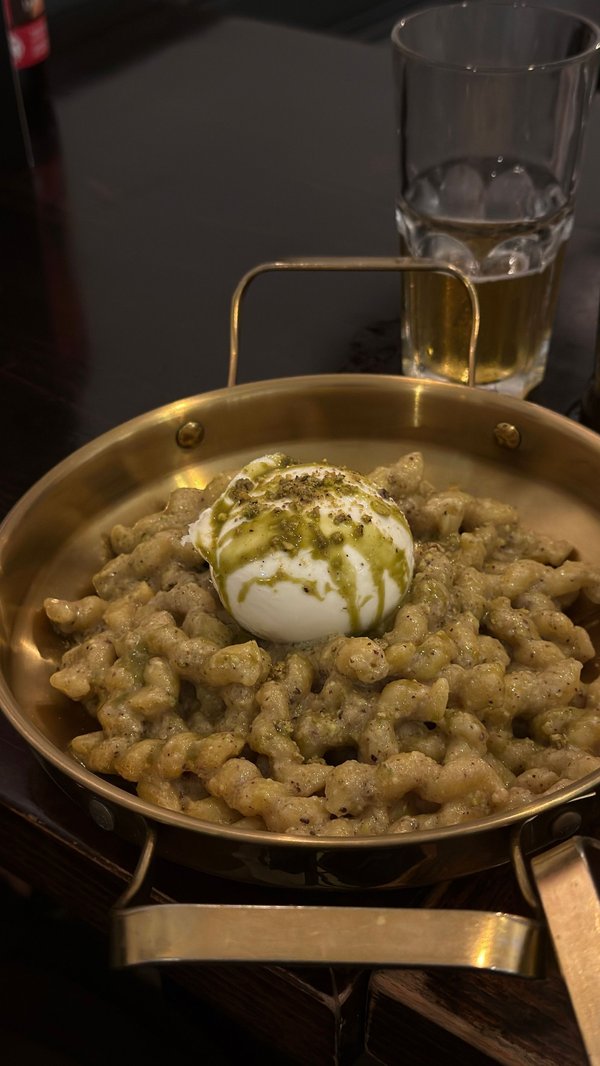
Three Generations of Sfogline
The cotoletta alla bolognese is the other must-order — a breaded veal cutlet topped with prosciutto crudo and melted Parmigiano, finished under the grill until bubbling. The dining room is small, the tablecloths are checked, and the daily specials are scrawled on a chalkboard by the door. Lunch service fills with local office workers who treat this place like a canteen; dinner is quieter, better for conversation. On cooler evenings, ask about the passatelli in brodo — a breadcrumb-and-Parmigiano pasta unique to Emilia-Romagna that rarely appears on tourist menus. Bring cash — card machines exist but are not always enthusiastic. The tiramisu here is made in-house and is among the better versions I have had in Emilia-Romagna.
Ristorante Diana
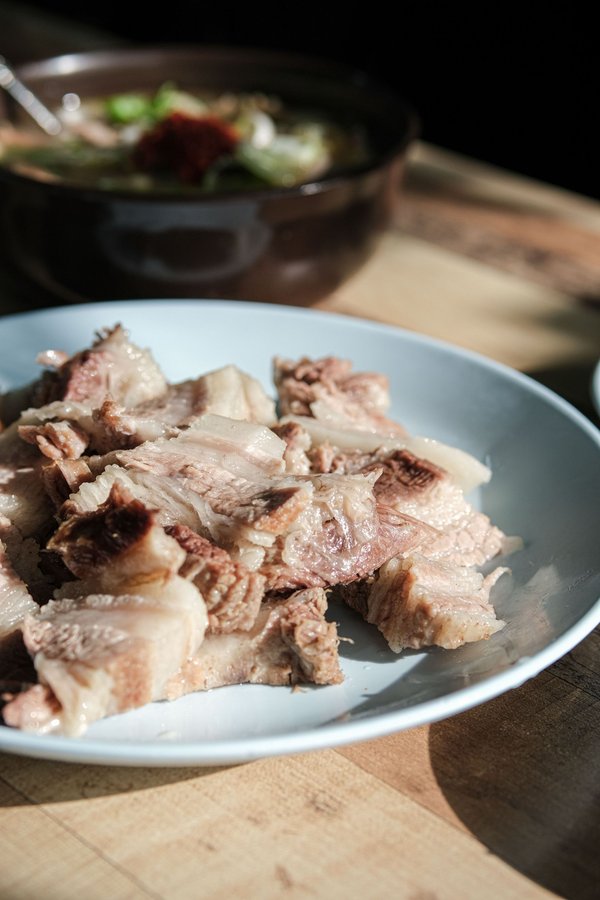
Grand Bolognese Dining Since 1920
The bollito is the signature: five or six cuts of simmered meat (tongue, cotechino, chicken, beef brisket) served with salsa verde, mostarda, and horseradish cream. For a lighter start, the tortellini in brodo are among the city's finest — tiny, navel-shaped parcels with a filling of pork loin, prosciutto, and mortadella, floating in capon broth. Secondi rotate with the seasons: look for cotoletta alla petroniana in winter and lighter veal dishes when the weather warms. The wine list leans heavily on Emilia-Romagna with standout Lambruscos and Sangioveses at fair markups. Reservations are essential on weekends; weekday lunches are more relaxed and popular with local professionals. If the weather is kind, request a table in the small courtyard garden behind the main dining room — it is one of the prettiest outdoor dining spots in central Bologna.
Trattoria Anna Maria
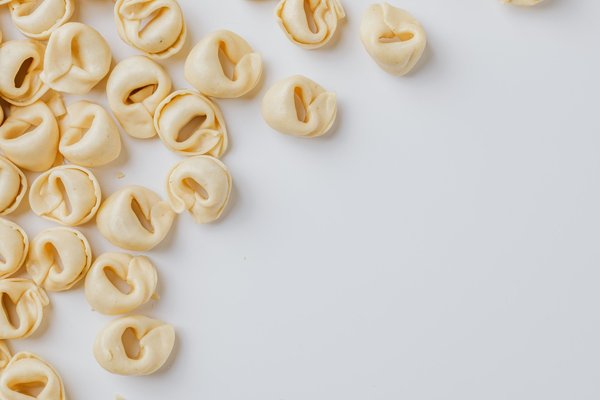
Walls Lined with Celebrity Photos
The tagliatelle al ragù follow a recipe that refuses shortcuts — the ragù simmers for at least four hours with a soffritto of carrot, celery, and onion, plus pork and beef in roughly equal measure. The tortellini in brodo are hand-folded so small you can fit a dozen on a spoon. Portions are generous, the Lambrusco is poured cold, and the atmosphere hits a sweet spot between family warmth and trattoria bustle. Save room for the zuppa inglese, a layered custard-and-sponge dessert soaked in Alchermes liqueur — it arrives in a wide bowl and is far better than it sounds. The only downside: the place is famous, so walk-ins after on a Friday will almost certainly be turned away. Call at least two days ahead to be safe.
Ristorante Al Pappagallo
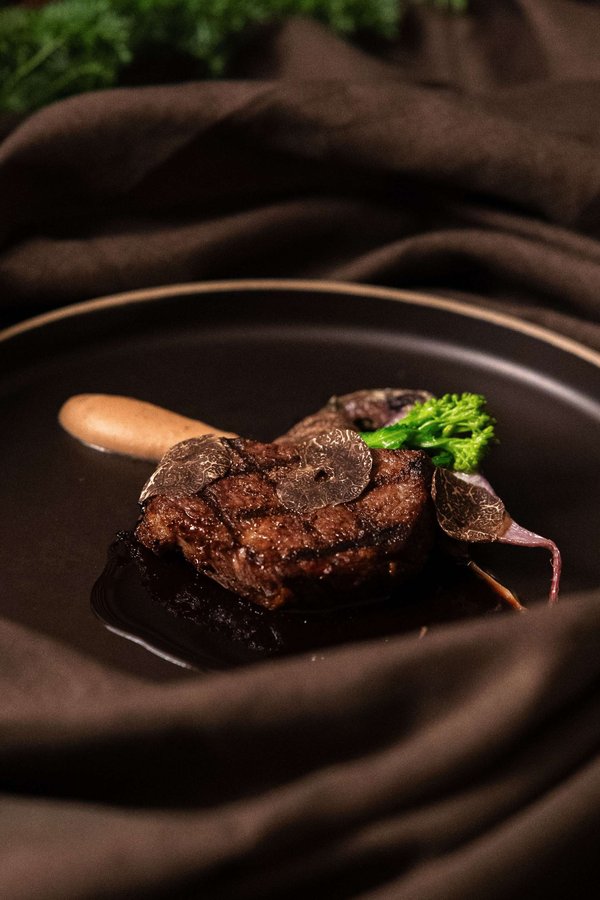
Fine Dining by the Two Towers
The kitchen stays rooted in Emilian classics but adds a layer of refinement. The tortellini alla panna — a dish purists elsewhere dismiss — is done here with restraint, the cream sauce light enough to let the filling's mortadella and Parmigiano shine through. The filetto al tartufo appears in autumn when local truffle season peaks, and the tagliatelle al ragù bianco — made without tomato — is a lesser-known highlight worth asking about. Service is formal but never stiff, and the sommelier knows the Colli Bolognesi wine appellation inside out. This is the restaurant to choose when you want Bologna's history and its cuisine on the same plate. After dinner, step outside and look up — the illuminated Asinelli Tower is directly above you, one of the finest night views in the city.
Trattoria del Rosso
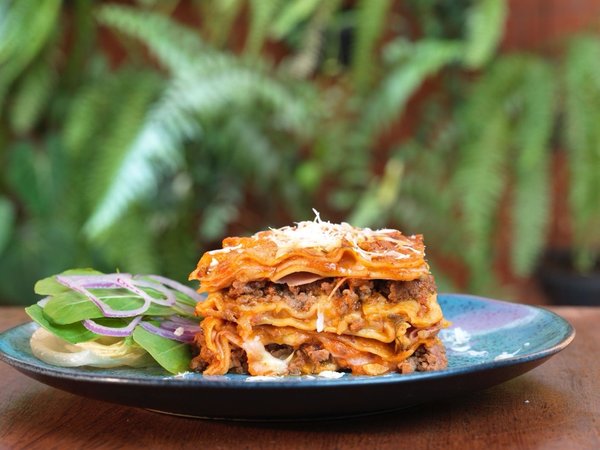
No-Frills Bolognese Classics
The lasagne alla bolognese arrives in a cast-iron dish, the top layer blistered and caramelised. The cotoletta alla petroniana — Bologna's answer to Milanese cutlet, topped with ham and cheese — is golden, shattering, and large enough to hang over the plate. Daily specials often include gramigna con salsiccia or passatelli in brodo, depending on the season. The house red is a straightforward Sangiovese served in tumblers, and it pairs with everything on the menu. No reservations, no fuss — just a queue that moves fast because turnover is brisk. Grab a seat at one of the shared tables and do not be surprised if the person next to you recommends their favourite dish before you have even opened the menu. Cash only.
Ristorante I Portici
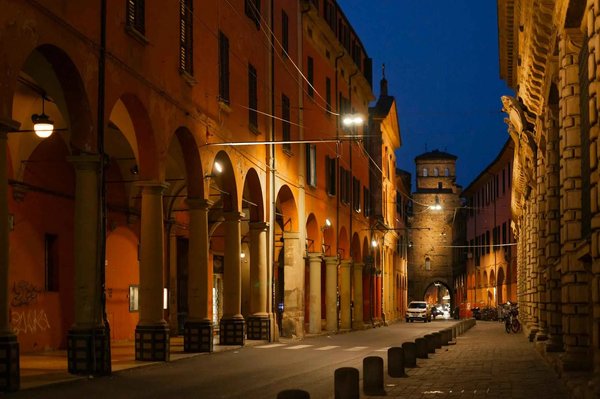
Michelin-Starred Modern Emilian
A typical course might feature tortellini deconstructed into a consommé with foam and truffle shavings, or a pigeon breast paired with a concentrated cherry mostarda. Bread is baked in-house, and the butter — whipped with Modena balsamic — sets the tone from the first bite. The dining room blends frescoes with contemporary furniture and muted lighting — dramatic but never theatrical. The sommelier's wine pairings lean Italian with detours into Burgundy and the Mosel. Dinner only, with two tasting-menu options (5 or 8 courses) plus à la carte. Book at least a week ahead; jacket not required but you will feel underdressed in shorts. For a more accessible introduction, the bar area offers a shorter menu of dishes at lower prices without requiring a reservation.
Osteria Broccaindosso
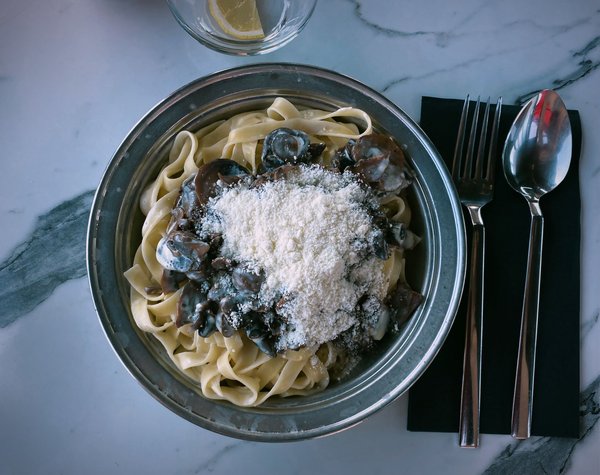
Neighbourhood Gem Near Santo Stefano
The menu rotates with the seasons but staples hold firm: tagliatelle al ragù with a deep, meaty sauce; tortelloni di ricotta e spinaci dressed in butter and sage; and a rotating selection of secondi like braised rabbit or grilled sausage with polenta. In autumn, look for tagliatelle ai funghi porcini — the mushrooms are foraged locally and arrive still smelling of forest floor. The wine list favours small Emilian producers, and the owner is happy to recommend a bottle. On warm evenings, a handful of tables spill onto the cobblestones outside. Reservations are strongly recommended — there simply are not enough seats to gamble on a walk-in. If you do score a table, end with the homemade torta di riso, served warm with a dusting of powdered sugar.
Ristorante Teresina
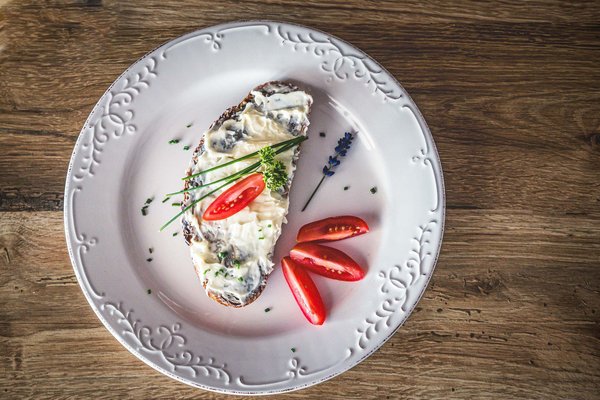
Old-School Elegance on Via Oberdan
The pace is deliberately unhurried — this is not a place for a quick lunch. Waiters wear waistcoats, courses arrive when they are ready, and the cheese cart deserves serious attention (look for the 36-month Parmigiano Reggiano and the creamy Squacquerone from Romagna). The wine list spans Emilia-Romagna, Piedmont, and Tuscany with reasonable markups, and the house Lambrusco is a surprisingly refined sparkling red that cuts through the richness of the bollito. A solid choice for a celebratory dinner when you want formality without Michelin prices. The terrace tables, available in warmer months, overlook a quiet residential street lined with orange trees.
Ristorante Caminetto d'Oro
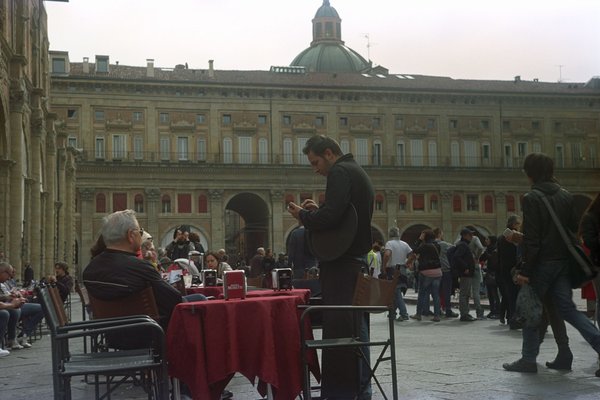
Refined Tradition Near Piazza Maggiore
Start with a plate of tortellini in brodo — the broth here is unusually concentrated, made from capon and beef shank — then move to the bollito misto or a tagliata di manzo served on a hot stone with rocket and Parmigiano shavings. Seasonal highlights include porcini risotto in autumn and passatelli in spring. The wine cellar runs deep, with verticals of Barolo alongside local Sangiovese from the Colli Bolognesi. Service is polished, the room is candlelit at dinner, and the kitchen keeps its standards remarkably steady year after year. Ask for the semifreddo al torroncino to finish — it is not on every printing of the menu but the kitchen always has it. On Friday and Saturday evenings, the fireplace is lit in winter, adding a warmth that makes lingering over the last glass of wine feel almost compulsory.
Recommended Itineraries in Bologna
Historic Centre Food Crawl
Afternoon — Settle in for a proper lunch at Trattoria del Rosso on Via Righi: order the lasagne and the cotoletta alla petroniana. Afterward, walk off the calories under the porticoes of Via dell'Indipendenza, stopping at Majani (founded ) for a box of their fiat chocolates.
Evening — End the day at Ristorante Da Cesari near Piazza Maggiore, where the bollito misto and hand-rolled tagliatelle have been drawing regulars since the 1950s.
Bolognese Hills Wine and Food Day
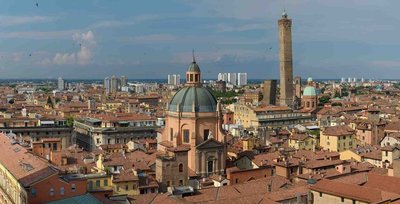
Afternoon — Drive five minutes to Trattoria Monte Donato, a hilltop restaurant with panoramic views over Bologna's red rooftops. Order the tagliatelle al ragù and a carafe of local Pignoletto, a lightly sparkling white that pairs perfectly with rich egg pasta.
Evening — Return to the city and finish at Cantina Bentivoglio, a wine bar and jazz club in a vaulted cellar on Via Mascarella. Pair a glass of aged Sangiovese di Romagna with a plate of local salumi while live musicians play a few metres away.
Markets, Shops, and Trattoria Trail
Afternoon — Walk along Via Pescherie Vecchie, one of Europe's oldest continuous market streets, and stop at Salumeria Simoni for a tasting board of hand-sliced mortadella, culatello, and 36-month Parmigiano Reggiano. For lunch, take a seat at Trattoria Fantoni nearby and order the lasagne verdi — spinach pasta layered with ragù and béchamel.
Evening — Cap the day at Ristorante Grassilli on Via del Luzzo, a classic neighbourhood restaurant known for its cotoletta alla bolognese and an impressive cellar of Emilian wines.
When to Visit
The Best Time to Visit Bologna
The best time to visit Bologna is during spring (April-June) and autumn (September-October), when the weather is mild and pleasant. Summer can be hot and crowded, while winter offers fewer crowds but cooler temperatures.
Peak Season
Summer (June-August) is the peak season, with more tourists and higher prices.
Shoulder Season
Spring and autumn offer a good balance between weather and tourist crowds.
Low Season
Winter (December-February) is the low season, with fewer tourists and more affordable prices.
Tips for Visiting Bologna
Local Experiences in Bologna
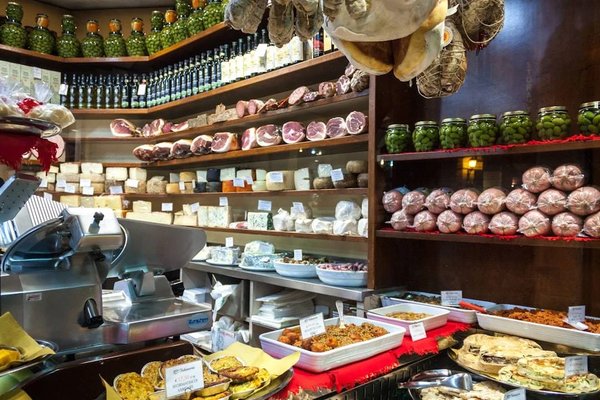
Discover Mercato di Mezzo
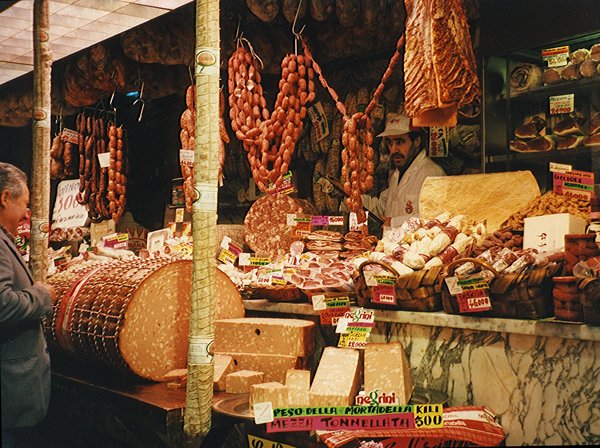
Visit Salumeria Simoni