Unusual Rome: 13 Hidden Gems
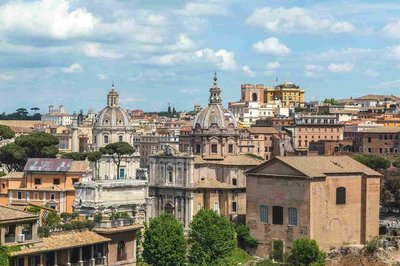
Rome rewards those who wander past the obvious. Beyond the Colosseum queues and Trevi Fountain selfies lies a city of secret layers — neighborhoods designed like fairy tales, museums housed inside decommissioned power plants, and underground passages painted by the earliest Christians.
This guide maps thirteen places that most visitors walk right past. You will descend beneath a medieval basilica to find a pagan temple, stand before an Egyptian pyramid built a decade before Christ, and stroll through a public-housing project that accidentally became one of Rome's most photogenic quarters.
Each stop reveals a different chapter of the city's three-thousand-year story — proof that in Rome, the most extraordinary things hide in plain sight.
Top Things to Do in Rome
The Pyramid of Cestius
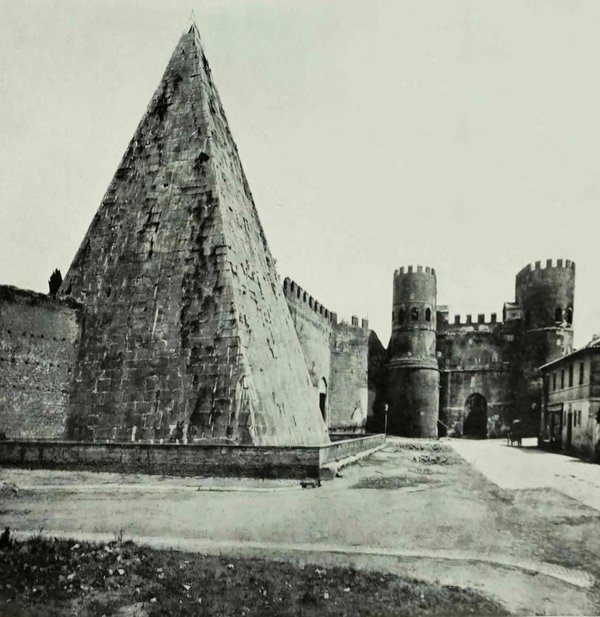
A pharaonic tomb on the Aurelian Walls
Sheathed in white Carrara marble and built over just 330 days (a clause in Cestius's will demanded speed), the pyramid was later absorbed into the Aurelian Walls when Emperor Aurelian fortified the city in . The interior burial chamber, accessible only by guided tour, preserves delicate frescoes of winged Victories and sacrificial vessels — images sealed in darkness for nearly two millennia.
Adjacent to the pyramid lies the Protestant Cemetery, where Keats and Shelley rest among umbrella pines. The combination of pharaonic stone and Romantic-era tombstones makes this one of Rome's most atmospheric corners. Arrive early on a weekday morning to have the site almost to yourself.
Coppedè District
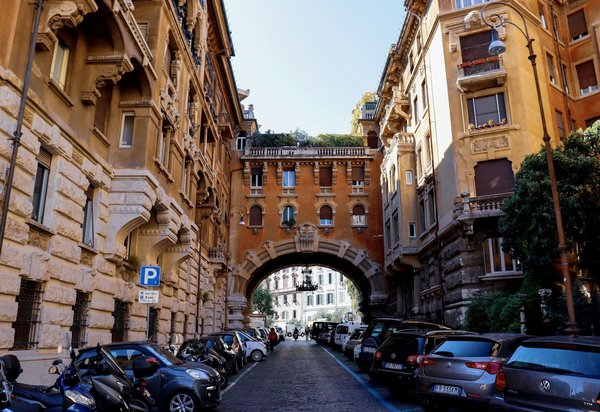
Art Nouveau fantasy built into a city block
The entrance is marked by a wrought-iron chandelier hanging from an ornamental arch that spans the street — already a signal that normal Roman architecture has been left behind. Inside, every facade demands a slow look: spider-web ironwork on one building, Assyrian friezes on the next, a turret borrowed from a Tuscan castle on the third. At the centre sits Piazza Mincio, where the Fountain of the Frogs — reportedly the spot where the Beatles took an impromptu midnight swim in — anchors the composition.
There are no queues, no tickets, and no guards. The district is a living residential neighbourhood, best visited on a quiet weekday afternoon when the low sun ignites the golden mosaics on the Palazzo del Ragno facade.
Catacombs of Priscilla
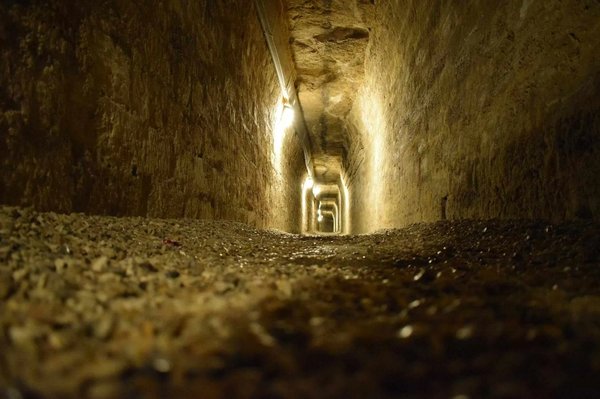
The oldest known image of the Madonna
What sets Priscilla apart is its art. A fresco in the Cappella Greca (Greek Chapel) shows a veiled woman holding a child, dated to the mid- — widely considered the earliest representation of the Virgin Mary. Nearby, another painting depicts a fractio panis (breaking of bread) scene, the oldest known image of the Eucharist. These are not museum reproductions; you stand centimetres from pigment applied nearly 1,800 years ago.
Guided tours (mandatory) run in small groups through dim corridors lined with loculi — burial niches stacked three or four high. The underground temperature holds steady around 15°C year-round, so bring a light layer even in summer. The nuns who manage the site keep the experience quiet, scholarly, and deeply atmospheric.
Montemartini Power Plant
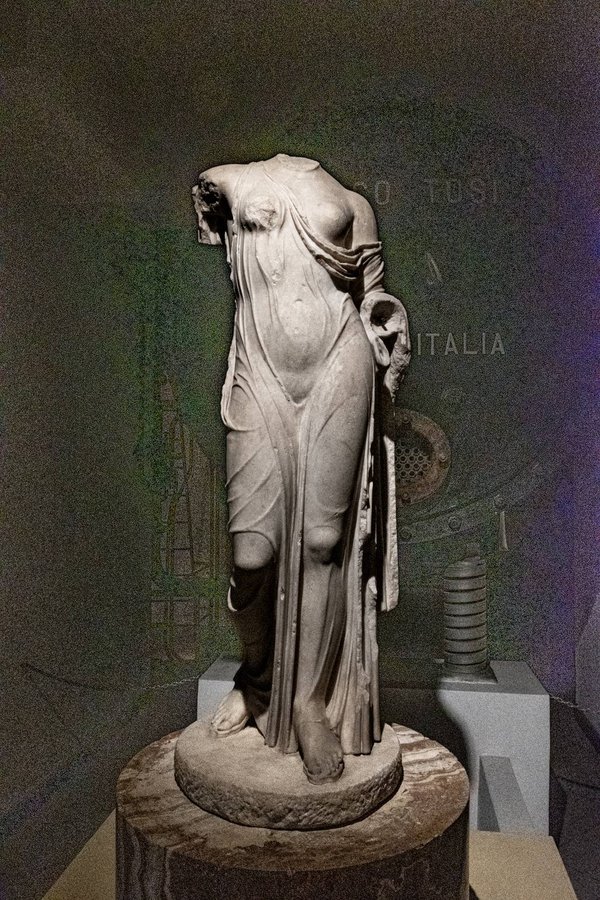
Roman marble among diesel turbines
The contrast is the point. A marble Athena stands before a wall of black riveted boilers. A mosaic floor depicting a hunting scene lies beneath turbine Hall Two's original overhead crane. Imperial portrait busts line the engine room where gauges and pressure dials still read their last recorded values. The curators deliberately left the industrial infrastructure intact, creating a dialogue between Roman antiquity and the Machine Age.
Because the museum sits in the working-class Ostiense district — away from the Centro Storico — visitor numbers stay blissfully low. You can often study a sarcophagus in complete silence, a luxury unimaginable at the Vatican Museums five kilometres north.
Basilica of San Clemente
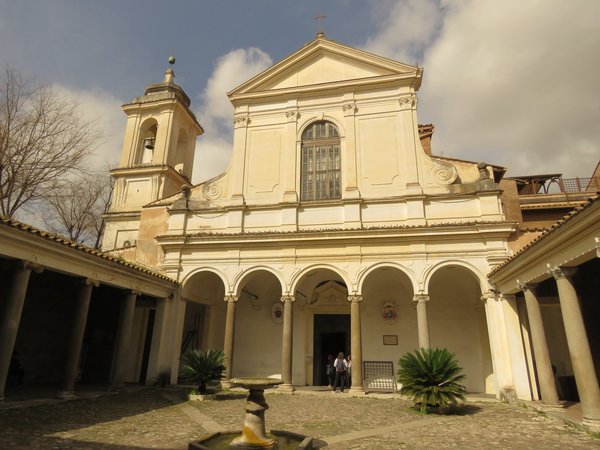
Three civilisations stacked vertically
Descend one level to discover a basilica with faded frescoes depicting the miracles of St. Clement, including a comic-strip-like sequence with speech bubbles in early vernacular Italian — one of the oldest written examples of the language. Below that, a further staircase leads to a Roman apartment block and, at the very bottom, a Mithraeum — a barrel-vaulted chamber where followers of the Persian god Mithras gathered for ritual meals. You can still hear an underground stream flowing beneath the lowest level, channelled into a drain that has been running since the reign of Nero.
The Irish Dominicans who maintain San Clemente have managed the site since . Allow at least an hour to do all three levels justice.
Villa Torlonia
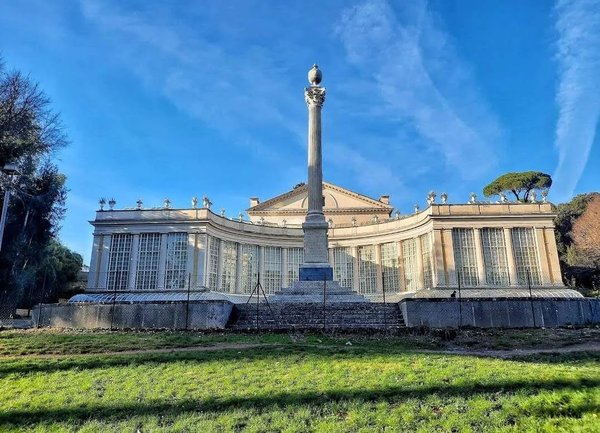
Stained-glass owls in a dictator's garden
Built in as a Swiss chalet and later encrusted with Art Nouveau additions, the Casina takes its name from the owl motifs that appear across its extraordinary collection of stained-glass windows — over 70 panels created by master artisans including Duilio Cambellotti and Umberto Bottazzi. Sunlight through the glass fills the rooms with shifting patterns of amber, emerald, and cobalt, making the space feel more like a kaleidoscope than a building.
The grounds themselves stretch across 13 hectares of English-style gardens planted with cedars, palms, and magnolias. A wartime bunker built beneath the park for Mussolini occasionally opens for special guided visits. The villa draws few tourists, making it a peaceful retreat from the Centro Storico chaos barely two kilometres away.
Museum of the Walls
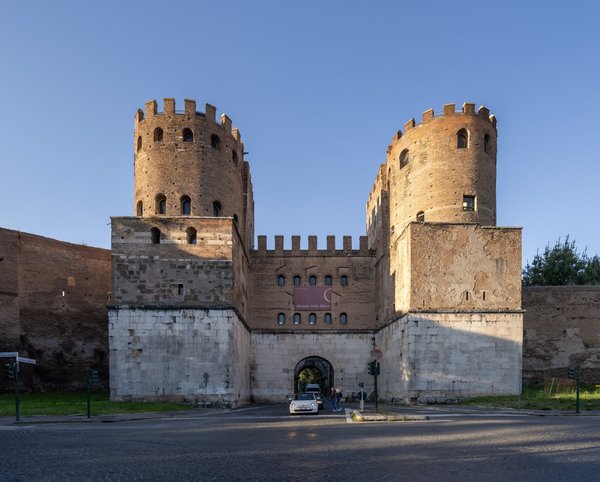
Walk atop Rome's ancient defences
The real draw is what comes after the museum rooms: a walkway along the top of the walls themselves. For roughly 350 metres, you follow the rampart southward, peering through arrow slits at the umbrella pines lining the Via Appia Antica on one side and the rooftops of the Celio district on the other. The perspective is extraordinary — you see Rome from the exact vantage point its defenders occupied for over a millennium.
The museum receives remarkably few visitors despite being free. On most mornings you may share the wall walk with no more than a handful of people, a striking contrast to the shoulder-to-shoulder crowds at the Forum barely three kilometres north.
Garbatella District
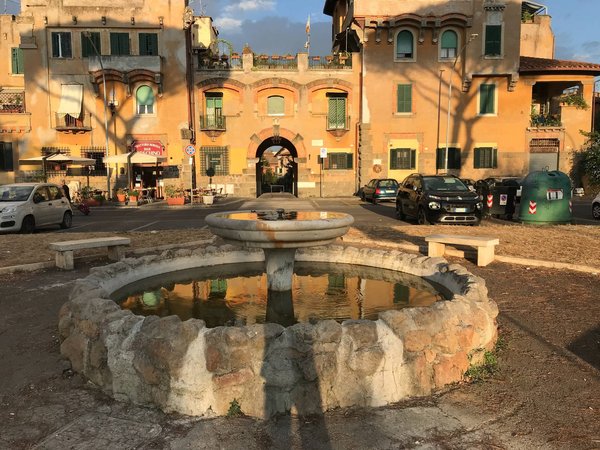
A 1920s garden city within Rome
The result is a neighbourhood that feels village-like in the best sense. Low-rise palazzine with terracotta facades, wrought-iron balconies, and flowering bougainvillea line streets named after explorers and navigators. Piazza Brin, the social hub, hosts a daily market and several old-school bars where locals still argue over football in Roman dialect. Around the corner, the Teatro Palladium — a cinema turned university performance space — anchors the cultural scene.
Garbatella has become increasingly fashionable in recent years, attracting artists and young professionals, but its identity remains defiantly working-class. Come for a long lunch at a trattoria on Piazza Damiano Sauli and stay to watch the neighbourhood's unhurried rhythm unfold.
Park of the Aqueducts
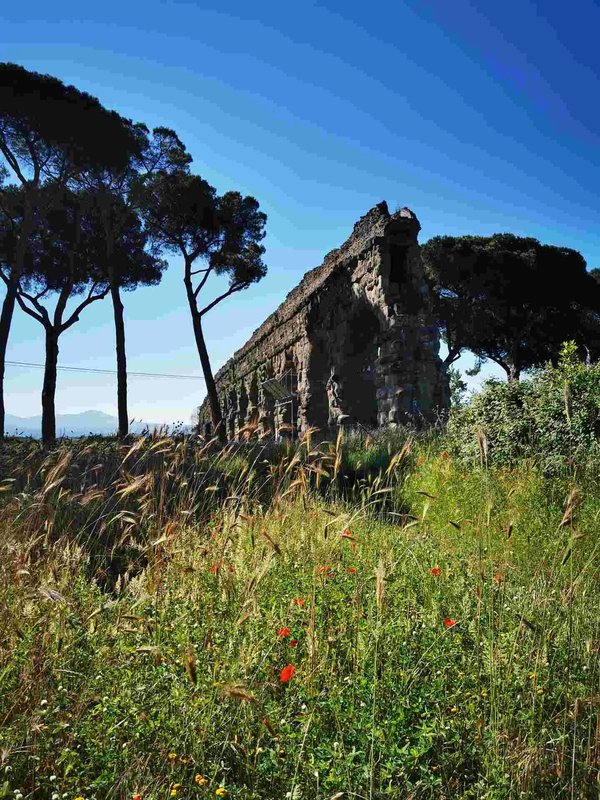
Ancient engineering across open meadows
The most photogenic structure is the Aqua Claudia, begun by Emperor Caligula in and completed by Claudius in . Its towering tufa-and-brick arches march across the park in a line so geometrically precise that they became a favourite subject for Giovanni Battista Piranesi's engravings. Alongside it runs the Acqua Felice, a Renaissance-era aqueduct commissioned by Pope Sixtus V in that still carries water today.
The park is a favourite weekend destination for Roman families, who picnic beneath the arches, cycle the gravel paths, and play football on the flat meadows. During golden hour the light through the broken arches creates long shadows that stretch across the grass — one of the most cinematic natural spectacles in all of Rome, and entirely free.
Palazzo Spada
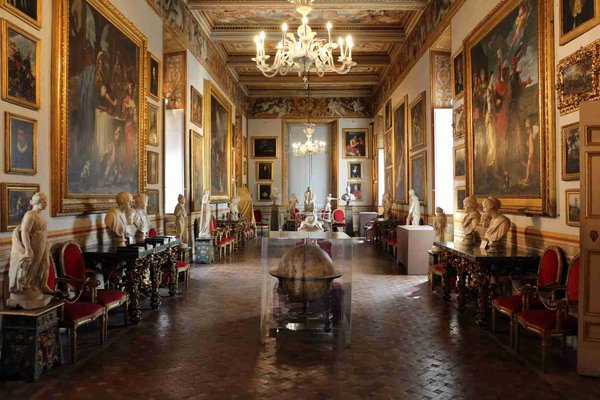
Borromini's eight-metre optical trick
The gallery upstairs holds four rooms of - and paintings hung on red damask walls in the original salon-style arrangement. Works by Guido Reni, Guercino, and Artemisia Gentileschi share space with a striking full-length portrait of Cardinal Bernardino Spada by Guercino that seems to follow you around the room.
The palazzo also serves as the seat of Italy's Council of State, which means parts of the building remain closed during government sessions. But the gallery and Borromini's perspective are almost always open, and because the museum sits on a quiet piazza in the tangled streets behind Campo de' Fiori, it rarely draws crowds.
Auditorium Parco della Musica
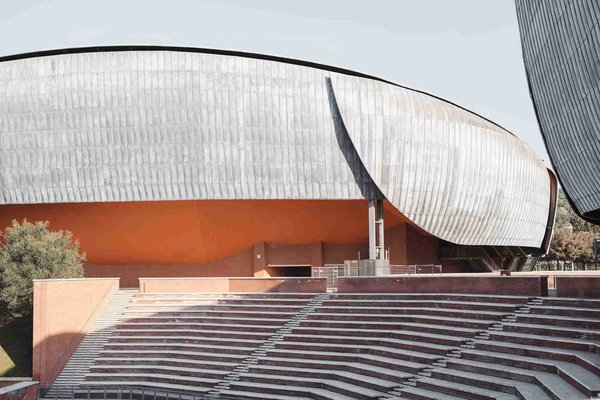
Renzo Piano's concert halls over Roman ruins
The three halls — Sala Santa Cecilia (2,756 seats), Sala Sinopoli (1,133 seats), and Sala Petrassi (673 seats) — were acoustically engineered by Müller-BBM with different sonic profiles: reverberant for symphonic music, dry for amplified performances, intimate for chamber recitals. The complex also houses an outdoor amphitheatre (the Cavea) where summer concerts take place against the backdrop of the Monte Mario ridge.
Even without a ticket, the campus rewards a visit. The public spaces between the halls host rotating exhibitions, a bookshop specialising in music and architecture, and a weekend farmers' market. Inaugurated in , the Auditorium has become Rome's de facto cultural living room — the rare modern building that Romans have genuinely adopted as their own.
Castel Sant'Angelo
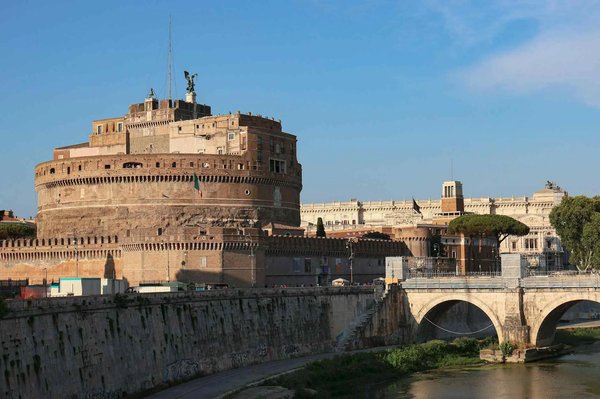
From emperor's tomb to papal escape route
The interior ascent follows a spiral ramp that Hadrian's funeral cortège walked in , passing through chambers that successive centuries repurposed as papal apartments decorated with Renaissance frescoes by Perin del Vaga and Luzio Luzi. The oil store, the grain silos, and the execution courtyard each tell a different chapter of the building's violent and pragmatic history.
The terrace at the summit — crowned by a bronze angel sheathing its sword (commemorating a vision of Archangel Michael ending a plague) — offers one of Rome's finest panoramas. St. Peter's dome fills the western horizon, the Tiber bends below, and on clear evenings the Alban Hills glow pink beyond the southern suburbs.
Campo de' Fiori Market
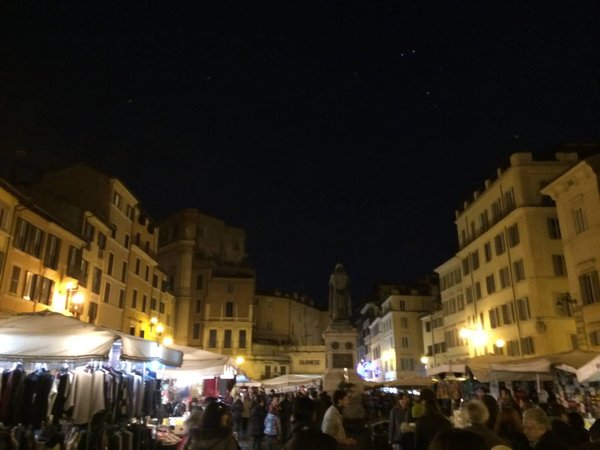
Fresh produce under Giordano Bruno's gaze
The stalls closest to the statue sell produce: romanesco broccoli in winter, fichi in late summer, tomatoes still warm from the Agro Pontino in every shade from green to crimson. Outer stalls carry spices, dried porcini mushrooms, truffle pastes, and bottles of limoncello sized for suitcases. The southeast corner is the place to find supplì al telefono — deep-fried rice balls with a molten mozzarella core — from the fry stand that has operated here for decades.
By 2:00 PM the stalls are packed away and the piazza transforms into an aperitivo destination. The atmosphere shifts entirely, but the morning version — working, noisy, fragrant — is the one worth setting an alarm for.
Recommended Itineraries in Rome
Ghost Villages and Volcanic Lakes
Afternoon — Continue to the ruins of Galeria Antica along the Via Claudia Braccianese, where a village was gradually emptied by malaria and left to the ivy. The roofless church and crumbling tower make for haunting photographs. End the day at Lake Bracciano, swimming off the volcanic shore below the Orsini-Odescalchi castle.
Evening — Return via the Via Cassia, stopping for a dinner of fettuccine ai funghi porcini at one of the roadside trattorias in the Parco di Veio.
Renaissance Water Gardens of Lazio
Afternoon — Drive or take a bus 90 minutes northwest to Villa Lante in Bagnaia, whose twin casinos and terraced water chain are considered the purest expression of the Italian Renaissance garden. The geometric precision of the waterworks — designed by Vignola in — makes even Villa d'Este look exuberant by comparison.
Evening — Detour through Viterbo's medieval quarter, San Pellegrino, for a passeggiata along its intact streets before dinner.
When to Visit
The Best Time to Visit Rome, Italy
The best time to visit Rome, Italy is during spring (April-June) and autumn (September-October), when the weather is mild and pleasant. Summer can be hot and crowded, while winter offers fewer crowds but cooler temperatures.
Peak Season
Summer (June-August) is the peak season, with more tourists and higher prices.
Shoulder Season
Spring and autumn offer a good balance between weather and tourist crowds.
Low Season
Winter (December-February) is the low season, with fewer tourists and more affordable prices.
Tips for Visiting Rome
Local Experiences in Rome
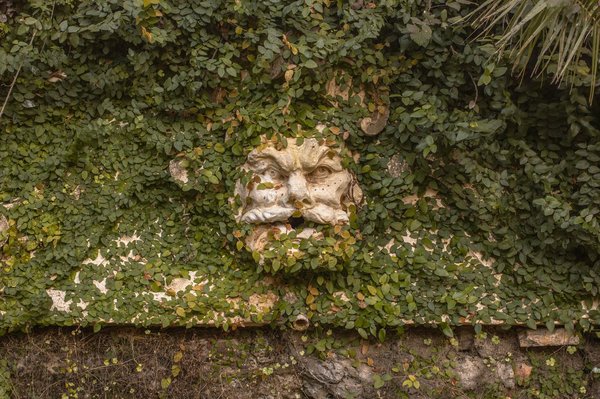
Visit the Park of the Monsters in Bomarzo
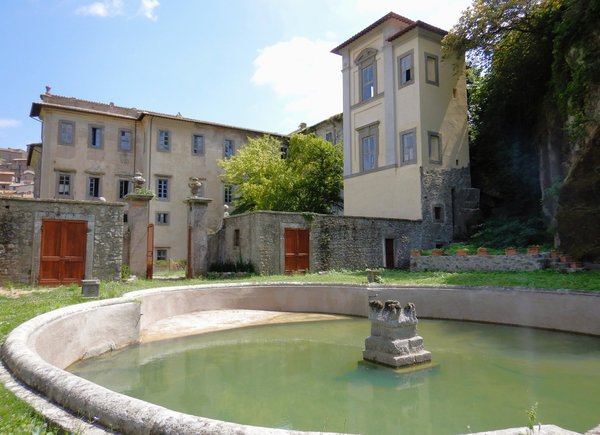
Cento Fontane Train in Soriano nel Cimino