Best Restaurants in Rome
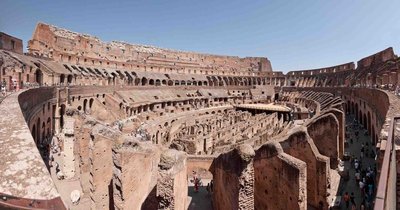
Rome's restaurant culture stretches back further than most countries' entire histories. When the first osterie opened near the Tiber's fish markets in the , they served the same offal-based dishes — tripe, pajata, coda alla vaccinara — that still anchor menus in Testaccio and the Jewish Ghetto today. The city's culinary identity crystallized around four canonical pastas: carbonara, cacio e pepe, amatriciana, and gricia, each governed by unwritten rules that Romans debate with theological fervor.
What makes eating in Rome extraordinary is the layering of eras on a single street. A trattoria sits beside a natural-wine bar that opened last year; a kosher bakery in the Ghetto shares a wall with a Michelin-starred tasting room. This guide maps ten restaurants that together tell the story of Roman food — from the deep-rooted classics to the restless innovators — so you can build your own itinerary around flavor, neighborhood, and budget.
Top Things to Do in Rome
Da Enzo al 29
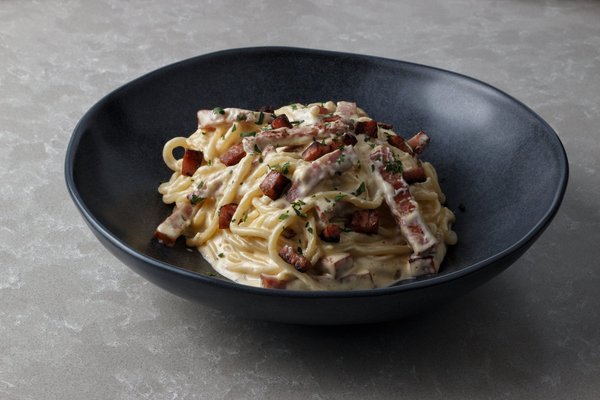
Trastevere's iconic trattoria since 1931
Roscioli
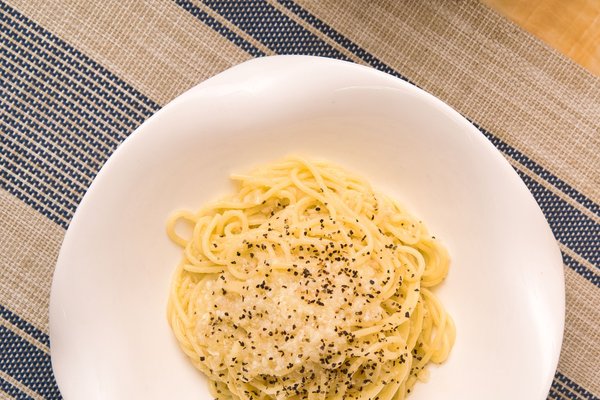
Deli, wine bar, and restaurant in one
Felice a Testaccio
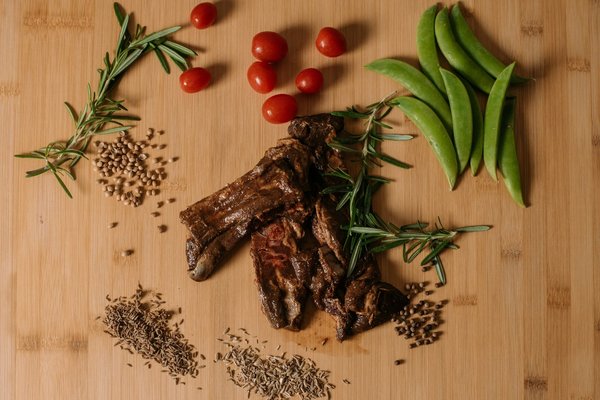
Where cacio e pepe became legend
La Pergola
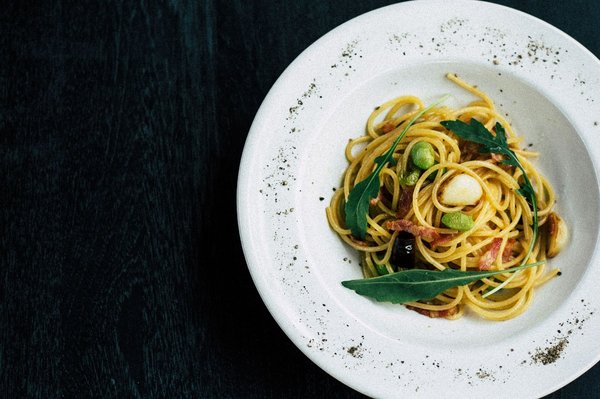
Rome's only three-Michelin-star restaurant
Osteria da Fortunata
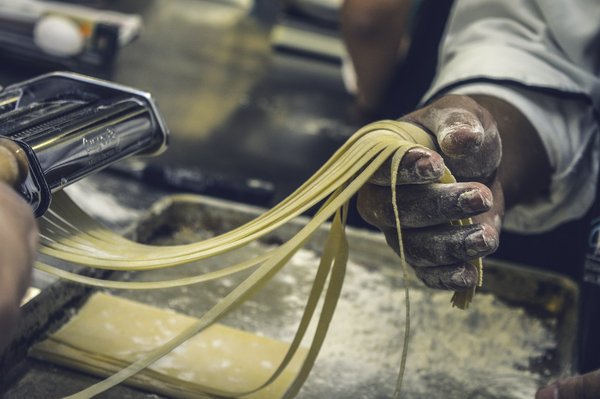
Fresh pasta rolled before your eyes
SantoPalato
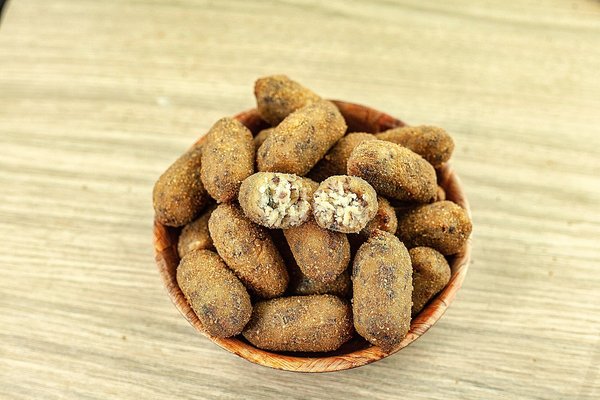
Quinto quarto reinvented by chef Sarah Cicolini
Armando al Pantheon
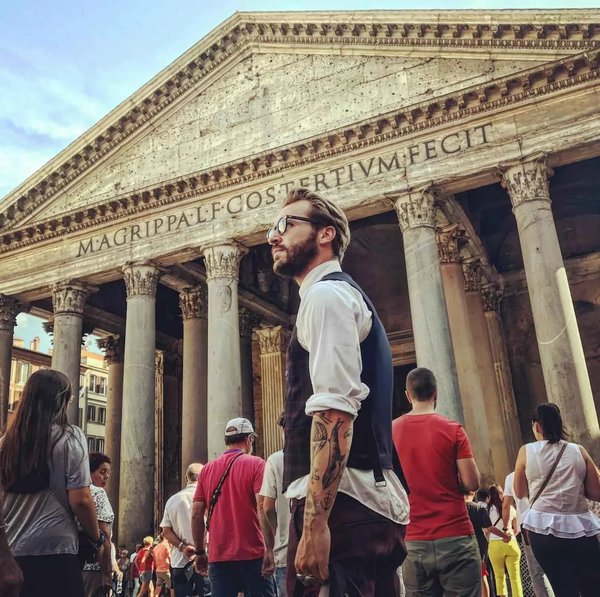
Three generations beside the Pantheon
Trattoria Monti
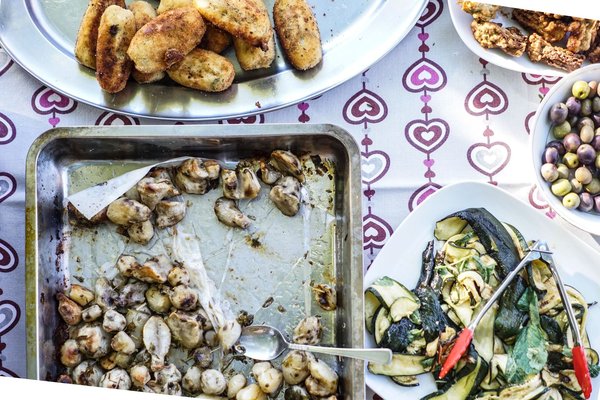
Le Marche cuisine in the Esquilino quarter
Retrobottega
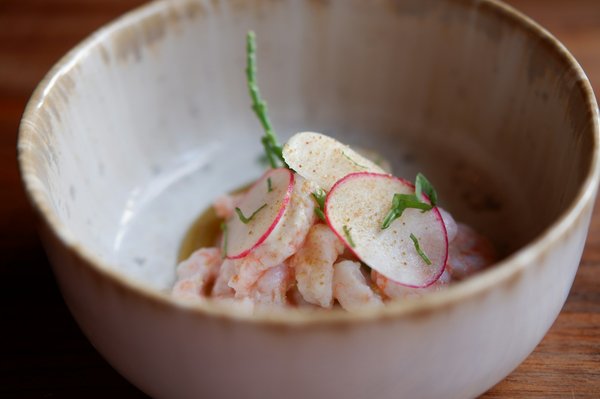
Open-kitchen tasting bar near the Pantheon
Antico Arco
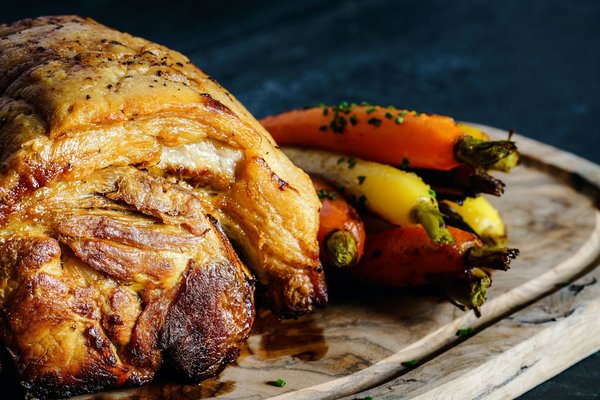
Contemporary fine dining on the Gianicolo
Recommended Itineraries in Rome
One Day of Roman Eating
Afternoon — Lunch at Da Enzo al 29 in Trastevere. Arrive by 12:15 to beat the queue, order the carbonara and a plate of puntarelle if in season. After eating, walk south along the river to Testaccio Market (Box 56 for suppli al telefono, Box 41 for fresh mozzarella). Let the food settle with a stroll through the Protestant Cemetery nearby.
Evening — Dinner at SantoPalato in San Giovanni. Start with the tripe croquettes, follow with the signature carbonara, and close with the chocolate fondant. Afterward, walk ten minutes to Barberini for a digestivo at Il Barretto, a standing-room-only amaro bar popular with neighborhood regulars.
Two-Day Food Tour of Rome
Day 1 Afternoon — Walk to Trattoria Monti for the tortello di rosso d'uovo and fritto misto. After lunch, explore the Basilica di Santa Maria Maggiore, then head downhill to Gelateria Fatamorgana in Monti for a scoop of their signature basil-walnut-honey gelato.
Day 1 Evening — Dinner at Roscioli. Let the sommelier guide your wine pairing, order the cacio e pepe finished in the pecorino wheel, and end with their tiramisu. The walk home through the empty streets around Piazza Navona is its own reward.
Day 2 Morning — Breakfast at Sciascia Caffe near the Vatican, operating since . Their specialty is caffe alla nocciola, espresso blended with hazelnut cream. Pick up supplies for a picnic at the nearby Mercato Trionfale — porchetta from the norcineria, bread from the forno, seasonal fruit.
Day 2 Afternoon — Lunch at Armando al Pantheon. Try the rigatoni alla gricia and the vignarola if visiting in spring. Walk off lunch through the backstreets between the Pantheon and Piazza Navona, stopping at Sant'Eustachio Il Caffe for their famous gran caffe.
Day 2 Evening — Close the tour at Antico Arco on the Gianicolo. Request a terrace table at sunset, order the tasting menu, and watch the city turn amber below you. It is the finest curtain call a Roman food tour can offer.
When to Visit
Best Time to Eat Out in Rome
Spring and autumn deliver the best restaurant experience: mild terrace weather, peak seasonal ingredients, and manageable crowds. Summer brings heat and August closures; winter is quiet and ideal for rich, warming Roman dishes like coda alla vaccinara.
Peak Season
Summer (June-August) is the peak season, with more tourists and higher prices.
Shoulder Season
Spring and autumn offer a good balance between weather and tourist crowds.
Low Season
Winter (December-February) is the low season, with fewer tourists and more affordable prices.
Tips for Visiting Rome
Local Experiences in Rome
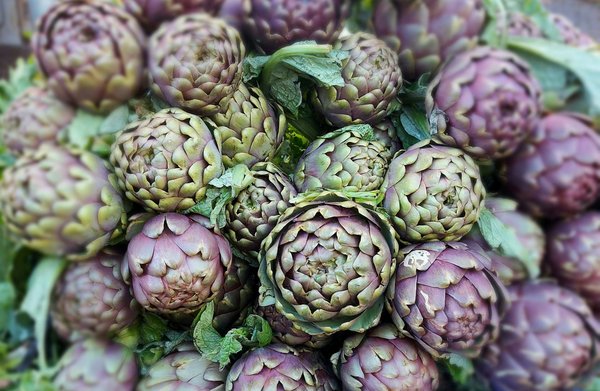
The Jewish Ghetto Kitchen