Romantic Venice for Couples in Love

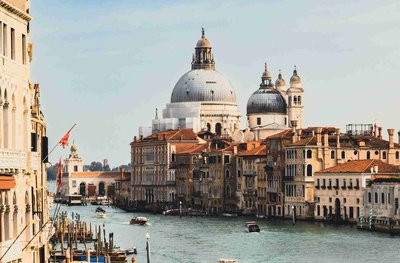
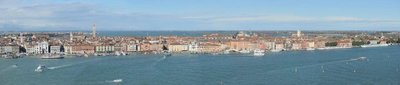
Panoramic view of the Grand Canal in Venice with the Basilica of Santa Maria della Salute and historic buildings.
Written by travel experts
Regularly updated
Verified on-site

Venice was built for lovers. Since , when refugees from the mainland drove oak pilings into the mud of a shallow lagoon, this improbable city has survived plague, siege, and acqua alta — and emerged each time more beautiful than before. Its 118 islands, stitched together by over 400 bridges, form an open-air labyrinth where every dead-end alley reveals a hidden courtyard, every canal catches the last copper light of day, and every footstep echoes off marble that has stood for half a millennium.

For couples, Venice offers something no other city can: genuine silence in the middle of a metropolis. Step ten metres off any tourist route and you enter a world of shuttered palazzi, laundry strung between windows, and the soft slap of water against stone. It is here — not at the crowded Piazza San Marco, but in the backwaters of Dorsoduro and Cannaregio — that the real romance of the city lives. A shared spritz on a canal-side bench at dusk, the distant toll of a church bell, a gondolier's song drifting across still water: these are moments that couples carry home long after the trip ends.

Whether you are celebrating an anniversary, a honeymoon, or simply the pleasure of being together in a beautiful place, this guide maps the experiences that turn a visit into a love story.

Top Things to Do in Venice

Sunset Gondola Ride
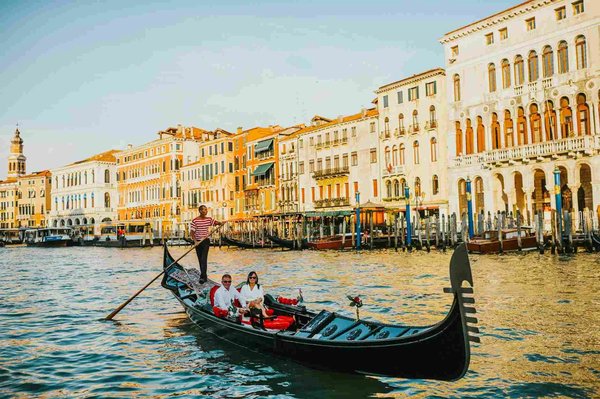
Gondola at sunset on the Grand Canal in Venice with historic buildings in the background.

The quintessential Venetian love story, afloat.

The gondola has been Venice's signature vessel since , when flat-bottomed boats first navigated the shallow waters of the lagoon. Today roughly 400 licensed gondoliers maintain the tradition, each steering a sleek, asymmetrical craft carved from eight types of wood — cherry for the hull, walnut for the decorative ferro at the prow. For couples, the golden hour ride is the one to book. As the sun drops behind the rooftops of Dorsoduro, the facades along the Grand Canal flush amber and rose, and the water turns to liquid bronze. Your gondolier threads through side canals so narrow you can touch the brickwork on both sides, ducking beneath the Rialto Bridge — a single marble arch completed in after a design competition that beat proposals by Michelangelo and Palladio. The route often passes the Palazzo Ducale, its Gothic tracery silhouetted against the fading sky. A 35-minute evening ride costs roughly €100–120; booking a day ahead through your hotel or a licensed stand guarantees the route you want and avoids the queues at the busier San Marco departure points. Bring a light blanket for the return leg — temperatures drop fast once the sun is gone, and the canal breezes carry a faint salt-spray off the lagoon.
Departures from various points along the canals of Venice, easily accessible from the historic centre.
Available daily from 9:00 AM until sunset, with seasonal variations.
Indicative cost: €80–120 for 30 minutes. Rates vary depending on time and chosen route.

Candlelit Dinner on the Grand Canal

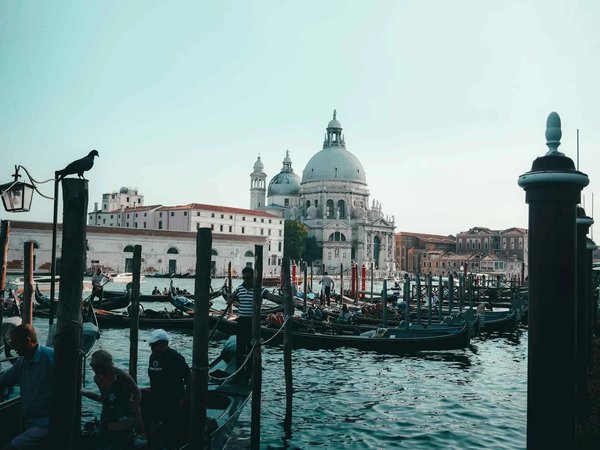
View of the Grand Canal in Venice with gondolas and the Basilica of Santa Maria della Salute in the background.

Venetian cuisine framed by palace reflections.

The Grand Canal is Venice's main artery — a 3.8-kilometre reverse-S of water lined with more than 170 palazzi, most dating from to . Dining on its banks after dark feels like sitting inside a painting that Canaletto forgot to finish. Candlelit terraces at establishments such as Ristorante Club del Doge at the Gritti Palace or the quieter Antinoo's Lounge at the Centurion Palace serve refined Venetian cuisine: creamy risotto al nero di seppia, delicate moleche (soft-shell crabs available only in spring and autumn), and sarde in saor — sardines sweet-pickled with onions, pine nuts, and raisins, a recipe documented in lagoon kitchens since . Pair with a Prosecco Superiore from the Conegliano-Valdobbiadene hills, poured while gondolas drift past in near-silence. The reflections of palace windows shimmer on the dark water between courses, and the distant hum of a vaporetto engine only underscores the stillness of your table. Reserve a waterside table at least three days ahead; ask specifically for tavolo sul canale when booking. Budget €80–150 per person for a full tasting menu with wine.
Along the banks of the Grand Canal, in the heart of Venice.
Open every evening from 7:00 PM to 11:00 PM. Reservations recommended.
Average price: from €50 to €150 per person, depending on the chosen menu.

Bridge of Sighs by Moonlight

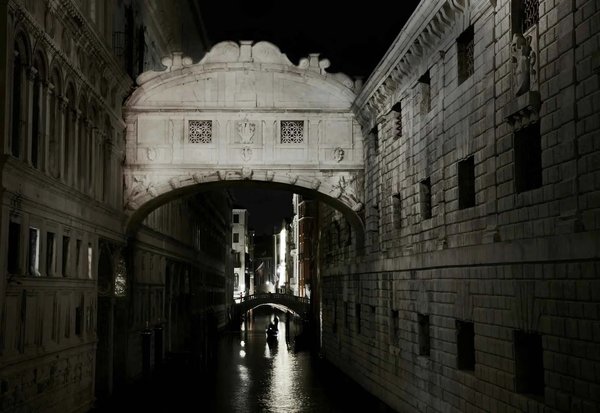
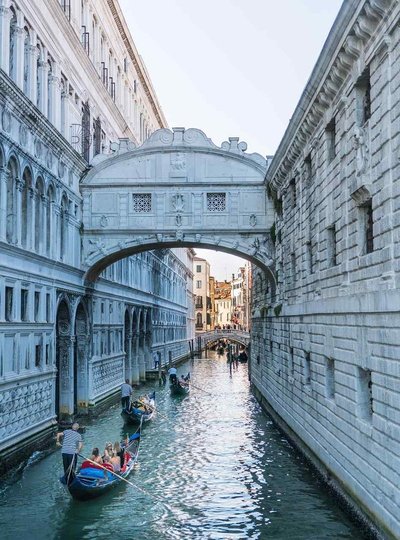
Bridge of Sighs in Venice illuminated by moonlight, with reflections on the water and a suggestive nighttime atmosphere.

Where legend and stone meet after dark.

Designed by Antonio Contino and completed in , the enclosed limestone bridge connects the interrogation rooms of the Palazzo Ducale to the Prigioni Nuove across the narrow Rio di Palazzo. Its English name, coined by Lord Byron in , imagines the sighs of prisoners glimpsing the lagoon one final time through the bridge's small stone-latticed windows. Romance has since thoroughly overwritten that darker history: a persistent Venetian legend holds that couples who kiss beneath the bridge at sunset, while a gondola passes slowly underneath, are granted eternal love. The best vantage point is the Ponte della Paglia on the Riva degli Schiavoni — arrive after in summer, when day-trippers have left and the floodlights sculpt the white Istrian stone against a dark-blue sky. The bridge is equally striking from the water: several evening gondola routes thread beneath it, and the acoustics of the narrow canal amplify the soft echo of the oar against the surface. Visiting is free and the bridge is visible at all hours, but moonlit evenings — particularly during the waning crescent — provide the most dramatic and intimate backdrop for couples.
Located next to the Palazzo Ducale, a few steps from Piazza San Marco, in the heart of Venice.
Always accessible, ideal to admire both during the day and at sunset.
Free access. Guided tours available for a fee.

Golden Hour at Piazza San Marco

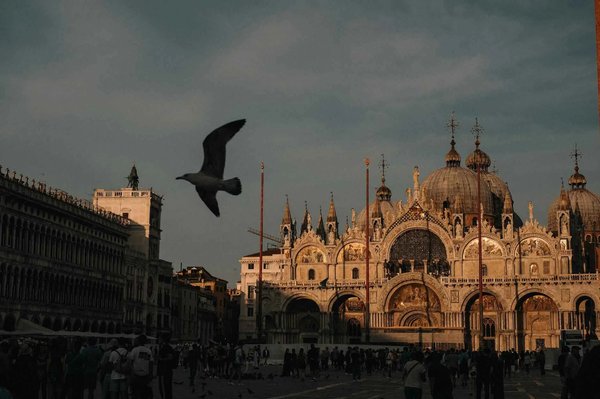
Sunset at St. Mark's Square in Venice with the Basilica of St. Mark and a seagull in flight.

The drawing room of Europe, bathed in amber light.

Napoleon reportedly called Piazza San Marco "the drawing room of Europe," and at sunset his description still holds. The western light ignites the Basilica di San Marco's 8,500 square metres of gold-leaf mosaics — work that began in and continued for seven centuries — turning the facade into a shimmering wall of biblical narrative. Opposite, the Campanile, rebuilt in after its sudden collapse a decade earlier, casts a long shadow across the piazza as orchestras at rival cafes launch into duelling Vivaldi. The most romantic seat in the square is at Caffè Florian, which has served coffee without interruption since ; Casanova, Byron, and Proust all sat beneath its mirrored walls and painted panels. Order two caffè con panna, listen to the string quartet, and watch the pigeons lift in unison as the bells ring the hour. An aperitif costs €15–20 with the music surcharge, but the theatre of the setting justifies every cent. After dark, the piazza empties and the arcades glow with soft lamplight, the marble pavement reflecting the illuminated clock tower — a perfect moment for a slow, hand-in-hand walk back to your hotel.
In the heart of Venice, at the historic Piazza San Marco.
Accessible every day, at any time.
Free entry. Drinks at historic cafes start from €10.

Day Trip to Burano Island

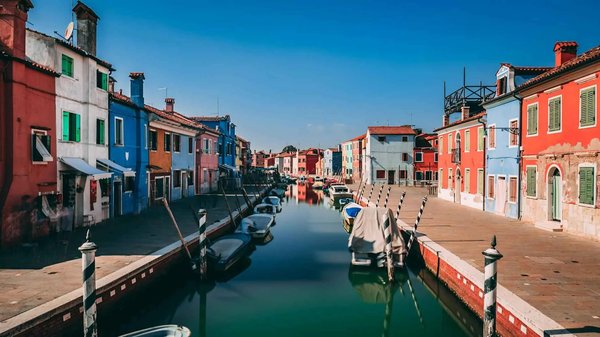
Colorful houses and canal with boats on the island of Burano, Venice, on a sunny day.

A lagoon village painted in every colour.

Burano sits 7 kilometres northeast of Venice in the northern lagoon, a 45-minute vaporetto ride on line 12 from Fondamente Nove. Its houses have been painted in vivid, contrasting colours since at least — originally, legend says, so fishermen could spot their homes through the thick lagoon fog. Today each building's colour must be approved by the local government, preserving a streetscape that looks like a Fauvist canvas reflected in the still canal water below. For couples, the island's appeal is its intimate scale: you can walk its entire perimeter in under an hour, pausing to photograph reflections and to browse the workshops where women still produce merletto di Burano, a needle-lace tradition recognised by UNESCO. The Museo del Merletto, housed in a former lace school on Piazza Galuppi, traces the craft from to the present with extraordinary examples of punto in aria technique. Afterwards, share a plate of bussolai buranei — ring-shaped butter biscuits — and a glass of chilled Soave at one of the canal-side trattorie. Visit on a weekday morning for the quietest experience; by early afternoon, tour groups crowd the main street and the photogenic canal bends.
Located in the Venetian lagoon, Burano Island is easily reachable by vaporetto.
The island is always accessible, but shops and attractions follow variable hours.
Vaporetto ticket costs €7.50 per trip. Subscriptions available for multiple rides.

Private Boat Tour of the Lagoon

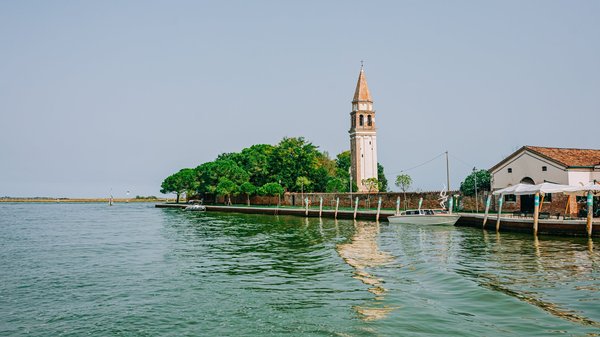
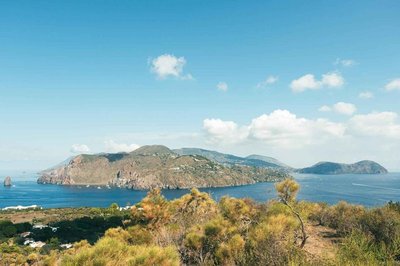
Open water of the Venetian lagoon with a bell tower rising above a distant island.

A floating retreat beyond the crowds.

The Venetian lagoon covers 550 square kilometres of shallow, tidal water — the largest wetland in the Mediterranean — yet most visitors never leave the six sestieri of the historic centre. A private boat tour changes that entirely. Departing from a quiet fondamenta in Cannaregio or Sant'Elena, your pilot steers through channels marked by wooden bricole (triple-post navigation markers used since the Republic's era) toward islands the day-trip crowds miss entirely. Torcello, home to perhaps 12 permanent residents, preserves the Basilica di Santa Maria Assunta, whose Byzantine mosaics date to — older than anything in Venice itself. Sant'Erasmo, the lagoon's market garden, supplies the city's best violet artichokes (castraure) each spring and its fields of wild asparagus draw local chefs in April. Some operators offer a chilled Prosecco picnic aboard the boat, anchored near the sandbanks where herons and egrets wade in the shallows. A two-hour private tour runs approximately €200–300; half-day itineraries that include lunch on Torcello cost more but allow a pace that feels genuinely unhurried, with time to explore the ruins at your leisure.
Departures from various points in the city, in the heart of Venice, easily reachable on foot or by vaporetto.
Flexible hours, available by reservation to suit your needs.
Rates start from €200 for 2 hours. Customisable experiences available upon request.

An Evening at Teatro La Fenice

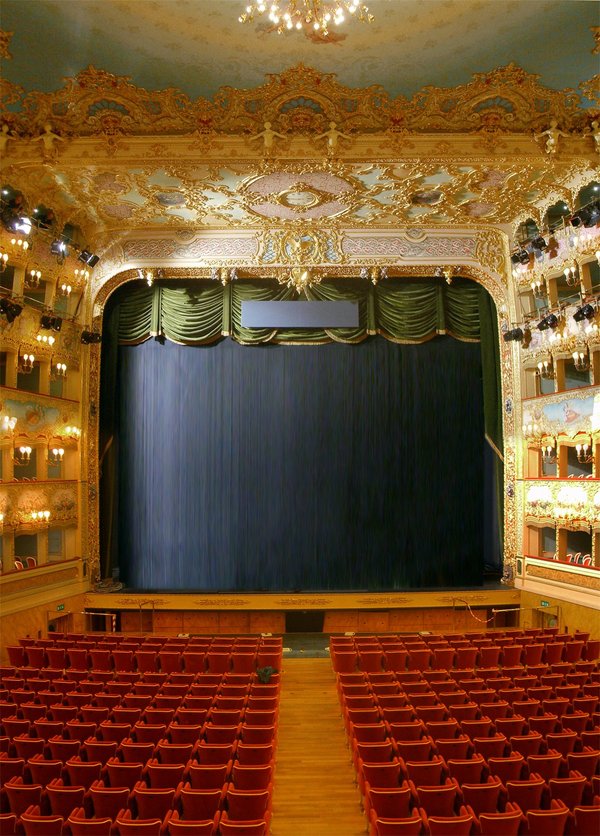
Interior of Teatro La Fenice in Venice, showing tiers of gilded boxes and red velvet seating facing the stage.

Opera in the theatre that refused to die.

Teatro La Fenice has burned down and risen from its ashes three times — in , , and most recently in , when an arson fire gutted the lavish interior completely. Each time it was rebuilt under the Venetian motto com'era, dov'era ("as it was, where it was"), and the current restoration, completed in , is so faithful that the gilded stucco, the five tiers of cream-and-gold boxes, and the frescoed ceiling feel authentically 18th-century. For couples, an opera evening here ranks among Venice's most transporting experiences. The theatre premiered works by Rossini, Bellini, and Verdi — including La Traviata in and Rigoletto in — and the programming still favours Italian bel canto repertoire. Dress code is smart-casual at minimum; many Venetians treat it as an occasion for full evening wear. Tickets for guided daytime tours start at €10 and include access to the royal box and the ornate Sale Apollinee. Performance tickets range from €30 for upper gallery seats to €250+ for stalls; book well in advance for weekend performances and the famous New Year's Concert, broadcast live across Italy.
In the heart of Venice, at Campo San Fantin, 1965, 30124.
Open daily from 10:00 AM to 6:00 PM for guided tours.
Tickets start from €10. Prices vary for performances and guided tours.

Evening Stroll on the Riva degli Schiavoni
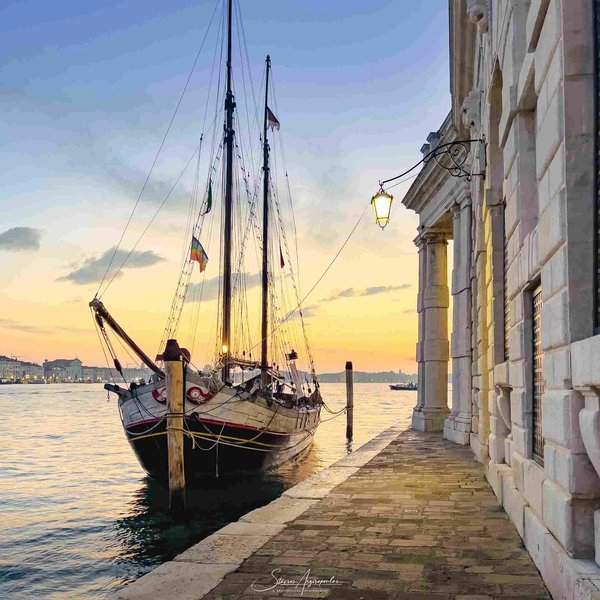
Sailboat moored along the Riva degli Schiavoni in Venice at sunset, with historic buildings and a lit lamppost.

Venice's grandest waterfront promenade.

The Riva degli Schiavoni stretches for nearly a kilometre along the southern edge of Castello, from the Palazzo Ducale east to the Via Garibaldi. Its name recalls the Dalmatian — Schiavoni — merchants who moored here from onward, unloading timber, salt, and wine from the eastern Adriatic. Today the broad stone quayside is one of Venice's finest evening walks. Facing south across the Bacino di San Marco, you get an unobstructed view of San Giorgio Maggiore and the Lido, while behind you the facades of grand hotels — the Danieli, where George Sand and Alfred de Musset conducted their famous affair in , and the Londra Palace, where Tchaikovsky composed his Fourth Symphony — glow with warm lamplight. Walk slowly, pausing at the iron railings where vaporetti dock and depart in fans of white wake. The salt air carries the faint smell of seaweed and stone, and on calm evenings the surface of the basin mirrors the skyline in near-perfect symmetry. The best stretch for couples is east of the Ponte della Paglia, where the crowd thins and the view of the Bridge of Sighs, lit from below, frames itself perfectly between the ancient palace walls.
Located along the lagoon, in the heart of Venice, a few steps from Piazza San Marco.
Accessible year-round, at any time of day or night.
Free entry for all visitors.

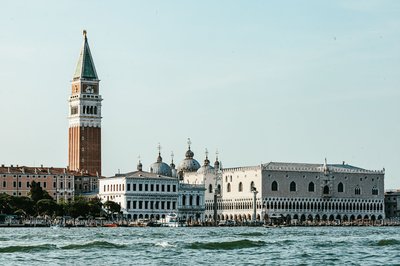
The Palazzo Ducale Together

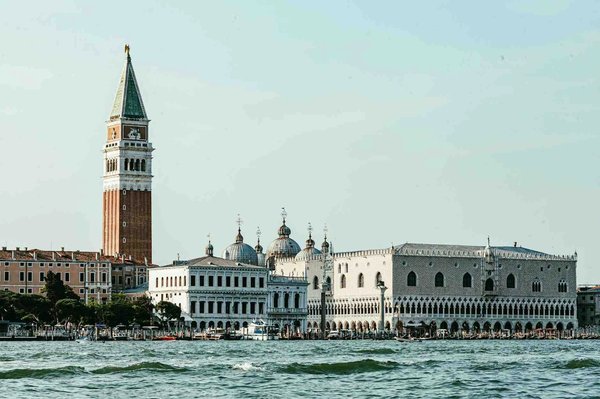
Doge's Palace and St. Mark's Campanile in Venice seen from the Grand Canal.

Gothic splendour and whispered secrets.

The Palazzo Ducale was the seat of Venetian power for nearly a thousand years, from its first wooden incarnation in to the fall of the Republic in . The current Gothic-Renaissance structure, with its distinctive pink-and-white diamond-patterned facade of Verona marble, dates largely from . Inside, the Sala del Maggior Consiglio — at 54 metres long, one of the largest rooms in Europe without internal supports — is dominated by Tintoretto's Il Paradiso, a painting so vast it required a purpose-built wooden framework and the labour of his entire workshop. For couples, the Secret Itineraries tour (Itinerari Segreti) is the highlight: a guided route through hidden passageways, the cramped torture chamber, the lead-roofed Piombi prison cells from which Casanova made his legendary escape in , and the private chambers of the Doge himself. The intimacy of the small-group tour makes it a shared experience couples remember. The tour runs several times daily in English and must be booked separately. Standard entry costs €25; the Secret Itineraries add roughly €6. Visit in the first hour after opening to enjoy the grand ceremonial rooms in relative quiet.
Located in Piazza San Marco, in the heart of Venice, easily reachable on foot or by vaporetto.
Open daily from 9:00 AM to 7:00 PM. Last entry allowed at 6:00 PM.
Tickets start from €25. Discounts available for students, families, and groups.

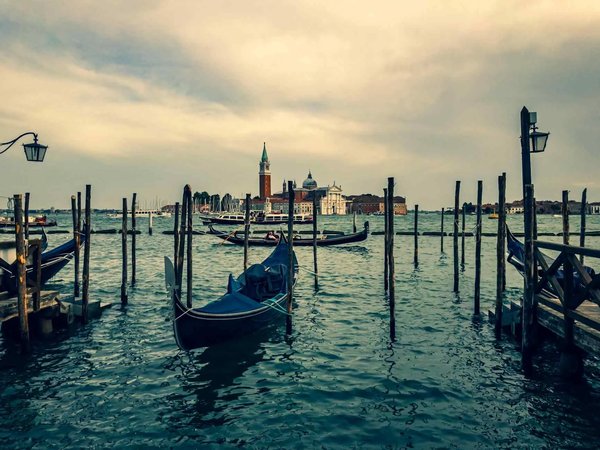
Sunset from San Giorgio Maggiore

Sunset on San Giorgio Maggiore Island in Venice with gondolas and calm water.

The lagoon panorama Venetians keep to themselves.

The island of San Giorgio Maggiore sits directly across the Bacino di San Marco, a two-minute ride on vaporetto line 2 from the San Zaccaria stop. Its church, designed by Andrea Palladio and begun in , is a masterclass in Renaissance proportion — a gleaming white facade of Istrian stone that anchors the view from the Riva degli Schiavoni. The Benedictine monastery attached to the church has occupied the island since , and the complex today also houses the Fondazione Giorgio Cini, which stages contemporary art exhibitions in the restored cloisters. The real reward for couples is the campanile: take the lift to the top and you get a 360-degree panorama that includes the entire skyline of Venice, the Lido, the distant Dolomites on clear days, and the intricate web of lagoon channels stretching south toward Chioggia. Unlike the perpetually queued Campanile di San Marco, this bell tower rarely has a wait longer than five minutes. Time your visit for 30 minutes before sunset: the light shifts from gold to pink to violet in a sequence that turns the rooftops and domes of Venice into a slowly changing watercolour. The bell tower ticket costs €6, and the church itself — which holds two major late works by Tintoretto — is free.
On San Giorgio Maggiore Island, opposite Piazza San Marco, in Venice.
Open daily from 9:30 AM to 6:00 PM. Check the official website for any changes.
Bell tower ticket: €6. Reduced prices available for children and groups.

Recommended Itineraries in Venice

Intimate Walk Through Venice's Hidden Sestieri

Morning — Begin at Campo Santa Margherita in Dorsoduro, where university students and old-timers share the same sunny benches and the cafes serve excellent espresso. Walk east along the Zattere waterfront, pausing at Gelateria Nico for their famous gianduiotto — a block of hazelnut ice cream drowned in whipped cream — while watching cargo barges cross the Giudecca Canal.

Afternoon — Cross into San Polo and navigate the quiet backstreets to the Ghetto Nuovo, the world's first Jewish ghetto, established in . The tall, narrow buildings — forced upward by space restrictions — frame a peaceful campo with a well-head at its centre. Continue north into Cannaregio along the Fondamenta della Misericordia, lined with small bars and restaurants favoured by locals.

Evening — End at the Ponte dell'Accademia for sunset over the Grand Canal, then find a corner table at a Dorsoduro osteria for cicchetti and a carafe of house wine.

Art and Love in Venice

Morning — Start at the Gallerie dell'Accademia, home to the most important collection of Venetian painting in the world: Bellini's luminous Madonnas, Giorgione's enigmatic Tempesta, and Veronese's vast Feast in the House of Levi. Allow 90 minutes; the gallery is compact enough to absorb without exhaustion.

Afternoon — Walk to the Basilica dei Frari, where Titian's Assunta altarpiece — a swirl of crimson and gold completed in — dominates the apse. The church is mercifully uncrowded compared to San Marco, and its cool Gothic interior offers welcome shade in summer. From here, follow the narrow Rio Marin westward through Santa Croce; this back canal rarely appears on tourist maps and is one of the quietest stretches in Venice.

Evening — Book dinner at a restaurant in the San Polo fish-market area, where the day's catch from the lagoon determines the menu.

Lagoon Islands for Two

Morning — Take the early vaporetto from Fondamente Nove to Torcello, the oldest settled island in the lagoon. With barely a dozen residents, it feels like the countryside: a path through vegetable gardens leads to the Basilica di Santa Maria Assunta, whose golden apse mosaic of the Last Judgement, laid in the , is among the finest Byzantine works in Italy.

Afternoon — Continue by vaporetto to Mazzorbo, linked to Burano by a wooden footbridge. Mazzorbo's attraction is the walled vineyard of Venissa, where the near-extinct Dorona grape — cultivated in the lagoon since — produces a limited-run golden wine. Book a table at the Venissa restaurant for a lunch that pairs this wine with lagoon ingredients: soft-shell crab, wild herbs, and violet artichokes.

Evening — Return to Venice via Burano at golden hour, when the coloured houses glow in the low light and the main street empties of day-trippers.

When to Visit

When to Visit Venice as a Couple

Spring and autumn deliver the best balance of mild weather, soft light, and manageable crowds. November's mist turns the canals into an impressionist painting; February's Carnival adds theatrical spectacle.

Peak Season

From May to September, with warm temperatures and a high number of tourists. Accommodation and attraction prices are higher.

Shoulder Season

March-April and October-November offer pleasant weather, less crowding, and a more intimate atmosphere.

Low Season

From November to February, with fewer tourists and lower prices, but cold temperatures and the possibility of high water.

Tips for Visiting Venice

For genuine quiet, walk to the public gardens of Sant'Elena at the eastern tip of Venice — you will share the benches with dog-walkers and joggers, not tourists.
Set an alarm for dawn and explore the alleys of San Polo before the shops open: the city is utterly silent, and the early light on wet stone is extraordinary.
Skip the Grand Canal restaurants for at least one meal and find a neighbourhood osteria in Cannaregio — a plate of cicchetti and a glass of house wine costs a fraction of the price.

Local Experiences in Venice

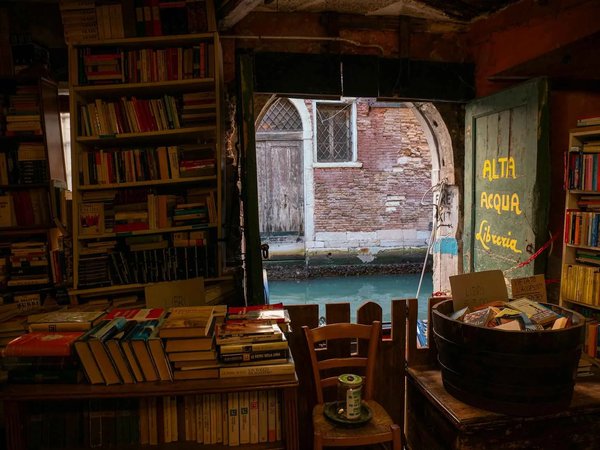
Interior of Libreria Acqua Alta in Venice with a view of the canal and shelves full of books.

Discover the Libreria Acqua Alta

Owner Luigi Frizzo has stacked thousands of books in gondolas, bathtubs, and waterproof bins to protect them from flooding — a practical solution that became one of Venice's most photographed interiors. Couples browse the narrow aisles together, discovering out-of-print Italian art books and vintage maps. The courtyard staircase, built entirely from water-damaged encyclopaedias, offers a quirky canal-side view. Visit on a weekday morning for the most peaceful experience.
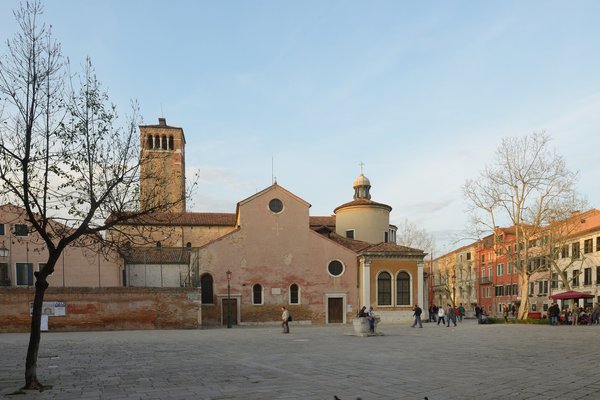
The Chiesa di San Giacomo dell'Orio and its tree-shaded campo in Venice.

Linger in Campo San Giacomo dell'Orio
This irregular, tree-shaded campo in Santa Croce is one of the few piazzas in Venice where locals vastly outnumber visitors. The Chiesa di San Giacomo dell'Orio, founded in and rebuilt several times since, holds a Veronese ceiling and a ship's-keel timber roof. Grab two spritzes from the bar on the south side, sit on the church steps, and watch children play football while the afternoon shadows lengthen — a slice of everyday Venetian life that most tourists never see.
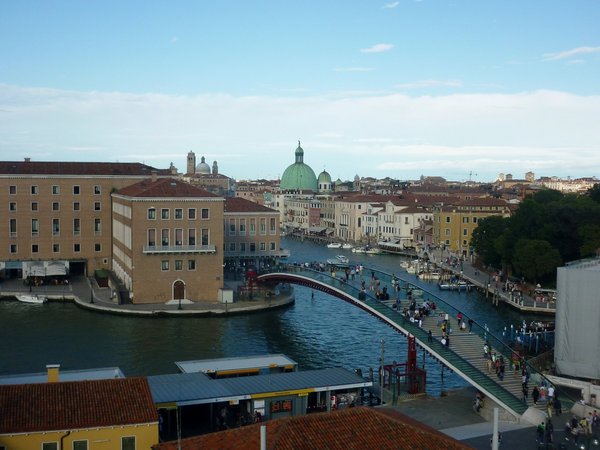
The Ponte della Costituzione, Santiago Calatrava's glass-and-steel bridge crossing the Grand Canal in Venice.

Sunset from Ponte della Costituzione

Santiago Calatrava's glass-and-steel bridge, opened in , is Venice's most controversial piece of modern architecture — and also one of its best sunset viewpoints. The arched span crosses the Grand Canal between Piazzale Roma and the train station, offering an unobstructed western sightline. On clear evenings, the sky behind the rooftops of Santa Croce turns a deep tangerine, reflected in the canal below. Fewer people gather here than at the Rialto or Accademia bridges, giving couples space to pause and take in the view without jostling for position.

Frequently Asked Questions about Venice

What is the best time of year for a romantic trip to Venice?

I recommend late September through early November or late March through April. The weather is mild, the light is beautiful, and the crowds thin enough that you can actually hear your own footsteps in the alleys. November's mist adds an atmospheric quality that high summer simply cannot match.

Where can we walk without fighting through crowds?

I always send couples to three areas: the Fondamenta della Misericordia in Cannaregio, the backstreets behind the Zattere in Dorsoduro, and the eastern stretch of Castello beyond the Arsenale. All three are residential, quiet, and beautiful — and none appear on most tourist itineraries.

Where should we have a romantic dinner?

For atmosphere, a candlelit table on the Grand Canal at a place like the Gritti Terrace is hard to beat. For authenticity, I prefer a small osteria in Cannaregio or a bacaro in San Polo where the menu changes with the fish market. Budget roughly €40–60 per person at a neighbourhood restaurant, or €100+ at the grander establishments.

What are the best free romantic activities?

I think walking is the greatest free activity in Venice. Cross every bridge you see, get deliberately lost, and let the city surprise you. Watching the sunset from the Ponte dell'Accademia, sitting on the steps of a quiet campo, and wandering through the Rialto fish market in the early morning are all free and deeply romantic in my experience.

How can we avoid crowds during a romantic visit?

I find three strategies work best: wake early and walk before 8 AM, when Venice belongs to its residents; visit the major sites on weekday afternoons rather than weekend mornings; and take the vaporetto to the outer islands like Torcello and Mazzorbo, which thin out dramatically after lunch.

What is the best way to get around the city as a couple?

I always tell couples that walking is the only way to truly experience Venice — there are no cars, and every route involves some delightful surprise. For longer distances or island-hopping, I suggest buying a 24- or 48-hour vaporetto pass, which also gives you unlimited rides across the lagoon to Burano, Torcello, and the Lido.

Are there romantic events throughout the year?

The Venice Carnival in February is theatrical and photogenic, though extremely crowded. I find the Festa del Redentore in July more romantic — Venetians picnic on decorated boats in the Bacino di San Marco and at midnight a spectacular fireworks display lights up the lagoon. The Venice Film Festival on the Lido each September also brings a glamorous atmosphere.

What romantic souvenirs should we look for?

I always suggest Murano glass — not the mass-produced trinkets from the tourist shops, but a signed piece from a named maestro on Murano island. Burano lace handkerchiefs, handmade Venetian paper from Gianni Basso's printshop in Cannaregio, and a bottle of Dorona wine from Venissa also make meaningful keepsakes.

Where are the best panoramic viewpoints for couples?

I consider the campanile on San Giorgio Maggiore to be the best option: shorter queues, wider views, and a more intimate feel than the Campanile di San Marco. I also love the rooftop terrace of the Fondaco dei Tedeschi (free, timed entry), which offers a bird's-eye view of the Rialto Bridge, and the top floor of the Peggy Guggenheim Collection, which looks directly across the Grand Canal.

Can we have a romantic picnic in Venice?

Absolutely — I have done this myself many times. The gardens of Sant'Elena are spacious and green, with benches facing the lagoon. On the islands, Torcello's grassy campo is idyllic for a blanket lunch. I suggest picking up supplies at the Rialto market — fresh bread, prosciutto, a wedge of Asiago, and a half-bottle of Soave — and you have a perfect meal for two.