10 Hidden Gems of Venice
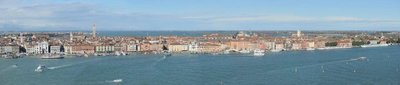
Venice draws roughly , yet most never stray beyond Piazza San Marco and the Rialto Bridge. Peel back the postcard surface and you find a labyrinth of quiet campielli, crumbling Gothic palaces, and islands that feel centuries removed from the selfie sticks.
The city's hidden layers run deep. A ghetto that gave the word to every language. A spiral staircase tucked behind an unmarked alley. A cemetery island where Stravinsky sleeps among cypresses. These are the places where Venice still belongs to the Venetians — or to the few travelers willing to get lost.
This guide covers ten experiences that reward curiosity over convenience, from a bookshop that stores its inventory in bathtubs to a church ceiling so vast it took one painter to finish. Come with comfortable shoes, a vaporetto pass, and no fixed itinerary.
Top Things to Do in Venice
Libreria Acqua Alta
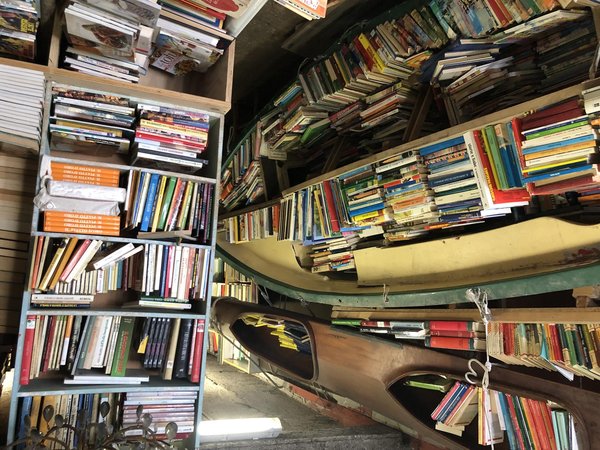
A bookshop built for the flood
Wander past towers of second-hand novels, vintage maps, and Italian art catalogues piled higher than the doorframes. In the courtyard, a staircase made entirely of water-damaged encyclopaedias climbs to a small landing that overlooks a quiet canal — one of the few spots in Venice where you can stand above the water with no one else around. Resident cats doze on the stacks, indifferent to the visitors stepping carefully around them. The shop carries titles in Italian, English, French, and German, with a strong local-history section and a rotating shelf of out-of-print Venetian photography books that you will not find at chain retailers. During acqua alta season, water sometimes creeps through the back entrance — which is precisely why the gondola exists. No entrance fee, no time limit, no velvet ropes. Just books, cats, and the faint smell of lagoon salt seeping through the back door.
Ghost Tour After Dark
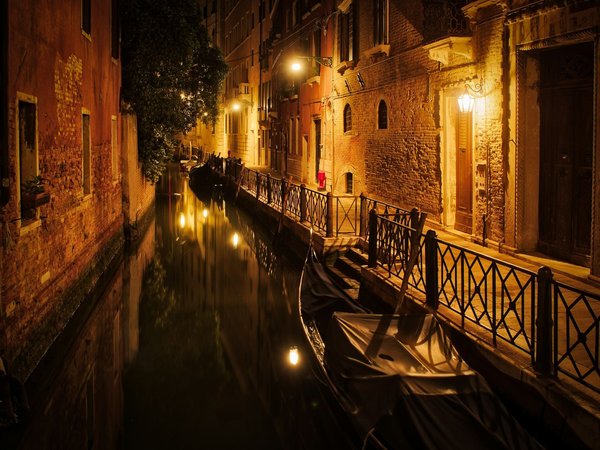
Legends whispered between bridges
Stories draw from documented events as much as folklore. You will hear about the plague that killed a third of the population and the quarantine island of Poveglia — reportedly one of the most haunted places in Italy — about the alleged curse of Ca' Dario, a palazzo whose successive owners met violent or mysterious ends across , and about the Ponte dei Pugni, where rival factions once settled territorial disputes with organised brawls. Guides are typically local historians rather than costumed actors, so the tone stays grounded in archival sources. The route passes through poorly lit sottoporteghi (covered passageways) and over bridges you would never find on your own, which makes the walk worthwhile even if you are a committed sceptic.
The Jewish Ghetto
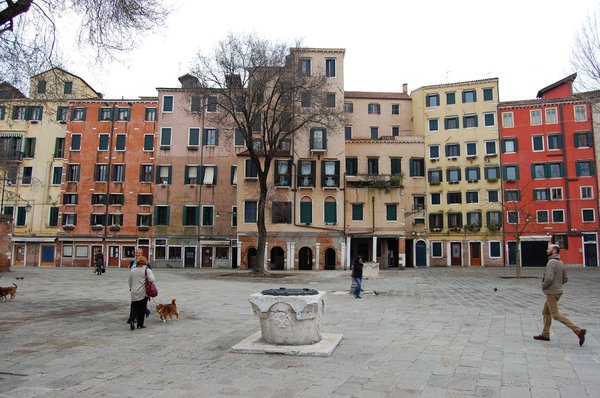
Where a word — and a neighbourhood — were born
The neighbourhood's vertical architecture tells its own story. Because the community could not expand outward, buildings rose to seven and eight storeys — unusually tall for Venice — with ceiling heights shrunk to fit more floors. Five historic synagogues survive, three of which are accessible through the Jewish Museum on guided tours that explain liturgical differences between the Ashkenazi, Sephardic, and Italian rites practised here simultaneously. Downstairs, the museum holds Torah scrolls, marriage contracts, and Venetian-Jewish textiles dating to the . After visiting, walk to Gam Gam on Fondamenta di Cannaregio for kosher Venetian cooking — the baccalà mantecato served on polenta crostini bridges two culinary worlds in a single bite.
Scala Contarini del Bovolo
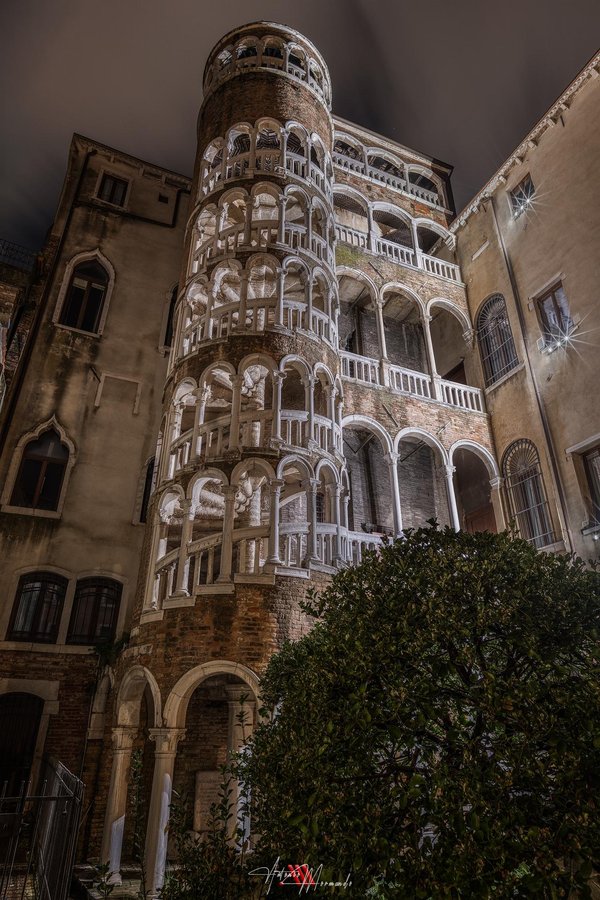
A Renaissance spiral hiding in plain sight
The staircase reopened to the public in after extensive restoration, and climbing its stone steps is like ascending through a textbook of Venetian architectural evolution. Each loggia level features slightly different column capitals — a detail that rewards slow, upward observation. From the belvedere at the top, the panorama sweeps across a sea of terracotta rooftops, bell towers, satellite dishes, and — on clear winter mornings — the distant snowcapped peaks of the Dolomites. The small gallery at ground level displays paintings from the Fondazione Venezia collection, including an attributed Tintoretto. Visit in the first or last hour of the day to have the staircase largely to yourself; midday queues can build in summer.
Kayaking the Back Canals
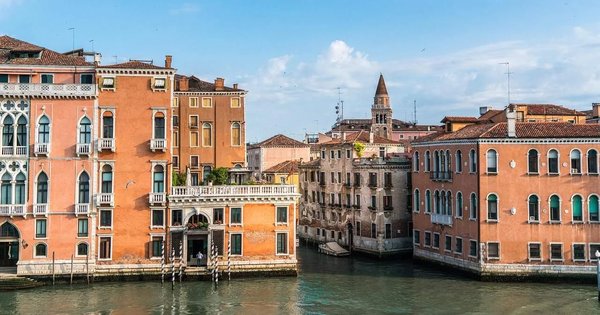
Venice at paddle height
Routes vary with the tide, but most loop through the Rio della Misericordia and Rio dei Mendicanti before crossing the open lagoon to the cemetery island of San Michele or the reed beds near Sant'Erasmo, the lagoon's agricultural island. Guides point out architectural details invisible from street level — blocked-up water gates, mooring rings, and the high-water marks from the catastrophic flood etched into palazzo walls. No prior paddling experience is needed; the canals are flat, sheltered, and the kayaks are stable sit-on-top models. Morning departures catch the best light and the calmest water. Bring a dry bag for your phone and a hat — there is no shade once you reach the open lagoon.
Teatro La Fenice Behind the Scenes
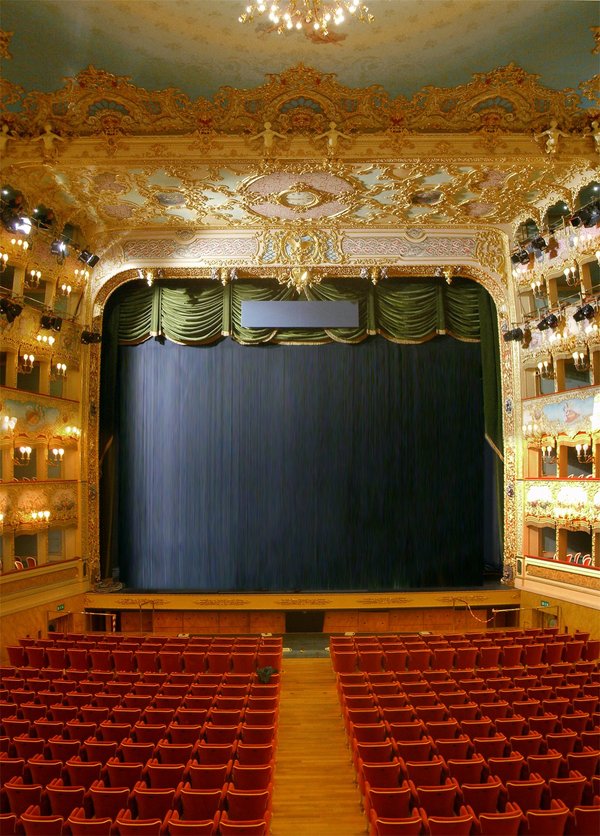
Three fires and a phoenix
Self-guided audio tours run throughout the day and take you through the foyer, the main hall, and the Sale Apollinee — the private reception rooms where Verdi premiered La Traviata on to an audience that famously hated it. Backstage areas open during certain tours reveal the fly system, the orchestra pit, and the dressing rooms. Photographs from the fire are displayed in a side corridor, showing the charred shell of the gutted auditorium — a stark contrast to the opulence you just walked through. If you can attend an evening performance rather than a daytime tour, do: the acoustics, rebuilt to the exact specifications of the original hall, are what you came for.
San Michele Cemetery Island
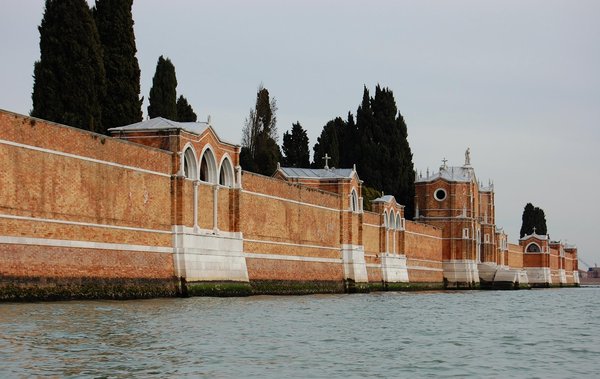
Where the illustrious rest on water
Inside, cypress-lined paths divide the cemetery into sections: Catholic, Orthodox, and Protestant. The Orthodox enclosure holds the graves of Igor Stravinsky and Sergei Diaghilev, founder of the Ballets Russes, whose headstone is perpetually decorated with ballet slippers left by visiting dancers. In the Evangelical section lies Ezra Pound, the American poet who spent his final years in Venice. Beyond the famous names, the island is a remarkable open-air gallery of funerary sculpture — weeping angels, mosaic portraits, and Art Nouveau ironwork spanning of Venetian grief and artistry. Birdsong replaces engine noise here. The vaporetto runs every on Line 4.1 or 4.2, making it easy to combine with a visit to Murano just one stop further.
Church of San Pantalon
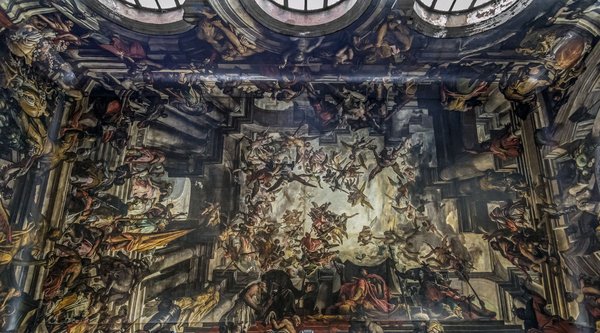
The world's largest canvas ceiling
The trompe-l'oeil perspective is engineered to make the flat ceiling appear as a soaring dome, with figures tumbling through clouds and architectural columns that seem to extend the church walls upward into the sky. Legend holds that Fumiani fell from the scaffolding to his death while applying the final brushstrokes — likely apocryphal, but the story captures how consuming the project became. Beyond the ceiling, the church holds a altarpiece by Antonio Vivarini and Paolo Veronese's San Pantalon Healing a Boy in the second chapel on the right. There is no admission charge and rarely more than a handful of visitors. Bring binoculars or use your phone's zoom to appreciate the ceiling details.
Palazzo Mocenigo Perfume Museum
Venetian fashion and the art of scent
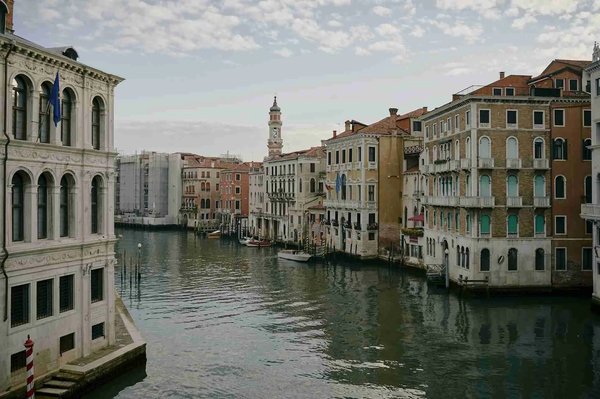
The ground-floor perfume rooms are the real draw. Interactive scent stations let you smell individual ingredients — musk, ambergris, civet, Venetian treacle — and follow the process from raw material to finished fragrance. The collection of muschiere (perfume vessels) is one of the finest in Italy. Upstairs, mannequins in period dress stand in frescoed rooms furnished with original Mocenigo family pieces, illustrating how clothing signalled social rank in the Republic. A gentleman's dressing table, complete with powder puffs and wig stands, is a particular highlight. The palace hosted Lord Byron during his Venice years (), a period the poet spent swimming the length of the Grand Canal and scandalising polite society in equal measure. Allow at least for a full visit.
Torcello Island
Where Venice began — and time stopped
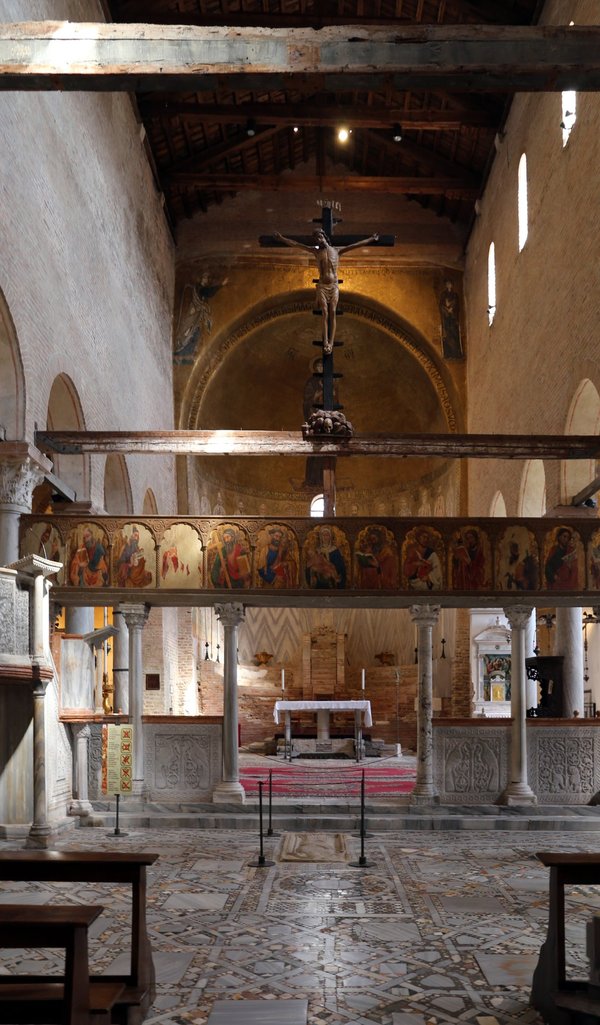
The Cathedral of Santa Maria Assunta, founded in , survives as the oldest building in the entire lagoon. Its interior is austere Romanesque below and blazing gold above: the apse mosaic of the Virgin Hodegetria against a field of solid gold tessera dates to the and ranks among the finest Byzantine mosaics outside Ravenna. The opposite wall carries a Last Judgement of terrifying detail — demons, serpents, and the damned rendered with an intensity that Dante might have appreciated. Outside, the so-called Throne of Attila — actually a bishop's chair — sits in the grass beside the campanile. Reach Torcello via vaporetto Line 12 from Burano; the ride takes across open water.
Recommended Itineraries in Venice
Secret Sestieri on Foot
Afternoon — Cross to Castello via Fondamenta Nuove and follow the waterfront east past the Arsenale walls to the Via Garibaldi, Venice's widest street and the heart of a genuinely residential neighbourhood. Stop at a neighbourhood bacaro for cicchetti and a glass of ombra.
Evening — Circle back through Santa Croce, ending at Campo San Giacomo dell'Orio, one of Venice's most pleasant squares for a quiet aperitivo under the trees.
Lagoon Islands Beyond Murano
Afternoon — Backtrack to Burano and catch Line 12 to Torcello for the Byzantine mosaics in the cathedral. The island empties after 3:00 PM when tour groups leave — that is your window.
Evening — Return to Burano for dinner at one of the canal-side trattorias. Try risotto de gò (goby fish risotto), a lagoon specialty almost impossible to find in central Venice.
Hidden Underground and Overlooked Interiors
Afternoon — Head to Palazzo Mocenigo in Santa Croce for the perfume and costume museum, then cross to the Scala Contarini del Bovolo for the rooftop panorama. If time permits, the Oratorio dei Crociferi on Fondamenta Nuove holds a cycle of Palma il Giovane paintings in a space that sees fewer than 20 visitors a day.
Evening — Join a ghost tour departing from Campo San Bartolomeo. The walk covers ground you have already seen by daylight, but the atmosphere after dark transforms it entirely.
When to Visit
The Best Time to Visit Venice
The best time to visit Venice is during spring (April-June) and autumn (September-October), when the weather is mild and pleasant. Summer can be hot and crowded, while winter offers fewer crowds but cooler temperatures.
Peak Season
Summer (June-August) is the peak season, with more tourists and higher prices.
Shoulder Season
Spring and autumn offer a good balance between weather and tourist crowds.
Low Season
Winter (December-February) is the low season, with fewer tourists and more affordable prices.
Tips for Visiting Venice
Local Experiences in Venice
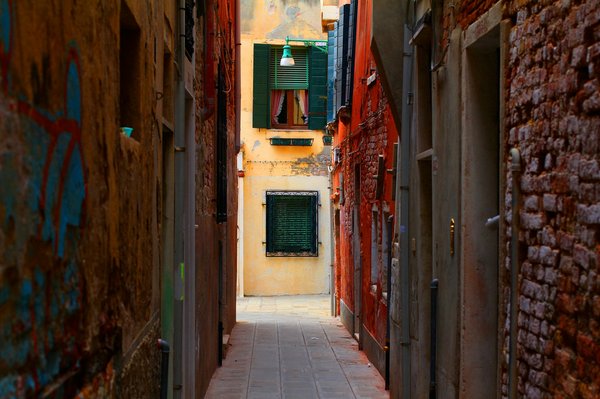
Discover Hidden Venice with a Local Photographer
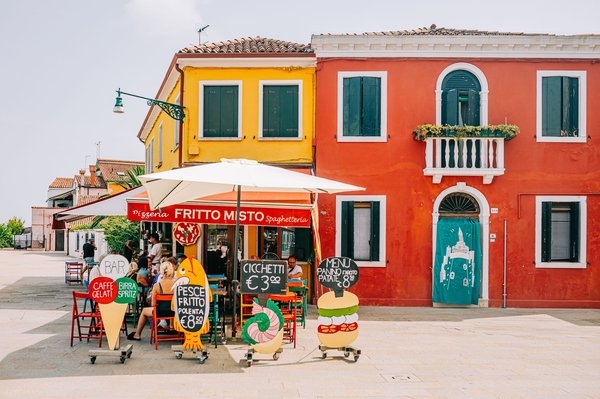
Cicchetti Crawl Through the Bacari