Tokyo skyline with Tokyo Skytree at sunset

10-Day Japan Itinerary

10-day itinerary in Japan across Tokyo, Kyoto and Osaka, with day trips to Hakone and Hiroshima. Three bases, fast transfers on the Shinkansen and an optimized budget for transport and meals.

Itinerary

Updated on · 17 min read

At a glance

Duration
10 days / 9 nights
Best time
March–May and October–November
Trip style
Cities and temples, medium pace
Ideal for
First time in Japan, curious travelers and foodies
Getting there
Arrival: Haneda (HND); Departure: Kansai (KIX)
Getting around
Shinkansen + local trains + metro
Budget per person
¥247,000-336,000

The stops

  1. Tokyo (days 1, 2, 3)
  2. Kyoto (days 4, 5, 6)
  3. Osaka (days 7, 8, 9, 10)

This 10-day route alternates cities and temples at a medium pace, designed for travelers who want varied neighborhoods and simple logistics. You stay in 3 bases (Tokyo, Kyoto, Osaka) and add 2 day trips structured to maximize time between distant places without changing hotels.

The ideal period runs from late March to May and from October to November for stable weather and seasonal colors. In spring, highs reach 18-22°C in Tokyo, while in Kyoto in autumn lows are around 10-12°C, great for long walks and evening visits to illuminated temples.

Total budget
¥247,000-336,000
Accommodation
¥16,000-25,000
Food
¥6,000-9,500
Transport
¥49,000-64,000

Prices, opening hours and travel times are indicative as of the update date: always double-check before booking.

Stops on this itinerary

The interactive map loads once you accept cookies: map data comes from OpenFreeMap (OpenStreetMap) servers.

Manage cookie preferences
1
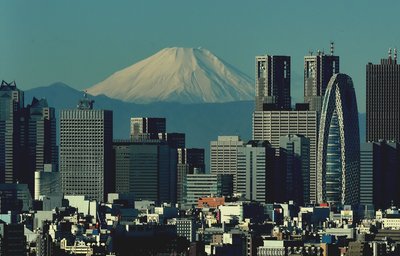
Tokyo skyline with Tokyo Skytree at sunset

Tokyo

days 1, 2, 3 ¥16,000/day Lovers of neighborhoods and technology

Initial base for 3 nights, combining neighborhoods like Shinjuku and Asakusa. Focus on first urban orientation within 8-12 km of daily travel. It’s best to arrive in the morning to cover 2-3 main attractions and a viewpoint at sunset. We recommend using a 24-hour metro pass on the second day to cover more districts without duplicating paid segments.

  • Free viewpoint at the Tokyo Metropolitan Govt. Building (admission ¥0, 1 hour)
  • Senso-ji in Asakusa opens from 6:00 with the Kaminarimon gate
  • Tokyo Skytree with base ticket at ¥2,500 and ascent up to 350 m
Read the Tokyo guide
2
Red torii at Fushimi Inari in Kyoto

Kyoto

days 4, 5, 6 ¥14,000/day Culture and photography enthusiasts

Second base for 4 nights between Higashiyama and Arashiyama. Plan days of 12-15 km on foot with stops at paid temples and free shrines. It’s strategic for a trip to Nara with a direct train. Suggested order: eastern temples on the arrival afternoon, Arashiyama at dawn and Fushimi Inari at the end of the day.

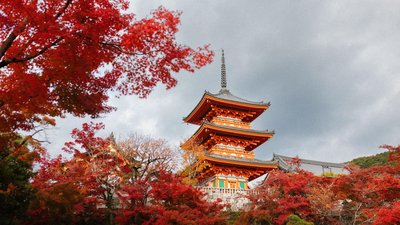
  • Kiyomizu-dera with ticket at ¥600 and wooden terrace
  • Fushimi Inari Taisha free with thousands of red torii
  • Tenryu-ji and zen gardens with entry at ¥600
Read the Kyoto guide
3
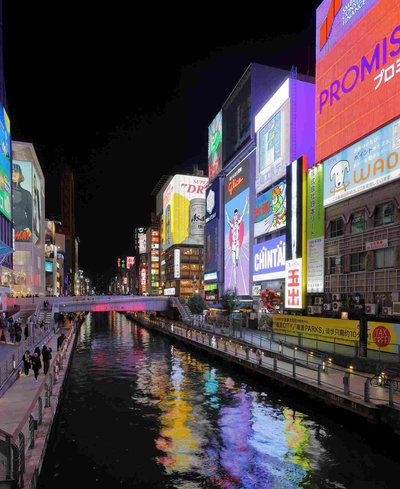
Dotonbori in Osaka with neon signs

Osaka

days 7, 8, 9, 10 ¥15,000/day Foodies and skyline lovers

Third base for 3 nights focusing on the castle, markets and skyline. Compact movements within 6-9 km among Dotonbori, Namba and Umeda. Useful for a day in Hiroshima thanks to the proximity of Shin-Osaka. Evenings dedicated to street food with okonomiyaki and takoyaki at venues a short walk away.

  • Osaka Castle (tower and museum): ¥1,200 per person
  • Umeda Sky Building viewpoint with ticket at ¥2,000
  • Evening stroll in Dotonbori with the Glico sign
Read the Osaka guide

Day-by-day itinerary

1

Day 1: Arrival in Tokyo and orientation in Shinjuku

📍 Complete guide to Tokyo

Acclimatization day between Shinjuku and adjacent areas, with a walk within 4-6 km to limit post-flight stress. Plan for a first viewpoint and an evening stroll among neon and alleys. Two main blocks split between afternoon and evening help maintain a steady pace with 2 planned breaks.

Activities

Shinjuku Gyoen National Garden

From the Shinjuku Gate, 850 m from the JR station, enter the central route between lawn and Japanese garden. Avoid glass bottles at security. Bring cash for the ticket and exit via the Okido Gate to cut toward the east area.

14:30-16:00 1 hour 30 minutes ¥600 per person

Tokyo Metropolitan Government Building Observatory

Free ascent to the 45th floor; access from Building No.1. From Shinjuku Station, take the West Exit, it’s 900 m on covered walkways. Avoid rush hours to limit queues; quick security checks with metal detector.

17:00-18:00 1 hour Free

Kabukicho and Omoide Yokocho

Stroll through the alleys of Omoide Yokocho and the neon of Kabukicho. Stay on main streets and avoid touts. Stop at the Godzilla head (Hotel Gracery) for photos. Good evening lighting for shots.

19:00-20:00 1 hour Free

Where to Stay

Hotel Sunroute Plaza Shinjuku - hotel

Area: Shinjuku

Price: ¥21,000-30,000/night

Getting Around

Haneda → Shinjuku via Keikyu/Asakusa Line + JR: ¥800, 45 minutes

Where to Eat

Lunch: Ichiran Shinjuku (¥2,000-3,000)

Dinner: Torikizoku Kabukicho (¥1,400-2,000)

  • Activate a physical or digital Suica at the airport in 5 minutes
  • Withdraw cash at 7-Eleven; withdrawal limits often around ¥35,000
  • Bring a Type A adapter for Japanese outlets
2

Day 2: Asakusa, Skytree and Akihabara

📍 Complete guide to Tokyo

Linear eastbound route of 10 km across temple, viewpoint and the electronics district. Avoid backtracking by planning Asakusa first, then the tower ascent and finally Akihabara. Three main stops allow photo breaks and 25-30 minute transfers between points.

Activities

Senso-ji and Nakamise-dori

Enter through the Kaminarimon, continuing along Nakamise-dori. Arrive before tour groups to photograph the pagoda. From Asakusa Station (Ginza Line) access is direct; avoid snacks in prayer areas.

9:00-10:30 1 hour 30 minutes Free

Tokyo Skytree Tembo Deck

Buy the base ticket online to reduce queues. From Oshiage Station the entrance is signposted. At the main deck watch for window reflections and plan a stop on the lower floor for shops.

11:00-12:30 1 hour 30 minutes ¥2,500 per person

Asakusa–Hamarikyu Cruise

Board near Sumida Park. The river route helps avoid two metro transfers. Sit on the right-hand side for views of historic bridges. At Hamarikyu you can exit directly into the garden.

13:00-13:45 45 minutes ¥1,200 per person

Akihabara Electric Town

Exit via the Electric Town Exit. Visit component shops and arcades on Chuo-dori. Limit photos in maid cafés if you’re not a customer. Keep budget in mind for potential gadgets.

15:00-16:30 1 hour 30 minutes Free

Where to Stay

Hotel Sunroute Plaza Shinjuku - hotel

Area: Shinjuku

Price: ¥22,000-31,000/night

Getting Around

Tokyo Metro 24-hour Ticket: ¥700, covers 9 lines for the whole day

Where to Eat

Lunch: Tsukemen at Menya Musashi (¥1,800-2,500)

Dinner: Maidreamin Akihabara (drink ¥1,200-1,600)

  • Book Skytree online at least 24 hours in advance
  • Avoid 12:00-14:00 on Nakamise-dori due to crowds
  • Bring ¥100 coins for lockers at stations
3

Day 3: Day trip to Hakone

📍 Complete guide to Tokyo

Out-of-town day with a loop between Gora, Owakudani and Lake Ashi. Alternate museums and scenic transport without luggage. Three main segments cover about 40 km in total; evening return with 1 change at Odawara.

Activities

Hakone Open-Air Museum

From Gora Station it’s a 7-minute walk. Outdoor sculptures and a Picasso pavilion. Avoid sandals on slippery wooden walkways. Leave backpacks in lockers near the entrance.

10:00-11:30 1 hour 30 minutes ¥1,800 per person

Hakone Ropeway to Owakudani

Gondola included in the passes: sit on the right-hand side to view the fumaroles. In Owakudani, follow marked paths and respect restricted areas. Avoid lingering too close to the vapors.

12:00-12:30 30 minutes Included in the pass

Cruise on Lake Ashi

Board at Togendai. The cruise connects conveniently with Hakone-machi. Sit at the bow for shots of the torii on the lake; bring a light rain jacket if windy.

13:00-13:30 30 minutes Included in the pass

Hakone Shrine

From the pier, 15 minutes on foot along the shore. Photos at the Torii on the lake in an orderly queue. Avoid tripods on the boardwalk. Keep cash for offerings at the shrine.

14:00-15:00 1 hour Free

Where to Stay

Hotel Sunroute Plaza Shinjuku - hotel

Area: Shinjuku

Price: ¥23,000-32,000/night

Getting Around

Odakyu Hakone Freepass 2 days: ¥7,100 (includes Odakyu trains, ropeways, cruises); Romancecar supplement: ¥1,200 each way, about 80 minutes

Where to Eat

Lunch: Gyoza Center (Gora) (¥1,800-2,500)

Dinner: Uogashi Nihon-Ichi Shinjuku (¥2,500-3,500)

  • Book the Romancecar the night before
  • Bring cash for snacks at Owakudani
  • Check weather: ropeway may suspend with winds over 15 m/s
4

Day 4: Tokyo → Kyoto and Higashiyama

📍 Complete guide to Kyoto

Single transfer to Kyoto, moving along an axis of about 450 km. In the afternoon, a gradual walk between Kiyomizu-dera and the Sannen/Ninen-zaka streets, within a 2 km radius. Sequence designed for warm light and lower footfall after organized tours.

Activities

Kiyomizu-dera

Enter from the main avenue, walking up through the shops. Take the detour to the Jishu shrine. Avoid heavy loads: steps are uneven. Exit on the north side to merge onto Sannenzaka.

15:00-16:00 1 hour ¥600 per person

Sannenzaka and Ninenzaka

Stroll on stone streets with wooden houses. Keep to the right on stairways for pedestrian flow. Stop by pottery shops; avoid trolleys on slippery slabs if it rains.

16:15-17:15 1 hour Free

Evening Gion

From the Shirakawa area, follow the canal toward Hanamikoji. Do not photograph people without consent. Great light on machiya townhouses. Keep noise down on residential streets.

18:00-19:00 1 hour Free

Where to Stay

Hotel Mystays Kyoto Shijo - hotel

Area: Shijo/Karasuma

Price: ¥12,500-19,500/night

Getting Around

Shinkansen Nozomi Tokyo→Kyoto: ¥16,500, 2h15 (reserved seats)

Where to Eat

Lunch: Ekiben on the Shinkansen (¥1,400-2,000)

Dinner: Kura Kiyamachi Izakaya (¥2,500-4,500)

  • Ship luggage via takkyubin with delivery within 24 hours
  • Choose a carriage with seats E for views of Mt. Fuji side
  • Arrive at Kiyomizu within 1 hour of sunset for the best photos
5

Day 5: Arashiyama and Fushimi Inari

📍 Complete guide to Kyoto

Morning in the Arashiyama area with close-by sights within 1.5 km. Alternate the bamboo grove and Tenryu-ji temple, then move to Fushimi for a light uphill route. Two main blocks allow for a lunch break and a return to the center without rushing.

Activities

Arashiyama Bamboo Grove

Enter at dawn from the North Gate side to avoid groups. Continue to Nonomiya Shrine. Avoid tripods during crowded hours. Exit to the side street to access Tenryu-ji.

7:00-8:00 1 hour Free

Tenryu-ji (temple and garden)

Buy the ticket at the main entrance. Walk the garden clockwise for better flow. No food in tatami areas. Direct exit toward Togetsukyo Bridge for river photos.

8:15-9:15 1 hour ¥600 per person

Fushimi Inari Taisha

Arrive via Keihan or JR Inari. Follow the circuit to Yotsutsuji and decide whether to return. Bring water for the climb. Avoid stopping under the torii in narrow sections.

16:00-18:00 2 hours Free

Where to Stay

Hotel Mystays Kyoto Shijo - hotel

Area: Shijo/Karasuma

Price: ¥13,500-20,000/night

Getting Around

JR Sagano Line Kyoto→Saga-Arashiyama: ¥200, 12 minutes; Keihan Gion-Shijo→Fushimi-Inari: ¥400, 9 minutes

Where to Eat

Lunch: Arashiyama Yoshimura (soba ¥2,000-3,000)

Dinner: Yakiniku M Pontocho (¥3,500-5,500)

  • Arrive at the Bamboo Grove by 7:00
  • Bring ¥200 in coins for lockers at Saga
  • Wear non-slip shoes on the Fushimi trail
6

Day 6: Nara day trip

📍 Complete guide to Kyoto

Day trip to Nara with easy out-and-back within 70 km. Compact sequence between Todai-ji, Nara Park and Kasuga Taisha, then return via Naramachi. Three main visits in the morning and one free hour in the afternoon ensure buffer time for the return train.

Activities

Todai-ji (Daibutsuden)

From Kintetsu Station it’s a 20-minute walk. The Great Buddha merits a central stop; avoid flash. Exit on the east side to connect to Nara Park without backtracking.

9:00-10:30 1 hour 30 minutes ¥800 per person

Nara Park (deer)

Buy shika senbei crackers at official stalls; feed the deer in open areas. Keep bags closed: the deer are curious. Stick to main paths for safety.

10:30-11:00 30 minutes ¥200 per person

Kasuga Taisha

Shaded path with stone lanterns. The paid inner area offers close-up views. Maintain silence in prayer zones and follow the visitor flow.

11:15-12:00 45 minutes ¥600 per person

Naramachi

Historic district with machiya townhouses. Follow the main street for artisan workshops. Avoid indoor photos without permission. Good coffee break in local cafés.

13:00-14:00 1 hour Free

Where to Stay

Hotel Mystays Kyoto Shijo - hotel

Area: Shijo/Karasuma

Price: ¥14,000-21,000/night

Getting Around

Kintetsu Kyoto→Kintetsu Nara: ¥700, 35 minutes (rapid train)

Where to Eat

Lunch: Maguro Koya (donburi ¥1,600-2,000)

Dinner: Izakaya in Pontocho (¥2,500-4,000)

  • Sit in the front cars for a quick exit at Kintetsu Nara
  • Bring cash for temples: card terminals not always available
  • Avoid peak hours between 8:00-9:00 on trains
7

Day 7: Northern Kyoto, Nishiki and transfer to Osaka

📍 Complete guide to Osaka

Morning at Nishiki and temples to the north, with a visit arc within 5 km. In the afternoon, a short tea ceremony and transfer to Osaka to enjoy the evening in Dotonbori. Finish with accommodation near Shinsaibashi for quick movements.

Activities

Nishiki Market

Enter from Teramachi. Covered corridor with fish and pickles stalls. Avoid eating while walking: use designated areas. Exit toward Shijo to connect to buses.

9:00-10:30 1 hour 30 minutes Free

Kinkaku-ji (Golden Pavilion)

Direct bus from Shijo-Karasuma. Follow the one-way path around the pond. No tripods; photos from designated platforms. Exit on the souvenir side.

11:30-12:30 1 hour ¥600 per person

Tea ceremony (Camellia Flower)

Online reservation with arrival 10 minutes early. Introductory session on preparing matcha. Tatami seating: remove shoes. Photos allowed at the end of the ritual.

15:00-16:00 1 hour ¥3,500 per person

Where to Stay

Cross Hotel Osaka - hotel

Area: Dotonbori/Shinsaibashi

Price: ¥17,500-25,000/night

Getting Around

JR Kyoto→Osaka (Special Rapid): ¥700, 28 minutes; Midosuji Line Shinsaibashi→Namba: ¥200, 3 minutes

Where to Eat

Lunch: Tempura Tendon Tenya (¥1,200-1,600)

Dinner: Mizuno Okonomiyaki (¥2,000-3,000)

  • Leave for Osaka after 16:00 to avoid bus traffic
  • Carry ¥400 in coins for Kyoto buses
  • Book a hotel near Namba for direct access to the metro
8

Day 8: Osaka across castle, markets and skyline

📍 Complete guide to Osaka

Compact urban loop within 7 km across Osaka Castle, Kuromon and Umeda Sky. Balance museum time and street food, returning to Dotonbori for the evening. Two planned breaks reduce queues and allow fast metro transfers.

Activities

Osaka Castle (museum)

Enter via Otemon. Elevators are available but crowded; stairs are smoother for going up. Exhibits with bilingual panels. Photos from the terrace.

9:00-10:30 1 hour 30 minutes ¥1,200 per person

Kuromon Ichiba Market

Access from Nippombashi Station. Buy snacks at stalls with displayed prices; eat in interior areas. Keep cash for small purchases.

11:00-12:00 1 hour Free

Dotonbori and Glico Sign

Stroll along the canal. Avoid lingering on main bridges during peak hours. Take photos from Ebisu-bashi. Move through side streets for street food.

17:00-18:00 1 hour Free

Umeda Sky Building

Entrance to the Floating Garden Observatory. Route includes panoramic escalators. Time your arrival for sunset; ticket office on floor B1 with signposted access.

19:00-20:00 1 hour ¥1,800 per person

Where to Stay

Cross Hotel Osaka - hotel

Area: Dotonbori/Shinsaibashi

Price: ¥18,500-26,000/night

Getting Around

Osaka Metro 1-Day Pass: ¥1,000, unlimited rides on urban lines for 1 day

Where to Eat

Lunch: Snacks at Kuromon (sushi ¥1,800-2,500)

Dinner: Kani Doraku Dotonbori (¥4,500-7,000)

  • Arrive at the castle by 9:30 to reduce waiting
  • Avoid loose cash: use ¥100 coins at markets
  • For Umeda, use exit M10 from the station
9

Day 9: Hiroshima and Miyajima from Osaka

📍 Complete guide to Osaka

Long day trip covering Hiroshima and Miyajima Island. Three blocks: museum, Peace Park and shrine, within a 15 km radius. Manage time to fit rail, ferry and a light ascent, returning in the evening without luggage.

Activities

Hiroshima Peace Memorial Museum

From the station, take the Hiroden tram to Genbaku Domu-mae. Book online to reduce waiting. Linear exhibit path; keep a respectful tone.

9:30-11:00 1 hour 30 minutes ¥200 per person

A-Bomb Dome and Peace Park

Walk between the dome and memorial. No drones; signs are clear. Follow paths to connect to the Motoyasu River and commemorative installations.

11:00-11:40 40 minutes Free

Itsukushima Shrine (Miyajima)

Train to Miyajimaguchi and ferry to the island. Check tide times for photos of the Torii. Avoid tripods on the shrine walkways.

14:00-15:00 1 hour ¥400 per person

Mount Misen Ropeway

Two-section gondola to near the summit. Bring water and a hat. Avoid closed trails; follow English signs at intermediate stations.

15:30-16:45 1 hour 15 minutes ¥2,500 per person

Where to Stay

Cross Hotel Osaka - hotel

Area: Dotonbori/Shinsaibashi

Price: ¥19,000-26,000/night

Getting Around

Shinkansen Shin-Osaka→Hiroshima: ¥12,500, 1h30; JR Sanyo + Miyajima ferry: ¥200, 10 minutes

Where to Eat

Lunch: Micchan Sohonten (okonomiyaki ¥1,800-2,500)

Dinner: Ajinoya Namba (¥2,500-4,000)

  • Check Miyajima tides at least 24 hours in advance
  • Sit in a middle carriage for a quick exit at Hiroshima
  • Return by 20:00 for more frequent connections
10

Day 10: Southern Osaka and departure from KIX

📍 Complete guide to Osaka

Light final day between Sumiyoshi and Namba, with a walk within 5 km. Flexible schedule based on your flight from Kansai Airport. Two short stops allow you to reach the train with buffer time and check bags without rushing.

Activities

Sumiyoshi Taisha

Access via Nankai Sumiyoshi Taisha. Photos on the Sorihashi Bridge. Keep a respectful tone in prayer areas. Follow the marked paths to exit on the north side.

9:00-10:00 1 hour Free

Namba Yasaka Shrine

Shrine with a lion-head stage. Short stop for photos. 10-minute walk from Namba Station. Avoid crowding on the steps.

10:30-11:00 30 minutes Free

Osaka Station City (shopping)

Commercial area connected to the station; useful for last-minute purchases. Keep track of time for departure. Keep receipts for tax-free where applicable.

12:00-13:00 1 hour Free

Where to Stay

Cross Hotel Osaka - hotel

Area: Dotonbori/Shinsaibashi

Price: ¥19,500-27,000/night

Getting Around

Nankai Airport Express Namba→KIX: ¥1,100, 44 minutes

Where to Eat

Lunch: 551 Horai (bao ¥700-1,100)

Dinner: Ichiran Kansai Airport (¥1,800-2,500)

  • Arrive at KIX at least 2 hours before your flight
  • Check baggage weight: many airlines set 23 kg
  • Buy 551 Horai takeaway snacks for the flight

With more or fewer days

With 7 days

Keep Tokyo 2 nights (Senso-ji and Skytree), Kyoto 3 nights (Higashiyama, Arashiyama, Fushimi Inari) and Osaka 2 nights (Castle and Dotonbori). Cut Hakone and Hiroshima. Move by Shinkansen Tokyo→Kyoto (2h15) and JR Kyoto→Osaka (28 minutes). Use day metro passes to optimize city costs and concentrate visits between 9:00-17:30.

With 2 weeks

Add 2 nights in Hakone (onsen and Lake Ashi), 2 nights in Kanazawa (Kenroku-en and Higashi Chaya) and 1 night in Hiroshima/Miyajima. Timing: Tokyo→Hakone 85 minutes, Kyoto→Kanazawa 2h20, Osaka→Hiroshima 1h30. Insert Takayama as a 1-night stop if you love traditional architecture. Plan 3-4 main transfers spaced every 2-3 days.

Frequently Asked Questions

How many days do you need to visit Japan, Tokyo, Kyoto and Osaka?

For a first time, 10 days let you cover Tokyo (3 days), Kyoto (4 days) and Osaka (3 days) with 2 medium-range day trips. In 7 days you would skip Hakone and Hiroshima, while in 14 days you can add Kanazawa and Miyajima. At this pace you plan days of 8-12 km on foot, 2-3 paid attractions and at least one evening viewpoint in each city.

How much does a 10-day itinerary in Japan cost in total?

A mid-range budget is between ¥247,000 and ¥336,000 per person, including accommodation in the ¥16,000-25,000/night range, meals at ¥6,000-9,500/day and internal transport ¥49,000-64,000. The main items are the Shinkansen between cities, 2-3 paid attractions per day and a couple of special dinners (e.g., kappo or crab). Booking 3-4 weeks ahead helps lock in better rates at hotels near metro stations.

What is the best time for this 10-day itinerary?

The best windows are March–May and October–November. In spring, in Tokyo, highs range between 18-22°C, ideal for long visits; in autumn Kyoto sees lows of 10-12°C, favorable for evening walks. Avoid Golden Week (late April–early May) for crowds and higher prices. In summer, high humidity reduces comfort, while in winter clear days favor views but with shorter daylight.

How do I move efficiently between Tokyo, Kyoto and Osaka?

Use the Shinkansen on the Tokaido line: Tokyo→Kyoto in 2h15 with reserved seats and Kyoto→Osaka in about 28 minutes with JR Special Rapid. Reserving seats the day before reduces surprises. Within cities, buy day metro passes and use IC cards (Suica/ICOCA) to speed up gates. Avoid peak hours 7:30–9:30 and 17:30–19:30, planning paid attractions for mid-morning.

Can I do Hakone, Nikko or Hiroshima as day trips?

Yes: Hakone is manageable with the Odakyu Romancecar (85 minutes) and the Hakone Freepass for ropeway and cruises. Nikko takes about 2 hours each way from Tokyo, worthwhile only if you leave by 8:00. Hiroshima can be done from Osaka in 1h30 on the Shinkansen, combining the museum and Miyajima. In any case, start early, reserve seats and limit to 3 main attractions to avoid returning after 21:00.

Do you need the Japan Rail Pass for 10 days?

It’s not mandatory. With 2 main legs (Tokyo→Kyoto and Osaka→Hiroshima round trip) individual tickets are often better value, especially if you use the Nozomi. If you plan 4-5 long legs within 7 days, then a JR Pass can be competitive. Note that passes don’t cover some private lines and that reserved seats can be booked for free at Midori no Madoguchi. Calculate your planned routes before purchasing.

How do I handle luggage and accommodation along the itinerary?

Choose hotels near major stations (Shinjuku, Karasuma, Namba) to cut walking. For luggage use the takkyubin service between Tokyo and Kyoto with 24-hour delivery, so you can move light. Coin lockers are available in almost all stations, with average capacity for a carry-on. Booking rooms between 14 and 18 m² allows two suitcases to open without getting in the way.

Do I need cash or are contactless cards enough?

Many restaurants accept cards, but small temples, markets and buses prefer cash. Withdraw at 7-Eleven or Japan Post ATMs; limits often close to ¥35,000 per withdrawal. Use IC cards (Suica/ICOCA) for metro and local trains; a minimum top-up of ¥3,500 per day is recommended for heavy travel days. Keep ¥100 coins for lockers and vending machines along the route.