Where to Eat in Naples: 10 Best Restaurants
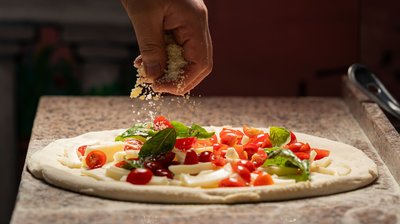
Preparation of a Neapolitan pizza with tomatoes, basil, and cheese on a countertop.
Written by travel experts
Regularly updated
Verified on-site

Naples has fed the world one of its most beloved foods, yet the city's culinary identity runs far deeper than pizza alone. Centuries of Greek, Spanish, and French rule layered flavors onto a kitchen already rich with volcanic soil and Gulf fisheries. Bourbon-era street vendors invented the fried snacks still sold from copper cauldrons along Spaccanapoli, while post-war trattoria owners turned peasant staples like pasta e patate into dishes that define comfort food across Italy. Today the dining scene stretches from sawdust-floored pizzerias that have baked Margheritas since the to contemporary tasting menus overlooking the Bay of Naples. What links them is an obsessive respect for raw materials: San Marzano tomatoes from the slopes of Vesuvius, buffalo mozzarella pulled fresh each morning in Caserta, anchovies salt-cured in Cetara, and lemons from the Amalfi terraces. This guide covers ten restaurants that together map the full arc of Neapolitan gastronomy, from a five-euro Margherita eaten standing up to a multi-course seafood dinner on the Posillipo cliffs.

Top Things to Do in Naples

Pizzeria Da Michele
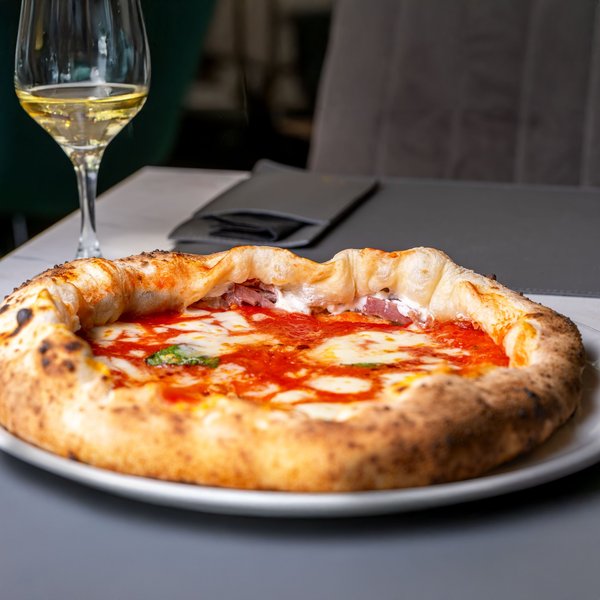
Neapolitan pizza with thick crust and glass of white wine on table, iconic representation of Naples cuisine.

The Most Famous Pizza in Naples

When the Condurro family lit their first wood-fired oven on Via Cesare Sersale in , the neighborhood around Porta Nolana was a tangle of market stalls and dockworkers' lodgings. Over a century and a half later, L'Antica Pizzeria da Michele still operates from the same block, serving exactly two pizzas: Margherita and Marinara. That radical simplicity is the point. The dough ferments for at least 24 hours, producing a cornicione that puffs and chars in the 485 C oven in roughly sixty seconds, yielding a rim that is crisp on the surface and almost molten inside. The Margherita uses fior di latte from Agerola rather than buffalo mozzarella, a deliberate choice that keeps the moisture balance precise. A Marinara strips things further: San Marzano tomato, garlic, oregano, extra-virgin olive oil, nothing else. The dining room is intentionally spartan, tiled walls echoing with conversation and the clatter of metal trays. Julia Roberts filmed the Naples sequence of Eat Pray Love here in , but the queue outside predates any Hollywood attention. Arrive before 11:30 AM or after 2:30 PM to avoid the longest waits. A whole Margherita costs around five euros, making Da Michele one of the best culinary bargains in Europe.
In the heart of Naples, at Via Cesare Sersale 1, just steps away from the bustling Piazza Garibaldi.
Open Monday to Saturday from 11:00 AM to 11:00 PM.
Affordable prices: a classic pizza starting from €5. An authentic experience without spending too much.

Trattoria Nennella

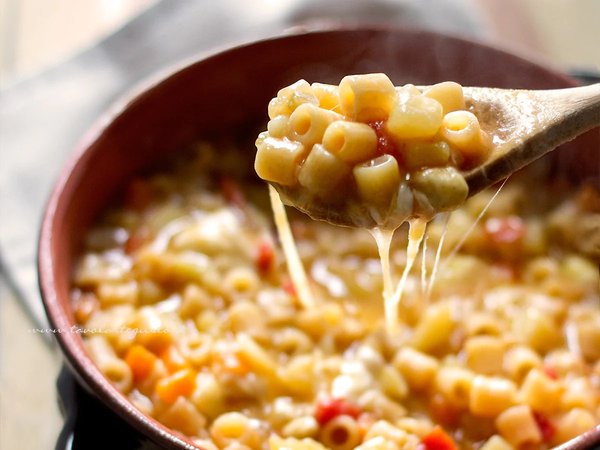
Traditional Neapolitan pasta served hot with melted cheese, typical of Trattoria Nennella in Naples.

Homestyle Neapolitan Cuisine

Tucked into an alley of the Quartieri Spagnoli, the neighborhood built in the to house Spanish troops, Trattoria Nennella has served no-frills Neapolitan home cooking since the mid-twentieth century. The format is part canteen, part theatre: long communal tables fill a narrow room, waiters shout orders toward the kitchen, and if you linger too long over the menu a bread roll may come sailing across the room to hurry you along. It is chaotic, loud, and entirely deliberate. The food anchors everything. Pasta e patate con provola arrives in a terracotta bowl, the potatoes broken down into a starchy cream that clings to mixed tubetti, a lid of smoked provola melting on top. The genovese, a sauce of onions braised for eight hours until they collapse into a sweet, mahogany paste coating ziti, is arguably the best version in the city. Meatballs in tomato ragù, fried courgette flowers, and a rotating roster of secondi like braised rabbit or baccalà round out the daily offer. Wine is house red, poured from jugs. A full meal rarely exceeds fifteen euros per person. Nennella does not take reservations; the queue along Vico Lungo Teatro Nuovo moves quickly once the first sitting clears.
In the heart of the Spanish Quarters, at Vico Lungo Teatro Nuovo 103/104/105, in Naples.
Open Monday to Saturday: lunch from 12:00 PM to 3:00 PM, dinner from 7:00 PM to 11:00 PM.
Price range: €€. A great choice to enjoy authentic dishes without spending too much.

La Cantina dei Lazzari

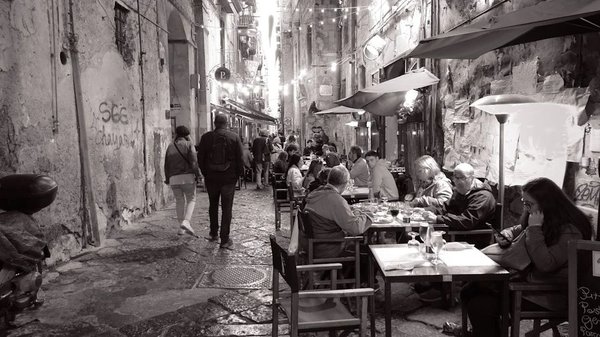
Narrow street in Naples with outdoor dining tables and people enjoying meals, lively and welcoming atmosphere.

Elegance and Tradition on the Waterfront

The Santa Lucia waterfront has been synonymous with Neapolitan romance since Bourbon-era fishermen pulled their boats ashore beneath Castel dell'Ovo. La Cantina dei Lazzari occupies a vaulted stone dining room steps from that same shoreline, blending the neighborhood's maritime heritage with a polished, contemporary kitchen. The menu reads like a love letter to Campanian produce. A starter of crudo di pesce showcases whatever the Pozzuoli fleet landed that morning: translucent slices of ricciola, prawns from the Gulf, and sea urchin when in season. Pasta courses lean traditional: paccheri alla Nerano with fried courgettes and provolone del Monaco, or a textbook spaghetti alle vongole veraci with Taranto clams. The wine list privileges small Campanian estates, Falanghina from the Campi Flegrei and Aglianico from Taurasi among them. Service is unhurried and knowledgeable, the kind of staff that can explain the difference between fiordilatte and burrata without condescension. A three-course dinner with wine runs roughly fifty to sixty euros per person, fair value for the quality and the setting. Reserve a terrace table at sunset for the full panorama of Vesuvius framed by the Castel dell'Ovo promontory.
In the picturesque Santa Lucia neighborhood, just steps from the Naples waterfront, at Via Santa Lucia 80.
Open Tuesday to Sunday: lunch from 12:30 PM to 3:00 PM and dinner from 7:30 PM to 11:00 PM.
Price range: €€€. Perfect for those seeking a high-quality culinary experience.

Pizzeria Sorbillo

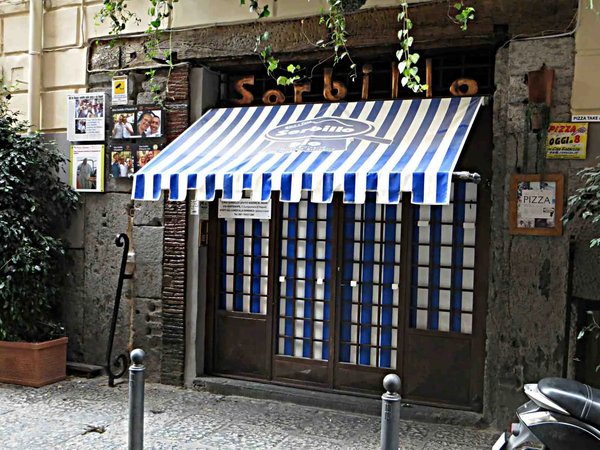
Entrance of Pizzeria Sorbillo in Naples with blue and white striped awning and outdoor decorations.

Pizza and Family Tradition

Via dei Tribunali, the ancient decumanus major of Greco-Roman Neapolis, has been a commercial artery for over two thousand years. Roughly halfway along it stands the flagship pizzeria of Gino Sorbillo, a third-generation pizzaiolo who has become the most visible ambassador of Neapolitan pizza worldwide. The Sorbillo family's baking lineage dates to the , and Gino expanded the original shop into a modern, high-ceilinged space that seats over a hundred while preserving the open-kitchen theatre of a classic Neapolitan pizzeria. The dough uses a proprietary flour blend and a long cold fermentation of at least 36 hours that produces an airy, digestible base with an open, honeycomb crumb. Beyond the canonical Margherita and Marinara, the menu ventures into creative territory: a pizza fritta stuffed with ricotta and cicoli, a seasonal topping of piennolo tomatoes from the slopes of Vesuvius, or a truffle-and-burrata creation that draws on Campanian dairy traditions. Every pizza is baked in a hand-built wood-fired oven fueled by beechwood, emerging in under ninety seconds with a distinctive leopard-spotted char. Expect a queue at peak hours; the turnover is fast, so waits rarely exceed thirty minutes. Prices hover around seven to ten euros for a full pizza, keeping the experience firmly accessible.
In the heart of the historic center of Naples, at Via dei Tribunali 32, just steps from the main attractions.
Open Monday to Saturday: lunch from 12:00 PM to 3:00 PM and dinner from 7:00 PM to 11:00 PM.
Average price: €€. Great value for an authentic experience.

Osteria da Antonio

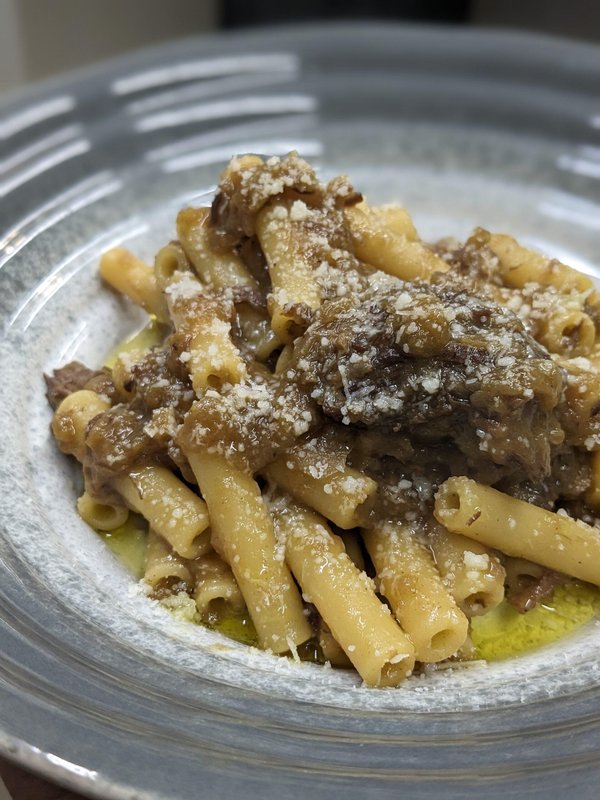
Traditional pasta dish with meat and cheese served at Osteria da Antonio in Naples.

Authentic Neapolitan Flavors

Neapolitan cuisine has always been divided between terra and mare, land and sea. Osteria da Antonio, set on busy Via Depretis between the port and the Galleria Umberto I, makes a convincing case for the land side. The signature dish is pasta alla genovese, a sauce whose name misleads: it has nothing to do with Genoa but everything to do with Neapolitan patience. Three kilos of onions are braised with a cut of beef for seven to eight hours until the alliums dissolve into a sweet, amber-coloured condiment that coats ziti with a depth of flavor no quick ragù can match. Equally compelling is the baccalà alla napoletana, salt cod simmered with tomato, capers, and Gaeta olives, a dish that traces its roots to the medieval trade routes that brought dried fish from Scandinavia to southern Italian ports. A contorno of friarielli, the slightly bitter broccoli rabe grown on the volcanic slopes around Naples, rounds out any plate. The room is deliberately old-fashioned: dark wood chairs, paper tablecloths, bottles of Gragnano rosso lined along a shelf. Service is brisk and familiar; regulars are greeted by name. A two-course meal with house wine costs around twenty euros, reinforcing the Neapolitan conviction that good food should never be expensive.
Located at Via Depretis 143, in the vibrant heart of Naples, just steps from the port and historic center.
Open Monday to Saturday: lunch from 12:00 PM to 3:00 PM, dinner from 7:00 PM to 11:00 PM.
Price range: €€. Great value for authentic and genuine cuisine.

Palazzo Petrucci

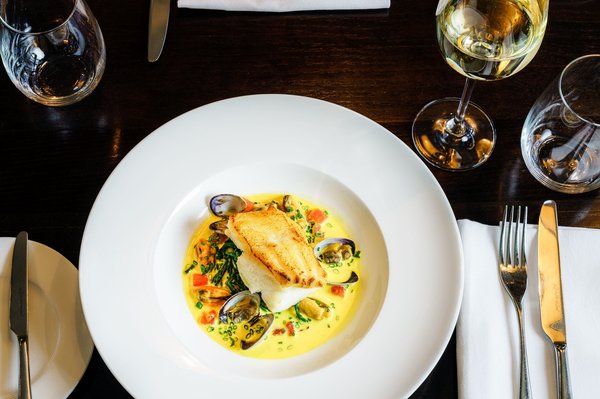
Elegant seared fish fillet with clams and mussels in a delicate broth, fine dining presentation.

Michelin-Starred Dining on Posillipo

Perched on the Posillipo hillside, with floor-to-ceiling windows framing Capri and the sweep of the Gulf, Palazzo Petrucci has held a Michelin star since and remains the most celebrated fine-dining address in Naples. Chef Lino Scarallo built his reputation on reinterpreting Campanian tradition through a modern lens without losing the soul of the original dishes. A tasting menu might open with a deconstructed parmigiana di melanzane, the aubergine transformed into a silky cream layered with tomato consommé and a crisp of fior di latte, before moving through courses of crudo from the day's catch, handmade pasta with Cetara anchovies, and a main of slow-roasted Laticauda lamb from the Benevento hills. Desserts nod to the Neapolitan pastry canon: a reimagined babà arrives as a light mousse infused with aged rum, accompanied by a Sorrento lemon gel. The wine programme is deep, with verticals of Mastroberardino Taurasi alongside emerging Campanian producers. The dining room balances elegance with warmth: linen tablecloths, muted lighting, and service that is precise without being stiff. The tasting menu runs approximately ninety to one hundred and twenty euros excluding wine. Book well in advance and request a window seat.
Located at Via Posillipo, 16 C, in the heart of beautiful Naples, with a view of the Gulf.
Open Tuesday to Sunday: lunch from 12:30 PM to 3:00 PM, dinner from 7:30 PM to 11:00 PM.
High-end: €€€€. Perfect for those seeking an exclusive gastronomic experience.

Antica Osteria Pisano

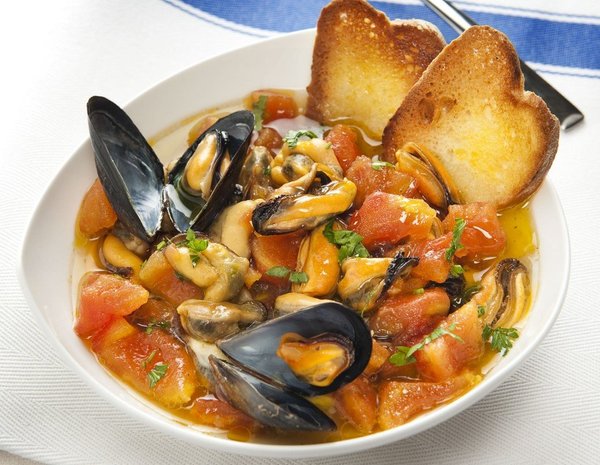
Plate of mussels with tomatoes and croutons, traditional Neapolitan cuisine at Antica Osteria Pisano.

Tradition and Seafood Since 1897

Antica Osteria Pisano has occupied the same ground-floor room near Piazza San Gaetano since , making it one of the oldest continuously operating restaurants in Naples. Four generations of the Pisano family have run the kitchen, and the menu reflects that long memory: dishes appear and disappear with the seasons, but certain staples have been served for decades. Zuppa di cozze, a peppery mussel soup thickened with day-old bread, was a fisherman's breakfast in the and remains the house signature. Polpo alla luciana, octopus braised with tomato and olives in the style of the Santa Lucia fishing community, arrives tender enough to cut with a spoon. The frittura di paranza, a mixed fry of tiny anchovies, squid, and shrimp dusted in semolina flour, is among the crispiest in the city. The room is small, perhaps a dozen tables, with framed black-and-white photographs of old Naples on the walls and a handwritten daily menu on a chalkboard by the entrance. House wine is a sharp, slightly fizzy Gragnano red served in ceramic pitchers. A full seafood meal costs around thirty to thirty-five euros, a fraction of what comparable quality commands at waterfront restaurants a few streets away.
Located at Via Giovanni Paladino, 83, in the vibrant heart of Naples, just steps from major historical attractions.
Open Monday to Saturday from 12:00 PM to 3:00 PM and from 7:00 PM to 11:00 PM.
Price range: €€. Perfect for those seeking quality at an affordable cost.

Pizzeria Starita

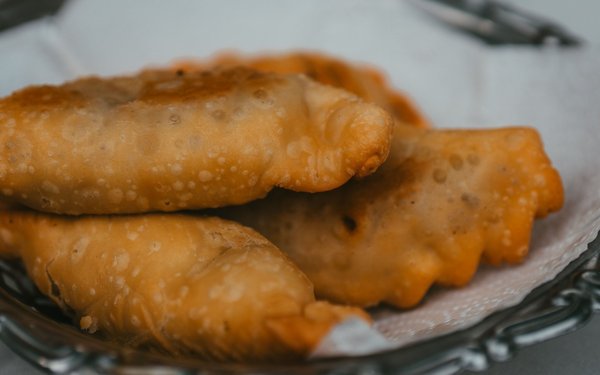
Neapolitan fried pizza on a plate, specialty of Pizzeria Starita in Naples.

Fried Pizza and Neapolitan Heritage

The Materdei neighborhood sits on one of Naples' steepest hills, well above the tourist circuits of the centro storico. It is here that Pizzeria Starita has been baking since , making it one of the oldest pizzerias in the city. The venue gained cinematic fame in when Sophia Loren filmed a pizza-frying scene for Vittorio De Sica's L'Oro di Napoli inside the shop, and a bronze plaque by the entrance commemorates the occasion. Starita's calling card is the montanara: a disc of dough deep-fried until it puffs into a golden pillow, then topped with San Marzano tomato, fior di latte, and basil and finished briefly in the wood oven. The contrast between the crisp, oil-rich shell and the melting cheese is unlike any baked pizza. The regular menu runs to over seventy topping combinations, including a well-regarded pizza con scarole e olive and a ricotta-and-salami calzone. Fried appetizers, crocchè di patate and arancini, arrive at the table within minutes and rarely survive longer. A full meal with beer costs roughly twelve to fifteen euros. The dining room sprawls across two floors, so waits are shorter than at the centro storico pizzerias.
Located on Via Materdei, in the heart of one of the most authentic neighborhoods in Naples.
Open Monday to Saturday: lunch from 12:00 PM to 3:00 PM, dinner from 7:00 PM to 11:00 PM.
Price range: €€. Great value for an authentic experience.

Mimì alla Ferrovia

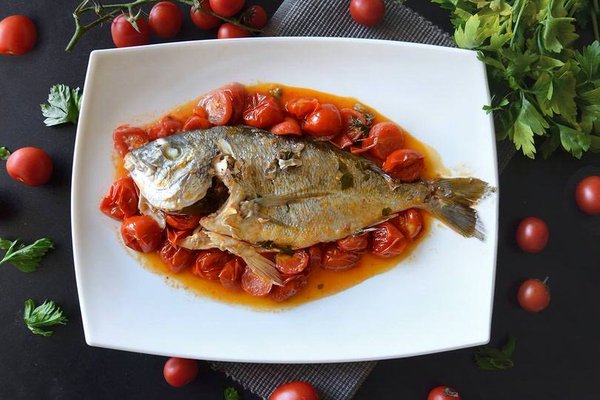
Fresh fish with cherry tomatoes on a white plate, traditional Neapolitan cuisine from Mimì alla Ferrovia.

A Literary Canteen Since 1943

Founded in , while Allied bombs still fell on the nearby railway yards, Mimì alla Ferrovia has outlived a world war, a republic's birth, and every food trend that has swept through Italian dining. The guest book reads like a cultural almanac: Eduardo De Filippo dined here between rehearsals at the San Carlo, Totò was a regular, and visiting journalists still treat it as a de facto press canteen. The kitchen does not chase novelty. Pasta e fagioli con le cozze, a marriage of borlotti beans and Taranto mussels in a broth perfumed with rosemary, has been on the menu since opening day. Pesce all'acqua pazza, a whole sea bream poached in tomato water with cherry tomatoes, capers, and a splash of white wine, arrives in the same oval ceramic dish it has always used. Desserts are classically Neapolitan: a towering delizia al limone or a rum-soaked babà served with a small pitcher of syrup on the side. The dining room retains its mid-century character, dark wood panelling, brass coat hooks, and framed caricatures of famous patrons. A three-course dinner with a bottle of Lacryma Christi runs around forty-five euros per person. The location beside Piazza Garibaldi makes it a natural first or last meal for anyone arriving by train.
Located at Via Alfonso d'Aragona, 19, just steps from Naples' central station.
Open Monday to Saturday: lunch from 12:00 PM to 3:00 PM, dinner from 7:00 PM to 11:00 PM.
Price range: €€€. Perfect for those seeking a high-quality dining experience.

Ristorante Da Dora

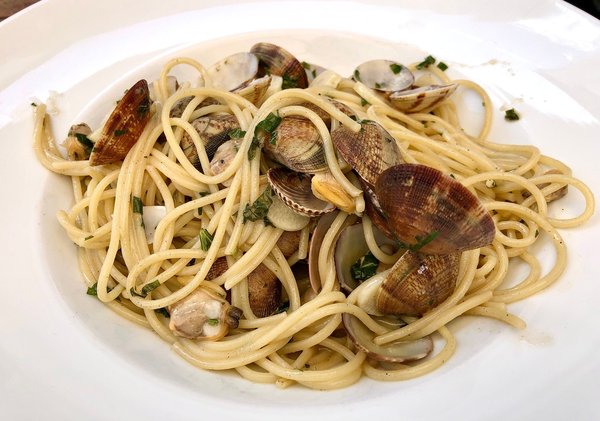
Spaghetti with clams served on a white plate, a traditional dish of Neapolitan cuisine.

Fresh Seafood in Chiaia

The Chiaia district, developed in the as a promenade for the Neapolitan aristocracy, remains one of the city's most elegant quarters. Da Dora fits its surroundings: a small, refined seafood restaurant on Via Palasciano where the daily menu is dictated entirely by what the fishing boats bring in. There is no printed card; instead, the waiter recites the day's catch and suggests preparations. Spaghetti alle vongole here is an education in restraint, just pasta, clams, garlic, white wine, and parsley, cooked until the sauce emulsifies into a silky coating. A platter of crudo misto might include gamberi rossi from Mazara del Vallo, tartare of tonno, and raw scampi dressed with nothing but lemon and Cilento olive oil. Grilled whole fish, typically orata or spigola, is presented at the table for approval before being filleted tableside. The room seats around thirty, with white tablecloths and zero decoration beyond a few nautical prints, an aesthetic that lets the food speak. Prices reflect the quality of the raw material: expect sixty to eighty euros per person with wine. Reservations are essential, especially on Friday and Saturday evenings when the Chiaia crowd fills every seat.
Located at Via Ferdinando Palasciano 30, in the picturesque Chiaia district of Naples.
Open Monday to Saturday from 12:00 PM to 3:00 PM and from 7:00 PM to 11:00 PM.
Price range: €€€. Perfect for a special seafood dinner.

Recommended Itineraries in Naples

Gastronomic Tour of the Spanish Quarters

Morning — Begin at a bar on Via Toledo with a sfogliatella riccia and a proper Neapolitan espresso, then walk into the grid of narrow alleys that form the Quartieri Spagnoli. Stop at a friggitoria for a paper cone of crocchè and frittatine di pasta, the fried snacks that have fueled this neighborhood since the Spanish viceroys.

Afternoon — Sit down at Trattoria Nennella for a full lunch of pasta e patate and polpette al ragù. Afterward, wander Via Pignasecca's open-air market stalls, sampling olives, dried chili peppers, and slabs of aged provolone from vendors who have worked these corners for decades.

Evening — Close the day at a seafood trattoria tucked behind Piazza Montecalvario, ordering a plate of impepata di cozze and grilled calamari, paired with a carafe of cold Falanghina.

Tour of Naples' Historic Pizzerias

Morning — Start early at Pizzeria Starita in Materdei, ordering a montanara (fried pizza) and a classic Margherita to compare the two cooking methods side by side. The neighborhood is quiet before noon, so you can eat without a queue.

Afternoon — Walk downhill through the Sanità district to Via dei Tribunali and join the line at Sorbillo. Try one of the seasonal creations alongside a Marinara. Continue along the decumanus to Da Michele near Piazza Garibaldi; split a Margherita to taste the subtle differences in dough, oven temperature, and tomato sourcing.

Evening — End at a contemporary pizzeria in the Vomero or Chiaia district that experiments with long-fermentation doughs and premium toppings like Dop buffalo ricotta or Colonnata lard, completing a survey from tradition to innovation in a single day.

Tasting Neapolitan Street Food

Morning — Walk Spaccanapoli from Piazza del Gesù toward the Duomo, stopping at the first friggitoria you see for a cuoppo di mare: a paper cone filled with fried baby squid, anchovies, and shrimp. Pair it with a pizza a portafoglio, a full Margherita folded in quarters and eaten on the move.

Afternoon — Detour to Via San Gregorio Armeno, the street famous for nativity-scene workshops, and pick up a tarallo sugna e pepe, the lard-and-pepper cracker that Neapolitans consider the perfect snack. Near Piazza San Domenico Maggiore, stop for a sfogliatella frolla at a historic pasticceria.

Evening — Finish at Porta Nolana's fish market, where vendors grill sardines to order and shuck raw sea urchin for a euro apiece. A cold Peroni from a nearby kiosk completes one of the cheapest and most flavorful eating days any European city can offer.

When to Visit

The Best Time to Visit Naples

The best time to visit Naples is during spring (April-June) and autumn (September-October), when the weather is mild and pleasant. Summer can be hot and crowded, while winter offers fewer crowds but cooler temperatures.

Peak Season

Summer (June-August) is the peak season, with more tourists and higher prices.

Shoulder Season

Spring and autumn offer a good balance between weather and tourist crowds.

Low Season

Winter (December-February) is the low season, with fewer tourists and more affordable prices.

Tips for Visiting Naples

I always buy buffalo mozzarella before noon, when dairies deliver the morning pull. By afternoon the texture firms and the milky sweetness fades. Ask for mozzarella di giornata at any salumeria.
I make a point of visiting Mercato di Porta Nolana early on Saturday mornings, when the fishmongers lay out the full Gulf catch. It is the best free show in Naples and a masterclass in Campanian seafood.
I never skip babà when in Naples. The best versions use aged rum rather than a sugar syrup, and the dough should be so saturated it trembles on the fork. Ask the pasticceria if their babà is bagnato al momento, soaked to order.

Local Experiences in Naples

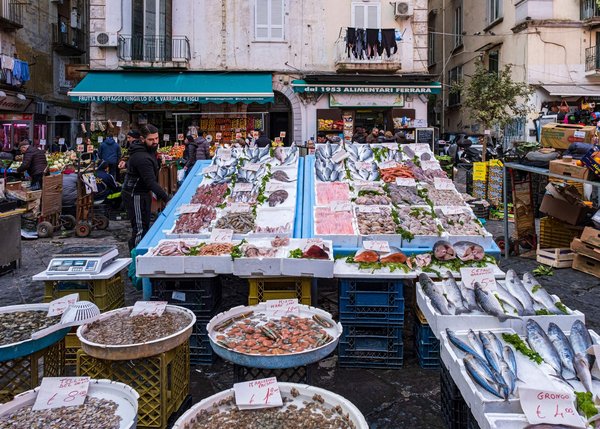
Fresh fish and seafood displayed at a bustling Neapolitan market stall.

Discover the Mercato di Porta Nolana

The Mercato di Porta Nolana has operated beneath the twin towers of the old Aragonese gate since the . Today it remains Naples' principal fish market, a roaring corridor of ice-packed crates where vendors auction the morning catch to restaurateurs and home cooks alike. I go early, around 7:30 AM, when the selection is widest and the theatrics are at full volume. Beyond fish you will find stalls selling Vesuvian tomatoes, bundles of wild chicory, aged caciocavallo, and cured meats. Several stalls fry fish to order: a cone of paranza eaten standing up at the market is one of Naples' essential food experiences.
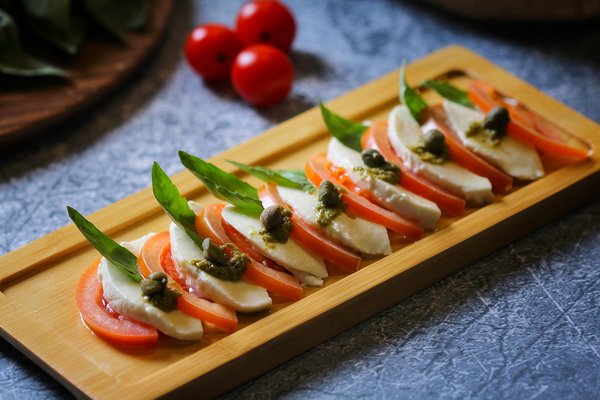
Buffalo mozzarella with tomatoes, basil, and pesto on a wooden plate, a staple of Neapolitan cuisine.

Buffalo Mozzarella from the Source
Mozzarella di bufala campana DOP is produced across the plains between Caserta and Paestum, and the best way to taste it is within hours of its making. Several caseifici in the Naples metropolitan area sell directly to the public; I recommend arriving before 10 AM, when the first batch emerges from the brine. The texture should be elastic and yielding, the interior releasing a rush of warm, slightly tangy whey when you tear it open. Pair it with nothing more than crusty bread, a drizzle of extra-virgin olive oil, and a few leaves of basil. In restaurants, insist on mozzarella del giorno rather than anything that has been refrigerated overnight.
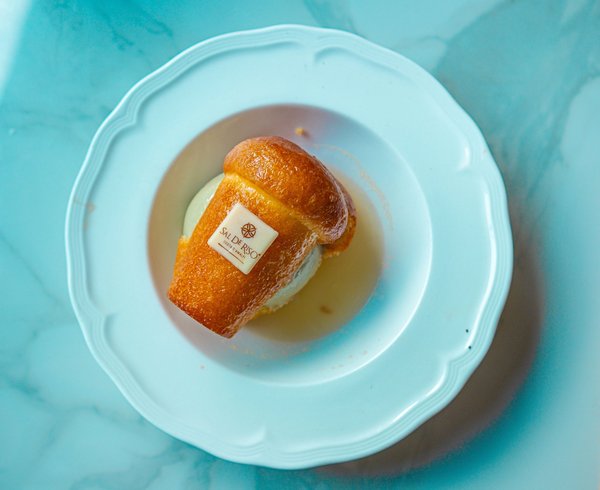
A golden rum-soaked baba pastry served with a scoop of ice cream.

Babà, the Rum-Soaked Icon

The babà arrived in Naples via the French Bourbon court in the , adapted from the Polish baba that King Stanislaw Leszczynski reputedly soaked in Tokaji wine. Neapolitan pastry chefs replaced the wine with rum and perfected a brioche-like dough that absorbs syrup like a sponge while retaining structure. I look for two signs of quality: the sponge should be deeply golden, not pale, indicating proper caramelization during baking, and it should visibly tremble when the plate is nudged, proof of thorough soaking. The best pasticcerie in Naples, clustered around Via Toledo and the Vomero hill, bake babà in individual moulds and soak them to order. A single babà costs around two to three euros and is best eaten standing at the counter with an espresso.

Frequently Asked Questions about Naples

What is the signature dish of Naples?

I would say pizza Margherita is the undisputed signature, but Neapolitan cuisine runs far deeper. Ragù napoletano, a Sunday meat sauce braised for six hours, pasta alla genovese with its slow-cooked onion base, and seafood dishes like spaghetti alle vongole are equally defining. The city's street food, including frittatine di pasta and cuoppo di mare, also belongs in any honest answer.

Where can I find the best pizza in Naples?

I keep returning to Da Michele for the purest Margherita, Sorbillo for creative toppings and excellent dough, and Starita for the best fried pizza in the city. That said, Naples has hundreds of good pizzerias; even a random neighborhood spot will often outperform the best pizzeria in most other cities.

What are the classic Neapolitan desserts?

I always recommend three: sfogliatella, which comes in a crispy riccia version and a softer frolla shell, both filled with semolina and ricotta cream; babà, a rum-soaked yeast cake perfected in Naples during the nineteenth century; and pastiera napoletana, a ricotta-and-wheat pie traditionally made for Easter but available year-round at most pasticcerie.

Which food markets should I visit in Naples?

I prioritize two. The Mercato di Porta Nolana is the city's main fish market and an extraordinary sensory experience, especially before 9 AM. The Mercato della Pignasecca, along Via Pignasecca near the Spanish Quarters, offers a broader range of produce, cured meats, and cheeses in a more walkable setting.

What foods should I absolutely not miss in Naples?

I would list five essentials: a proper Margherita from a wood-fired pizzeria, fresh buffalo mozzarella eaten the same day it was made, a sfogliatella riccia still warm from the oven, a cuoppo of fried seafood from a street vendor, and a babà soaked in real rum. Together they map the full range of Neapolitan flavor.

When is the best time to visit Naples for food?

I find spring and early autumn ideal. From April through June the markets overflow with artichokes, fava beans, and the first stone fruit, while September and October bring porcini, piennolo tomatoes, and fresh anchovies. Summer is hotter and more crowded but has the advantage of ripe figs and sea urchin season.

Are there guided food tours in Naples?

I have taken several and find them worthwhile, especially for a first visit. The best tours cover the Spanish Quarters or the centro storico, stopping at friggitorie, pizzerias, and salumerie. A typical three-hour tour costs thirty to fifty euros per person including all tastings. Book with local operators who use small groups of ten or fewer.

What are the essential seafood dishes in Naples?

I would start with spaghetti alle vongole veraci, made with small clams from the Gulf. Frittura di paranza, a mixed fry of tiny fish, is a staple at every seaside trattoria. Polpo alla luciana, octopus braised slowly in tomato sauce, and impepata di cozze, mussels steamed with black pepper and lemon, round out the must-try list.

Where can I taste the freshest buffalo mozzarella?

I go directly to a caseificio, a dairy that produces and sells on site. Several operate in the Caserta and Aversa areas, a thirty-minute drive from central Naples. In the city itself, good salumerie receive morning deliveries; look for shops that display mozzarella floating in its whey rather than sealed in plastic.

What should I drink in Naples?

I start every morning with a Neapolitan espresso, which is roasted darker and served smaller than elsewhere in Italy. For wine, Falanghina and Greco di Tufo are the local whites, while Aglianico del Taurasi is the flagship red. A meal should end with limoncello made from Sorrento or Amalfi lemons, served ice-cold in a ceramic cup.